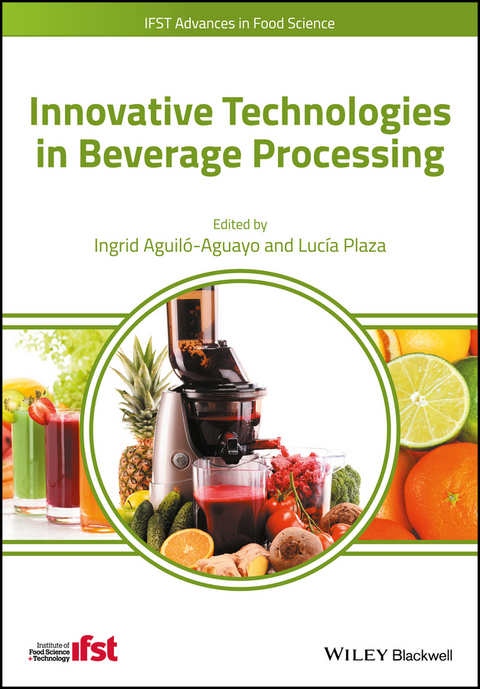
Innovative Technologies in Beverage Processing (eBook)
John Wiley & Sons (Verlag)
978-1-118-92935-3 (ISBN)
An in-depth look at new and emerging technologies for non-alcoholic beverage manufacturing
The non-alcoholic beverage market is the fastest growing segment of the functional food industry worldwide. Consistent with beverage consumption trends generally, the demand among consumers of these products is for high-nutrient drinks made from natural, healthy ingredients, free of synthetic preservatives and artificial flavor and color enhancers. Such drinks require specialized knowledge of exotic ingredients, novel processing techniques, and various functional ingredients.
The latest addition to the critically acclaimed IFST Advances in Food Science series this book brings together edited contributions from internationally recognized experts in their fields who offer insights and analysis of the latest developments in non-alcoholic beverage manufacture. Topics covered include juices made from pome fruits, citrus fruits, prunus fruits, vegetables, exotic fruits, berries, juice blends and non-alcoholic beverages, including grain-based beverages, soups and functional beverages. Waste and by-products generated in juice and non-alcoholic beverage sector are also addressed.
- Offers fresh insight and analysis of the latest developments in non-alcoholic beverage manufacture from leading international experts
- Covers all product segments of the non-alcoholic beverage market, including juices, vegetable blends, grain-based drinks, and alternative beverages
- Details novel thermal and non-thermal technologies that ensure high-quality nutrient retention while extending product shelf life
- Written with the full support of The Institute of Food Science and Technology (IFST), the leading qualifying body for food professionals in Europe
Innovative Technologies in Beverage Processing is a valuable reference/working resource for food scientists and engineers working in the non-alcoholic beverage industry, as well as academic researchers in industrial food processing and nutrition.
About the Editors
Ingrid Aguiló-Aguayo, IRTA, XaRTA-Postharvest, Edifici Fruitcentre, Parc Científic i Tecnològic Agroalimentari de Lleida, Lleida, Spain
Lucía Plaza, Research & Development Department, Cincagroup, Huesca, Spain
An in-depth look at new and emerging technologies for non-alcoholic beverage manufacturing The non-alcoholic beverage market is the fastest growing segment of the functional food industry worldwide. Consistent with beverage consumption trends generally, the demand among consumers of these products is for high-nutrient drinks made from natural, healthy ingredients, free of synthetic preservatives and artificial flavor and color enhancers. Such drinks require specialized knowledge of exotic ingredients, novel processing techniques, and various functional ingredients. The latest addition to the critically acclaimed IFST Advances in Food Science series this book brings together edited contributions from internationally recognized experts in their fields who offer insights and analysis of the latest developments in non-alcoholic beverage manufacture. Topics covered include juices made from pome fruits, citrus fruits, prunus fruits, vegetables, exotic fruits, berries, juice blends and non-alcoholic beverages, including grain-based beverages, soups and functional beverages. Waste and by-products generated in juice and non-alcoholic beverage sector are also addressed. Offers fresh insight and analysis of the latest developments in non-alcoholic beverage manufacture from leading international experts Covers all product segments of the non-alcoholic beverage market, including juices, vegetable blends, grain-based drinks, and alternative beverages Details novel thermal and non-thermal technologies that ensure high-quality nutrient retention while extending product shelf life Written with the full support of The Institute of Food Science and Technology (IFST), the leading qualifying body for food professionals in Europe Innovative Technologies in Beverage Processing is a valuable reference/working resource for food scientists and engineers working in the non-alcoholic beverage industry, as well as academic researchers in industrial food processing and nutrition.
About the Editors Ingrid Aguiló-Aguayo, IRTA, XaRTA-Postharvest, Edifici Fruitcentre, Parc Científic i Tecnològic Agroalimentari de Lleida, Lleida, Spain Lucía Plaza, Research & Development Department, Cincagroup, Huesca, Spain
Cover???????????????????????? 1
Title Page?????????????????????????????????? 5
Copyright???????????????????????????????? 6
Contents?????????????????????????????? 7
About the IFST Advances in Food Science Book Series???????????????????????????????????????????????????????????????????????????????????????????????????????????????????? 13
List of Contributors?????????????????????????????????????????????????????? 15
Preface???????????????????????????? 18
List of Abbreviations???????????????????????????????????????????????????????? 19
Part 1 Juice Processing???????????????????????????????????????????????????????????? 23
Chapter 1 Pome Fruit Juices???????????????????????????????????????????????????????????????????? 25
1.1 Introduction?????????????????????????????????????????????? 25
1.2 Conventional Processing Techniques?????????????????????????????????????????????????????????????????????????????????????????? 25
1.2.1 Influence on Microbial Quality?????????????????????????????????????????????????????????????????????????????????????? 26
1.2.2 Influence on Nutritional Attributes???????????????????????????????????????????????????????????????????????????????????????????????? 27
1.2.3 Influence on Organoleptic Attributes?????????????????????????????????????????????????????????????????????????????????????????????????? 29
1.3 Novel Processing Techniques???????????????????????????????????????????????????????????????????????????? 30
1.3.1 Improvement in Juice Extraction???????????????????????????????????????????????????????????????????????????????????????? 30
1.3.2 Improvement in Juice Clarification?????????????????????????????????????????????????????????????????????????????????????????????? 31
1.3.3 Preservation of Pome Fruit Juices by Innovative Technologies?????????????????????????????????????????????????????????????????????????????????????????????????????????????????????????????????????????????????? 32
1.4 Conclusion and Future Trends?????????????????????????????????????????????????????????????????????????????? 38
Acknowledgments???????????????????????????????????????????? 39
References?????????????????????????????????? 39
Chapter 2 Citrus Fruit Juices???????????????????????????????????????????????????????????????????????? 49
2.1 Introduction?????????????????????????????????????????????? 49
2.2 Conventional Preservation Processing Techniques???????????????????????????????????????????????????????????????????????????????????????????????????????????????????? 50
2.2.1 Effect on Microbial Quality???????????????????????????????????????????????????????????????????????????????? 50
2.2.2 Effect on Quality-Related Enzymes???????????????????????????????????????????????????????????????????????????????????????????? 51
2.2.3 Effect on Nutritional Quality???????????????????????????????????????????????????????????????????????????????????? 51
2.2.4 Effect on Organoleptic Quality?????????????????????????????????????????????????????????????????????????????????????? 52
2.3 Novel Processing Techniques???????????????????????????????????????????????????????????????????????????? 52
2.3.1 Changes in Conventional Methods???????????????????????????????????????????????????????????????????????????????????????? 52
2.3.2 Ohmic Heating???????????????????????????????????????????????????? 53
2.3.3 Microwave Heating???????????????????????????????????????????????????????????? 55
2.4 Processing Citrus by Innovative Methods???????????????????????????????????????????????????????????????????????????????????????????????????? 58
2.4.1 High-Pressure Processing?????????????????????????????????????????????????????????????????????????? 58
2.4.2 Pulsed Electric Fields?????????????????????????????????????????????????????????????????????? 62
2.5 Conclusions and Future Trends???????????????????????????????????????????????????????????????????????????????? 69
References?????????????????????????????????? 69
Chapter 3 Prunus Fruit Juices???????????????????????????????????????????????????????????????????????? 81
3.1 Introduction?????????????????????????????????????????????? 81
3.2 Conventional Processing Techniques?????????????????????????????????????????????????????????????????????????????????????????? 82
3.2.1 Cherry and Sour Cherry?????????????????????????????????????????????????????????????????????? 82
3.2.2 Apricot, Peach, and Nectarine???????????????????????????????????????????????????????????????????????????????????? 84
3.2.3 Plum?????????????????????????????????? 85
3.3 Influence of Conventional Processing Techniques on Juice Quality?????????????????????????????????????????????????????????????????????????????????????????????????????????????????????????????????????????????????????? 86
3.4 Novel Processing Techniques???????????????????????????????????????????????????????????????????????????? 87
3.4.1 Pulsed Electric Fields?????????????????????????????????????????????????????????????????????? 87
3.4.2 High-Pressure Processing?????????????????????????????????????????????????????????????????????????? 89
3.4.3 Other Innovative Technologies???????????????????????????????????????????????????????????????????????????????????? 92
3.5 Conclusion and Future Trends?????????????????????????????????????????????????????????????????????????????? 93
References?????????????????????????????????? 94
Chapter 4 Vegetable Juices?????????????????????????????????????????????????????????????????? 101
4.1 Introduction?????????????????????????????????????????????? 101
4.2 Conventional Processing Technologies?????????????????????????????????????????????????????????????????????????????????????????????? 103
4.2.1 Influence of Conventional Processing on Microbial Quality???????????????????????????????????????????????????????????????????????????????????????????????????????????????????????????????????????????? 103
4.2.2 Influence of Conventional Processing on Nutritional Attributes?????????????????????????????????????????????????????????????????????????????????????????????????????????????????????????????????????????????????????? 103
4.2.3 Influence of Conventional Processing on Organoleptic Attributes???????????????????????????????????????????????????????????????????????????????????????????????????????????????????????????????????????????????????????? 107
4.3 Nonthermal Processing Technologies?????????????????????????????????????????????????????????????????????????????????????????? 118
4.3.1 Influence of Nonthermal Processing on Microbial Quality???????????????????????????????????????????????????????????????????????????????????????????????????????????????????????????????????????? 118
4.3.2 Influence of Nonthermal Processing on Nutritional Attributes?????????????????????????????????????????????????????????????????????????????????????????????????????????????????????????????????????????????????? 119
4.3.3 Influence of Nonthermal Processing on Organoleptic Attributes???????????????????????????????????????????????????????????????????????????????????????????????????????????????????????????????????????????????????? 121
4.4 Conclusion and Future Trends?????????????????????????????????????????????????????????????????????????????? 122
References?????????????????????????????????? 122
Chapter 5 Exotic Fruit Juices???????????????????????????????????????????????????????????????????????? 129
5.1 Introduction?????????????????????????????????????????????? 129
5.2 Exotic Fruits: Relevance in Human Nutrition and Health?????????????????????????????????????????????????????????????????????????????????????????????????????????????????????????????????? 131
5.3 Deterioration of Exotic Fruit Juices?????????????????????????????????????????????????????????????????????????????????????????????? 133
5.4 Thermal and Nonthermal Technologies Used to Preserve Juices???????????????????????????????????????????????????????????????????????????????????????????????????????????????????????????????????????????? 134
5.4.1 Thermal Processing?????????????????????????????????????????????????????????????? 135
5.4.2 Nonthermal Processing???????????????????????????????????????????????????????????????????? 138
5.5 Conclusions and Future Trends???????????????????????????????????????????????????????????????????????????????? 144
References?????????????????????????????????? 144
Chapter 6 Berry Juices?????????????????????????????????????????????????????????? 153
6.1 Introduction?????????????????????????????????????????????? 153
6.2 Conventional Processing Techniques?????????????????????????????????????????????????????????????????????????????????????????? 153
6.2.1 Influence on Microbial Quality?????????????????????????????????????????????????????????????????????????????????????? 154
6.2.2 Influence on Nutritional Attributes???????????????????????????????????????????????????????????????????????????????????????????????? 155
6.2.3 Influence on Organoleptic Attributes?????????????????????????????????????????????????????????????????????????????????????????????????? 182
6.3 Novel Processing Techniques???????????????????????????????????????????????????????????????????????????? 185
6.3.1 Changes in Conventional Methods???????????????????????????????????????????????????????????????????????????????????????? 186
6.3.2 Processing Berry Juice by Innovative Technologies???????????????????????????????????????????????????????????????????????????????????????????????????????????????????????????? 186
6.3.3 Preservation of Berry Juice by Innovative Technologies?????????????????????????????????????????????????????????????????????????????????????????????????????????????????????????????????????? 188
6.4 Relevance for Human Health?????????????????????????????????????????????????????????????????????????? 210
6.5 Conclusions and Future Trends???????????????????????????????????????????????????????????????????????????????? 212
References?????????????????????????????????? 212
Chapter 7 Juice Blends?????????????????????????????????????????????????????????? 227
7.1 Introduction?????????????????????????????????????????????? 227
7.2 Pulsed Electric Fields?????????????????????????????????????????????????????????????????? 228
7.2.1 Food Safety???????????????????????????????????????????????? 229
7.2.2 Nutritionally Valuable Compounds?????????????????????????????????????????????????????????????????????????????????????????? 230
7.3 High-Pressure Processing?????????????????????????????????????????????????????????????????????? 232
7.3.1 Food Safety???????????????????????????????????????????????? 233
7.3.2 Nutritionally Valuable Compounds?????????????????????????????????????????????????????????????????????????????????????????? 233
7.4 Conclusion?????????????????????????????????????????? 235
Acknowledgments???????????????????????????????????????????? 235
References?????????????????????????????????? 235
Part 2 Non-Alcoholic Beverages?????????????????????????????????????????????????????????????????????????? 239
Chapter 8 Grain-Based Beverages???????????????????????????????????????????????????????????????????????????? 241
8.1 Introduction?????????????????????????????????????????????? 241
8.1.1 Soy-Based Beverages???????????????????????????????????????????????????????????????? 242
8.1.2 Rice-Based Beverages?????????????????????????????????????????????????????????????????? 242
8.1.3 Oat-Based Beverages???????????????????????????????????????????????????????????????? 243
8.2 Conventional Processing Techniques?????????????????????????????????????????????????????????????????????????????????????????? 244
8.2.1 Heating Methods???????????????????????????????????????????????????????? 244
8.2.2 Fermentation?????????????????????????????????????????????????? 245
8.2.3 Influence on Microbial Quality?????????????????????????????????????????????????????????????????????????????????????? 246
8.2.4 Influence on Nutritional Attributes???????????????????????????????????????????????????????????????????????????????????????????????? 247
8.2.5 Influence on Organoleptic Attributes?????????????????????????????????????????????????????????????????????????????????????????????????? 249
8.3 Novel Processing Techniques???????????????????????????????????????????????????????????????????????????? 249
8.3.1 High and Ultra-High-Pressure Homogenisation???????????????????????????????????????????????????????????????????????????????????????????????????????????????? 249
8.3.2 High-Pressure Processing?????????????????????????????????????????????????????????????????????????? 250
8.3.3 Pulsed Electric Field???????????????????????????????????????????????????????????????????? 252
8.3.4 Enzymatic Techniques?????????????????????????????????????????????????????????????????? 253
8.3.5 Changes in Conventional Methods???????????????????????????????????????????????????????????????????????????????????????? 254
8.4 Processing Grain-Based Beverages by Innovative Techniques???????????????????????????????????????????????????????????????????????????????????????????????????????????????????????????????????????? 255
8.4.1 Enzymatic Techniques?????????????????????????????????????????????????????????????????? 255
8.4.2 Fermentation?????????????????????????????????????????????????? 256
8.4.3 Ultra-High-Pressure Homogenisation?????????????????????????????????????????????????????????????????????????????????????????????? 257
8.5 Preservation of Grain-Based Beverages by Innovative Technologies?????????????????????????????????????????????????????????????????????????????????????????????????????????????????????????????????????????????????????? 257
8.5.1 High-Pressure Processing?????????????????????????????????????????????????????????????????????????? 257
8.5.2 Pulsed Electric Field???????????????????????????????????????????????????????????????????? 259
8.6 Relevance for Human Nutrition???????????????????????????????????????????????????????????????????????????????? 259
8.7 Conclusion and Future Trends?????????????????????????????????????????????????????????????????????????????? 260
References?????????????????????????????????? 260
Chapter 9 Soups???????????????????????????????????????????? 271
9.1 Introduction?????????????????????????????????????????????? 271
9.1.1 Processed Foods???????????????????????????????????????????????????????? 271
9.1.2 Ready-to-Eat Meals: Soups???????????????????????????????????????????????????????????????????????????? 272
9.2 Non-Thermal Technologies for Food Processing?????????????????????????????????????????????????????????????????????????????????????????????????????????????? 274
9.2.1 High-Pressure Processing?????????????????????????????????????????????????????????????????????????? 274
9.2.2 Pulsed Electric Fields?????????????????????????????????????????????????????????????????????? 278
9.3 Novel Thermal Technologies for Food Processing?????????????????????????????????????????????????????????????????????????????????????????????????????????????????? 281
9.3.1 Ohmic Heating???????????????????????????????????????????????????? 281
9.3.2 Microwave and Radiofrequency Heating?????????????????????????????????????????????????????????????????????????????????????????????????? 284
Acknowledgments???????????????????????????????????????????? 287
References?????????????????????????????????? 287
Chapter 10 Functional Beverages???????????????????????????????????????????????????????????????????????????? 297
10.1 Introduction???????????????????????????????????????????????? 297
10.2 Functional Food Regulation???????????????????????????????????????????????????????????????????????????? 298
10.3 Natural Ingredients in the Formulation of Functional Beverages???????????????????????????????????????????????????????????????????????????????????????????????????????????????????????????????????????????????????? 299
10.4 New Trends in the Formulation of Functional Beverages?????????????????????????????????????????????????????????????????????????????????????????????????????????????????????????????????? 301
10.4.1 Tendencies in Fruit Ingredients?????????????????????????????????????????????????????????????????????????????????????????? 301
10.4.2 Green Botanicals in Beverages?????????????????????????????????????????????????????????????????????????????????????? 301
10.4.3 By-Products in Beverage Formulation?????????????????????????????????????????????????????????????????????????????????????????????????? 302
10.5 Novel Infusions (Tea and Tea Alternatives)???????????????????????????????????????????????????????????????????????????????????????????????????????????? 303
10.6 Fortified Beverages?????????????????????????????????????????????????????????????? 305
10.7 Cocoa-Based Beverages?????????????????????????????????????????????????????????????????? 307
10.8 Energy Drinks?????????????????????????????????????????????????? 308
10.9 Beverage Emulsions???????????????????????????????????????????????????????????? 309
10.10 Conclusions and Future Trends???????????????????????????????????????????????????????????????????????????????????? 310
References?????????????????????????????????? 310
Part 3 Waste in the Juice and Non-Alcoholic Beverage Sector???????????????????????????????????????????????????????????????????????????????????????????????????????????????????????????????????? 319
Chapter 11 Waste/By-Product Utilisations?????????????????????????????????????????????????????????????????????????????????????????????? 321
11.1 Introduction???????????????????????????????????????????????? 321
11.2 Major Waste and By-Products Generated from the Juice and Non-Alcoholic Beverage Sector???????????????????????????????????????????????????????????????????????????????????????????????????????????????????????????????????????????????????????????????????????????????????????????????????? 321
11.3 Utilisation of By-Products from the Non-Alcoholic Beverage Sector?????????????????????????????????????????????????????????????????????????????????????????????????????????????????????????????????????????????????????????? 323
11.3.1 Animal Feed?????????????????????????????????????????????????? 323
11.3.2 Pectin???????????????????????????????????????? 325
11.3.3 Biofuel?????????????????????????????????????????? 325
11.3.4 Flavour and Aroma?????????????????????????????????????????????????????????????? 326
11.3.5 Food Additives???????????????????????????????????????????????????????? 326
11.4 Potential Sources of Bioactive Compounds???????????????????????????????????????????????????????????????????????????????????????????????????????? 327
11.4.1 Phenolic Compounds???????????????????????????????????????????????????????????????? 327
11.4.2 Bioactive Peptides???????????????????????????????????????????????????????????????? 327
11.5 Novel Technologies Involved in the Processing of Fruit Beverage Waste?????????????????????????????????????????????????????????????????????????????????????????????????????????????????????????????????????????????????????????????????? 327
11.5.1 Pulsed Electric Field?????????????????????????????????????????????????????????????????????? 327
11.5.2 Ultrasonication?????????????????????????????????????????????????????????? 328
References?????????????????????????????????? 328
Index???????????????????????? 333
Advertisement 337
EULA 333
| Erscheint lt. Verlag | 18.5.2017 |
|---|---|
| Reihe/Serie | IFST Advances in Food Science | IFST Advances in Food Science |
| Sprache | englisch |
| Themenwelt | Naturwissenschaften ► Biologie |
| Technik ► Lebensmitteltechnologie | |
| Weitere Fachgebiete ► Land- / Forstwirtschaft / Fischerei | |
| Schlagworte | alternative beverage manufacturing • alternative beverage markets • alternative beverage processing technologies • citrus fruit juice processing • exotic fruit juice processing • Fermented Foods & Beverages • Fermentierte Nahrungsmittel u. Getränke • Food Processing • food processing industry trends • Food Processing, Production & Manufacture • Food processing technology • Food Science & Technology • fruit juice manufacturing technologies • Functional Food • Functional Food, Nutraceuticals • Functional Foods & Nutraceuticals • Getränke • grain based beverage processing • ?grain-based drink processing technologies • Herstellung u. Verarbeitung von Lebensmitteln • juices manufacturing technologies • Lebensmittelforschung u. -technologie • new technologies for non-alcoholic drink processing • non-alcoholic beverage manufacturing • non-alcoholic beverage processing technologies • non-thermal technologies for non-alcoholic beverage processing • ? pome fruit juice processing • prunus fruit juice processing • soup processing technologies • thermal processing for non-alcoholic beverages • trends in non-alcoholic beverage manufacturing • vegetable blend drink processing technologies • vegetable juice manufacturing technologies • vegetable juice processing • waste and byproduct usage in non-alcoholic beverage processing |
| ISBN-10 | 1-118-92935-7 / 1118929357 |
| ISBN-13 | 978-1-118-92935-3 / 9781118929353 |
| Informationen gemäß Produktsicherheitsverordnung (GPSR) | |
| Haben Sie eine Frage zum Produkt? |
 PDF (Adobe DRM)
Kopierschutz: Adobe-DRM
Adobe-DRM ist ein Kopierschutz, der das eBook vor Mißbrauch schützen soll. Dabei wird das eBook bereits beim Download auf Ihre persönliche Adobe-ID autorisiert. Lesen können Sie das eBook dann nur auf den Geräten, welche ebenfalls auf Ihre Adobe-ID registriert sind.
Details zum Adobe-DRM
Dateiformat: PDF (Portable Document Format)
Mit einem festen Seitenlayout eignet sich die PDF besonders für Fachbücher mit Spalten, Tabellen und Abbildungen. Eine PDF kann auf fast allen Geräten angezeigt werden, ist aber für kleine Displays (Smartphone, eReader) nur eingeschränkt geeignet.
Systemvoraussetzungen:
PC/Mac: Mit einem PC oder Mac können Sie dieses eBook lesen. Sie benötigen eine
eReader: Dieses eBook kann mit (fast) allen eBook-Readern gelesen werden. Mit dem amazon-Kindle ist es aber nicht kompatibel.
Smartphone/Tablet: Egal ob Apple oder Android, dieses eBook können Sie lesen. Sie benötigen eine
Geräteliste und zusätzliche Hinweise
Buying eBooks from abroad
For tax law reasons we can sell eBooks just within Germany and Switzerland. Regrettably we cannot fulfill eBook-orders from other countries.
aus dem Bereich