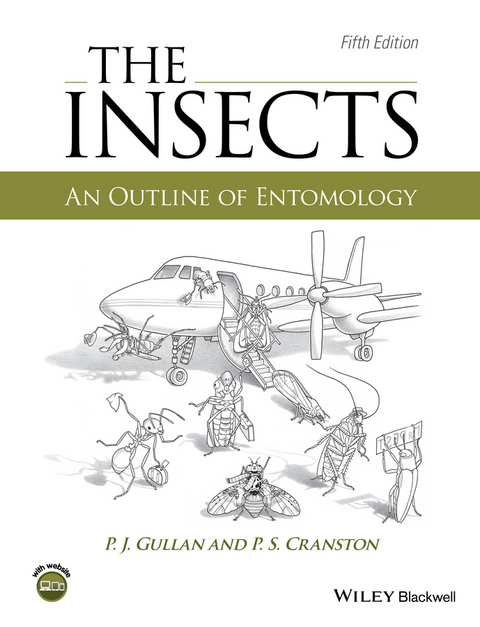
The Insects (eBook)
John Wiley & Sons (Verlag)
978-1-118-84625-4 (ISBN)
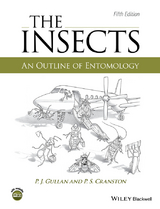
Insects represent over half of the planet's biological diversity. This popular textbook provides a comprehensive introduction to this extraordinary diversity, and places entomology central to the theory and practice of evolutionary and ecological studies.
Fully revised, this fifth edition opens with a chapter concerning the popular side of insect studies, including insects in citizen science, zoos and butterfly houses, and insects as food for humans and animals. Key features of insect
structure, function, behaviour, ecology and classification are integrated with appropriate molecular studies. Much of the book is organized around major biological themes: living on the ground, in water, on plants, in colonies, and as predators, parasites/parasitoids and prey insects. A strong evolutionary theme is maintained throughout.
There is major revision to the chapter on systematics and a new chapter, Insects in a Changing World, includes insect responses to, and the consequences of, both climate change and human-assisted global alterations to distributions. Updated 'Taxoboxes' demonstrate topical issues and provide concise information on all aspects of each of the 28 major groupings (orders) of insects, plus the three orders of non-insect hexapods. New boxes describe a worrying increase in insect threats to landscape and commercial trees (including eucalypts, palms and coffee) and explain the value of genetic data, including evolutionary developmental biology and DNA barcoding, in insect biodiversity studies.
The authors maintain the clarity and conciseness of earlier editions, and extend the profuse illustrations with new hand-drawn figures. Over 50 colour photographs, together with the informative text and an accompanying website with links to video clips, appendices, textboxes and further reading lists, encourage a deeper scientific study of insects. The book is intended as the principal text for students studying entomology, as well as a reference text for undergraduate and graduate courses in the fields of ecology, agriculture, fisheries and forestry, palaeontology, zoology, and medical and veterinary science.
Penny Gullan and Peter Cranston are adjunct professors in Evolution, Ecology and Genetics, in the Research School of Biology, The Australian National University, Canberra, Australia, where they conduct research on the biodiversity and systematics of Coccoidea and Chironomidae, respectively. Both maintain emeritus connections with the Department of Entomology and Nematology, University of California, Davis, USA.
Insects represent over half of the planet s biological diversity. This popular textbook provides a comprehensive introduction to this extraordinary diversity, and places entomology central to the theory and practice of evolutionary and ecological studies. Fully revised, this fifth edition opens with a chapter concerning the popular side of insect studies, including insects in citizen science, zoos and butterfly houses, and insects as food for humans and animals. Key features of insect structure, function, behaviour, ecology and classification are integrated with appropriate molecular studies. Much of the book is organized around major biological themes: living on the ground, in water, on plants, in colonies, and as predators, parasites/parasitoids and prey insects. A strong evolutionary theme is maintained throughout. There is major revision to the chapter on systematics and a new chapter, Insects in a Changing World, includes insect responses to, and the consequences of, both climate change and human-assisted global alterations to distributions. Updated Taxoboxes demonstrate topical issues and provide concise information on all aspects of each of the 28 major groupings (orders) of insects, plus the three orders of non-insect hexapods. New boxes describe a worrying increase in insect threats to landscape and commercial trees (including eucalypts, palms and coffee) and explain the value of genetic data, including evolutionary developmental biology and DNA barcoding, in insect biodiversity studies. The authors maintain the clarity and conciseness of earlier editions, and extend the profuse illustrations with new hand-drawn figures. Over 50 colour photographs, together with the informative text and an accompanying website with links to video clips, appendices, textboxes and further reading lists, encourage a deeper scientific study of insects. The book is intended as the principal text for students studying entomology, as well as a reference text for undergraduate and graduate courses in the fields of ecology, agriculture, fisheries and forestry, palaeontology, zoology, and medical and veterinary science.
Penny Gullan and Peter Cranston are adjunct professors in Evolution, Ecology and Genetics, in the Research School of Biology, The Australian National University, Canberra, Australia, where they conduct research on the biodiversity and systematics of Coccoidea and Chironomidae, respectively. Both maintain emeritus connections with the Department of Entomology and Nematology, University of California, Davis, USA.
Cover???????????????????????? 1
Title Page?????????????????????????????????? 5
Copyright???????????????????????????????? 6
Contents?????????????????????????????? 7
List of colour plates???????????????????????????????????????????????????????? 11
List of boxes???????????????????????????????????????? 15
Preface to the fifth edition?????????????????????????????????????????????????????????????????????? 17
Preface to the fourth edition???????????????????????????????????????????????????????????????????????? 19
Preface to the third edition?????????????????????????????????????????????????????????????????????? 21
Preface to the second edition???????????????????????????????????????????????????????????????????????? 23
Preface and acknowledgments for first edition???????????????????????????????????????????????????????????????????????????????????????????????????????? 25
About the companion website???????????????????????????????????????????????????????????????????? 27
Chapter 1 The importance, diversity and conservation of insects???????????????????????????????????????????????????????????????????????????????????????????????????????????????????????????????????????????? 29
1.1 What is entomology????????????????????????????????????????????????????????????? 30
1.2 The importance of insects???????????????????????????????????????????????????????????????????????? 30
1.3 Insect biodiversity???????????????????????????????????????????????????????????? 34
1.3.1 The described taxonomic richness of insects 34
1.3.2 The estimated taxonomic richness of insects 34
1.3.3 The location of insect species richness 35
1.3.4 Some reasons for insect species richness 35
1.4 Naming and classification of insects?????????????????????????????????????????????????????????????????????????????????????????????? 38
1.5 Insects in popular culture and commerce???????????????????????????????????????????????????????????????????????????????????????????????????? 39
1.6 Culturing insects???????????????????????????????????????????????????????? 41
1.7 Insect conservation???????????????????????????????????????????????????????????? 42
1.8 Insects as food???????????????????????????????????????????????????? 48
1.8.1 Insects as human food: entomophagy 48
1.8.2 Insects as feed for domesticated animals 52
Further reading???????????????????????????????????????????? 53
Chapter 2 External anatomy?????????????????????????????????????????????????????????????????? 54
2.1 The cuticle???????????????????????????????????????????? 55
2.2 Segmentation and tagmosis???????????????????????????????????????????????????????????????????????? 61
2.3 The head?????????????????????????????????????? 63
2.3.1 Mouthparts 64
2.3.2 Cephalic sensory structures 71
2.4 The thorax?????????????????????????????????????????? 73
2.4.1 Legs 75
2.4.2 Wings 76
2.5 The abdomen???????????????????????????????????????????? 80
2.5.1 Terminalia 80
Further reading???????????????????????????????????????????? 83
Chapter 3 Internal anatomy and physiology 84
3.1 Muscles and locomotion?????????????????????????????????????????????????????????????????? 85
3.1.1 Muscles 87
3.1.2 Muscle attachments 87
3.1.3 Crawling, wriggling, swimming and walking 88
3.1.4 Flight 89
3.2 The nervous system and co-ordination?????????????????????????????????????????????????????????????????????????????????????????????? 91
3.3 The endocrine system and the function of hormones???????????????????????????????????????????????????????????????????????????????????????????????????????????????????????? 94
3.3.1 Endocrine centres 94
3.3.2 Hormones 96
3.4 The circulatory system?????????????????????????????????????????????????????????????????? 97
3.4.1 Haemolymph 97
3.4.2 Circulation 99
3.4.3 Protection and defence by the haemolymph 100
3.5 The tracheal system and gas exchange?????????????????????????????????????????????????????????????????????????????????????????????? 101
3.5.1 Diffusion and ventilation 105
3.6 The gut, digestion and nutrition?????????????????????????????????????????????????????????????????????????????????????? 105
3.6.1 Structure of the gut 108
3.6.2 Saliva and food ingestion 110
3.6.3 Digestion of food 111
3.6.4 The fat body 112
3.6.5 Nutrition and microorganisms 113
3.7 The excretory system and waste disposal???????????????????????????????????????????????????????????????????????????????????????????????????? 114
3.7.1 The Malpighian tubules and rectum 114
3.7.2 Nitrogen excretion 117
3.8 Reproductive organs???????????????????????????????????????????????????????????? 118
3.8.1 The female reproductive system 120
3.8.2 The male reproductive system 120
Further reading???????????????????????????????????????????? 121
Chapter 4 Sensory systems and behaviour 123
4.1 Mechanical stimuli?????????????????????????????????????????????????????????? 124
4.1.1 Tactile mechanoreception 124
4.1.2 Position mechanoreception (proprioceptors) 125
4.1.3 Sound reception 125
4.1.4 Sound production 131
4.2 Thermal stimuli???????????????????????????????????????????????????? 133
4.2.1 Thermoreception 133
4.2.2 Thermoregulation 134
4.3 Chemical stimuli?????????????????????????????????????????????????????? 135
4.3.1 Chemoreception 135
4.3.2 Semiochemicals: pheromones 139
4.3.3 Semiochemicals: kairomones, allomones and synomones 143
4.3.4 Carbon dioxide as a sensory cue 144
4.4 Insect vision???????????????????????????????????????????????? 145
4.4.1 Dermal detection 145
4.4.2 Stemmata 145
4.4.3 Ocelli 147
4.4.4 Compound eyes 147
4.4.5 Light production 149
4.5 Insect behaviour?????????????????????????????????????????????????????? 150
Further reading???????????????????????????????????????????? 152
Chapter 5 Reproduction?????????????????????????????????????????????????????????? 153
5.1 Bringing the sexes together???????????????????????????????????????????????????????????????????????????? 154
5.2 Courtship???????????????????????????????????????? 156
5.3 Sexual selection?????????????????????????????????????????????????????? 156
5.4 Copulation?????????????????????????????????????????? 159
5.4.1 Nuptial feeding and other “gifts” 162
5.5 Diversity in genitalic morphology???????????????????????????????????????????????????????????????????????????????????????? 164
5.6 Sperm storage, fertilization and sex determination?????????????????????????????????????????????????????????????????????????????????????????????????????????????????????????? 167
5.7 Sperm competition???????????????????????????????????????????????????????? 168
5.8 Oviparity (egg-laying)?????????????????????????????????????????????????????????????????? 172
5.9 Ovoviviparity and viviparity?????????????????????????????????????????????????????????????????????????????? 178
5.10 Other modes of reproduction?????????????????????????????????????????????????????????????????????????????? 178
5.10.1 Parthenogenesis, paedogenesis (pedogenesis) and neoteny 178
5.10.2 Hermaphroditism 179
5.10.3 Polyembryony 180
5.10.4 Reproductive effects of endosymbionts 180
5.11 Physiological control of reproduction?????????????????????????????????????????????????????????????????????????????????????????????????? 181
5.11.1 Vitellogenesis and its regulation 181
Further reading???????????????????????????????????????????? 182
Chapter 6 Insect development and life histories 184
6.1 Growth?????????????????????????????????? 185
6.2 Life-history patterns and phases?????????????????????????????????????????????????????????????????????????????????????? 186
6.2.1 Embryonic phase 188
6.2.2 Larval or nymphal phase 193
6.2.3 Metamorphosis 194
6.2.4 Imaginal or adult phase 196
6.3 Process and control of moulting???????????????????????????????????????????????????????????????????????????????????? 197
6.4 Voltinism???????????????????????????????????????? 200
6.5 Diapause?????????????????????????????????????? 201
6.6 Dealing with environmental extremes???????????????????????????????????????????????????????????????????????????????????????????? 202
6.6.1 Cold 203
6.6.2 Heat 204
6.6.3 Aridity 205
6.7 Migration???????????????????????????????????????? 206
6.8 Polymorphism and polyphenism?????????????????????????????????????????????????????????????????????????????? 208
6.8.1 Genetic polymorphism 208
6.8.2 Environmental polymorphism, or polyphenism 208
6.9 Age-grading???????????????????????????????????????????? 209
6.9.1 Age-grading of immature insects 209
6.9.2 Age-grading of adult insects 211
6.10 Environmental effects on development???????????????????????????????????????????????????????????????????????????????????????????????? 211
6.10.1 Temperature 212
6.10.2 Photoperiod 214
6.10.3 Humidity 215
6.10.4 Mutagens and toxins 215
6.10.5 Biotic effects 215
Further reading???????????????????????????????????????????? 216
Chapter 7 Insect systematics: phylogeny and classification?????????????????????????????????????????????????????????????????????????????????????????????????????????????????????????????????? 218
7.1 Systematics???????????????????????????????????????????? 219
7.1.1 Phylogenetic methods 221
7.1.2 Taxonomy and classification 224
7.2 The extant Hexapoda???????????????????????????????????????????????????????????? 229
7.3 Informal group Entognatha: Collembola (springtails), Diplura (diplurans) and Protura (proturans)?????????????????????????????????????????????????????????????????????????????????????????????????????????????????????????????????????????????????????????????????????????????????????????????????????????????????????? 230
7.3.1 Order Collembola (springtails) (see also Taxobox 1) 230
7.3.2 Order Diplura (diplurans) (see also Taxobox 1) 230
7.3.3 Order Protura (proturans) (see also Taxobox 1) 230
7.4 Class Insecta (true insects)?????????????????????????????????????????????????????????????????????????????? 231
7.4.1 Apterygote Insecta (former Thysanura sensu lato) 231
7.4.2 Pterygota 233
Further reading???????????????????????????????????????????? 252
Chapter 8 Insect evolution and biogeography 255
8.1 Relationships of the Hexapoda to other Arthropoda???????????????????????????????????????????????????????????????????????????????????????????????????????????????????????? 256
8.2 The antiquity of insects?????????????????????????????????????????????????????????????????????? 257
8.2.1 The insect fossil record 257
8.2.2 Living insect distributions as evidence for antiquity 264
8.3 Were the first insects aquatic or terrestrial??????????????????????????????????????????????????????????????????????????????????????????????????????????????????? 264
8.4 Evolution of wings?????????????????????????????????????????????????????????? 266
8.5 Evolution of metamorphosis?????????????????????????????????????????????????????????????????????????? 269
8.6 Insect diversification?????????????????????????????????????????????????????????????????? 270
8.7 Insect biogeography???????????????????????????????????????????????????????????? 272
8.8 Insect evolution in the Pacific???????????????????????????????????????????????????????????????????????????????????? 273
Further reading???????????????????????????????????????????? 275
Chapter 9 Ground-dwelling insects???????????????????????????????????????????????????????????????????????????????? 277
9.1 Insects of litter and soil?????????????????????????????????????????????????????????????????????????? 278
9.1.1 Root-feeding insects 284
9.2 Insects and dead trees or decaying wood???????????????????????????????????????????????????????????????????????????????????????????????????? 288
9.3 Insects and dung?????????????????????????????????????????????????????? 289
9.4 Insect-carrion interactions???????????????????????????????????????????????????????????????????????????? 292
9.5 Insect-fungal interactions?????????????????????????????????????????????????????????????????????????? 293
9.5.1 Fungivorous insects 293
9.5.2 Fungus farming by leaf-cutter ants 293
9.5.3 Fungus cultivation by termites 295
9.6 Cavernicolous insects???????????????????????????????????????????????????????????????? 296
9.7 Environmental monitoring using ground-dwelling hexapods???????????????????????????????????????????????????????????????????????????????????????????????????????????????????????????????????? 296
Further reading???????????????????????????????????????????? 298
Chapter 10 Aquatic insects?????????????????????????????????????????????????????????????????? 299
10.1 Taxonomic distribution and terminology???????????????????????????????????????????????????????????????????????????????????????????????????? 300
10.2 The evolution of aquatic lifestyles?????????????????????????????????????????????????????????????????????????????????????????????? 303
10.3 Aquatic insects and their oxygen supplies?????????????????????????????????????????????????????????????????????????????????????????????????????????? 305
10.3.1 The physical properties of oxygen 305
10.3.2 Gaseous exchange in aquatic insects 305
10.3.3 Oxygen uptake with a closed tracheal system 306
10.3.4 Oxygen uptake with an open spiracular system 307
10.3.5 Behavioural ventilation 309
10.4 The aquatic environment?????????????????????????????????????????????????????????????????????? 310
10.4.1 Lotic adaptations 310
10.4.2 Lentic adaptations 311
10.5 Environmental monitoring using aquatic insects???????????????????????????????????????????????????????????????????????????????????????????????????????????????????? 312
10.6 Functional feeding groups?????????????????????????????????????????????????????????????????????????? 313
10.7 Insects of temporary waterbodies???????????????????????????????????????????????????????????????????????????????????????? 314
10.8 Insects of the marine, intertidal and littoral zones???????????????????????????????????????????????????????????????????????????????????????????????????????????????????????????????? 315
Further reading???????????????????????????????????????????? 316
Chapter 11 Insects and plants???????????????????????????????????????????????????????????????????????? 317
11.1 Coevolutionary interactions between insects and plants???????????????????????????????????????????????????????????????????????????????????????????????????????????????????????????????????? 319
11.2 Phytophagy (or herbivory)?????????????????????????????????????????????????????????????????????????? 321
11.2.1 Induced defences 325
11.2.2 Leaf chewing 326
11.2.3 Plant mining and boring 327
11.2.4 Sap sucking 330
11.2.5 Gall induction 333
11.2.6 Seed predation 336
11.2.7 Insects as biological control agents for weeds 337
11.3 Insects and plant reproductive biology???????????????????????????????????????????????????????????????????????????????????????????????????? 341
11.3.1 Pollination 341
11.3.2 Myrmecochory: seed dispersal by ants 345
11.4 Insects that live mutualistically in specialized plant structures?????????????????????????????????????????????????????????????????????????????????????????????????????????????????????????????????????????????????????????? 346
11.4.1 Ant–plant interactions involving domatia 346
11.4.2 Phytotelmata: plant-held water containers 346
Further reading???????????????????????????????????????????? 348
Chapter 12 Insect societies???????????????????????????????????????????????????????????????????? 350
12.1 Subsociality in insects?????????????????????????????????????????????????????????????????????? 351
12.1.1 Aggregation 351
12.1.2 Parental care as a social behaviour 352
12.2 Eusociality in insects???????????????????????????????????????????????????????????????????? 355
12.2.1 Hymenopterans showing primitive eusociality 355
12.2.2 Hymenopterans showing specialized eusociality: wasps and bees 357
12.2.3 Specialized hymenopterans: ants 364
12.2.4 Termitoidae (former order Isoptera, termites) 368
12.2.5 Eusocial ambrosia beetles (Coleoptera: Curculionidae) 372
12.3 Inquilines and parasites of social insects???????????????????????????????????????????????????????????????????????????????????????????????????????????? 373
12.4 Evolution and maintenance of eusociality???????????????????????????????????????????????????????????????????????????????????????????????????????? 376
12.4.1 The origins of eusociality in Hymenoptera 376
12.4.2 The origins of eusociality in termites 378
12.4.3 Maintenance of eusociality – the police state 378
12.5 Success of social insects?????????????????????????????????????????????????????????????????????????? 379
Further reading???????????????????????????????????????????? 381
Chapter 13 Insect predation and parasitism 382
13.1 Prey/host location???????????????????????????????????????????????????????????? 383
13.1.1 Sitting and waiting 384
13.1.2 Active foraging 386
13.1.3 Phoresy 388
13.2 Prey/host acceptance and manipulation?????????????????????????????????????????????????????????????????????????????????????????????????? 389
13.2.1 Prey manipulation by predators 389
13.2.2 Host acceptance and manipulation by parasitoids 390
13.2.3 Overcoming host immune responses 391
13.3 Prey/host selection and specificity?????????????????????????????????????????????????????????????????????????????????????????????? 392
13.3.1 Host use by parasitoids 392
13.3.2 Host manipulation and development of parasitoids 394
13.3.3 Patterns of host use and specificity in parasites 398
13.4 Population biology-predator/parasitoid and prey/host abundance???????????????????????????????????????????????????????????????????????????????????????????????????????????????????????????????????????????????????? 400
13.5 The evolutionary success of insect predation and parasitism?????????????????????????????????????????????????????????????????????????????????????????????????????????????????????????????????????????????? 403
Further reading???????????????????????????????????????????? 404
Chapter 14 Insect defence???????????????????????????????????????????????????????????????? 405
14.1 Defence by hiding?????????????????????????????????????????????????????????? 407
14.2 Secondary lines of defence???????????????????????????????????????????????????????????????????????????? 408
14.3 Mechanical defences?????????????????????????????????????????????????????????????? 410
14.4 Chemical defences?????????????????????????????????????????????????????????? 412
14.4.1 Classification by function of defensive chemicals 412
14.4.2 The chemical nature of defensive compounds 413
14.4.3 Sources of defensive chemicals 413
14.4.4 Organs of chemical defence 415
14.5 Defence by mimicry???????????????????????????????????????????????????????????? 416
14.5.1 Batesian mimicry 417
14.5.2 Müllerian mimicry 418
14.5.3 Mimicry as a continuum 419
14.6 Collective defences in gregarious and social insects???????????????????????????????????????????????????????????????????????????????????????????????????????????????????????????????? 420
Further reading???????????????????????????????????????????? 424
Chapter 15 Medical and veterinary entomology?????????????????????????????????????????????????????????????????????????????????????????????????????? 425
15.1 Insects as causes and vectors of disease???????????????????????????????????????????????????????????????????????????????????????????????????????? 426
15.2 Generalized disease cycles???????????????????????????????????????????????????????????????????????????? 427
15.3 Pathogens?????????????????????????????????????????? 427
15.3.1 Malaria 428
15.3.2 Arboviruses 435
15.3.3 Rickettsias and plague 438
15.3.4 Protists other than malaria 439
15.3.5 Filariases 440
15.4 Forensic entomology?????????????????????????????????????????????????????????????? 441
15.5 Insect nuisance and phobia???????????????????????????????????????????????????????????????????????????? 442
15.6 Venoms and allergens???????????????????????????????????????????????????????????????? 444
15.6.1 Insect venoms 444
15.6.2 Blister and urtica (itch)-inducing insects 444
15.6.3 Insect allergenicity 444
Further reading???????????????????????????????????????????? 445
Chapter 16 Pest management?????????????????????????????????????????????????????????????????? 446
16.1 Insects as pests???????????????????????????????????????????????????????? 447
16.1.1 Assessment of pest status 447
16.1.2 Why insects become pests 449
16.2 The effects of insecticides?????????????????????????????????????????????????????????????????????????????? 453
16.2.1 Insecticide resistance 455
16.3 Integrated pest management???????????????????????????????????????????????????????????????????????????? 456
16.4 Chemical control???????????????????????????????????????????????????????? 457
16.4.1 Insecticides (chemical poisons) 458
16.4.2 Insect growth regulators 461
16.4.3 Neuropeptides and insect control 462
16.4.4 RNA interference and insect control 462
16.5 Biological control???????????????????????????????????????????????????????????? 463
16.5.1 Arthropod natural enemies 467
16.5.2 Microbial control 469
16.6 Host-plant resistance to insects???????????????????????????????????????????????????????????????????????????????????????? 475
16.6.1 Genetic engineering of host-plant resistance and the potential problems 475
16.7 Physical control???????????????????????????????????????????????????????? 479
16.8 Cultural control???????????????????????????????????????????????????????? 479
16.9 Pheromones and other insect attractants?????????????????????????????????????????????????????????????????????????????????????????????????????? 480
16.10 Genetic manipulation of insect pests?????????????????????????????????????????????????????????????????????????????????????????????????? 482
Further reading???????????????????????????????????????????? 483
Chapter 17 Insects in a changing world?????????????????????????????????????????????????????????????????????????????????????????? 485
17.1 Models of change???????????????????????????????????????????????????????? 486
17.1.1 Modelling climate and insect distributions 487
17.1.2 Climate and historic insect range changes 488
17.2 Economically significant insects under climate change?????????????????????????????????????????????????????????????????????????????????????????????????????????????????????????????????? 491
17.2.1 Future agricultural health 493
17.2.2 Future animal health 494
17.2.3 Future human health 494
17.3 Implications of climate change for insect biodiversity and conservation?????????????????????????????????????????????????????????????????????????????????????????????????????????????????????????????????????????????????????????????????????? 495
17.3.1 Range change 495
17.3.2 Temporal changes and asynchrony of mutual interactions 496
17.4 Global trade and insects???????????????????????????????????????????????????????????????????????? 496
Further reading???????????????????????????????????????????? 501
Chapter 18 Methods in entomology: collecting, preservation, curation and identification???????????????????????????????????????????????????????????????????????????????????????????????????????????????????????????????????????????????????????????????????????????????????????????? 502
18.1 Collection???????????????????????????????????????????? 503
18.1.1 Active collecting 503
18.1.2 Passive collecting 504
18.2 Preservation and curation?????????????????????????????????????????????????????????????????????????? 506
18.2.1 Dry preservation 506
18.2.2 Fixing and wet preservation 510
18.2.3 Microscope slide mounting 511
18.2.4 Habitats, mounting and preservation of individual orders 512
18.2.5 Curation 515
18.3 Identification???????????????????????????????????????????????????? 516
18.3.1 Identification keys 517
18.3.2 Unofficial taxonomies and voucher specimens 518
18.3.3 DNA-based identifications and voucher specimens 518
Further reading???????????????????????????????????????????? 519
Taxoboxes 521
Taxobox 1 Entognatha: non-insect hexapods (Collembola, Diplura and Protura) 521
Taxobox 2 Archaeognatha (Microcoryphia archaeognathans or bristletails)
Taxobox 3 Zygentoma (silverfish) 524
Taxobox 4 Ephemeroptera (mayflies) 525
Taxobox 5 Odonata (damselflies and dragonflies) 526
Taxobox 6 Plecoptera (stoneflies) 528
Taxobox 7 Dermaptera (earwigs) 528
Taxobox 8 Zoraptera (zorapterans or angel insects) 529
Taxobox 9 Orthoptera (grasshoppers, locusts, katydids and crickets) 530
Taxobox 10 Embioptera (Embiidina, Emboidea embiopterans or webspinners)
Taxobox 11 Phasmatodea (phasmids, stick-insects or walking sticks) 531
Taxobox 12 Grylloblattodea (Grylloblattaria or Notoptera grylloblattids, ice crawlers or rock crawlers)
Taxobox 13 Mantophasmatodea (heelwalkers) 533
Taxobox 14 Mantodea (mantids, mantises or praying mantids) 534
Taxobox 15 Blattodea: roach families (cockroaches or roaches) 535
Taxobox 16 Blattodea: epifamily Termitoidae (former order Isoptera termites, ``white ants'')
Taxobox 17 Psocodea: "Psocoptera'' (bark lice and book lice) 537
Taxobox 18 Psocodea: "Phthiraptera'' (chewing lice and sucking lice) 538
Taxobox 19 Thysanoptera (thrips) 539
Taxobox 20 Hemiptera (bugs, moss bugs, cicadas, leafhoppers, planthoppers, spittle bugs, treehoppers, aphids, jumping plant lice, scale insects and whiteflies) 540
Taxobox 21 Neuropterida: Neuroptera (lacewings, owlflies and antlions), Megaloptera (alderflies, dobsonflies and fishflies) and Raphidioptera (snakeflies) 542
Taxobox 22 Coleoptera (beetles) 544
Taxobox 23 Strepsiptera (strepsipterans) 545
Taxobox 24 Diptera (true flies) 547
Taxobox 25 Mecoptera (hangingflies, scorpionflies and snowfleas) 548
Taxobox 26 Siphonaptera (fleas) 549
Taxobox 27 Trichoptera (caddisflies) 550
Taxobox 28 Lepidoptera (butterflies and moths) 551
Taxobox 29 Hymenoptera (ants, bees, wasps, sawflies and wood wasps) 552
Glossary?????????????????????????????? 554
References?????????????????????????????????? 583
Index???????????????????????? 591
Appendix: A reference guide to orders???????????????????????????????????????????????????????????????????????????????????????? 617
Supplemental Images 624
EULA 632
"Overall I am delighted to see that the 5th edition of this textbook has retained the format and style that so attracted me to entomology some 20 years ago. At the same time, each edition, and the 5th edition is no exception in this, has responded to developments in technology and concerns that drive the field of entomology. I am delighted to see that I will have no hesitation in recommending the latest edition of this textbook to our students." (Antenna, 1 January 2015)
"Penny Gullan and Peter Cranston have recently produced a revised fifth version of their text, maintaining much of the structure and style of the former editions, but significantly updating the information and adding a chapter on human-mediated changes in insect distributions; i.e. global climate change, globalized commerce, and invasive insects. . . The book is supported by a companion website that includes Powerpoint versions of all illustrations and PDFs of all tables, thereby aiding lecture development. By significantly updating the information presented in the book, the authors amply illustrate the dynamic nature of Entomology. Insects can capture the imagination of new students, but showing those students that Entomology can sustain an exciting life is the means to recruit the ablest minds to our discipline. This book is an excellent ambassador to that pursuit." (Cornell University Insect Collection, 8 December 2014)
"Gullan and Cranston's fifth edition is a textbook that should be on every entomologist's shelf. I also highly recommend this exemplary book to instructors teaching insect biology and related courses, and any student interested in the life sciences. The remarkable range of content, coupled with the resources to support learning,is exceptional. It is a comprehensive introduction to insect science that keeps the pace with a dynamic, diverse, and fast-moving field." (American Entomologist 2016)
| Erscheint lt. Verlag | 28.8.2014 |
|---|---|
| Sprache | englisch |
| Themenwelt | Naturwissenschaften ► Biologie ► Zoologie |
| Technik | |
| Veterinärmedizin | |
| Schlagworte | Agriculture • Ãkologie / Tiere • Animal ecology • Biowissenschaften • Central • Citizen • Comprehensive • Diversity • Edition • Entomologie • Entomology • extraordinary • Fifth • Half • insect • Insects • insects represent • Insekten • Introduction • Landwirtschaft • Life Sciences • Ökologie / Tiere • opens • Pests, Diseases & Weeds • Places • planets biological • Popular • Practice • Schädlinge, Krankheiten u. Unkräuter • Schädlinge, Krankheiten u. Unkräuter • Side • Studies • Textbook • theory |
| ISBN-10 | 1-118-84625-7 / 1118846257 |
| ISBN-13 | 978-1-118-84625-4 / 9781118846254 |
| Informationen gemäß Produktsicherheitsverordnung (GPSR) | |
| Haben Sie eine Frage zum Produkt? |
 PDF (Adobe DRM)
Kopierschutz: Adobe-DRM
Adobe-DRM ist ein Kopierschutz, der das eBook vor Mißbrauch schützen soll. Dabei wird das eBook bereits beim Download auf Ihre persönliche Adobe-ID autorisiert. Lesen können Sie das eBook dann nur auf den Geräten, welche ebenfalls auf Ihre Adobe-ID registriert sind.
Details zum Adobe-DRM
Dateiformat: PDF (Portable Document Format)
Mit einem festen Seitenlayout eignet sich die PDF besonders für Fachbücher mit Spalten, Tabellen und Abbildungen. Eine PDF kann auf fast allen Geräten angezeigt werden, ist aber für kleine Displays (Smartphone, eReader) nur eingeschränkt geeignet.
Systemvoraussetzungen:
PC/Mac: Mit einem PC oder Mac können Sie dieses eBook lesen. Sie benötigen eine
eReader: Dieses eBook kann mit (fast) allen eBook-Readern gelesen werden. Mit dem amazon-Kindle ist es aber nicht kompatibel.
Smartphone/Tablet: Egal ob Apple oder Android, dieses eBook können Sie lesen. Sie benötigen eine
Geräteliste und zusätzliche Hinweise
Buying eBooks from abroad
For tax law reasons we can sell eBooks just within Germany and Switzerland. Regrettably we cannot fulfill eBook-orders from other countries.
aus dem Bereich