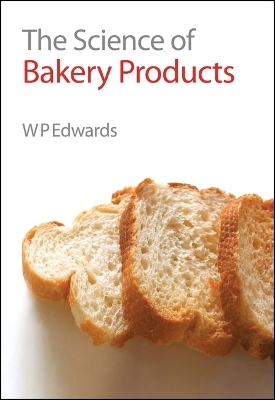
Science of Bakery Products
Royal Society of Chemistry (Verlag)
978-0-85404-486-3 (ISBN)
Chapter 1: Introduction;
1.1: History;
1.2: Language and Units;
1.3: Food Law;
1.3.1:Bread and Food Law;
1.3.2: Health and Safety;
Chapter 2: Science;
2.1: Basic Science;
2.1.1: Stability;
2.1.2: Water Activity;
2.1.3: The Equilibrium Relative Humidity;
2.1.4: The Dew Point;
2.2: Colligative Properties;
2.2.1: Boiling Points;
2.2.2: Measuring Vacuum;
2.3: pH;
2.4: Polarimetry;
2.5: The Maillard Reaction;
2.5.1: Sulfur-containing Amino Acids;
2.5.2: Products from Proline;
2.5.3: Strecker Aldehydes;
2.6: Densimetry;
2.7: Refractive Index;
2.8: Buffers;
2.9: Analytical Chemistry;
2.9.1: Water Content;
2.9.2: Sugar Analysis;
2.10: Emulsions;
2.11: The Chemistry of Oils and Fats;
2.11: Classifications of Fatty Acids;
2.11.2: The Hydrogenation of Fats and Oils;
2.11.3: Fat Specifications;
2.11.4: Deterioration of Fats;
2.12: Water Migration;
2.12.1: Barrier Methods;
2.12: Matching the Water Activity;
2.13;
The Science of Proteins;
2.13.1: History;
2.13.2: Classification of Cereal Proteins;
2.13.3: Glutenins;
2.14: The Science of Starch;
2.14.1: Gelatinization;
2.14.2: Retrogradation;
2.14.3: Starch Molecules;
2.14.4: A Comparison of the Structure of Amylose and Amylopectin;
2.14.5: Modified Starches;
2.15: Nutrition;
2.15.1: Nutritional Needs;
2.15.2: Food Groups;
2.15.3: The Glycemic;
Index: 2.15.4:Trace Elements;
2.15.5: Vitamins;
2.15.6: Nutritional Labelling;
2.16: Food Allergy and Intolerance;
2.16.1: Immunoglobulin E (IgE)-mediated Food Allergies;
2.16.2: Cell-mediated Food Allergies;
2.16.3: Food Intolerance;
2.17: The Science of Aerated Products;
2.17.1: Making the Bubbles or Leavening;
2.17.2: Stabilising the Foam;
2.17.3: Fat in Bread;
Chapter 3: Raw Materials;
3.1: Grains;
3.1.1: Wheat;
3.1.2: Barley;
3.1.3: Rye;
3.1.4: Maize;
3.1.5: Dried Gluten;
3.1.6: Soy Beans;
3.1.7: Margarine;
3.2: Milling;
3.3: Grades of Flour;
3.3.1;
Top Grade;
3.3.2: Baker's Grade;
3.3.3: Baker's Grade;
3.3.4: Euro Baker's Grade;
3.4: Types of Flour;
3.4.1: Chorleywood Bread Flour;
3.4.2: Patent Flours;
3.4.3: Soft Flours;
3.4.4: Wholemeal Flours;
3.4.5: Brown Flour;
3.4.6: Low Moisture Flour;
3.5: Leavening Agents ;
3.5.1: Air;
3.5.2: Water or Steam;
3.5.3 Yeast;
3.5.4: Chemical Leavening;
3.6: Flour Treatments;
3.6.1: Introduction;
3.6.2: Wholemeal Flour;
3.6.3: Bleaching;
3.6.4: Oxidative Improvers;
3.6.5: Reducing Agents;
3.6.6: Cake Flours;
3.6.7: Sources of Enzymes;
3.6.8: Potassium Bromate Health and Legislation;
3.7: Starch Excluding Flour;
3.8: Fats;
3.8.1: Fat-containing Ingredients;
3.8.2: Emulsifiers in Bread;
3.9: Emulsifiers;
3.9.1: Foams;
3.9.2: Lecithin;
3.9.3: Sucrose Esters E473;
3.9.4: Eggs;
3.9.5: Uses of Emulsifiers in Bakery Products;
3.10: Colours;
3.10.1: Technical Requirements of Colours in Bakery Products;
3.10.2: Synthetic Colours;
3.10.3: Natural Colours;
3.11: Falvours;
3.11.1: Natural Flavours;
3.11.2: The Image of Natural Products;
3.11.3: Nature Identical Flavourings;
3.11.4: Synthetic Flavours;
3.11.5: Dosing;
3.11.6: Developments in Flavours;
3.12 Antioxidants;
3.12.1: Synthetic Antioxidants;
3.12.2: Tocopherols;
3.13: Sugars;
3.13.1: Molasses and Treacle;
3.13.2: Invert Sugar;
3.13.3: Glucose Syrup (Corn Syrup);
3.13.4: Fructose;
3.13.5: Dextrose;
3.13.6: Lactose;
3.14: Dairy Ingredients;
3.14.1: Sweetened Condensed Milk;
3.14.2: Evaporated Milk (Unsweetened Condensed Milk);
3.14.3: Milk Powder;
3.14.4: Butter;
3.14.5: Butter Oil (Anhydrous Milk Fat);
3.14.6: Whey;
3.14.7: Vegetable Fats;
3.15: Gums and Gelling Agents or Hydrocolloids 3.15.1: Agar Agar E406;
3.15.2: Alginates E401;
3.15.3: Carrageenan;
3.15.4: Gelatine;
3.15.5: Gellan Gum (E418);
3.15.6: Gum Acacia also known as Gum Arabic E414;
3.15.7: Guar Gum;
3.15.8: Pectin;
3.15.9: Starch;
3.15.10: Locust Bean or Carob Bean Gum;
3.15.11: Xanthan Gum;
3.15.12: Egg Albumen;
Chapter 4: Analytical Chemistry;
4.1: Introduction;
4.2: Methods;
4.2.1: The Kjeldahl Method;
4.2.2: Near-infrared Spectroscopy;
4.2.3: Water Measurement: Fat Content;
4.2.4: Chromatography;
Chapter 5: Flour Testing;
5.1: Introduction;
5.1.1: Analytical tests;
5.1.2: Empirical tests;
5.1.3: Test Baking;
5.2: Empirical Testing Regimes;
5.2.1: The Haberg Falling Number;
5.2.2: Chopin Alveograph;
5.2.3: Brabender Instruments;
5.2.4: The Mixograph;
5.2.5: The Grade Colour;
5.2.6: The Sodium Dodecyl Sulfate (SDS) Test;
5.2.7: The Cookie Flour Test;
Chapter 6: Bakery Machinery;
6.1: Introduction;
6.2: Mixing;
6.2.1: Bread Dough Mixers;
6.2.2: Biscuit Dough Mixers;
6.2.3: Cake Mixers;
6.2.4: Pastry Mixers;
6.3: Measuring and Weighing Ingredients;
6.4: Proving and Retarding;
6.5: Shaping and Panning;
6.6: Scaling;
6.7: Baking;
6.8: Extrusion;
6.8.1: Classification of Extruders;
6.8.2: Extrusion Cooking;
Chapter 7: Bread Making;
7.1: The Chemistry of Dough Development;
7.2: The Making of Bread;
7.2.1: Unleavened Bread;
7.2.2: Sour Dough Bread;
7.2.3: Bulk Fermentation;
7.2.4: Sponge Batter or Sponge Dough of Flour Brew;
7.2.5: Chorleywood Bread Process;
7.2.6: Activated Dough Development (ADD);
7.2.7: The Spiral Mixer Process;
7.2.8:Other Mechanical Dough Developments Methods;
7.2.9: Continuous Processes;
7.2.10: Emergency No Time Process;
7.2.11: Gas Injection Process;
7.2.12: Part-baked Loaves;
7.2.13: French Bread;
7.3: Other Breads;
7.3.1: Brown and Wholemeal;
7.3.2: Wheatgerm Breads;
7.3.3: High Protein Breads;
7.3.4: High Fibre and Multi-grain Breads;
7.3.5: Soft Grain Breads;
7.3.6: Ethnic Multigrain Breads;
7.3.7: Slimming and Health High Fibre Breads;
7.3.8: Bread with Added Malt Grains;
7.3.9: Bread Containing Cereals other than Wheat;
7.3.10 Crispbread;
7.3.11: Bread for Special Dietry Needs;
7.3.12: War and famine Breads;
7.4: Other Variants of Bread;
7.4.1: Flat Breads;
7.4.2: Pitta Bread;
7.4.3: Muffins;
7.4.4: Crumpets;
7.4.5: Pizza;
7.4.7: Rich Dough Products;
7.4.8: Hot Cross Buns;
7.4.9: Danish Pastries;
7.4.10: Pretzels;
7.4.11: Not Baked;
Chapter 8: Products Other Than Bread;
8.1: Puff Pastry;
8.1.1: Methods;
8.1.2: Types of Flour;
8.1.3: The Type of Fat;
8.1.4: Additives;
8.1.5: Re-work;
8.2: Short Pastry;
8.3: Hot Water Pastry;
8.4: Science of Biscuits;
8.4.1: Flour for Biscuits;
8.4.2: Fats;
8.4.3: Sugars;
8.4.4: Milk and Other Dairy Ingredients;
8.4.5: Other Cereal Ingredients;
8.4.6: Mixing Biscuits;
8.4.7: Types of Dough;
8.4.8: Shaping Biscuits;
8.4.9: Baking Biscuits;
8.4.10: Packaging;
8.5: Science of Wafers;
8.5.1: Raising Agents;
8.5.2: Flour for Wafers;
8.5.3: Production Process;
8.5.4: Maturing Wafers;
8.6: Cakes;
8.6.1: Introdcution;
8.6.2: Shelf Life;
8.6.3: Rich Fruit Cakes;
8.6.4: Long-life Sponge cakes;
8.6.5: Making Sponge Cakes;
8.6.6: A Comparison of Cake Making Methods;
8.7: Miscellaneous Chemically Leavened Products;
8.7.1: Doughnuts;
8.7.2: Eclairs;
8.7.3: French Crullers;
8.7.4: Soda Bread;
Chapter 9: Bread-making Experiments;
9.1: Introduction;
9.2: Health and Safety;
9.3: Yield;
9.4: Loaf testing;
9.4.1: Tasting;
9.5: Bread making;
9.5.1: Recipe;
9.5.2: Straight Method;
9.5.3: Proving;
9.5.4: Knock Back;
9.5.5: Scaling and Dividing;
9.5.6: Second Proving;
9.5.7: Baking;
9.6: Sponge Batter;
9.6.1;
Proving;
9.7: Variations to the Recipe;
9.7.1: Variation 1: Compare the Effect of Leaving out the Sugar;
9.7.2: Variation 2: Compare the Effect of Using Vegetable Oil Instead of Hard Fat;
9.7.3: Variation 3: Compare the Effect of Using No Fat Instead of Hard Fat;
9.7.4: Variation 4 Leave Out the Salt;
9.7.5 Variation 5: Proving in the Sponge Batter Method;
9.7.6: Variation 6: Hand Mixing vs Machine Mixing;
9.7.7: Variation 7: Comparison of Two Different Flours;
9.7.8: Variation 8: Testing Different Levels of Water Addition;
9.7.9: Variation 9: Wholemeal Flours;
9.8: Report Writing;
Chapter 10: The Future;
10.1: General Outlook;
10.2: Dietary Trends;
Glossary;
Bibliography;
Subject Index
| Erscheint lt. Verlag | 1.6.2007 |
|---|---|
| Verlagsort | Cambridge |
| Sprache | englisch |
| Maße | 152 x 228 mm |
| Gewicht | 374 g |
| Themenwelt | Technik ► Lebensmitteltechnologie |
| ISBN-10 | 0-85404-486-8 / 0854044868 |
| ISBN-13 | 978-0-85404-486-3 / 9780854044863 |
| Zustand | Neuware |
| Informationen gemäß Produktsicherheitsverordnung (GPSR) | |
| Haben Sie eine Frage zum Produkt? |
aus dem Bereich