


A New Approach to Conservation
The Importance of the Individual through Wildlife Rehabilitation
Seiten
2018
Routledge (Verlag)
9781138618701 (ISBN)
Routledge (Verlag)
9781138618701 (ISBN)
This book examines the concepts of 'rarity' and 'nativity' respectively, in order to determine their proper place in the conservation rationale. It addresses the potential tension between the call for wildness and the intensive management characteristic of wildlife rehabilitation practice.
Conservationists assume a set of underlying values which guide their decision-making and action. The safeguarding or promotion of biodiversity, it is believed, is the means by which nature is best protected. This book examines - and challenges - these general conservation assumptions. While reinforcing the need to halt extinction and value biodiversity, it shows that biodiversity needs to be more clearly understood, perhaps being replaced by the notion of 'wildness'. It examines how biodiversity is a holistic term, and how individual species need to be assessed and their own contribution to 'wildness' has to be recognized. The book proposes a new way of conservation - one which makes more room for neglected, rather than endangered or rare species. It also asserts that 'wildness' is not incompatible with certain kinds of human intervention.
Conservationists assume a set of underlying values which guide their decision-making and action. The safeguarding or promotion of biodiversity, it is believed, is the means by which nature is best protected. This book examines - and challenges - these general conservation assumptions. While reinforcing the need to halt extinction and value biodiversity, it shows that biodiversity needs to be more clearly understood, perhaps being replaced by the notion of 'wildness'. It examines how biodiversity is a holistic term, and how individual species need to be assessed and their own contribution to 'wildness' has to be recognized. The book proposes a new way of conservation - one which makes more room for neglected, rather than endangered or rare species. It also asserts that 'wildness' is not incompatible with certain kinds of human intervention.
Gill Aitken
Contents: Part I: Exploring Conservation's Basic Assumptions: Extinction; Rarity; Nativity. Part II: The Conservationist's Role Redefined: Humans and nature: is conservation meaningful?; How is nature to be safeguarded? Conservationist, custodian of wildness. Part III: A New Emphasis in Conservation: The problem with species: reviewing units of importance; Wildlife rehabilitation as conservation strategy?; Conservation and individual worth; compatibility: problems and answers. Part IV: The Upshot; Implications for Action: Managing wildness?; The new conservation; Bibliography; Index.
| Erscheinungsdatum | 26.07.2019 |
|---|---|
| Verlagsort | London |
| Sprache | englisch |
| Maße | 152 x 229 mm |
| Gewicht | 400 g |
| Themenwelt | Naturwissenschaften ► Biologie ► Ökologie / Naturschutz |
| Technik ► Umwelttechnik / Biotechnologie | |
| ISBN-13 | 9781138618701 / 9781138618701 |
| Zustand | Neuware |
| Informationen gemäß Produktsicherheitsverordnung (GPSR) | |
| Haben Sie eine Frage zum Produkt? |
Mehr entdecken
aus dem Bereich

aus dem Bereich
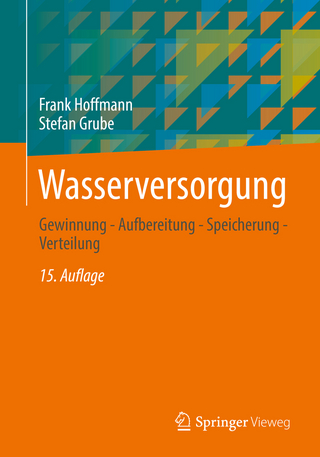
Gewinnung - Aufbereitung - Speicherung - Verteilung
Buch | Softcover (2022)
Springer Vieweg (Verlag)
CHF 55,95
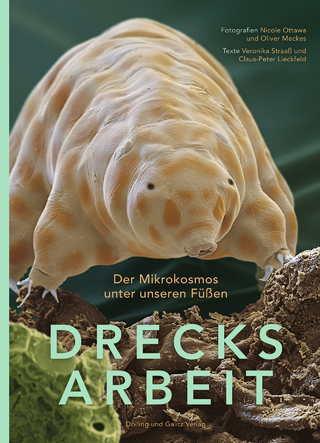
das Leben unter unseren Füßen
Buch | Hardcover (2024)
Dölling und Galitz (Verlag)
CHF 44,90
Methoden – Lösungen – Anwendungen
Buch | Hardcover (2025)
Hanser (Verlag)
CHF 69,95


