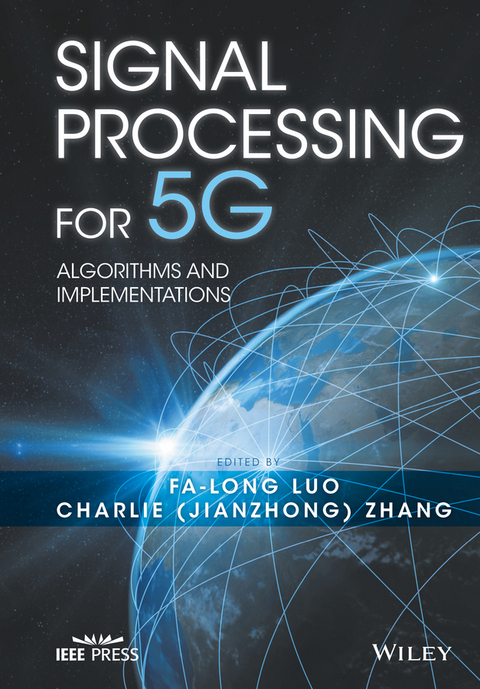
Signal Processing for 5G (eBook)
John Wiley & Sons (Verlag)
978-1-119-11647-9 (ISBN)
A comprehensive and invaluable guide to 5G technology, implementation and practice in one single volume. For all things 5G, this book is a must-read.
Signal processing techniques have played the most important role in wireless communications since the second generation of cellular systems. It is anticipated that new techniques employed in 5G wireless networks will not only improve peak service rates significantly, but also enhance capacity, coverage, reliability , low-latency, efficiency, flexibility, compatibility and convergence to meet the increasing demands imposed by applications such as big data, cloud service, machine-to-machine (M2M) and mission-critical communications.
This book is a comprehensive and detailed guide to all signal processing techniques employed in 5G wireless networks. Uniquely organized into four categories, New Modulation and Coding, New Spatial Processing, New Spectrum Opportunities and New System-level Enabling Technologies, it covers everything from network architecture, physical-layer (down-link and up-link), protocols and air interface, to cell acquisition, scheduling and rate adaption, access procedures and relaying to spectrum allocations. All technology aspects and major roadmaps of global 5G standard development and deployments are included in the book.
Key Features:
- Offers step-by-step guidance on bringing 5G technology into practice, by applying algorithms and design methodology to real-time circuit implementation, taking into account rapidly growing applications that have multi-standards and multi-systems.
- Addresses spatial signal processing for 5G, in particular massive multiple-input multiple-output (massive-MIMO), FD-MIMO and 3D-MIMO along with orbital angular momentum multiplexing, 3D beamforming and diversity.
- Provides detailed algorithms and implementations, and compares all multicarrier modulation and multiple access schemes that offer superior data transmission performance including FBMC, GFDM, F-OFDM, UFMC, SEFDM, FTN, MUSA, SCMA and NOMA.
- Demonstrates the translation of signal processing theories into practical solutions for new spectrum opportunities in terms of millimeter wave, full-duplex transmission and license assisted access.
- Presents well-designed implementation examples, from individual function block to system level for effective and accurate learning.
- Covers signal processing aspects of emerging system and network architectures, including ultra-dense networks (UDN), software-defined networks (SDN), device-to-device (D2D) communications and cloud radio access network (C-RAN).
Fa-Long Luo, Element CXI, San Jose, California
Dr. Fa-Long Luo is an IEEE Fellow and the Chief Scientist of two leading international companies, headquartered in Silicon Valley, dealing with software-defined radio and wireless multimedia. He is also an Affiliate Full Professor at the University of Washington. From 2007 to 2011, he was the founding editor-in-chief of the International Journal of Digital Multimedia Broadcasting. From 2011 to 2012, he was the chairman of the IEEE Industry DSP Standing Committee and technical board member of the IEEE Signal Processing Society. He is now associate editor of the IEEE Access and IEEE Internet of Things Journal. He has 33 years of research and industry experience in signal processing, multimedia, communication and broadcasting with real-time implementation, applications and standardization and has gained international recognition. He has published 5 books, more than 100 technical papers, and has 18 patents in these fields. He was awarded the Fellowship by the Alexander von Humboldt Foundation of Germany.
Charlie (Jianzhong) Zhang, Samsung Research America, USA
Charlie (Jianzhong) Zhang is Vice President and head of the Standards and Research Lab with Samsung Research America at Dallas, where he leads research and standard efforts for 5G cellular systems and next generation multimedia networks. From Aug 2009 to Aug 2013, he served as the Vice Chairman of 3GPP RAN1 working group and led development of LTE and LTE-Advanced technologies such as 3D channel modeling, UL-MIMO and CoMP, Carrier Aggregation for TD-LTE, etc. Before joining Samsung, he was with Motorola from 2006 to 2007 working on 3GPP HSPA standards, and with Nokia Research Center from 2001 to 2006 working on IEEE 802.16e (WiMAX) standard and EDGE/CDMA algorithms. He received his Ph.D. degree from the University of Wisconsin, Madison. Dr. Zhang is also an IEEE Fellow.
A comprehensive and invaluable guide to 5G technology, implementation and practice in one single volume. For all things 5G, this book is a must-read. Signal processing techniques have played the most important role in wireless communications since the second generation of cellular systems. It is anticipated that new techniques employed in 5G wireless networks will not only improve peak service rates significantly, but also enhance capacity, coverage, reliability , low-latency, efficiency, flexibility, compatibility and convergence to meet the increasing demands imposed by applications such as big data, cloud service, machine-to-machine (M2M) and mission-critical communications. This book is a comprehensive and detailed guide to all signal processing techniques employed in 5G wireless networks. Uniquely organized into four categories, New Modulation and Coding, New Spatial Processing, New Spectrum Opportunities and New System-level Enabling Technologies, it covers everything from network architecture, physical-layer (down-link and up-link), protocols and air interface, to cell acquisition, scheduling and rate adaption, access procedures and relaying to spectrum allocations. All technology aspects and major roadmaps of global 5G standard development and deployments are included in the book. Key Features: Offers step-by-step guidance on bringing 5G technology into practice, by applying algorithms and design methodology to real-time circuit implementation, taking into account rapidly growing applications that have multi-standards and multi-systems. Addresses spatial signal processing for 5G, in particular massive multiple-input multiple-output (massive-MIMO), FD-MIMO and 3D-MIMO along with orbital angular momentum multiplexing, 3D beamforming and diversity. Provides detailed algorithms and implementations, and compares all multicarrier modulation and multiple access schemes that offer superior data transmission performance including FBMC, GFDM, F-OFDM, UFMC, SEFDM, FTN, MUSA, SCMA and NOMA. Demonstrates the translation of signal processing theories into practical solutions for new spectrum opportunities in terms of millimeter wave, full-duplex transmission and license assisted access. Presents well-designed implementation examples, from individual function block to system level for effective and accurate learning. Covers signal processing aspects of emerging system and network architectures, including ultra-dense networks (UDN), software-defined networks (SDN), device-to-device (D2D) communications and cloud radio access network (C-RAN).
Fa-Long Luo, Element CXI, San Jose, California Dr. Fa-Long Luo is an IEEE Fellow and the Chief Scientist of two leading international companies, headquartered in Silicon Valley, dealing with software-defined radio and wireless multimedia. He is also an Affiliate Full Professor at the University of Washington. From 2007 to 2011, he was the founding editor-in-chief of the International Journal of Digital Multimedia Broadcasting. From 2011 to 2012, he was the chairman of the IEEE Industry DSP Standing Committee and technical board member of the IEEE Signal Processing Society. He is now associate editor of the IEEE Access and IEEE Internet of Things Journal. He has 33 years of research and industry experience in signal processing, multimedia, communication and broadcasting with real-time implementation, applications and standardization and has gained international recognition. He has published 5 books, more than 100 technical papers, and has 18 patents in these fields. He was awarded the Fellowship by the Alexander von Humboldt Foundation of Germany. Charlie (Jianzhong) Zhang, Samsung Research America, USA Charlie (Jianzhong) Zhang is Vice President and head of the Standards and Research Lab with Samsung Research America at Dallas, where he leads research and standard efforts for 5G cellular systems and next generation multimedia networks. From Aug 2009 to Aug 2013, he served as the Vice Chairman of 3GPP RAN1 working group and led development of LTE and LTE-Advanced technologies such as 3D channel modeling, UL-MIMO and CoMP, Carrier Aggregation for TD-LTE, etc. Before joining Samsung, he was with Motorola from 2006 to 2007 working on 3GPP HSPA standards, and with Nokia Research Center from 2001 to 2006 working on IEEE 802.16e (WiMAX) standard and EDGE/CDMA algorithms. He received his Ph.D. degree from the University of Wisconsin, Madison. Dr. Zhang is also an IEEE Fellow.
Cover???????????????????????? 1
Title Page?????????????????????????????????? 5
Copyright???????????????????????????????? 6
Contents?????????????????????????????? 7
Preface???????????????????????????? 19
List of Contributors?????????????????????????????????????????????????????? 27
Part I Modulation, Coding and Waveform for 5G 31
Chapter 1 An Introduction to Modulations and Waveforms for 5G Networks?????????????????????????????????????????????????????????????????????????????????????????????????????????????????????????????????????????????????????????? 33
1.1 Motivation and Background???????????????????????????????????????????????????????????????????????? 33
1.1.1 The LTE Solution: OFDM and SC-FDMA?????????????????????????????????????????????????????????????????????????????????????????????? 36
1.2 New Modulation Formats: FBMC, GFDM, BFDM, UFMC and TFP?????????????????????????????????????????????????????????????????????????????????????????????????????????????????????????????????? 37
1.2.1 Filter-bank Multicarrier?????????????????????????????????????????????????????????????????????????? 37
1.2.2 Generalized Frequency Division Multiplexing???????????????????????????????????????????????????????????????????????????????????????????????????????????????? 40
1.2.3 Bi-orthogonal Frequency Division Multiplexing???????????????????????????????????????????????????????????????????????????????????????????????????????????????????? 43
1.2.4 Universal Filtered Multicarrier???????????????????????????????????????????????????????????????????????????????????????? 44
1.2.5 Time-frequency Packing?????????????????????????????????????????????????????????????????????? 45
1.2.6 Single-carrier Schemes?????????????????????????????????????????????????????????????????????? 48
1.3 Waveform Choice???????????????????????????????????????????????????? 49
1.4 Discussion and Concluding Remarks???????????????????????????????????????????????????????????????????????????????????????? 50
References?????????????????????????????????? 52
Chapter 2 Faster-than-Nyquist Signaling for 5G Communication?????????????????????????????????????????????????????????????????????????????????????????????????????????????????????????????????????? 54
2.1 Introduction to FTN Signaling???????????????????????????????????????????????????????????????????????????????? 55
2.1.1 Definition of FTN: FTN from Detection Theory?????????????????????????????????????????????????????????????????????????????????????????????????????????????????? 56
2.1.2 The Shannon Limit for FTN???????????????????????????????????????????????????????????????????????????? 61
2.1.3 Summary???????????????????????????????????????? 62
2.2 Time FTN: Receivers and Performance???????????????????????????????????????????????????????????????????????????????????????????? 62
2.2.1 The BCJR Algorithm and Iterative Decoding???????????????????????????????????????????????????????????????????????????????????????????????????????????? 63
2.2.2 Binary Coded FTN Performance?????????????????????????????????????????????????????????????????????????????????? 66
2.2.3 Four-level Coded FTN?????????????????????????????????????????????????????????????????? 68
2.2.4 Summary???????????????????????????????????????? 71
2.3 Frequency FTN Signaling???????????????????????????????????????????????????????????????????? 71
2.3.1 Definition of Frequency FTN???????????????????????????????????????????????????????????????????????????????? 71
2.3.2 Implementation of Frequency FTN???????????????????????????????????????????????????????????????????????????????????????? 74
2.3.3 Summary???????????????????????????????????????? 74
2.4 Summary of the Chapter?????????????????????????????????????????????????????????????????? 75
References?????????????????????????????????? 76
Chapter 3 From OFDM to FBMC: Principles and Comparisons???????????????????????????????????????????????????????????????????????????????????????????????????????????????????????????? 77
3.1 Introduction?????????????????????????????????????????????? 77
3.2 The Filter Bank???????????????????????????????????????????????????? 79
3.2.1 The Synthesis Filters???????????????????????????????????????????????????????????????????? 79
3.2.2 The Analysis Filters?????????????????????????????????????????????????????????????????? 81
3.3 Polyphase Implementation?????????????????????????????????????????????????????????????????????? 83
3.4 OFDM?????????????????????????????? 85
3.4.1 Cyclic Prefix???????????????????????????????????????????????????? 86
3.4.2 Guard Band?????????????????????????????????????????????? 90
3.5 FBMC?????????????????????????????? 91
3.6 Comparison of FBMC and Filtered OFDM?????????????????????????????????????????????????????????????????????????????????????????????? 92
3.6.1 Classical Approaches to Sidelobe Suppression?????????????????????????????????????????????????????????????????????????????????????????????????????????????????? 93
3.6.2 Performance???????????????????????????????????????????????? 94
3.6.3 Complexity?????????????????????????????????????????????? 95
3.7 Conclusion?????????????????????????????????????????? 95
References?????????????????????????????????? 96
Chapter 4 Filter Bank Multicarrier for Massive MIMO???????????????????????????????????????????????????????????????????????????????????????????????????????????????????? 97
4.1 System Model and FBMC Formulation in Massive MIMO???????????????????????????????????????????????????????????????????????????????????????????????????????????????????????? 99
4.1.1 Polyphase-based CMT in Massive MIMO???????????????????????????????????????????????????????????????????????????????????????????????? 99
4.1.2 FS-based CMT in Massive MIMO?????????????????????????????????????????????????????????????????????????????????? 102
4.2 Self-equalization Property of FBMC in Massive MIMO?????????????????????????????????????????????????????????????????????????????????????????????????????????????????????????? 104
4.2.1 Numerical Study of Polyphase-based CMT in a Massive MIMO Channel?????????????????????????????????????????????????????????????????????????????????????????????????????????????????????????????????????????????????????????? 105
4.2.2 Numerical Study of FS-based CMT in a Massive MIMO Channel???????????????????????????????????????????????????????????????????????????????????????????????????????????????????????????????????????????? 109
4.3 Comparison with OFDM?????????????????????????????????????????????????????????????? 110
4.4 Blind Equalization and Pilot Decontamination?????????????????????????????????????????????????????????????????????????????????????????????????????????????? 112
4.4.1 Simulation Results?????????????????????????????????????????????????????????????? 115
4.5 Conclusion?????????????????????????????????????????? 117
References?????????????????????????????????? 118
Chapter 5 Bandwidth-compressed Multicarrier Communication: SEFDM?????????????????????????????????????????????????????????????????????????????????????????????????????????????????????????????????????????????? 120
5.1 Introduction?????????????????????????????????????????????? 121
5.2 SEFDM Fundamentals?????????????????????????????????????????????????????????? 123
5.2.1 The Principle of SEFDM?????????????????????????????????????????????????????????????????????? 123
5.2.2 Generation of SEFDM Signals???????????????????????????????????????????????????????????????????????????????? 125
5.2.3 Detection of SEFDM Signals?????????????????????????????????????????????????????????????????????????????? 127
5.3 Block-SEFDM???????????????????????????????????????????? 127
5.3.1 Principle of Block-SEFDM?????????????????????????????????????????????????????????????????????????? 127
5.3.2 Two-stage Signal Detection?????????????????????????????????????????????????????????????????????????????? 128
5.4 Turbo-SEFDM???????????????????????????????????????????? 132
5.4.1 Principle of Turbo-SEFDM?????????????????????????????????????????????????????????????????????????? 132
5.4.2 Soft Detection?????????????????????????????????????????????????????? 133
5.5 Practical Considerations and Experimental Demonstration???????????????????????????????????????????????????????????????????????????????????????????????????????????????????????????????????? 136
5.5.1 Channel Estimation?????????????????????????????????????????????????????????????? 136
5.5.2 Experimental Demonstration?????????????????????????????????????????????????????????????????????????????? 139
5.6 Summary???????????????????????????????????? 142
References?????????????????????????????????? 142
Chapter 6 Non-orthogonal Multi-User Superposition and Shared Access???????????????????????????????????????????????????????????????????????????????????????????????????????????????????????????????????????????????????? 145
6.1 Introduction?????????????????????????????????????????????? 145
6.2 Basic Principles and Features of Non-orthogonal Multi-user Access???????????????????????????????????????????????????????????????????????????????????????????????????????????????????????????????????????????????????????? 146
6.2.1 Non-orthogonal Multi-user Superposition for Improved Spectral Efficiency?????????????????????????????????????????????????????????????????????????????????????????????????????????????????????????????????????????????????????????????????????????? 147
6.2.2 Non-orthogonal Multi-user Access for Massive Connectivity???????????????????????????????????????????????????????????????????????????????????????????????????????????????????????????????????????????? 149
6.3 Downlink Non-orthogonal Multi-user Transmission???????????????????????????????????????????????????????????????????????????????????????????????????????????????????? 151
6.3.1 Direct Superposition without Gray Mapping???????????????????????????????????????????????????????????????????????????????????????????????????????????? 151
6.3.2 Superposition with Gray Mapping???????????????????????????????????????????????????????????????????????????????????????? 151
6.4 Uplink Non-orthogonal Multi-user Access???????????????????????????????????????????????????????????????????????????????????????????????????? 159
6.4.1 LDS-CDMA/OFDM???????????????????????????????????????????????????? 159
6.4.2 SCMA?????????????????????????????????? 161
6.4.3 MUSA?????????????????????????????????? 162
6.4.4 PDMA?????????????????????????????????? 168
6.5 Summary and Future Work???????????????????????????????????????????????????????????????????? 170
References?????????????????????????????????? 172
Chapter 7 Non-Orthogonal Multiple Access (NOMA): Concept and Design???????????????????????????????????????????????????????????????????????????????????????????????????????????????????????????????????????????????????? 173
7.1 Introduction?????????????????????????????????????????????? 173
7.2 Concept???????????????????????????????????? 175
7.2.1 Downlink NOMA???????????????????????????????????????????????????? 175
7.2.2 Uplink NOMA???????????????????????????????????????????????? 177
7.3 Benefits and Motivations?????????????????????????????????????????????????????????????????????? 178
7.4 Interface Design?????????????????????????????????????????????????????? 180
7.4.1 Downlink NOMA???????????????????????????????????????????????????? 180
7.4.2 Uplink NOMA???????????????????????????????????????????????? 181
7.5 MIMO Support?????????????????????????????????????????????? 183
7.5.1 Downlink NOMA???????????????????????????????????????????????????? 183
7.5.2 Uplink NOMA???????????????????????????????????????????????? 186
7.6 Performance Evaluations???????????????????????????????????????????????????????????????????? 187
7.6.1 Downlink NOMA???????????????????????????????????????????????????? 187
7.6.2 Uplink NOMA???????????????????????????????????????????????? 193
7.7 Conclusion?????????????????????????????????????????? 196
References?????????????????????????????????? 197
Chapter 8 Major 5G Waveform Candidates: Overview and Comparison???????????????????????????????????????????????????????????????????????????????????????????????????????????????????????????????????????????? 199
8.1 Why We Need New Waveforms???????????????????????????????????????????????????????????????????????? 200
8.2 Major Multicarrier Modulation Candidates?????????????????????????????????????????????????????????????????????????????????????????????????????? 201
8.2.1 CP-OFDM Modulation?????????????????????????????????????????????????????????????? 201
8.2.2 Subcarrier Filtered MCM using Linear Convolution?????????????????????????????????????????????????????????????????????????????????????????????????????????????????????????? 202
8.2.3 Subcarrier Filtered MCM using Circular Convolution?????????????????????????????????????????????????????????????????????????????????????????????????????????????????????????????? 204
8.2.4 Subband Filtered MCM?????????????????????????????????????????????????????????????????? 207
8.3 High-level Comparison???????????????????????????????????????????????????????????????? 208
8.3.1 Spectral Efficiency???????????????????????????????????????????????????????????????? 209
8.3.2 Tail Issue?????????????????????????????????????????????? 210
8.3.3 Spectrum Confinement?????????????????????????????????????????????????????????????????? 211
8.3.4 Mobility?????????????????????????????????????????? 212
8.3.5 Latency???????????????????????????????????????? 212
8.3.6 Modem Complexity?????????????????????????????????????????????????????????? 212
8.3.7 Compatibility with LTE?????????????????????????????????????????????????????????????????????? 213
8.4 Conclusion?????????????????????????????????????????? 214
List of acronyms?????????????????????????????????????????????? 215
References?????????????????????????????????? 216
Part II New Spatial Signal Processing for 5G 219
Chapter 9 Massive MIMO for 5G: Theory, Implementation and Prototyping???????????????????????????????????????????????????????????????????????????????????????????????????????????????????????????????????????????????????????? 221
9.1 Introduction?????????????????????????????????????????????? 222
9.2 Massive MIMO Theory???????????????????????????????????????????????????????????? 224
9.2.1 Downlink?????????????????????????????????????????? 224
9.2.2 Linear Precoding Schemes?????????????????????????????????????????????????????????????????????????? 225
9.2.3 Uplink?????????????????????????????????????? 226
9.2.4 Linear Detection Schemes?????????????????????????????????????????????????????????????????????????? 226
9.2.5 Channel Estimation?????????????????????????????????????????????????????????????? 227
9.3 Massive MIMO Channels???????????????????????????????????????????????????????????????? 229
9.3.1 Existing Conventional MIMO Models???????????????????????????????????????????????????????????????????????????????????????????? 230
9.3.2 Necessary Model Extensions?????????????????????????????????????????????????????????????????????????????? 231
9.3.3 A Massive MIMO Extension of the COST 2100 Channel Model???????????????????????????????????????????????????????????????????????????????????????????????????????????????????????????????????????? 232
9.4 Massive MIMO Implementation???????????????????????????????????????????????????????????????????????????? 234
9.4.1 Antennas and Analog Front-ends?????????????????????????????????????????????????????????????????????????????????????? 234
9.4.2 Baseband Processing???????????????????????????????????????????????????????????????? 239
9.4.3 Prototyping???????????????????????????????????????????????? 242
9.4.4 Deployment Scenarios?????????????????????????????????????????????????????????????????? 243
9.5 Testbed Design?????????????????????????????????????????????????? 244
9.5.1 Hierarchical Overview???????????????????????????????????????????????????????????????????? 246
9.5.2 Streaming IO Rates?????????????????????????????????????????????????????????????? 249
9.5.3 Architecture and Functional Partitioning?????????????????????????????????????????????????????????????????????????????????????????????????????????? 250
9.5.4 Antenna Array???????????????????????????????????????????????????? 253
9.5.5 Mechanical Structure and Electrical Characteristics of LuMaMi Testbed???????????????????????????????????????????????????????????????????????????????????????????????????????????????????????????????????????????????????????????????????? 253
9.6 Synchronization???????????????????????????????????????????????????? 254
9.6.1 Types of Synchronization?????????????????????????????????????????????????????????????????????????? 254
9.7 Future Challenges and Conclusion?????????????????????????????????????????????????????????????????????????????????????? 257
Acknowledgments???????????????????????????????????????????? 258
References?????????????????????????????????? 258
Chapter 10 Millimeter-Wave MIMO Transceivers: Theory, Design and Implementation???????????????????????????????????????????????????????????????????????????????????????????????????????????????????????????????????????????????????????????????????????????? 261
10.1 Introduction???????????????????????????????????????????????? 262
10.1.1 Millimeter-Wave MIMO Technology: Background and Promise?????????????????????????????????????????????????????????????????????????????????????????????????????????????????????????????????????????? 263
10.1.2 Organization???????????????????????????????????????????????????? 265
10.2 Overview of Millimeter-Wave MIMO Transceiver Architectures???????????????????????????????????????????????????????????????????????????????????????????????????????????????????????????????????????????? 265
10.3 Point-to-Point Single-User Systems???????????????????????????????????????????????????????????????????????????????????????????? 267
10.3.1 Sampled MIMO System Representation???????????????????????????????????????????????????????????????????????????????????????????????? 267
10.3.2 Beamspace MIMO System Representation???????????????????????????????????????????????????????????????????????????????????????????????????? 268
10.3.3 Channel Modeling???????????????????????????????????????????????????????????? 268
10.3.4 Beam Selection: Low-dimensional Beamspace MIMO Channel???????????????????????????????????????????????????????????????????????????????????????????????????????????????????????????????????????? 270
10.3.5 Optimal Transceiver?????????????????????????????????????????????????????????????????? 271
10.3.6 Beamspace MIMO Transceivers?????????????????????????????????????????????????????????????????????????????????? 271
10.3.7 Numerical Results?????????????????????????????????????????????????????????????? 273
10.4 Point-to-Multipoint Multiuser Systems?????????????????????????????????????????????????????????????????????????????????????????????????? 273
10.4.1 Channel Model?????????????????????????????????????????????????????? 274
10.4.2 Beamspace System Model???????????????????????????????????????????????????????????????????????? 274
10.4.3 Beam Selection: Low-dimensional Channel?????????????????????????????????????????????????????????????????????????????????????????????????????????? 274
10.4.4 Multiuser Beamspace MIMO Precoders???????????????????????????????????????????????????????????????????????????????????????????????? 275
10.4.5 Numerical Results?????????????????????????????????????????????????????????????? 276
10.5 Extensions???????????????????????????????????????????? 279
10.6 Conclusion???????????????????????????????????????????? 280
References?????????????????????????????????? 281
Chapter 11 3D Propagation Channels: Modeling and Measurements???????????????????????????????????????????????????????????????????????????????????????????????????????????????????????????????????????? 284
11.1 Introduction and Motivation?????????????????????????????????????????????????????????????????????????????? 285
11.1.1 Full-dimensional MIMO?????????????????????????????????????????????????????????????????????? 285
11.1.2 Fundamental Channel Descriptions???????????????????????????????????????????????????????????????????????????????????????????? 286
11.2 Measurement Techniques???????????????????????????????????????????????????????????????????? 287
11.2.1 Basic Channel Measurement Techniques???????????????????????????????????????????????????????????????????????????????????????????????????? 287
11.2.2 MIMO Sounders?????????????????????????????????????????????????????? 287
11.2.3 Parameter Extraction Techniques?????????????????????????????????????????????????????????????????????????????????????????? 289
11.2.4 Ray Tracing?????????????????????????????????????????????????? 290
11.3 Propagation Effects?????????????????????????????????????????????????????????????? 290
11.3.1 Urban Macrocells???????????????????????????????????????????????????????????? 291
11.3.2 Outdoor-to-indoor?????????????????????????????????????????????????????????????? 291
11.4 Measurement Results?????????????????????????????????????????????????????????????? 293
11.4.1 Angular Spreads at the Mobile Station?????????????????????????????????????????????????????????????????????????????????????????????????????? 294
11.4.2 Angular Spreads at the Base Station?????????????????????????????????????????????????????????????????????????????????????????????????? 294
11.5 Channel Models???????????????????????????????????????????????????? 296
11.5.1 Fundamental Modeling Methods???????????????????????????????????????????????????????????????????????????????????? 296
11.5.2 Regular and Irregular GSCMs?????????????????????????????????????????????????????????????????????????????????? 297
11.5.3 3GPP Channel Models?????????????????????????????????????????????????????????????????? 298
11.6 Summary and Open Issues?????????????????????????????????????????????????????????????????????? 298
Acknowledgements?????????????????????????????????????????????? 299
Disclaimer?????????????????????????????????? 299
References?????????????????????????????????? 299
Chapter 12 3D-MIMO with Massive Antennas: Theory, Implementation and Testing?????????????????????????????????????????????????????????????????????????????????????????????????????????????????????????????????????????????????????????????????????? 303
12.1 Introduction???????????????????????????????????????????????? 304
12.2 Application Scenarios of 3D-MIMO with Massive Antennas???????????????????????????????????????????????????????????????????????????????????????????????????????????????????????????????????? 306
12.2.1 Macro- and Micro-coverage Scenario???????????????????????????????????????????????????????????????????????????????????????????????? 306
12.2.2 High-rise Scenario???????????????????????????????????????????????????????????????? 307
12.2.3 Indoor Scenario?????????????????????????????????????????????????????????? 307
12.3 Exploiting 3D-MIMO Gain Based on Techniques in Current Standards???????????????????????????????????????????????????????????????????????????????????????????????????????????????????????????????????????????????????????? 307
12.3.1 System Model???????????????????????????????????????????????????? 308
12.3.2 Uplink Feedback for TDD Systems with 3D-MIMO???????????????????????????????????????????????????????????????????????????????????????????????????????????????????? 309
12.3.3 Uplink Channel Estimation for Downlink Precoding???????????????????????????????????????????????????????????????????????????????????????????????????????????????????????????? 310
12.3.4 Downlink Precoding for TDD Systems with 3D-MIMO?????????????????????????????????????????????????????????????????????????????????????????????????????????????????????????? 310
12.3.5 MCS Calculation at BS by Exploiting the CQI and Channel Reciprocity?????????????????????????????????????????????????????????????????????????????????????????????????????????????????????????????????????????????????????????????????? 312
12.4 Evaluation by System-level Simulations???????????????????????????????????????????????????????????????????????????????????????????????????? 313
12.4.1 Simulation Assumptions???????????????????????????????????????????????????????????????????????? 313
12.4.2 Performance of 3D-MIMO with Massive Antennas???????????????????????????????????????????????????????????????????????????????????????????????????????????????????? 314
12.4.3 Performance Comparison of Different Antenna Structures???????????????????????????????????????????????????????????????????????????????????????????????????????????????????????????????????????? 316
12.5 Field Trials of 3D-MIMO with Massive Antennas?????????????????????????????????????????????????????????????????????????????????????????????????????????????????? 318
12.5.1 Test Performance in Anechoic Chamber???????????????????????????????????????????????????????????????????????????????????????????????????? 318
12.5.2 Field Trial in Typical Urban Micro Scenario and High-rise Scenario???????????????????????????????????????????????????????????????????????????????????????????????????????????????????????????????????????????????????????????????? 319
12.6 Achieving 3D-MIMO with Massive Antennas from Theory to Practice?????????????????????????????????????????????????????????????????????????????????????????????????????????????????????????????????????????????????????? 322
12.6.1 AAS: a Key for Commercialization of 3D-MIMO with Massive Antennas?????????????????????????????????????????????????????????????????????????????????????????????????????????????????????????????????????????????????????????????? 322
12.6.2 Mapping from Transceivers to Antenna Elements in AAS???????????????????????????????????????????????????????????????????????????????????????????????????????????????????????????????????? 323
12.7 Conclusions?????????????????????????????????????????????? 324
References?????????????????????????????????? 325
Chapter 13 Orbital Angular Momentum-based Wireless Communications: Designs and Implementations?????????????????????????????????????????????????????????????????????????????????????????????????????????????????????????????????????????????????????????????????????????????????????????????????????????? 326
13.1 EM Waves Carrying OAM?????????????????????????????????????????????????????????????????? 327
13.2 Application of OAM to RF Communications?????????????????????????????????????????????????????????????????????????????????????????????????????? 328
13.3 OAM Beam Generation, Multiplexing and Detection?????????????????????????????????????????????????????????????????????????????????????????????????????????????????????? 330
13.3.1 OAM Beam Generation and Detection?????????????????????????????????????????????????????????????????????????????????????????????? 330
13.3.2 Multiplexing and Demultiplexing of OAM Beams???????????????????????????????????????????????????????????????????????????????????????????????????????????????????? 332
13.4 Wireless Communications Using OAM Multiplexing???????????????????????????????????????????????????????????????????????????????????????????????????????????????????? 333
13.4.1 Wireless Communications Using Gaussian and OAM Beams???????????????????????????????????????????????????????????????????????????????????????????????????????????????????????????????????? 333
13.4.2 32-Gbit/s mm-wave Communications using OAM and Polarization Multiplexing???????????????????????????????????????????????????????????????????????????????????????????????????????????????????????????????????????????????????????????????????????????? 333
13.4.3 16-Gbit/s mm-wave Communications by Combining Traditional Spatial Multiplexing and OAM Multiplexing with MIMO Processing???????????????????????????????????????????????????????????????????????????????????????????????????????????????????????????????????????????????????????????????????????????????????????????????????????????????????????????????????????????????????????????????????????????? 336
13.4.4 Multipath Effects of OAM Channels?????????????????????????????????????????????????????????????????????????????????????????????? 340
13.4.5 OAM Communications based on Bessel Beams???????????????????????????????????????????????????????????????????????????????????????????????????????????? 343
13.5 Summary and Perspective?????????????????????????????????????????????????????????????????????? 345
References?????????????????????????????????? 346
Part III New Spectrum Opportunities for 5G 349
Chapter 14 Millimeter Waves for 5G: From Theory To Practice???????????????????????????????????????????????????????????????????????????????????????????????????????????????????????????????????? 351
14.1 Introduction???????????????????????????????????????????????? 351
14.2 Building a mmWave PoC System???????????????????????????????????????????????????????????????????????????????? 352
14.3 Desirable Features of a mmWave Prototyping System?????????????????????????????????????????????????????????????????????????????????????????????????????????????????????????? 353
14.3.1 RF Front End Requirements?????????????????????????????????????????????????????????????????????????????? 354
14.3.2 Real-time Control of the RF Front End?????????????????????????????????????????????????????????????????????????????????????????????????????? 355
14.3.3 Converter Requirements???????????????????????????????????????????????????????????????????????? 355
14.3.4 Distributed Multi-processor Control and Baseband Signal-processing Requirements?????????????????????????????????????????????????????????????????????????????????????????????????????????????????????????????????????????????????????????????????????????????????????????? 356
14.4 Case Study: a mmWave Cellular PoC?????????????????????????????????????????????????????????????????????????????????????????? 356
14.4.1 Description of the Air Interface???????????????????????????????????????????????????????????????????????????????????????????? 358
14.4.2 PoC System Architecture?????????????????????????????????????????????????????????????????????????? 363
14.4.3 Example: High Speed Parallel Signal Processing: FFT?????????????????????????????????????????????????????????????????????????????????????????????????????????????????????????????????? 371
14.4.4 Example: High Throughput Coding Architecture???????????????????????????????????????????????????????????????????????????????????????????????????????????????????? 373
14.4.5 MIMO Extension of the mmWave PoC System?????????????????????????????????????????????????????????????????????????????????????????????????????????? 376
14.4.6 Results?????????????????????????????????????????? 379
14.5 Conclusion???????????????????????????????????????????? 382
References?????????????????????????????????? 383
Chapter 15 *5G Millimeter-wave Communication Channel and Technology Overview?????????????????????????????????????????????????????????????????????????????????????????????????????????????????????????????????????????????????????????????????????? 384
15.1 Introduction???????????????????????????????????????????????? 384
15.2 Millimeter-wave Channel Characteristics?????????????????????????????????????????????????????????????????????????????????????????????????????? 385
15.3 Requirements for a 5G mmWave Channel Model???????????????????????????????????????????????????????????????????????????????????????????????????????????? 387
15.4 Millimeter-wave Channel Model for 5G???????????????????????????????????????????????????????????????????????????????????????????????? 388
15.4.1 Enhanced SCM Model???????????????????????????????????????????????????????????????? 389
15.4.2 Ray-propagation-based Statistical Model?????????????????????????????????????????????????????????????????????????????????????????????????????????? 392
15.5 Signal Processing for mmWave Band 5G RAT???????????????????????????????????????????????????????????????????????????????????????????????????????? 395
15.5.1 Beam Acquisition and Channel Estimation?????????????????????????????????????????????????????????????????????????????????????????????????????????? 398
15.5.2 Cooperative Communication and Interference Handling?????????????????????????????????????????????????????????????????????????????????????????????????????????????????????????????????? 399
15.6 Summary?????????????????????????????????????? 400
References?????????????????????????????????? 401
Chapter 16 General Principles and Basic Algorithms for Full-duplex Transmission???????????????????????????????????????????????????????????????????????????????????????????????????????????????????????????????????????????????????????????????????????????? 402
16.1 Introduction???????????????????????????????????????????????? 403
16.2 Self-interference: Basic Analyses and Models???????????????????????????????????????????????????????????????????????????????????????????????????????????????? 404
16.3 SIC Techniques and Algorithms?????????????????????????????????????????????????????????????????????????????????? 406
16.3.1 SIC Requirements???????????????????????????????????????????????????????????? 406
16.3.2 SIC Technique Categories???????????????????????????????????????????????????????????????????????????? 408
16.3.3 Passive Suppression in the Propagation Domain?????????????????????????????????????????????????????????????????????????????????????????????????????????????????????? 408
16.3.4 Active SIC in the Analog Domain?????????????????????????????????????????????????????????????????????????????????????????? 411
16.3.5 Active SIC in the Digital Domain???????????????????????????????????????????????????????????????????????????????????????????? 413
16.3.6 Auxiliary Chain SIC?????????????????????????????????????????????????????????????????? 414
16.4 Hardware Impairments and Implementation Challenges???????????????????????????????????????????????????????????????????????????????????????????????????????????????????????????? 416
16.4.1 Non-linear SIC???????????????????????????????????????????????????????? 416
16.4.2 IQ Imbalance???????????????????????????????????????????????????? 418
16.4.3 Phase Noise?????????????????????????????????????????????????? 422
16.5 Looking Toward Full-duplex MIMO Systems?????????????????????????????????????????????????????????????????????????????????????????????????????? 423
16.5.1 Antenna Techniques???????????????????????????????????????????????????????????????? 424
16.5.2 Cancellation in the Analog Domain?????????????????????????????????????????????????????????????????????????????????????????????? 425
16.5.3 Cancellation in the Digital Domain???????????????????????????????????????????????????????????????????????????????????????????????? 425
16.5.4 Cancellation with a Auxiliary Transmitter?????????????????????????????????????????????????????????????????????????????????????????????????????????????? 425
16.6 Conclusion and Outlook???????????????????????????????????????????????????????????????????? 426
References?????????????????????????????????? 427
Chapter 17 Design and Implementation of Full-duplex Transceivers?????????????????????????????????????????????????????????????????????????????????????????????????????????????????????????????????????????????? 432
17.1 Research Challenges?????????????????????????????????????????????????????????????? 435
17.1.1 Passive Isolation and Active Cancellation?????????????????????????????????????????????????????????????????????????????????????????????????????????????? 435
17.1.2 RF Imperfections???????????????????????????????????????????????????????????? 437
17.2 Antenna Designs?????????????????????????????????????????????????????? 439
17.3 RF Self-interference Cancellation Methods?????????????????????????????????????????????????????????????????????????????????????????????????????????? 441
17.4 Digital Self-interference Cancellation Algorithms?????????????????????????????????????????????????????????????????????????????????????????????????????????????????????????? 443
17.4.1 Signal Model???????????????????????????????????????????????????? 443
17.4.2 Basic Principles???????????????????????????????????????????????????????????? 444
17.4.3 Spatial Suppression?????????????????????????????????????????????????????????????????? 445
17.4.4 Linear Cancellation?????????????????????????????????????????????????????????????????? 446
17.4.5 Nonlinear Cancellation???????????????????????????????????????????????????????????????????????? 448
17.4.6 Adaptive vs Block-based Processing???????????????????????????????????????????????????????????????????????????????????????????????? 453
17.5 Demonstration?????????????????????????????????????????????????? 453
17.6 Summary?????????????????????????????????????? 456
Acknowledgements?????????????????????????????????????????????? 456
References?????????????????????????????????? 456
Part IV New System-Level Enabling Technologies for 5G 459
Chapter 18 Cloud Radio Access Networks: Uplink Channel Estimation and Downlink Precoding?????????????????????????????????????????????????????????????????????????????????????????????????????????????????????????????????????????????????????????????????????????????????????????????? 461
18.1 Introduction???????????????????????????????????????????????? 462
18.2 Technology Background?????????????????????????????????????????????????????????????????? 462
18.2.1 Signal Processing Challenges in C-RAN?????????????????????????????????????????????????????????????????????????????????????????????????????? 463
18.2.2 Chapter Overview???????????????????????????????????????????????????????????? 464
18.3 Uplink: Where to Perform Channel Estimation????????????????????????????????????????????????????????????????????????????????????????????????????????????????? 464
18.3.1 System Model???????????????????????????????????????????????????? 465
18.3.2 Conventional Approach?????????????????????????????????????????????????????????????????????? 466
18.3.3 Channel Estimation at the RRHs???????????????????????????????????????????????????????????????????????????????????????? 468
18.3.4 Numerical Results?????????????????????????????????????????????????????????????? 470
18.4 Downlink: Where to Perform Channel Encoding and Precoding????????????????????????????????????????????????????????????????????????????????????????????????????????????????????????????????????????????? 471
18.4.1 System Model???????????????????????????????????????????????????? 472
18.4.2 Conventional Approach?????????????????????????????????????????????????????????????????????? 474
18.4.3 Channel Encoding and Precoding at the RRHs???????????????????????????????????????????????????????????????????????????????????????????????????????????????? 478
18.4.4 Numerical Results?????????????????????????????????????????????????????????????? 481
18.5 Concluding Remarks???????????????????????????????????????????????????????????? 483
References?????????????????????????????????? 484
Chapter 19 Energy-efficient Resource Allocation in 5G with Application to D2D???????????????????????????????????????????????????????????????????????????????????????????????????????????????????????????????????????????????????????????????????????? 486
19.1 Introduction???????????????????????????????????????????????? 487
19.2 Signal Model???????????????????????????????????????????????? 489
19.2.1 I2D Communication?????????????????????????????????????????????????????????????? 489
19.2.2 D2D Communication?????????????????????????????????????????????????????????????? 490
19.3 Resource Allocation?????????????????????????????????????????????????????????????? 491
19.4 Fractional Programming???????????????????????????????????????????????????????????????????? 492
19.4.1 Generalized Concavity?????????????????????????????????????????????????????????????????????? 493
19.5 Algorithms???????????????????????????????????????????? 496
19.5.1 Dinkelbach's Algorithm???????????????????????????????????????????????????????????????????????? 497
19.5.2 Charnes-Cooper Transform???????????????????????????????????????????????????????????????????????????? 498
19.6 Sequential Fractional Programming?????????????????????????????????????????????????????????????????????????????????????????? 499
19.7 System Optimization?????????????????????????????????????????????????????????????? 501
19.8 Numerical Results?????????????????????????????????????????????????????????? 506
19.9 Conclusion???????????????????????????????????????????? 510
References?????????????????????????????????? 511
Chapter 20 Ultra Dense Networks: General Introduction and Design Overview???????????????????????????????????????????????????????????????????????????????????????????????????????????????????????????????????????????????????????????????? 513
20.1 Introduction???????????????????????????????????????????????? 514
20.1.1 Application Scenarios?????????????????????????????????????????????????????????????????????? 514
20.1.2 Challenges???????????????????????????????????????????????? 515
20.1.3 Key Technologies???????????????????????????????????????????????????????????? 517
20.2 Interference Management?????????????????????????????????????????????????????????????????????? 517
20.2.1 Network Coordination???????????????????????????????????????????????????????????????????? 517
20.2.2 Advanced Receivers???????????????????????????????????????????????????????????????? 523
20.3 Mobility Management?????????????????????????????????????????????????????????????? 525
20.3.1 Dual Connectivity?????????????????????????????????????????????????????????????? 525
20.3.2 Virtual Cell???????????????????????????????????????????????????? 525
20.3.3 Virtual Layer?????????????????????????????????????????????????????? 527
20.3.4 Mobility Anchor?????????????????????????????????????????????????????????? 528
20.3.5 Handover Command Diversity???????????????????????????????????????????????????????????????????????????????? 529
20.4 Architecture and Backhaul?????????????????????????????????????????????????????????????????????????? 529
20.5 Other Issues in UDNs for 5G?????????????????????????????????????????????????????????????????????????????? 533
20.6 Conclusions?????????????????????????????????????????????? 535
Acknowledgements?????????????????????????????????????????????? 536
References?????????????????????????????????? 536
Chapter 21 Radio-resource Management and Optimization in 5G Networks?????????????????????????????????????????????????????????????????????????????????????????????????????????????????????????????????????????????????????? 539
21.1 Introduction???????????????????????????????????????????????? 540
21.2 Background???????????????????????????????????????????? 541
21.2.1 Radio-resource Management Challenges???????????????????????????????????????????????????????????????????????????????????????????????????? 541
21.2.2 Optimization Tools applied to Centralized Radio-resource Management?????????????????????????????????????????????????????????????????????????????????????????????????????????????????????????????????????????????????????????????????? 542
21.3 Optimal Strategies for Single-antenna Coordinated Ultradense Networks?????????????????????????????????????????????????????????????????????????????????????????????????????????????????????????????????????????????????????????????????? 544
21.3.1 System Model and Scope???????????????????????????????????????????????????????????????????????? 544
21.3.2 User Association and Scheduling?????????????????????????????????????????????????????????????????????????????????????????? 545
21.3.3 User Association, Scheduling and Power Allocation?????????????????????????????????????????????????????????????????????????????????????????????????????????????????????????????? 549
21.3.4 Numerical Results?????????????????????????????????????????????????????????????? 551
21.4 Optimal Strategies for Multi-antenna Coordinated and Cooperative Ultradense Networks???????????????????????????????????????????????????????????????????????????????????????????????????????????????????????????????????????????????????????????????????????????????????????????????? 555
21.4.1 System Model and Scope???????????????????????????????????????????????????????????????????????? 555
21.4.2 Precoder Design for given User Association???????????????????????????????????????????????????????????????????????????????????????????????????????????????? 557
21.4.3 Joint Precoder Design and User Association for Constrained Backhaul?????????????????????????????????????????????????????????????????????????????????????????????????????????????????????????????????????????????????????????????????? 560
21.4.4 Numerical Results?????????????????????????????????????????????????????????????? 561
21.5 Summary and Future Research Directions???????????????????????????????????????????????????????????????????????????????????????????????????? 563
Acknowledgments???????????????????????????????????????????? 564
References?????????????????????????????????? 564
Part V Reference Design and 5G Standard Development 567
Chapter 22 Full-duplex Radios in 5G: Fundamentals, Design and Prototyping???????????????????????????????????????????????????????????????????????????????????????????????????????????????????????????????????????????????????????????????? 569
22.1 Introduction???????????????????????????????????????????????? 570
22.2 Self-interference?????????????????????????????????????????????????????????? 571
22.3 Analog Self-interference Cancellation?????????????????????????????????????????????????????????????????????????????????????????????????? 572
22.3.1 Analog Passive Self-interference Cancellation: Isolation???????????????????????????????????????????????????????????????????????????????????????????????????????????????????????????????????????????? 572
22.3.2 Analog Active Self-interference Cancellation???????????????????????????????????????????????????????????????????????????????????????????????????????????????????? 574
22.4 Digital Self-interference Cancellation???????????????????????????????????????????????????????????????????????????????????????????????????? 577
22.4.1 Linear Components?????????????????????????????????????????????????????????????? 577
22.4.2 Nonlinear Components???????????????????????????????????????????????????????????????????? 578
22.4.3 Auxiliary Receive Chain?????????????????????????????????????????????????????????????????????????? 579
22.5 Prototyping Full-duplex Radios???????????????????????????????????????????????????????????????????????????????????? 580
22.5.1 Hardware Architecture?????????????????????????????????????????????????????????????????????? 581
22.5.2 Implementing Full-duplex Radio using SDR???????????????????????????????????????????????????????????????????????????????????????????????????????????? 583
22.6 Overall Performance Evaluation???????????????????????????????????????????????????????????????????????????????????? 588
22.7 Conclusion???????????????????????????????????????????? 589
References?????????????????????????????????? 589
Chapter 23 5G Standard Development: Technology and Roadmap?????????????????????????????????????????????????????????????????????????????????????????????????????????????????????????????????? 591
23.1 Introduction???????????????????????????????????????????????? 591
23.2 Standards Roadmap from 4G to 5G?????????????????????????????????????????????????????????????????????????????????????? 592
23.3 Preparation of 5G Cellular Communication Standards???????????????????????????????????????????????????????????????????????????????????????????????????????????????????????????? 600
23.4 Concluding Remarks???????????????????????????????????????????????????????????? 605
References?????????????????????????????????? 605
Index???????????????????????? 607
EULA 612
| Erscheint lt. Verlag | 4.8.2016 |
|---|---|
| Reihe/Serie | IEEE Press | Wiley - IEEE |
| Sprache | englisch |
| Themenwelt | Technik ► Elektrotechnik / Energietechnik |
| Technik ► Nachrichtentechnik | |
| Schlagworte | 5G • Cloud-RAN Radio Access Network • D2D Device-to-Device Communication • Drahtlose Kommunikation • Electrical & Electronics Engineering • Elektrotechnik u. Elektronik • FBMC Filter Bank Multi-Carrier • Full-Duplex Transmission • Massive MIMO • mmWave • Mobile & Wireless Communications • Non-orthogonal multiple access • SDN Software Defined Network • Signal Processing • Signalverarbeitung • UDN Ultra Dense Network |
| ISBN-10 | 1-119-11647-3 / 1119116473 |
| ISBN-13 | 978-1-119-11647-9 / 9781119116479 |
| Informationen gemäß Produktsicherheitsverordnung (GPSR) | |
| Haben Sie eine Frage zum Produkt? |
 PDF (Adobe DRM)
Kopierschutz: Adobe-DRM
Adobe-DRM ist ein Kopierschutz, der das eBook vor Mißbrauch schützen soll. Dabei wird das eBook bereits beim Download auf Ihre persönliche Adobe-ID autorisiert. Lesen können Sie das eBook dann nur auf den Geräten, welche ebenfalls auf Ihre Adobe-ID registriert sind.
Details zum Adobe-DRM
Dateiformat: PDF (Portable Document Format)
Mit einem festen Seitenlayout eignet sich die PDF besonders für Fachbücher mit Spalten, Tabellen und Abbildungen. Eine PDF kann auf fast allen Geräten angezeigt werden, ist aber für kleine Displays (Smartphone, eReader) nur eingeschränkt geeignet.
Systemvoraussetzungen:
PC/Mac: Mit einem PC oder Mac können Sie dieses eBook lesen. Sie benötigen eine
eReader: Dieses eBook kann mit (fast) allen eBook-Readern gelesen werden. Mit dem amazon-Kindle ist es aber nicht kompatibel.
Smartphone/Tablet: Egal ob Apple oder Android, dieses eBook können Sie lesen. Sie benötigen eine
Geräteliste und zusätzliche Hinweise
Buying eBooks from abroad
For tax law reasons we can sell eBooks just within Germany and Switzerland. Regrettably we cannot fulfill eBook-orders from other countries.
aus dem Bereich