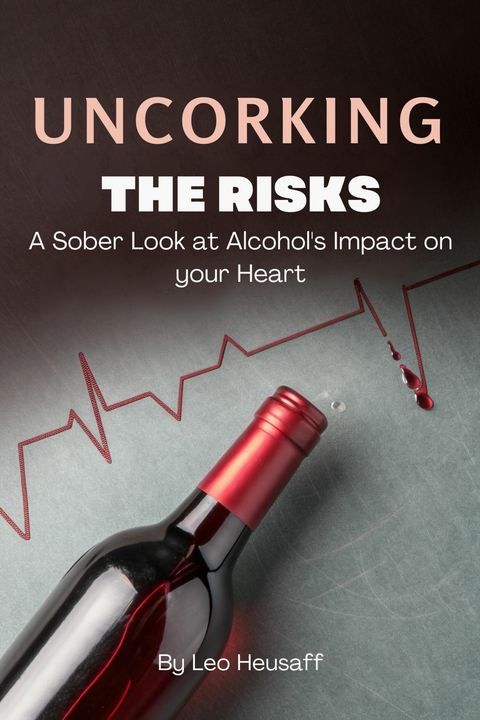
Uncorking the Risks (eBook)
138 Seiten
JNR Publishing (Verlag)
978-0-00-113107-1 (ISBN)
Is alcohol a friend or foe to your heart? Get ready to uncap the often-unsettling truth.
Uncorking the Risks: A Sober Look at Alcohol's Impact on Your Heart by Leo Heusaff delivers a clear-eyed, comprehensive investigation into how alcohol really affects your cardiovascular system, moving beyond myths and misleading headlines.
This essential guide is for anyone seeking straightforward answers about alcohol's complex role in heart health, from the so-called benefits of 'moderate' drinking to the undeniable dangers of excessive consumption. Leo Heusaff provides a meticulously researched yet accessible exploration, empowering you to make truly informed decisions for your long-term well-being and cardiovascular future. If you want to understand the science, weigh your personal risks, and navigate the confusing messages surrounding alcohol, this book is your definitive resource.
Inside Uncorking the Risks, you will gain critical insights into:
The Reality of 'Heart-Healthy' Alcohol: A sober assessment of studies on moderate drinking, the French Paradox, and whether any amount of alcohol is truly beneficial for your heart.How Alcohol Directly Harms Your Heart: Understand the mechanisms behind alcoholic cardiomyopathy (toxic heart muscle damage), alcohol-induced arrhythmias (like AFib and 'Holiday Heart Syndrome'), life-threatening hypertension, and increased stroke incidence.Your Unique Vulnerability: Discover how factors such as your genetics, gender, age, and any pre-existing heart conditions can significantly alter alcohol's impact on your health profile.The Acute Dangers of Binge Drinking: Learn about the immediate shock binge drinking sends through your cardiovascular system, leading to inflammation and increased risk of acute events.Navigating Alcohol with Medications: Essential guidance on the perilous interactions between alcohol and common cardiovascular drugs.Practical Steps for a Healthier Relationship with Alcohol: Strategies for assessing your intake, reducing consumption if necessary, and identifying when to seek professional help.
Uncorking the Risks details the direct damage alcohol inflicts, from alcoholic cardiomyopathy to disturbing heart rhythms like Atrial Fibrillation (AFib). If you have a pre-existing heart condition-recovering from a heart attack, surgery, or living with heart failure-this book provides specific advice on why extreme caution is usually the most prudent course for safeguarding your health. Stop guessing about alcohol's impact on your heart. Get the facts, understand the risks, and protect your cardiovascular health.
8
Chapter 4: The French Paradox and Beyond: Investigating Red Wine and Polyphenols
The idea that red wine, in particular, holds special heart-protective qualities gained massive popularity with the concept of the “French Paradox.” It sounded almost too good to be true: enjoy rich foods, drink red wine, and somehow sidestep heart disease? This chapter dissects the paradox, explores the science behind red wine’s components, and questions whether wine truly deserves its heart-healthy halo.
4.1. Origin and Observations of the French Paradox
The term “French Paradox” gained widespread attention following a 1991 segment on the American news program “60 Minutes.” It highlighted an intriguing epidemiological observation: people in certain regions of France seemed to have relatively low rates of coronary heart disease (CHD) mortality despite consuming a diet relatively high in saturated fats (think cheese, butter, pâté) – factors typically associated with *increased* CHD risk. What could explain this apparent contradiction? Researchers and the media quickly focused on a prominent feature of the French lifestyle, particularly in the south: regular, moderate consumption of red wine with meals. The hypothesis proposed was that something within red wine was counteracting the potentially harmful effects of the high-fat diet, thus protecting the French population’s hearts.
This narrative was incredibly appealing. It suggested that a pleasurable habit could mitigate dietary “sins” and offered a seemingly simple explanation for a complex epidemiological puzzle. Red wine sales soared in many parts of the world following the popularization of the French Paradox, and the belief that red wine is “heart-healthy” became deeply ingrained in popular culture.
However, from the outset, epidemiologists and public health experts urged caution. They pointed out several potential issues with attributing the lower CHD rates solely, or even primarily, to red wine:
- Dietary Pattern Differences: While saturated fat intake might have been high, the *overall* traditional Mediterranean-style diet prevalent in those regions was different from typical American or Northern European diets. It often included higher intakes of fruits, vegetables, legumes, olive oil, and fish, and lower intakes of processed foods and red meat – factors known to be cardioprotective. The “paradox” might simply reflect the benefits of this broader dietary pattern, not just the wine.
- Underreporting of CHD: Some questioned whether CHD mortality was accurately reported or classified in France compared to other countries, potentially skewing the statistics.
- Time Lag Hypothesis: Some suggested that the detrimental effects of the high-fat diet simply hadn’t fully manifested in the population statistics yet, and that CHD rates might rise later.
- Other Lifestyle Factors: Differences in physical activity levels, stress management, meal timing (e.g., longer lunches, less snacking), and social structures could also play a role.
- Focus on Mortality, Not Overall Incidence: The paradox often focused on *death* from heart disease. It’s possible the incidence (getting the disease) wasn’t as different, but perhaps survival rates or treatment approaches varied.
Despite these caveats, the link between red wine and heart health captured the public imagination, largely fueled by research into specific compounds found in grapes and wine.
4.2. Resveratrol and Other Polyphenols: Mechanisms and Evidence
Red wine, made from crushing dark grapes and fermenting them with their skins and seeds, is rich in a class of plant compounds called polyphenols. These include flavonoids (like anthocyanins, which give red wine its color, catechins, and quercetin) and non-flavonoids, the most famous of which is resveratrol. Resveratrol, found primarily in the skins of red grapes (and also in peanuts, blueberries, and cranberries), gained significant attention due to promising results in laboratory studies:
- Antioxidant Effects: In test tubes (in vitro) and some animal models, resveratrol demonstrated the ability to neutralize harmful reactive oxygen species (free radicals), potentially reducing oxidative stress, which plays a role in atherosclerosis.
- Anti-inflammatory Effects: Lab studies suggested resveratrol could inhibit certain inflammatory pathways implicated in cardiovascular disease.
- Effects on Blood Vessels: Some research indicated resveratrol might improve the function of the endothelium (the lining of blood vessels) and promote vasodilation (widening of blood vessels).
- Platelet Inhibition: Resveratrol showed potential to reduce platelet aggregation (stickiness), theoretically lowering the risk of blood clot formation.
- Metabolic Effects: Animal studies hinted at potential benefits for glucose metabolism and insulin sensitivity.
These laboratory findings were exciting and provided a plausible biological mechanism for red wine’s supposed benefits. However, translating these findings to humans drinking wine presents significant challenges:
- Dosage Discrepancy: The amounts of resveratrol used in most cell culture and animal studies were far higher than what one could realistically obtain from drinking moderate amounts of red wine. You would likely need to drink hundreds, if not thousands, of glasses of wine daily to reach the resveratrol doses used in many experiments – an amount that would cause severe alcohol poisoning long before any potential polyphenol benefits could be realized.
- Bioavailability Issues: Resveratrol is not well absorbed by the human body, and what is absorbed is rapidly metabolized and eliminated. This means very little active resveratrol actually reaches the bloodstream and target tissues after oral consumption, whether from wine or supplements.
- Lack of Strong Human Clinical Trial Data: Despite numerous studies, there is a lack of large-scale, long-term human clinical trials demonstrating that resveratrol, consumed at levels achievable through diet or moderate wine intake, provides significant cardiovascular protection. Studies using resveratrol supplements have yielded mixed and often disappointing results regarding heart health outcomes.
- Other Polyphenols: While resveratrol gets the spotlight, red wine contains a complex mixture of other polyphenols. It’s possible that these compounds work synergistically, but again, proving this effect specifically from wine consumption in humans, separate from the alcohol itself and other lifestyle factors, remains difficult.
In summary, while polyphenols like resveratrol have interesting biological properties in the lab, the evidence that they are the primary drivers of any observed cardiovascular benefit from moderate red wine consumption in humans is weak and largely circumstantial. The hype surrounding resveratrol, in particular, has far outpaced the robust clinical evidence.
4.3. Separating Alcohol from Other Lifestyle Factors (Diet, Activity)
This is perhaps the most critical challenge in interpreting studies on alcohol and heart health, especially those focusing on the French Paradox or Mediterranean populations. People who drink moderate amounts of red wine, particularly in traditional settings, often share other lifestyle characteristics that are independently linked to better cardiovascular health. Consider the typical Mediterranean lifestyle often associated with moderate wine consumption:
- Diet: Rich in fruits, vegetables, whole grains, legumes, nuts, seeds, fish, and olive oil. Lower in red meat, processed foods, and unhealthy fats. This dietary pattern itself is strongly associated with reduced risk of heart disease, stroke, and other chronic conditions.
- Physical Activity: Often incorporates more daily movement, walking, and less sedentary behavior compared to highly industrialized societies.
- Social Connection: Meals are often social occasions, fostering community and potentially reducing stress.
- Meal Patterns: Less emphasis on constant snacking, potentially larger lunches followed by lighter dinners.
Epidemiological studies, which observe large groups of people over time, try to statistically adjust for these “confounding factors.” However, it’s incredibly difficult to perfectly disentangle the specific effect of moderate wine consumption from the complex web of diet, activity, socioeconomic status, education level, and other health behaviors that tend to cluster together. Someone who drinks a glass of red wine with a healthy, home-cooked Mediterranean meal after a walk is living a very different lifestyle than someone who drinks the same amount of wine alongside a fast-food meal while sedentary. Attributing the health outcomes solely to the wine in the first scenario is problematic. It’s highly plausible that the overall healthy lifestyle pattern, perhaps including moderate wine consumption as one component, contributes to the observed benefits, rather than the wine acting as a magic bullet overcoming an otherwise unhealthy lifestyle.
4.4. Does Beverage Type Matter? (Wine vs. Beer vs. Spirits)
If red wine’s polyphenols aren’t the clear heroes, does the type of alcoholic beverage consumed make a difference? The French Paradox focused on red wine, but subsequent research has explored whether...
| Erscheint lt. Verlag | 27.12.2025 |
|---|---|
| Sprache | englisch |
| Themenwelt | Sachbuch/Ratgeber ► Gesundheit / Leben / Psychologie ► Esoterik / Spiritualität |
| ISBN-10 | 0-00-113107-9 / 0001131079 |
| ISBN-13 | 978-0-00-113107-1 / 9780001131071 |
| Informationen gemäß Produktsicherheitsverordnung (GPSR) | |
| Haben Sie eine Frage zum Produkt? |
 EPUB (Adobe DRM)
Größe: 2,2 MB
Kopierschutz: Adobe-DRM
Adobe-DRM ist ein Kopierschutz, der das eBook vor Mißbrauch schützen soll. Dabei wird das eBook bereits beim Download auf Ihre persönliche Adobe-ID autorisiert. Lesen können Sie das eBook dann nur auf den Geräten, welche ebenfalls auf Ihre Adobe-ID registriert sind.
Details zum Adobe-DRM
Dateiformat: EPUB (Electronic Publication)
EPUB ist ein offener Standard für eBooks und eignet sich besonders zur Darstellung von Belletristik und Sachbüchern. Der Fließtext wird dynamisch an die Display- und Schriftgröße angepasst. Auch für mobile Lesegeräte ist EPUB daher gut geeignet.
Systemvoraussetzungen:
PC/Mac: Mit einem PC oder Mac können Sie dieses eBook lesen. Sie benötigen eine
eReader: Dieses eBook kann mit (fast) allen eBook-Readern gelesen werden. Mit dem amazon-Kindle ist es aber nicht kompatibel.
Smartphone/Tablet: Egal ob Apple oder Android, dieses eBook können Sie lesen. Sie benötigen eine
Geräteliste und zusätzliche Hinweise
Buying eBooks from abroad
For tax law reasons we can sell eBooks just within Germany and Switzerland. Regrettably we cannot fulfill eBook-orders from other countries.
aus dem Bereich