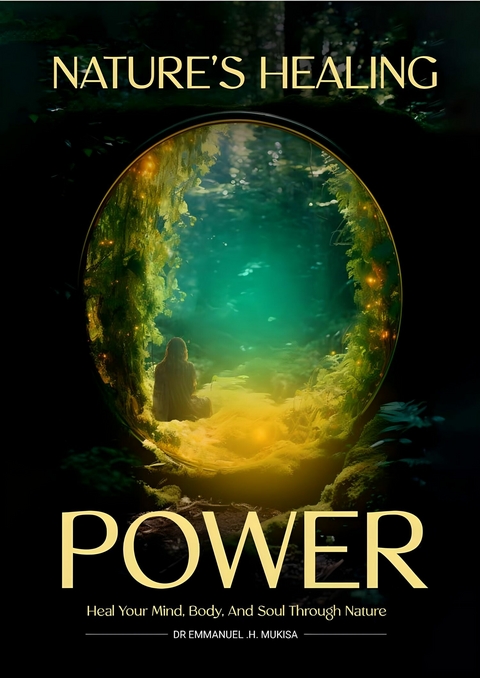
Nature's Healing Power (eBook)
136 Seiten
Publishdrive (Verlag)
978-0-00-109356-0 (ISBN)
Reconnect with the outdoors and rediscover the power of nature.
Nature's Healing Power reveals how the natural world profoundly
impacts your health, happiness, and productivity. Backed by science
and packed with practical tips, this book explores how nature
reduces stress, enhances resilience, and boosts creativity.
From forest bathing and green therapy to outdoor meditation and
seasonal health tips, this guide shows you how to incorporate nature
into your life, no matter where you live. Learn how the healing
beauty of the outdoors can transform your mental and physical wellbeing for a lifetime of benefits.
The Science Behind Nature's Healing Power
The biophilia hypothesis is a concept introduced by biologist E.O. Wilson, suggesting that humans have an innate connection to nature. This connection is not a learned behavior; it’s deeply rooted in our evolutionary past. Our ancestors depended on nature for survival, and this bond still influences our emotional and physical well-being.
When we see lush greenery or hear birds singing, it triggers a sense of calm and safety. These natural cues are reminders of fertile environments where humans once thrived. This reaction is why natural settings often make us feel more at peace than artificial spaces.
Research shows that even brief exposure to natural elements can reduce stress, improve mood, and increase focus. For instance, simply looking at a plant in an office can make people feel less anxious and more productive.
The Biophilia Hypothesis also explains why humans enjoy gardening, hiking, and watching wildlife. These activities tap into our inherent love for life and living systems. They give us a sense of purpose and connection to the world around us. Urbanization has created a disconnect from nature for many people. Concrete jungles lack the soothing elements that our minds and bodies crave. This disconnection has been linked to increased stress, anxiety, and depression.
Children, in particular, show strong evidence of biophilia. They are naturally curious about animals, plants, and outdoor environments. This instinctive connection highlights the importance of fostering their relationship with nature from a young age. Biophilia is also evident in architecture and design. Many buildings incorporate green spaces, water features, and natural light to create environments where people feel more comfortable and inspired.
Technology has allowed people to explore nature in new ways, but it cannot replace direct experiences. Virtual nature can offer some benefits, but the sensory richness of being outdoors remains unmatched. The hypothesis isn’t just about personal well-being. It also encourages our responsibility to protect the environment. When we feel connected to nature, we are more likely to care for it and adopt sustainable practices.
Biophilia can also strengthen communities. Shared green spaces, like parks and gardens, bring people together and foster social bonds. These connections enhance emotional well-being and build a sense of belonging.
Cultural practices worldwide demonstrate humanity’s deep relationship with nature. Indigenous traditions, for example, are often rooted in respecting and living harmoniously with the environment. The healing power of nature is reflected in art, music, and literature. Poets describe the beauty of landscapes, while artists capture the essence of nature’s tranquility. These creative expressions resonate because of our shared biophilic tendencies.
The biophilia hypothesis can inspire personal growth. Spending time in nature encourages mindfulness and helps people reflect on their lives. It reminds us of the simplicity and beauty of the world. Educational systems are starting to embrace biophilia by incorporating outdoor learning into their curriculums. Studies show that students learn better and feel happier when exposed to natural environments.
Companies and organizations are recognizing the benefits of biophilia. Many workplaces are incorporating green spaces to boost employee satisfaction, creativity, and productivity. The Biophilia Hypothesis highlights the deep-rooted connection between humans and nature. By understanding and embracing this bond, we can improve our mental, physical, and emotional health while also fostering a more sustainable relationship with the planet.
The impact of nature on stress hormones
Stress is an inevitable part of modern life, but prolonged exposure to stress can harm the body. Stress hormones like cortisol and adrenaline are released during challenging situations, preparing the body for "fight or flight." While helpful in short bursts, high levels of these hormones over time can lead to anxiety, high blood pressure, and other health problems. Nature offers a natural remedy for managing stress by helping regulate these hormones. Studies have shown that spending even a few minutes in natural environments can importantly lower cortisol levels, reducing feelings of stress and anxiety.
The soothing impacts of nature are both physical and psychological. Walking through a forest, for example, calms the nervous system, reducing the production of adrenaline. The quiet, serene atmosphere of natural spaces allows the mind to reset and recover from the constant stimulation of daily life. Research conducted in Japan on "forest bathing," or shinrin-yoku, found that participants experienced lower heart rates, reduced blood pressure, and importantly decreased cortisol levels after spending time in a forest environment. This shows that nature actively supports the body in returning to a balanced state. One reason for this calming impact is the visual and auditory stimulation provided by nature. The colors of greenery, the sound of rustling leaves, and the sight of flowing water all trigger relaxation responses in the brain, leading to a decrease in stress hormones.
Urban environments, in contrast, are often associated with higher stress levels. Noise pollution, crowded spaces, and the fast pace of city life can keep cortisol levels elevated. Incorporating green spaces into cities can help counteract these impacts. Nature not only reduces stress hormones but also boosts the production of feel-good chemicals like serotonin and dopamine. These chemicals enhance mood and create a sense of well-being, helping counterbalance the negative impacts of cortisol and adrenaline.
People who regularly spend time outdoors often report feeling more relaxed and less reactive to stressful situations. This resilience comes from nature’s ability to reset the body's stress response system.
Activities like gardening, hiking, or simply sitting in a park can have immediate impacts on stress hormone levels. Even brief interactions with nature; like watching a sunset or listening to birds; can trigger a calming impact. The benefits of nature extend beyond the personal. Group activities in natural settings, such as family picnics or outdoor yoga, can lower collective stress levels and promote social bonding, further reducing cortisol.
Children and adolescents, who are increasingly exposed to academic and social pressures, can also benefit from time in nature. Schools with access to outdoor play areas often report lower stress levels among students, supporting their emotional and mental well-being. For personals dealing with chronic stress or anxiety disorders, nature-based therapies can provide lasting benefits. Programs that incorporate outdoor activities, like wilderness therapy, have shown success in helping participants manage stress and regulate their emotions.
The physical health benefits of reduced stress hormones are profound. Lower cortisol levels are linked to better immune function, improved digestion, and reduced risk of chronic diseases like diabetes and heart disease. People with high-stress jobs, such as healthcare workers or corporate professionals, often benefit from incorporating nature into their routines. Something as simple as a walk in a park during a lunch break can help lower cortisol levels and improve focus.
Technology has made it possible to bring some aspects of nature indoors, such as using nature sounds or videos. While helpful, these tools are not as efficient as direct exposure to nature, which provides multisensory experiences that deeply impact stress hormone regulation.
Forest Bathing:
A proven method for healing
Forest bathing, or shinrin-yoku, originated in Japan during the 1980s as a therapeutic practice to improve health and well-being. Unlike hiking or other outdoor sports, forest bathing is not about physical exertion. It involves simply being in the forest, engaging your senses, and immersing yourself in the natural environment. The practice is based on the idea that spending mindful time in a forest can heal the mind and body. Participants are encouraged to walk slowly, touch trees, listen to the sounds of nature, breathe deeply, and observe the environment around them. This sensory immersion helps calm the mind and reduce stress.
Scientific research supports the impactiveness of forest bathing. Studies have shown that it lowers cortisol levels, reduces blood pressure, and slows heart rates. These physiological changes lead to a more relaxed state, helping people recover from the stress of daily life. One of the key benefits of forest bathing is its ability to enhance the immune system. Trees and plants release natural oils called phytoncides, which protect them from insects and disease. When humans breathe in these compounds, they stimulate the production of natural killer (NK) cells, a type of white blood cell that fights infections and cancer.
Forest bathing also improves mental health. Spending time among trees has been linked to lower levels of anxiety and depression. The quiet atmosphere and soothing sights help to reduce negative thoughts and promote a sense of calm and clarity. Unlike traditional therapies, forest bathing is accessible to nearly everyone. It doesn’t require special equipment or training, and people of all ages can participate. Even urban residents can practice forest bathing in local parks or green spaces.
The practice also fosters mindfulness. By focusing on the present moment and engaging with nature, participants can escape from the constant distractions of technology and daily...
| Erscheint lt. Verlag | 28.10.2025 |
|---|---|
| Sprache | englisch |
| Themenwelt | Sachbuch/Ratgeber ► Gesundheit / Leben / Psychologie ► Esoterik / Spiritualität |
| ISBN-10 | 0-00-109356-8 / 0001093568 |
| ISBN-13 | 978-0-00-109356-0 / 9780001093560 |
| Informationen gemäß Produktsicherheitsverordnung (GPSR) | |
| Haben Sie eine Frage zum Produkt? |
 EPUB (Adobe DRM)
Größe: 1,4 MB
Kopierschutz: Adobe-DRM
Adobe-DRM ist ein Kopierschutz, der das eBook vor Mißbrauch schützen soll. Dabei wird das eBook bereits beim Download auf Ihre persönliche Adobe-ID autorisiert. Lesen können Sie das eBook dann nur auf den Geräten, welche ebenfalls auf Ihre Adobe-ID registriert sind.
Details zum Adobe-DRM
Dateiformat: EPUB (Electronic Publication)
EPUB ist ein offener Standard für eBooks und eignet sich besonders zur Darstellung von Belletristik und Sachbüchern. Der Fließtext wird dynamisch an die Display- und Schriftgröße angepasst. Auch für mobile Lesegeräte ist EPUB daher gut geeignet.
Systemvoraussetzungen:
PC/Mac: Mit einem PC oder Mac können Sie dieses eBook lesen. Sie benötigen eine
eReader: Dieses eBook kann mit (fast) allen eBook-Readern gelesen werden. Mit dem amazon-Kindle ist es aber nicht kompatibel.
Smartphone/Tablet: Egal ob Apple oder Android, dieses eBook können Sie lesen. Sie benötigen eine
Geräteliste und zusätzliche Hinweise
Buying eBooks from abroad
For tax law reasons we can sell eBooks just within Germany and Switzerland. Regrettably we cannot fulfill eBook-orders from other countries.
aus dem Bereich