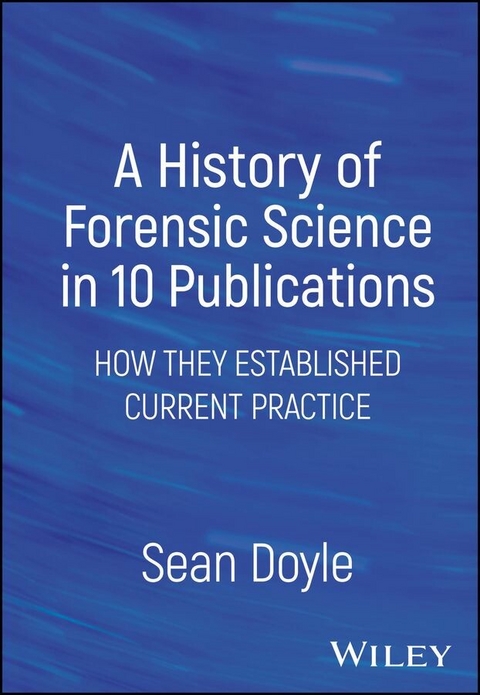
A History of Forensic Science in 10 Publications (eBook)
322 Seiten
Wiley (Verlag)
978-1-394-17077-7 (ISBN)
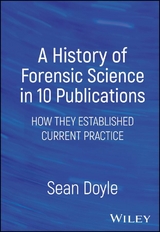
Explores the foundations of forensic science through its most influential and transformative publications
A History of Forensic Science in 10 Publications offers a unique and essential account of how forensic science has evolved into the complex, multidisciplinary field it is today. Unlike dramatized portrayals in popular media, this book provides a grounded, scholarly perspective on the real-world development of forensic practice through a detailed examination of ten pivotal publications. Author Sean Doyle, a highly respected practitioner with nearly five decades of experience in the field, charts the intellectual and scientific journey that has shaped modern forensic science-from early procedural texts to contemporary debates around interpretation, bias, and standardization.
Each chapter situates a landmark publication within its broader historical, scientific, and legal context, tracing its influence on subsequent research, professional standards, and the justice system. Doyle demonstrates how these works have sparked methodological shifts, provoked philosophical debates, prompted regulatory reforms, and led the way to current practices. The book's clear and engaging analytical narrative offers a structured way to understand how forensic science has been, and continues to be shaped by its literature.
Filling a critical gap in scholarship by focusing on the foundational texts that have informed both practice and policy, A History of Forensic Science in 10 Publications:
- Integrates historical, scientific, and legal perspectives into a unified narrative of forensic development
- Highlights lesser-known yet pivotal works that are often overlooked in current curricula and literature
- Connects foundational publications to contemporary practices such as probabilistic genotyping and forensic genealogy
- Discusses the evolving principles behind forensic interpretation, objectivity, and standardization
- Demonstrates how scientific literature has influenced legal outcomes, regulatory frameworks, and public understanding
Organized into thematic chapter groupings that guide readers through related developments and incremental research, A History of Forensic Science in 10 Publications: How They Established Current Practice is ideal for undergraduate students in forensic science, criminal justice, and criminology programs, as well as educators, legal professionals, and general readers interested in the science behind crime-solving.
Sean Doyle is a forensic scientist with extensive expertise in forensic chemistry, explosives, and crime scene investigation. He began his career at the UK Laboratory of the Government Chemist and later led casework and research at the Forensic Explosives Laboratory under the UK Ministry of Defence. He now directs Linked Forensic Consultants Ltd in New Zealand. An active lecturer and member of international forensic standards committees, Doyle has made significant contributions to forensic science practice and education.
Explores the foundations of forensic science through its most influential and transformative publications A History of Forensic Science in 10 Publications offers a unique and essential account of how forensic science has evolved into the complex, multidisciplinary field it is today. Unlike dramatized portrayals in popular media, this book provides a grounded, scholarly perspective on the real-world development of forensic practice through a detailed examination of ten pivotal publications. Author Sean Doyle, a highly respected practitioner with nearly five decades of experience in the field, charts the intellectual and scientific journey that has shaped modern forensic science from early procedural texts to contemporary debates around interpretation, bias, and standardization. Each chapter situates a landmark publication within its broader historical, scientific, and legal context, tracing its influence on subsequent research, professional standards, and the justice system. Doyle demonstrates how these works have sparked methodological shifts, provoked philosophical debates, prompted regulatory reforms, and led the way to current practices. The book s clear and engaging analytical narrative offers a structured way to understand how forensic science has been, and continues to be shaped by its literature. Filling a critical gap in scholarship by focusing on the foundational texts that have informed both practice and policy, A History of Forensic Science in 10 Publications: Integrates historical, scientific, and legal perspectives into a unified narrative of forensic developmentHighlights lesser-known yet pivotal works that are often overlooked in current curricula and literatureConnects foundational publications to contemporary practices such as probabilistic genotyping and forensic genealogyDiscusses the evolving principles behind forensic interpretation, objectivity, and standardizationDemonstrates how scientific literature has influenced legal outcomes, regulatory frameworks, and public understanding Organized into thematic chapter groupings that guide readers through related developments and incremental research, A History of Forensic Science in 10 Publications: How They Established Current Practice is ideal for undergraduate students in forensic science, criminal justice, and criminology programs, as well as educators, legal professionals, and general readers interested in the science behind crime-solving.
| Erscheint lt. Verlag | 17.11.2025 |
|---|---|
| Sprache | englisch |
| Themenwelt | Naturwissenschaften ► Chemie |
| Schlagworte | Crime scene investigation • Forensic evidence • forensic science criminal justice • forensic science criminology • Forensic Science Education • Forensic science evolution • forensic science history • forensic science practice • forensic science publications |
| ISBN-10 | 1-394-17077-7 / 1394170777 |
| ISBN-13 | 978-1-394-17077-7 / 9781394170777 |
| Informationen gemäß Produktsicherheitsverordnung (GPSR) | |
| Haben Sie eine Frage zum Produkt? |
 PDF (Adobe DRM)
Kopierschutz: Adobe-DRM
Adobe-DRM ist ein Kopierschutz, der das eBook vor Mißbrauch schützen soll. Dabei wird das eBook bereits beim Download auf Ihre persönliche Adobe-ID autorisiert. Lesen können Sie das eBook dann nur auf den Geräten, welche ebenfalls auf Ihre Adobe-ID registriert sind.
Details zum Adobe-DRM
Dateiformat: PDF (Portable Document Format)
Mit einem festen Seitenlayout eignet sich die PDF besonders für Fachbücher mit Spalten, Tabellen und Abbildungen. Eine PDF kann auf fast allen Geräten angezeigt werden, ist aber für kleine Displays (Smartphone, eReader) nur eingeschränkt geeignet.
Systemvoraussetzungen:
PC/Mac: Mit einem PC oder Mac können Sie dieses eBook lesen. Sie benötigen eine
eReader: Dieses eBook kann mit (fast) allen eBook-Readern gelesen werden. Mit dem amazon-Kindle ist es aber nicht kompatibel.
Smartphone/Tablet: Egal ob Apple oder Android, dieses eBook können Sie lesen. Sie benötigen eine
Geräteliste und zusätzliche Hinweise
Buying eBooks from abroad
For tax law reasons we can sell eBooks just within Germany and Switzerland. Regrettably we cannot fulfill eBook-orders from other countries.
aus dem Bereich