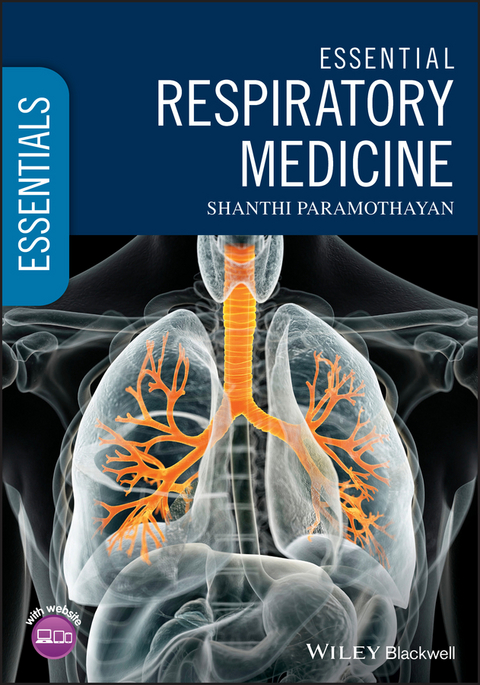
Essential Respiratory Medicine (eBook)
John Wiley & Sons (Verlag)
978-1-118-61832-5 (ISBN)
A succinct yet comprehensive overview of respiratory medicine, written for students and professionals
Essential Respiratory Medicine is an indispensable text offering an understanding of respiratory conditions and their clinical management within evidence-based guidelines. Containing information on taking a medical history, performing examinations and investigations, diagnosis and the management of respiratory conditions, this comprehensive text was put together by a noted expert in the field.
Written in an accessible manner, Essential Respiratory Medicine contains the foundational science associated with respiratory medicine, a wide-variety of practical procedures, helpful diagrams, and self-assessments designed to enhance understanding of the material presented. The text covers a variety of conditions as well as providing suggestions for engaging with patients at different stages of care. This important resource:
- Demonstrates an effective approach to patients presenting with common respiratory symptoms
- Includes a description of all key practical procedures with diagrams
- Discusses acute management of important respiratory emergencies
- Covers both acute and chronic disease
- Contains a companion website containing a range of learning materials, including downloadable management summaries and algorithms, an image bank, videos of patient examination, example respiratory sounds and multiple-choice questions
Essential Respiratory Medicine is an essential resource for anyone on a clinical placement, rotation, or training programme in respiratory medicine.
DR. SHANTHI PARAMOTHAYAN is a Consultant Physician in Respiratory and General Medicine. She is an educationalist with a Masters in Medical Education.
A succinct yet comprehensive overview of respiratory medicine, written for students and professionals Essential Respiratory Medicine is an indispensable text offering an understanding of respiratory conditions and their clinical management within evidence-based guidelines. Containing information on taking a medical history, performing examinations and investigations, diagnosis and the management of respiratory conditions, this comprehensive text was put together by a noted expert in the field. Written in an accessible manner, Essential Respiratory Medicine contains the foundational science associated with respiratory medicine, a wide-variety of practical procedures, helpful diagrams, and self-assessments designed to enhance understanding of the material presented. The text covers a variety of conditions as well as providing suggestions for engaging with patients at different stages of care. This important resource: Demonstrates an effective approach to patients presenting with common respiratory symptoms Includes a description of all key practical procedures with diagrams Discusses acute management of important respiratory emergencies Covers both acute and chronic disease Contains a companion website containing a range of learning materials, including downloadable management summaries and algorithms, an image bank, videos of patient examination, example respiratory sounds and multiple-choice questions Essential Respiratory Medicine is an essential resource for anyone on a clinical placement, rotation, or training programme in respiratory medicine.
DR. SHANTHI PARAMOTHAYAN is a Consultant Physician in Respiratory and General Medicine. She is an educationalist with a Masters in Medical Education.
Title Page 5
Copyright Page 6
Contents 9
About the author 11
Acknowledgements 13
About the companion website 15
Chapter 1 Introduction to respiratory medicine 17
About the book 18
Chapter 2 Embryology, anatomy, and physiology of the lung?????????????????????????????????????????????????????????????????????????????????????????????????????????????????????????????????????????????????????????????????????????????????????????????????????????????????????????????????????????????????????????????????????????????????????????????????????????????????????????????????????????????????????????????????????????????????????? 21
Introduction 22
Development of the respiratory system 22
Development of the lungs 22
The respiratory tract 24
Muscles of respiration and mechanical ventilation 27
Structure of the lungs 30
Blood supply of the lungs 32
Nervous supply of the lungs 33
Lymphatics of the lungs 33
Control of breathing 34
Central control 34
Lung receptors and reflexes 34
Chemoreceptors 35
Transport of oxygen 36
Transport of carbon dioxide 37
The acid?base balance 39
Ventilation?perfusion mismatch 39
Lung defence 39
Multiple choice questions 41
Further Reading 44
Chapter 3 Pharmacology of the lung???????????????????????????????????????????????????????????????????????????????????????????????????????????????????????????????????????????????????????????????????????????????????????????????????????????????????????????????????????????? 45
Drugs and the lung 46
Principles of drug deposition in lungs 46
Inhaler devices 47
Oxygen 51
Inhaled drugs 52
Drugs prescribed for smoking cessation 60
Drugs that damage the lungs 61
Multiple choice questions 63
Further Reading?????????????????????????????????????????????????????????????????????????????????????????????????????????????????????????? 66
Chapter 4 Common respiratory investigations?????????????????????????????????????????????????????????????????????????????????????????????????????????????????????????????????????????????????????????????????????????????????????????????????????????????????????????????????????????????????????????????????????????????????????????????????? 67
Laboratory tests 68
Imaging of the lung 71
Lung function tests 81
Exercise testing 90
Sleep studies 91
Cardiology investigations 91
Invasive investigations 91
Miscellaneous investigations 93
Multiple choice questions 94
Further Reading?????????????????????????????????????????????????????????????????????????????????????????????????????????????????????????? 96
Chapter 5 Common presentations of respiratory disease?????????????????????????????????????????????????????????????????????????????????????????????????????????????????????????????????????????????????????????????????????????????????????????????????????????????????????????????????????????????????????????????????????????????????????????????????????????????????????????????????????????????????????????????? 99
Respiratory history 100
Breathlessness 101
Management of severe breathlessness 104
Cough 104
Haemoptysis 105
Management of life?threatening haemoptysis 105
Chest pain 106
Wheeze 108
Hoarse voice 108
Snoring 108
Examination of the respiratory system 108
Examination of the chest 110
Pre?operative respiratory assessment 115
Post?operative respiratory problems 115
Respiratory assessment of an acutely ill patient 117
Multiple choice questions 118
Further Reading?????????????????????????????????????????????????????????????????????????????????????????????????????????????????????????? 120
Chapter 6 Obstructive airways disease?????????????????????????????????????????????????????????????????????????????????????????????????????????????????????????????????????????????????????????????????????????????????????????????????????????????????????????????????????????????????????????????? 121
Introduction 122
Asthma 123
Definition 123
Epidemiology 123
Pathophysiology of asthma 124
Clinical presentation 125
Chronic obstructive pulmonary disease (COPD) 133
??1 Antitrypsin Deficiency 141
Allergic bronchopulmonary aspergillosis (ABPA) 142
Vocal cord dysfunction 143
Hyperventilation syndrome (HV) 144
Multiple choice questions 146
Appendix 6.A Diagnosis of asthma 148
Appendix 6.B Management of asthma 149
Appendix 6.C Management of COPD 150
Further Reading?????????????????????????????????????????????????????????????????????????????????????????????????????????????????????????? 151
Chapter 7 Diffuse parenchymal lung disease???????????????????????????????????????????????????????????????????????????????????????????????????????????????????????????????????????????????????????????????????????????????????????????????????????????????????????????????????????????????????????????????????????????????????????????? 153
Introduction 154
Diagnosis of DPLD 154
Investigations in a patient suspected of a DPLD 155
Idiopathic interstitial pneumonias (IIP) 156
Pathophysiology 156
Idiopathic pulmonary fibrosis (IPF) 157
Clinical presentation of IPF 158
Investigations in IPF 158
Management and prognosis in IPF 159
Non?specific interstitial pneumonia (NSIP) 160
Clinical presentation of NSIP 161
Investigations in NSIP 161
Management of NSIP 162
Prognosis in NSIP 162
Cryptogenic organising pneumonia (COP) 162
Desquamative interstitial pneumonia (DIP) 163
Respiratory bronchiolitis interstitial lung disease (RB?ILD) 164
Lymphoid interstitial pneumonia (LIP) 164
Acute interstitial pneumonia (AIP) 165
Eosinophilic lung disease 165
Sarcoidosis 166
Clinical presentation of sarcoidosis 170
Acute sarcoidosis (Löfgren’s syndrome) 170
Chronic sarcoidosis 170
Multisystem sarcoidosis 171
Investigations 171
Radiology 171
Blood tests 174
Lung function test 174
Histological diagnosis of sarcoidosis 174
Other investigations 174
Management and prognosis of sarcoidosis 175
Hypersensitivity pneumonitis (HP) 176
Acute hypersensitivity pneumonitis 176
Sub?acute hypersensitivity pneumonitis 177
Chronic hypersensitivity pneumonitis 178
Management of HP 178
Prognosis of HP 179
Lymphangioleiomyomatosis (LAM) 179
Pulmonary Langerhans cell histiocytosis (PLCH) 180
Pulmonary alveolar proteinosis (PAP) 181
Pulmonary amyloidosis 182
Multiple choice questions 184
Appendix 7.A Drugs that cause peripheral eosinophilia 186
Further Reading?????????????????????????????????????????????????????????????????????????????????????????????????????????????????????????? 186
Chapter 8 Respiratory infections???????????????????????????????????????????????????????????????????????????????????????????????????????????????????????????????????????????????????????????????????????????????????????????????????????????????????????????????? 189
Introduction 190
Respiratory tract infections 190
Pneumonia 191
Viral pneumonia 191
Bacterial pneumonia 192
Community acquired pneumonia (CAP) 192
Pathophysiology 192
Diagnosis of CAP 197
Microbiological diagnosis of CAP 197
Radiological diagnosis of CAP 198
Management of CAP 199
Prognosis with CAP 200
Hospital acquired pneumonia (HAP) 201
Ventilator?associated pneumonia 201
Aspiration pneumonia 202
Lipoid pneumonia 202
Pulmonary infections in the immunocompromised 202
Mycobacterium tuberculosis 204
Epidemiology 204
Pathogenesis of primary pulmonary tuberculosis 204
Post?primary tuberculosis 205
Immunology 205
Diagnosis 205
Radiological diagnosis 206
Microbiological and histological diagnosis 206
Immunological diagnosis 207
Management of MTB 208
HIV and MTB 211
Information to patients with TB 211
Infectivity of tuberculosis 211
Contact tracing 211
Screening of immigrants 212
Latent tuberculosis 212
Prevention of Mycobacterium tuberculosis (MTB) 212
Treatment of multi?drug?resistant tuberculosis (MDRTB) 212
Pulmonary complications of mycobacterium tuberculosis 213
Extra?pulmonary tuberculosis 213
Opportunistic (atypical) mycobacterium 215
Multiple choice questions 217
Further Reading?????????????????????????????????????????????????????????????????????????????????????????????????????????????????????????? 220
Chapter 9 Lung cancer?????????????????????????????????????????????????????????????????????????????????????????????????????????????????????????????????????????????????????????????? 221
Introduction 222
Epidemiology of lung cancer 222
Aetiology of lung cancer 224
Pathophysiology of lung cancer 225
Clinical presentation of lung cancer 225
Clinical signs of lung cancer 226
Ectopic secretion of hormones in lung cancer 226
Management of superior vena cava obstruction (SVCO) 228
Management of a patient suspected of having a lung malignancy 228
Clinical assessment of patient with suspected lung cancer 228
Investigations for patients suspected of having lung cancer 228
Histological diagnosis 230
Classification of lung cancer 232
Staging of NSCLC 233
Staging of SCLC 233
Management of lung cancer 233
Surgery 233
Essential investigations prior to surgery 236
Fitness for surgery 236
Post?operative complications 236
Follow?up post?surgery 237
Radiotherapy 237
Radical radiotherapy 237
Palliative radiotherapy 238
Chemotherapy 238
Assessing fitness for chemotherapy 238
Chemotherapy for NSCLC 238
Chemotherapy for SCLC 239
Palliative chemotherapy 239
Side effects of chemotherapy 239
Treatment response 239
Targeted molecular therapy 239
Palliative treatment 240
Palliative procedures 240
Communicating the diagnosis of lung cancer 240
The lung multidisciplinary meeting 240
Tracheal and laryngeal tumours 241
Benign lung masses and solitary pulmonary nodules (SPN) 241
Common causes of SPN and benign lung mass 242
Cavitating lung lesions 242
Carcinoid tumour 242
Future developments 245
Multiple choice questions 246
Further Reading?????????????????????????????????????????????????????????????????????????????????????????????????????????????????????????? 249
Chapter 10 Pleural disease???????????????????????????????????????????????????????????????????????????????????????????????????????????????????????????????????????????????????????????????????????????????????????????? 251
Normal pleura and pleural fluid 252
Pleural effusion 252
Definition 252
Aetiology of pleural effusion 252
Clinical assessment of a patient presenting with a pleural effusion 252
Diagnostic pathway for management of a unilateral pleural effusion 252
Pleural Aspiration (Thoracocentesis) 253
Pleural biopsy 255
Differential diagnosis of a transudate 257
Management of a transudate 258
Differential diagnosis of an exudate 258
Management of malignant pleural effusion 258
Pleural infection and empyema 259
Definitions 259
Aetiology of pleural infection 259
Pathophysiology of pleural infection 260
Pneumothorax 264
Definition 264
Primary spontaneous pneumothorax (PSP) 264
Secondary pneumothorax (SP) 264
Clinical presentation of pneumothorax 265
Investigations for a pneumothorax 266
Classification of pneumothorax 266
Management of pneumothorax 266
Management of primary spontaneous pneumothorax (PSP) 266
Intercostal chest drain insertion for pneumothorax 267
Management of secondary pneumothorax (SP) 267
Management of patients with a chest drain for pneumothorax 268
Complications of chest drain for pneumothorax 268
Surgery for persistent pneumothorax 268
Traumatic pneumothorax 269
Tension pneumothorax 269
Management of tension pneumothorax 269
Recurrent pneumothorax 269
Asbestos?related pleural disease 270
Benign pleural plaque 270
Diffuse pleural thickening 271
Benign asbestos?related pleural effusion 272
Mesothelioma 272
Aetiology of mesothelioma 273
Pathophysiology of mesothelioma 273
Investigations in the diagnosis of malignant mesothelioma 273
Pleural biopsy 274
Pathological types of malignant mesothelioma 275
Management of malignant mesothelioma 275
Palliative care 275
Chemotherapy 275
Surgery 276
Compensation 276
Multiple choice questions 277
Appendix 10.A Analysis of pleural fluid 279
Biochemistry 279
Microbiology 279
Cytology 280
pH 280
Haematocrit 280
Appendix 10.B Compensation for asbestos?related disease 280
Further Reading?????????????????????????????????????????????????????????????????????????????????????????????????????????????????????????? 281
Chapter 11 Pulmonary embolus, pulmonary hypertension, and vasculitides???????????????????????????????????????????????????????????????????????????????????????????????????????????????????????????????????????????????????????????????????????????????????????????????????????????????????????????????????????????????????????????????????????????????????????????????????????????????????????????????????????????????????????????????????????????????????????????????????????????????????????????????????????????????????????????????????? 283
Introduction 284
Pulmonary embolism 284
Acute pulmonary embolus 286
Diagnosis of pulmonary embolus 286
Investigations in the diagnosis of pulmonary embolus 287
Imaging to confirm a diagnosis of PE 288
Management of acute pulmonary embolus 291
Anticoagulation 291
Oral anticoagulation 292
Duration of anticoagulation 292
Inferior vena cava filter 292
Management of massive life?threatening pulmonary embolus 293
Prognosis after acute PE 293
Recurrent pulmonary emboli 293
Chronic pulmonary emboli 293
Pulmonary hypertension 294
Classification of pulmonary hypertension 295
Group 1: Pulmonary Arterial Hypertension 295
Group 2: Pulmonary hypertension secondary to left heart disease 298
Group 3: Pulmonary hypertension secondary to lung disease 298
Group 4: Pulmonary hypertension secondary to chronic thromboembolic disease (CTEPH) 298
Group 5: Multifactorial pulmonary hypertension 298
Management of pulmonary hypertension 299
Surgical treatment of pulmonary hypertension 299
Pulmonary haemorrhagic syndromes 299
Granulomatosis with polyangiitis (GPA) 300
Other vasculitides 300
Anti?glomerular basement membrane antibody (Goodpasture’s) syndrome 300
Eosinophilic granulomatosis with polyangiitis (Churg?Strauss syndrome) 301
Hereditary haemorrhagic telangiectasia (HHT) 302
Multiple Choice Questions 303
Further Reading?????????????????????????????????????????????????????????????????????????????????????????????????????????????????????????? 306
Chapter 12 Suppurative lung disease?????????????????????????????????????????????????????????????????????????????????????????????????????????????????????????????????????????????????????????????????????????????????????????????????????????????????????????????????????????????????? 309
Introduction 310
Bronchiectasis 310
Pathogenesis of bronchiectasis 311
Aetiology of bronchiectasis 312
Diagnosis of bronchiectasis 314
Differential diagnoses of bronchiectasis 315
Management of bronchiectasis 316
Infective exacerbations of bronchiectasis 318
Prevention of exacerbations 318
Cystic fibrosis 320
Clinical presentation of CF 321
Diagnosis of CF 321
Management of CF 321
Prognosis of CF 324
Future therapy for CF 324
Primary ciliary dyskinesia 324
Diagnosis of PCD 324
Lung abscess 325
Causative organisms in lung abscess 326
Management of lung abscess 326
Multiple choice questions 328
Further Reading?????????????????????????????????????????????????????????????????????????????????????????????????????????????????????????? 330
Chapter 13 Respiratory failure???????????????????????????????????????????????????????????????????????????????????????????????????????????????????????????????????????????????????????????????????????????????????????????????????????????????????? 333
Respiratory failure 334
The regulation of breathing 334
Mechanisms of respiratory failure 335
Type 1 respiratory failure 335
Clinical presentation of type 1 respiratory failure 336
Investigations in type 1 respiratory failure 336
Alveolar?arterial oxygen gradient 336
Management of type 1 respiratory failure 336
Oxygen therapy and monitoring in type 1 respiratory failure 337
Devices for giving oxygen 337
Chronic type 1 respiratory failure 338
Type 2 respiratory failure 338
Clinical presentation of acute type 2 respiratory failure 339
Investigations for acute type 2 respiratory failure 339
Immediate management of acute type 2 respiratory failure 340
Controlled oxygen therapy and monitoring in type 2 respiratory failure 340
Type 2 respiratory failure: to treat or not to treat? 340
Non?invasive ventilation (NIV) 341
BiPAP 342
Monitoring on NIV 343
Weaning off NIV 344
Respiratory stimulants 344
Prognosis and outcome 344
Management of chronic type 2 respiratory failure 344
Multiple choice questions 345
Appendix 13.A Calculation of the alveolar?arterial oxygen gradient 348
Further Reading?????????????????????????????????????????????????????????????????????????????????????????????????????????????????????????? 348
Chapter 14 Sleep-related disorders???????????????????????????????????????????????????????????????????????????????????????????????????????????????????????????????????????????????????????????????????????????????????????????????????????????????????????????????????????????? 349
Introduction 350
Sleep physiology 350
Non?REM sleep 350
REM sleep 351
Snoring 352
Simple snoring 352
Upper airways resistance syndrome (UARS) 352
Management of UARS 352
Obstructive sleep apnoea/hypopnoea syndrome (OSAHS) 353
Epidemiology of OSAHS 354
Pathophysiology of OSAHS 355
Investigations for possible OSAHS 357
Diagnosis of OSA 358
Consequences of OSA 358
OSAHS and driving 359
Management of OSA 360
Lifestyle changes 360
Surgery 360
Intra?oral devices 360
Mandibular advancement device (MAD) 360
Continuous positive airway pressure (CPAP) 360
Narcolepsy 362
Pathophysiology 362
Clinical features 362
Investigations 362
Management 362
Periodic limb movement disorder (PLMD) 363
Restless leg syndrome (RLS) 363
REM behaviour disorder (RBD)/parasomnia 363
Idiopathic hypersomnia (IH) 363
Insomnia 364
Chronic sleep insufficiency 364
Central sleep apnoea (CSA) 364
Nocturnal hypoventilation 364
Multiple choice questions 365
Appendix 14.A Epworth Sleepiness Scale (ESS) 367
Further Reading?????????????????????????????????????????????????????????????????????????????????????????????????????????????????????????? 368
Chapter 15 Occupational, environmental, and recreational lung disease?????????????????????????????????????????????????????????????????????????????????????????????????????????????????????????????????????????????????????????????????????????????????????????????????????????????????????????????????????????????????????????????????????????????????????????????????????????????????????????????????????????????????????????????????????????????????????????????????????????????????????????????????????????????????????????????? 369
Occupational, environmental, and recreational lung diseases 370
Occupational lung disease 370
Occupational asthma 370
Pneumoconiosis 371
Asbestosis 372
Coal worker’s pneumoconiosis 374
Silicosis 375
Siderosis 376
Byssinosis 376
Berylliosis 376
Hypersensitivity pneumonitis 376
Recreational drugs and the lungs 376
Smoking 377
Cocaine 378
Cannabis 378
The environment and the lungs 379
Pollution 379
Toxic substances 379
Inhaled allergens and irritants 379
Weather 379
Multiple choice questions 381
Further Reading?????????????????????????????????????????????????????????????????????????????????????????????????????????????????????????? 383
Chapter 16 Disorders of the mediastinum?????????????????????????????????????????????????????????????????????????????????????????????????????????????????????????????????????????????????????????????????????????????????????????????????????????????????????????????????????????????????????????????????????????? 385
Anatomy of the mediastinum 386
Diagnosis of a mediastinal mass 386
History and examination 386
Chest X?ray: PA and lateral 387
Anterior mediastinal mass 387
Middle mediastinal mass 390
Posterior mediastinal mass 392
Other mediastinal conditions 393
Multiple choice questions 395
Further Reading?????????????????????????????????????????????????????????????????????????????????????????????????????????????????????????? 397
Chapter 17 Acute lung injury and acute respiratory distress syndrome???????????????????????????????????????????????????????????????????????????????????????????????????????????????????????????????????????????????????????????????????????????????????????????????????????????????????????????????????????????????????????????????????????????????????????????????????????????????????????????????????????????????????????????????????????????????????????????????????????????????????????????????????????????????????????? 399
Acute lung injury (ALI) and acute respiratory distress syndrome (ARDS) 400
Diagnosis of ALI and ARDS 400
Incidence and mortality of ALI and ARDS 401
Pathogenesis of ALI and ARDS 401
Investigations in patients suspected of ALI and ARDS 402
Management of ALI and ARDS 402
Principles of mechanical ventilation in ARDS 403
Other therapies for ARDS 403
Morbidity and mortality in ARDS 403
Transfusion?Related Acute Lung Injury (TRALI) 403
Acute chest syndrome with sickle cell disease 404
Smoke inhalation 404
Carbon monoxide poisoning 405
Airway trauma 405
Near?drowning 405
Deep sea diving 405
Acute altitude sickness 406
Multiple choice questions 407
Further Reading?????????????????????????????????????????????????????????????????????????????????????????????????????????????????????????? 409
Index 411
EULA 425
| Erscheint lt. Verlag | 31.10.2018 |
|---|---|
| Reihe/Serie | Essentials |
| Essentials | Essentials |
| Sprache | englisch |
| Themenwelt | Medizinische Fachgebiete ► Innere Medizin ► Pneumologie |
| Schlagworte | Allgemeine u. Innere Medizin • Anatomy Physiology Biochemistry and Pathophysiology of the Respiratory System • Atmung • Basic Respiratory Anatomy • Cell types surfactant breathing in the neonate • Chest wall abnormalities and definitions • Embryology and development of respiratory system • General & Internal Medicine • General Clinical Nursing • Historical Perspective of respiratory medicine • Interaction of Respiratory diseases with other systems cardiovascular system haematology neurology renal • Klinische Krankenpflege • Krankenpflege • <p>Guide to Essential Respiratory Medicine • Medical Science • Medizin • Medizin des Atmungssystems • nursing • Patterns and abnormalities of respiration • Principles of gas exchange ventilation perfusion mismatch</p> • resource to Essential Respiratory Medicine • Respiratory disease worldwide infections tuberculosis lung cancer and COPD • Respiratory Medicine • text Essential Respiratory Medicine • The Respiratory Centre and control of respiration • The Role of the Respiratory System breathing circulation gas exchange • Understanding Essential Respiratory Medicine |
| ISBN-10 | 1-118-61832-7 / 1118618327 |
| ISBN-13 | 978-1-118-61832-5 / 9781118618325 |
| Informationen gemäß Produktsicherheitsverordnung (GPSR) | |
| Haben Sie eine Frage zum Produkt? |
 PDF (Adobe DRM)
Kopierschutz: Adobe-DRM
Adobe-DRM ist ein Kopierschutz, der das eBook vor Mißbrauch schützen soll. Dabei wird das eBook bereits beim Download auf Ihre persönliche Adobe-ID autorisiert. Lesen können Sie das eBook dann nur auf den Geräten, welche ebenfalls auf Ihre Adobe-ID registriert sind.
Details zum Adobe-DRM
Dateiformat: PDF (Portable Document Format)
Mit einem festen Seitenlayout eignet sich die PDF besonders für Fachbücher mit Spalten, Tabellen und Abbildungen. Eine PDF kann auf fast allen Geräten angezeigt werden, ist aber für kleine Displays (Smartphone, eReader) nur eingeschränkt geeignet.
Systemvoraussetzungen:
PC/Mac: Mit einem PC oder Mac können Sie dieses eBook lesen. Sie benötigen eine
eReader: Dieses eBook kann mit (fast) allen eBook-Readern gelesen werden. Mit dem amazon-Kindle ist es aber nicht kompatibel.
Smartphone/Tablet: Egal ob Apple oder Android, dieses eBook können Sie lesen. Sie benötigen eine
Geräteliste und zusätzliche Hinweise
Buying eBooks from abroad
For tax law reasons we can sell eBooks just within Germany and Switzerland. Regrettably we cannot fulfill eBook-orders from other countries.
aus dem Bereich