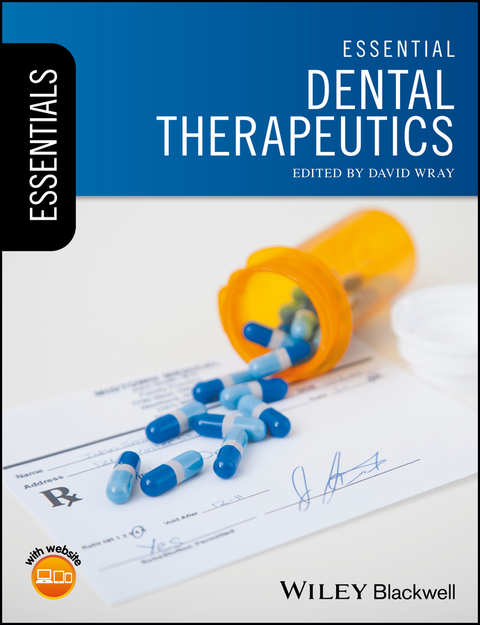
Essential Dental Therapeutics (eBook)
John Wiley & Sons (Verlag)
978-1-119-05741-3 (ISBN)
Essential Dental Therapeutics is a practical guide to drugs and their effects on dental care. Covering both medical and dental prescribing, all major categories of prescription drugs, their possible side effects, and potential drug interactions are discussed. The medical section is succinct and easily understandable, providing busy dentists with the information they need about medical conditions and the drugs used to treat them. The dental section offers practical, straightforward information that is relevant to everyday dental prescribing.
All clinical contributing authors are medically and dentally trained, and both strands are fully integrated throughout the text. Readers can test their knowledge by using the key topics and learning objectives at the start of each chapter, and by accessing the companion website featuring self-assessment questions. Essential Dental Therapeutics is a practical reference for dental students and practitioners, ensuring they are safe and informed in everyday practice.
About the Editor
David Wray is Emeritus Professor at the University of Glasgow, and previously Dean of the Glasgow Dental School, UK and the Hamdan bin Mohammed College of Dental Medicine in Dubai, United Arab Emirates. He is a former chair of the Dental Advisory Group of the British National Formulary, and his research interests include oral ulceration, candidal infections, mucosal immunology and facial pain.
Essential Dental Therapeutics is a practical guide to drugs and their effects on dental care. Covering both medical and dental prescribing, all major categories of prescription drugs, their possible side effects, and potential drug interactions are discussed. The medical section is succinct and easily understandable, providing busy dentists with the information they need about medical conditions and the drugs used to treat them. The dental section offers practical, straightforward information that is relevant to everyday dental prescribing. All clinical contributing authors are medically and dentally trained, and both strands are fully integrated throughout the text. Readers can test their knowledge by using the key topics and learning objectives at the start of each chapter, and by accessing the companion website featuring self-assessment questions. Essential Dental Therapeutics is a practical reference for dental students and practitioners, ensuring they are safe and informed in everyday practice.
About the Editor David Wray is Emeritus Professor at the University of Glasgow, and previously Dean of the Glasgow Dental School, UK and the Hamdan bin Mohammed College of Dental Medicine in Dubai, United Arab Emirates. He is a former chair of the Dental Advisory Group of the British National Formulary, and his research interests include oral ulceration, candidal infections, mucosal immunology and facial pain.
Cover 1
Title Page 5
Copyright 6
Contents 7
List of contributors 9
Preface 11
About the companion website 13
Chapter 1 Introduction to pharmacology and therapeutics – pharmacodynamics 15
Introduction 16
History of therapeutics 16
Targets for drug actions 17
Receptors 17
Enzymes 18
Ion channels 18
Carrier proteins 19
Selective toxicity 19
Antibacterial drugs 19
Antifungal agents 19
Antiviral drugs 20
Cancer chemotherapy and treatment 20
Conclusion 20
Chapter 2 Introduction to pharmacology and therapeutics – pharmacokinetics 21
Introduction 22
Introduction to pharmacokinetics 22
Distribution 22
Elimination of drugs from the body 25
Routes of administration and drug absorption 26
Basic kinetics 26
Chapter 3 Introduction to pharmacology and therapeutics – drug safety 29
Introduction 30
Determining drug safety 30
Therapeutic index 30
Extension and side effects with drug therapy 30
Drug allergy 31
Drugs in pregnancy 31
Natural therapies 32
Clinical studies 32
Meta analysis 33
Pharmacovigilance 33
Individual variations 33
Age 33
Genetics 34
Drug–drug interactions 34
Pharmacodynamic interactions 34
Pharmacokinetic interactions 35
Chapter 4 Antimicrobials – antiseptics and disinfectants 37
Introduction 38
Antiseptics 38
Mouthwashes 39
Root canal treatment medicaments 39
Hand hygiene 39
Disinfectants 40
Surface cleaning agents 41
Instrument cleaning agents 41
Impression and prosthesis disinfection 41
Specific agents 41
Chlorhexidine 41
Iodophors 42
Triclosan 43
Alcohol 43
Quaternary ammonium compounds 43
Oxidizing agents 43
Essential oils 43
Chapter 5 Antimicrobials – antibiotics 45
Introduction 46
Management of infection 46
Dental abscess 46
Necrotizing ulcerative gingivitis and pericoronitis 47
Oral mucosal infections 47
Sinusitis 47
Periodontal disease 47
Antibiotic prophylaxis 47
Prescribing considerations 47
The patient 47
Microbiological considerations 48
Sensitivity 48
Resistance 49
General aspects of antibiotic drugs 49
Absorption 49
Tissue distribution 49
Route of elimination 49
Adverse effects 49
Drug interactions 49
Mechanisms of action 49
Drugs that inhibit cell wall synthesis 49
Drugs that inhibit protein synthesis 49
Drugs that inhibit nucleic acid synthesis 50
Other important drugs 50
Pharmacokinetics 50
Penicillins 50
Cephalosporins 51
Other ?-lactam antibiotics 51
Aminoglycosides 51
Sulphonamide-trimethoprim combinations 51
Tetracyclines 52
Quinolones 52
Other antibacterial drugs 52
Tuberculosis 53
Principles of treatment 53
Immunocompromised patients 53
Treatment of pulmonary TB 53
Extrapulmonary TB 53
Antituberculosis drugs 54
Monitoring 54
Chapter 6 Antimicrobials - antifungals 55
Introduction 56
Aspergillosis 56
Clinical features 56
Treatment 56
Blastomycosis 56
Clinical features 56
Treatment 56
Cryptococcosis 56
Clinical features 57
Treatment 57
Histoplasmosis 57
Clinical features 57
Treatment 57
Oral fungal infections 57
Overview 57
Pseudomembranous candidiasis 57
Acute/chronic erythematous candidiasis 58
Skin and nail infections 58
Antifungal drug treatment 58
Triazole antifungals 59
Imidazole antifungals 59
Polyene antifungals 59
Echinocandin antifungals 59
Other antifungals 59
Implications for dental practioners 60
Chapter 7 Antimicrobials - antivirals 61
Introduction 62
Hepatitis (viral) 62
Hepatitis B drug treatment 62
Hepatitis C drug treatment 62
Herpesvirus infections 62
Clinical Features - Oral 62
Herpes simplex infections - drug treatment 63
Human Immunodeficiency Virus (HIV) 64
HIV - drug treatment 64
Influenza 65
Influenza - drug treatment 65
Respiratory syncytial virus (RSV) 65
Respiratory syncytial virus - drug treatment 65
Implications for dentistry 66
Chapter 8 Therapeutics of pain management 67
Introduction 68
Nociceptors 68
Dorsal horn of the spinal cord 68
Acute and chronic pain 68
Neuropathic pains 69
Role of pain medications within pain management 69
Local anaesthesia 70
Metabolism and excretion 72
Adverse effects of local anaesthetics in dentistry 72
General anaesthesia 72
Mode of action 72
Metabolism and excretion 73
Sedation 73
Nitrous oxide 73
Benzodiazepines 73
Analgesics 74
Paracetamol 74
Non-steroidal anti-inflammatory drugs (NSAIDs) 74
Opioids 75
Chronic pain medications 76
Reference 77
Chapter 9 Corticosteroids 79
Introduction 80
Topical corticosteroids 80
Uses in dentistry 80
Topical corticosteroid side effects 80
Systemic corticosteroids 81
Prednisolone 81
Chapter 10 Fluoride and toothpaste 83
Introduction 84
Water fluoridation 84
Fluoridated milk 84
Fluoridated salt 84
Toothpaste 84
Fluoridated mouth rinses 86
Fluoride gels and foams 86
Fluoride varnishes 86
Fluoride tablets 86
Chapter 11 Treatments for dry mouth 87
Introduction 88
Topical treatments for dry mouth 88
Systemic treatments for dry mouth 90
Chapter 12 Therapeutics for medical emergencies in dental practice 91
Introduction 92
Emergency drugs 93
Adrenaline 93
Glucagon 93
Glyceryl Trinitrate 93
Oxygen 93
Midazolam 93
Salbutamol 93
Adrenal insufficiency 94
Management 94
Anaphylaxis 94
Management 94
Asthma 94
Management 95
Cardiac emergencies 95
Management of chest pain in an adult 95
Management of cardiac arrest in adults 95
Choking and aspiration 95
Management of choking and aspiration in adults 96
Epileptic seizures 96
Management 96
Hypoglycaemia 97
Management 97
Syncope 97
Management 98
Chapter 13 Central nervous system 1 - mood disorders 99
Introduction 100
Depression 100
Clinical features 100
Neurochemical basis of depression 101
Antidepressant drug treatment 101
Unipolar depression - drug treatment 101
Bipolar disorder - drug treatment 103
Anxiety disorders 104
Generalized anxiety disorder 104
Panic disorder 105
Phobias 105
Obsessive-compulsive disorder 105
Social anxiety disorder 105
Post-traumatic stress disorder 105
Anxiety and the dental patient 105
Anxiolytic medication 106
Chapter 14 Central nervous system 2 - neurodegenerative and acquired disorders 107
Introduction 108
Stroke 108
Impact on oral hygiene and oral health 109
Neurodegenerative disorders 110
Alzheimer's disease 110
Parkinson's disease 111
Huntington's disease 112
Motor neuron disease 112
Multiple sclerosis 112
Chapter 15 Central nervous system 3 - genetic and developmental disorders 115
Introduction 116
Seizures and epilepsy 116
Management of epilepsy 117
Epilepsy and the dental patient 117
Schizophrenia 118
Considerations within the dental clinic 119
Attention deficit/hyperactivity disorder 119
Cerebral palsy 120
Considerations within the dental clinic 120
Down syndrome 120
Chapter 16 Endocrine disorders 1 123
Introduction 124
Pituitary gland 124
Thyroid gland 125
Hyperthyroidism 125
Hypothyroidism 126
Parathyroid glands 127
Adrenal glands 127
Addison's disease 128
Cushing's syndrome 128
Reproductive hormones 129
Pregnancy 129
Contraceptive pill 130
Menopause 130
Chapter 17 Endocrine disorders 2 - diabetes mellitus 131
Introduction 132
Diabetes mellitus 132
Type 1 diabetes mellitus 132
Type 2 diabetes mellitus 133
Gestational diabetes 134
Other types of diabetes mellitus 134
Signs and symptoms of diabetes 134
Systemic signs of diabetes 134
Oral signs of diabetes 134
Diabetes, inflammation and periodontal disease 135
Diagnosis of diabetes 136
Management of diabetes mellitus 136
Management of the diabetic patient in the dental chair 137
Chapter 18 Cardiovascular therapeutics 139
Introduction 140
Cardiovascular physiology 140
Cardiovascular pathology 140
Hypertension 140
Cardiac failure 142
Cardiac arrhythmia 142
Venous thromboembolism 142
Peripheral vascular disease 142
Stroke 142
Drugs used in cardiovascular disease 142
Anticoagulants 143
Angiotensin-converting enzyme inhibitors 143
Angiotensin II receptor blockers 143
Beta blockers 143
Calcium channel blockers 145
Diuretics 145
Statins 146
Vasodilators 146
Antiarrhythmics 147
Efects of cardiovascular medications of relevance to dentistry 147
Xerostomia 147
Oral lichenoid reactions 148
Taste disturbances 148
Oral ulceration 148
Drug-related gingival enlargement 148
Angioedema 148
Oral burning symptoms 149
Haemorrhage 149
Chapter 19 The respiratory system 151
Introduction 152
Respiratory physiology 152
Asthma 152
Chronic obstructive pulmonary disease (COPD) 153
Rhinitis 153
Cough 155
Drugs used in respiratory disease 155
?2 agonists 155
Muscarinic receptor antagonists 155
Xanthine drugs 156
Leukotriene modulators 156
Glucocorticoids 156
H1 receptor antagonists 157
?1 adreonceptor agonists 157
Antitussives 157
Mucolytics 157
Implications for dentistry 157
Chapter 20 Coagulation 159
Introduction 160
Normal haemostasis 160
Physiology 160
Laboratory investigations 161
Haemostasis and platelets 162
Platelet disorders 162
Considerations in dentistry 162
Antiplatelet drugs 162
Coagulation cascade and haemostasis 163
Coagulation disorders 163
Considerations in dentistry 164
Local haemostatic measures 164
Anti-coagulant medications 164
Indications 164
Drugs 165
Novel anticoagulants 165
Heparins 166
Chapter 21 Gastrointestinal pharmacology 167
Introduction 168
Gastric acid-related conditions 168
Peptic ulcers 168
Medications used in gastric acid-related conditions 168
Antacids 168
Helicobactor pylori eradication 168
Acid secretion reducing drugs 169
Mucosal protectants 169
Nausea and vomiting 169
Anti-emetics 169
Anticholinergic drugs 169
Antihistamines 169
Phenothiazines 169
Dopamine receptor antagonists 170
Domperidone 170
5-Hydroxytryptamine (5-HT) antagonists 170
Corticosteroids 170
Constipation 170
Bulking agents 170
Osmotic laxatives 170
Stimulants 170
Faecal softeners 170
Diarrhoea 170
Anti-motility drugs 170
Adsorbents 170
Infective diarrhoea 170
Irritable bowel syndrome 170
Antispasmodics 171
Inflammatory bowel disease 171
Crohn's disease 171
Ulcerative colitis 171
Drugs used in inflammatory bowel disease 171
Gallstones 172
Chapter 22 Antineoplastic therapeutics 173
Introduction 174
Chemotherapy (cytotoxic therapeutics) 174
Alkylating drugs 175
Cytotoxic antibiotics (including anthracyclines) 175
Antimetabolites 175
Vinca alkaloids/etoposide 175
Hormone therapy 176
Biological therapy 176
Monoclonal antibodies 176
Anti-angiogenesis treatments 176
Interferon and interleukin 2 176
Gene therapy 176
Vaccines 176
Transplants 178
Bone marrow transplant 178
Stem cell transplants 178
Bisphosphonates 178
Other treatments 178
Corticosteroids 178
Analgesics 178
Combination therapy 179
Dental management of the patient undergoing treatment for cancer 179
Chapter 23 Vitamins and minerals 181
Introduction 182
Fat-soluble vitamins 182
Vitamin A 182
Vitamin D 184
Vitamin E 184
Vitamin K 184
Water-soluble vitamins 184
Vitamin B1 185
Vitamin B2 185
Vitamin B3 186
Vitamin B6 186
Folate 186
Vitamin B12 186
Vitamin C 187
Minerals and trace elements 187
Calcium and phosphorus 187
Iron 187
Fluoride 188
Chapter 24 Musculoskeletal therapeutics 189
Introduction 190
Musculoskeletal disorders 190
Osteoarthritis 190
Rheumatoid arthritis 190
The spondarthropathies 190
Gout 191
Drugs used for musculoskeletal disorders 191
Non-steroidal anti-inflammatory drugs (NSAIDs) 191
Corticosteroids 192
Colchicine 192
Allopurinol 192
Disease-modifying anti-rheumatic drugs (DMARDs) 192
Biological agents - anti-TNF? agents 193
Dental relevance 194
Index 195
EULA 205
| Erscheint lt. Verlag | 3.7.2017 |
|---|---|
| Reihe/Serie | Essentials (Dentistry) |
| Essentials (Dentistry) | Essentials (Dentistry) |
| Sprache | englisch |
| Themenwelt | Medizin / Pharmazie ► Allgemeines / Lexika |
| Medizin / Pharmazie ► Gesundheitsfachberufe | |
| Medizin / Pharmazie ► Zahnmedizin | |
| Schlagworte | antifungals in dental practice • antigout drugs in dental practice • anti-inflammatory drugs in dental practice • antimicrobial drugs in dental practice • antirheumatic drugs in dental practice • antivirals in dental practice • concise guide to prescription drugs in dental practice • corticosteroids in dental practice • dental antiseptics • dental applications of pharmacology • dental disinfectants • dental prescribing • dental therapeutics</p> • dentistry • drug interactions for dentists • drug interactions in clinical dentistry • drugs and their effects on dental practice • Einführung i. d. Zahnmedizin • guide to prescription drugs for dentists • Introductions to Dentistry • <p>dental pharmacology • Mundheilkunde / Pharmakologie • non-opioid analgesics in dental practice • nonsteroidal anti-inflammatory drugs in dental practice • Oral Pharmacology • pharmacology and dental therapeutics • pharmacology basics for dentists • prescription drugs for dentistry • Zahnmedizin |
| ISBN-10 | 1-119-05741-8 / 1119057418 |
| ISBN-13 | 978-1-119-05741-3 / 9781119057413 |
| Informationen gemäß Produktsicherheitsverordnung (GPSR) | |
| Haben Sie eine Frage zum Produkt? |
 PDF (Adobe DRM)
Kopierschutz: Adobe-DRM
Adobe-DRM ist ein Kopierschutz, der das eBook vor Mißbrauch schützen soll. Dabei wird das eBook bereits beim Download auf Ihre persönliche Adobe-ID autorisiert. Lesen können Sie das eBook dann nur auf den Geräten, welche ebenfalls auf Ihre Adobe-ID registriert sind.
Details zum Adobe-DRM
Dateiformat: PDF (Portable Document Format)
Mit einem festen Seitenlayout eignet sich die PDF besonders für Fachbücher mit Spalten, Tabellen und Abbildungen. Eine PDF kann auf fast allen Geräten angezeigt werden, ist aber für kleine Displays (Smartphone, eReader) nur eingeschränkt geeignet.
Systemvoraussetzungen:
PC/Mac: Mit einem PC oder Mac können Sie dieses eBook lesen. Sie benötigen eine
eReader: Dieses eBook kann mit (fast) allen eBook-Readern gelesen werden. Mit dem amazon-Kindle ist es aber nicht kompatibel.
Smartphone/Tablet: Egal ob Apple oder Android, dieses eBook können Sie lesen. Sie benötigen eine
Geräteliste und zusätzliche Hinweise
Buying eBooks from abroad
For tax law reasons we can sell eBooks just within Germany and Switzerland. Regrettably we cannot fulfill eBook-orders from other countries.
aus dem Bereich