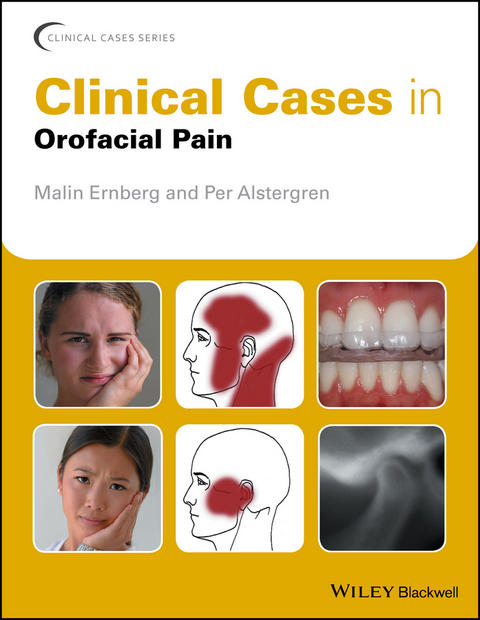
Clinical Cases in Orofacial Pain (eBook)
John Wiley & Sons (Verlag)
978-1-119-19480-4 (ISBN)
Expand your knowledge and put it into practice with this unique, case-based guide
Clinical Cases in Orofacial Pain is a valuable resource for undergraduate dental students as well as residents working towards board certification. Individual cases cover temporomandibular joint disorders, masticatory muscle disorders, headache, neuropathic pain, dental pain, tooth wear, and dystonia. Following the popular Clinical Cases series style, cases are presented with associated academic commentary, including background information, diagnostic criteria and fundamental points that might influence the diagnosis, treatment planning or management of the case.
Well-illustrated throughout, each chapter features self-assessment study questions to help foster independent learning. Clinical Cases in Orofacial Pain is an excellent primer for undergraduate dental students and an invaluable study guide for postgraduate students and residents. Dental practitioners will also want to keep this unique, case-based guide as a ready reference in their working libraries.
About the Editors
Malin Ernberg is Professor and Head of the Section for Orofacial Pain and Jaw Function at the Department of Dental Medicine, Karolinska Institutet, Sweden.
Per Alstergren is Professor and Head of the Orofacial Pain Unit at the Faculty of Odontology, Malmö University, Sweden.
Expand your knowledge and put it into practice with this unique, case-based guide Clinical Cases in Orofacial Pain is a valuable resource for undergraduate dental students as well as residents working towards board certification. Individual cases cover temporomandibular joint disorders, masticatory muscle disorders, headache, neuropathic pain, dental pain, tooth wear, and dystonia. Following the popular Clinical Cases series style, cases are presented with associated academic commentary, including background information, diagnostic criteria and fundamental points that might influence the diagnosis, treatment planning or management of the case. Well-illustrated throughout, each chapter features self-assessment study questions to help foster independent learning. Clinical Cases in Orofacial Pain is an excellent primer for undergraduate dental students and an invaluable study guide for postgraduate students and residents. Dental practitioners will also want to keep this unique, case-based guide as a ready reference in their working libraries.
About the Editors Malin Ernberg is Professor and Head of the Section for Orofacial Pain and Jaw Function at the Department of Dental Medicine, Karolinska Institutet, Sweden. Per Alstergren is Professor and Head of the Orofacial Pain Unit at the Faculty of Odontology, Malmö University, Sweden.
Cover???????????????????????? 1
Title Page?????????????????????????????????? 5
Copyright???????????????????????????????? 6
Contents?????????????????????????????? 9
List of Contributors?????????????????????????????????????????????????????? 13
Preface???????????????????????????? 17
Acknowledgments???????????????????????????????????????????? 19
Abbreviations???????????????????????????????????????? 21
Chapter 1 Diagnostics of Orofacial Pain and Temporomandibular Disorders???????????????????????????????????????????????????????????????????????????????????????????????????????????????????????????????????????????????????????????? 23
Diagnostic Classifications?????????????????????????????????????????????????????????????????? 23
The most common temporomandibular disorders???????????????????????????????????????????????????????????????????????????????????????????????????? 24
Less common temporomandibular disorders: the expanded taxonomy?????????????????????????????????????????????????????????????????????????????????????????????????????????????????????????????????????????? 24
Other orofacial pain conditions???????????????????????????????????????????????????????????????????????????? 25
Clinical Assessment for the Most Common Temporomandibular Disorders/Orofacial Pain Conditions???????????????????????????????????????????????????????????????????????????????????????????????????????????????????????????????????????????????????????????????????????????????????????????????????????? 26
Screening???????????????????????????????? 26
Clinical examination?????????????????????????????????????????????????????? 26
Clinical conditions (Axis I)?????????????????????????????????????????????????????????????????????? 27
Expanded Taxonomy of the Diagnostic Criteria for Temporomandibular Disorders (Axis I)???????????????????????????????????????????????????????????????????????????????????????????????????????????????????????????????????????????????????????????????????????????????????????? 29
I. Temporomandibular joint disorders?????????????????????????????????????????????????????????????????????????????????????? 29
II. Masticatory muscle disorders?????????????????????????????????????????????????????????????????????????????? 30
III. Headache???????????????????????????????????????? 30
IV. Associated structures???????????????????????????????????????????????????????????????? 31
Psychosocial Evaluation (Axis II)???????????????????????????????????????????????????????????????????????????????? 31
Pain and daily activities???????????????????????????????????????????????????????????????? 31
Jaw function?????????????????????????????????????? 31
Depression, anxiety, and physical symptoms?????????????????????????????????????????????????????????????????????????????????????????????????? 31
Parafunctions???????????????????????????????????????? 32
The pain drawing?????????????????????????????????????????????? 32
Learn About Doing These Procedures?????????????????????????????????????????????????????????????????????????????????? 33
References?????????????????????????????????? 33
Chapter 2 Temporomandibular Joint Disorders???????????????????????????????????????????????????????????????????????????????????????????????????? 35
Case 2.1 Arthralgia 37
A. Demographic Data and Reason for Contact 37
B. Symptom History 37
C. Medical History 37
D. Psychosocial History 37
E. Previous Consultations and Treatments 38
F. Extraoral Status 38
Asymmetries???????????????????????????????????? 38
Swelling or redness???????????????????????????????????????????????????? 38
Somatosensory abnormalities???????????????????????????????????????????????????????????????????? 38
Temporomandibular joint???????????????????????????????????????????????????????????? 38
Masticatory muscles???????????????????????????????????????????????????? 38
Jaw movement capacity???????????????????????????????????????????????????????? 38
Neck?????????????????????? 38
G. Intraoral Status 38
Hard tissues and dentition?????????????????????????????????????????????????????????????????? 38
Occlusion???????????????????????????????? 38
H. Additional Examinations and Findings 38
I. Diagnosis/Diagnoses 38
DC/TMD?????????????????????????? 38
J. Case Assessment 38
K. Evidence-based Treatment Plan including Aims 38
L. Prognosis and Discussion 38
Background Information?????????????????????????????????????????????????????????? 38
Diagnostic Criteria???????????????????????????????????????????????????? 39
Fundamental Points?????????????????????????????????????????????????? 39
Self-study Questions?????????????????????????????????????????????????????? 39
References?????????????????????????????????? 39
Answers to Self-study Questions???????????????????????????????????????????????????????????????????????????? 40
Case 2.2 Arthritis 41
A. Demographic Data and Reason for Contact 41
B. Symptom History 41
C. Medical History 41
D. Psychosocial History 41
E. Previous Consultations and Treatments 42
F. Extraoral Status 42
Asymmetries???????????????????????????????????? 42
Somatosensory abnormalities???????????????????????????????????????????????????????????????????? 42
TMJ???????????????????? 42
Masticatory muscles???????????????????????????????????????????????????? 42
Jaw movement capacity???????????????????????????????????????????????????????? 42
Neck examination?????????????????????????????????????????????? 42
G. Intraoral Status 42
Soft tissues?????????????????????????????????????? 42
Hard tissues and dentition?????????????????????????????????????????????????????????????????? 42
Occlusion???????????????????????????????? 42
H. Additional Examinations and Findings 43
I. Diagnosis/Diagnoses 43
Expanded DC/TMD taxonomy?????????????????????????????????????????????????????????????? 43
DC/TMD?????????????????????????? 43
Other???????????????????????? 43
J. Case Assessment 43
K. Evidence-based Treatment Plan including Aims 43
L. Prognosis and Discussion 45
Background Information?????????????????????????????????????????????????????????? 45
Diagnostic Criteria???????????????????????????????????????????????????? 45
Fundamental Points?????????????????????????????????????????????????? 46
Self-study Questions?????????????????????????????????????????????????????? 46
References?????????????????????????????????? 46
Answers to Self-study Questions???????????????????????????????????????????????????????????????????????????? 47
Case 2.3 Disc Displacement with Reduction 49
A. Demographic Data and Reason for Contact 49
B. Symptom History 49
C. Medical History 49
D. Psychosocial History 49
E. Previous Consultations and Treatments 49
F. Extraoral Examination 49
G. Intraoral Examination 49
H. Additional Examinations and Findings 49
I. Diagnosis/Diagnoses 49
DC/TMD?????????????????????????? 49
J. Case Assessment 49
K. Evidence-based Treatment Plan including Aims 49
L. Prognosis and Discussion 50
Background Information?????????????????????????????????????????????????????????? 51
Diagnostic Criteria???????????????????????????????????????????????????? 51
Fundamental Points?????????????????????????????????????????????????? 53
Self-study Questions?????????????????????????????????????????????????????? 53
References?????????????????????????????????? 53
Answers to Self-study Questions???????????????????????????????????????????????????????????????????????????? 53
Case 2.4 Disc Displacement with Reduction with Intermittent Locking 55
A. Demographic Data and Reason for Contact 55
B. Symptom History 55
C. Medical History 55
D. Psychosocial History 55
E. Previous Consultations and Treatments 55
F. Extraoral Status 56
G. Intraoral Status 56
H. Additional Examinations and Findings 56
I. Diagnosis/Diagnoses 56
DC/TMD?????????????????????????? 56
J. Case Assessment 56
K. Evidence-based Treatment Plan including Aims 57
L. Prognosis and Discussion 57
Background Information?????????????????????????????????????????????????????????? 58
Diagnostic Criteria???????????????????????????????????????????????????? 58
Fundamental Points?????????????????????????????????????????????????? 59
Self-study Questions?????????????????????????????????????????????????????? 59
References?????????????????????????????????? 59
Answers to Self-study Questions???????????????????????????????????????????????????????????????????????????? 59
Case 2.5 Disc Displacement without Reduction with Limited Opening 60
A. Demographic Data and Reason for Contact 60
B. Symptom History 60
C. Medical History 60
D. Psychosocial History 60
E. Previous Consultations and Treatments 60
F. Extraoral Status 60
G. Intraoral Status 60
H. Additional Examinations and Findings 61
I. Diagnosis/Diagnoses 61
DC/TMD?????????????????????????? 61
J. Case Assessment 61
K. Evidence-based Treatment Plan including Aims 61
L. Prognosis and Discussion 61
Background Information?????????????????????????????????????????????????????????? 61
Definition, prevalence, and pathophysiology???????????????????????????????????????????????????????????????????????????????????????????????????? 61
Physiotherapeutic exercise management???????????????????????????????????????????????????????????????????????????????????????? 61
Diagnostic Criteria???????????????????????????????????????????????????? 62
Fundamental Points?????????????????????????????????????????????????? 62
Self-study Questions?????????????????????????????????????????????????????? 62
References?????????????????????????????????? 63
Answers to Self-study Questions???????????????????????????????????????????????????????????????????????????? 63
Case 2.6 Disc Displacement without Reduction without Limited Opening 64
A. Demographic Data and Reason for Contact 64
B. Symptom History 64
C. Medical History 64
D. Psychosocial History 64
E. Previous Consultations and Treatments 64
F. Extraoral Status 64
G. Intraoral Status 64
H. Additional Examinations and Findings 64
I. Diagnosis/Diagnoses 65
DC/TMD?????????????????????????? 65
J. Case Assessment 65
K. Evidence-based Treatment Plan including Aims 65
L. Prognosis and Discussion 65
Background Information?????????????????????????????????????????????????????????? 65
Diagnostic Criteria???????????????????????????????????????????????????? 65
Fundamental Points?????????????????????????????????????????????????? 66
Diagnosis, treatment, and prognosis???????????????????????????????????????????????????????????????????????????????????? 66
Self-study Questions?????????????????????????????????????????????????????? 66
References?????????????????????????????????? 66
Answers Self-study to Questions???????????????????????????????????????????????????????????????????????????? 66
Case 2.7 Fibrous Ankylosis 68
A. Demographic Data and Reason for Contact 68
B. Symptom History 68
C. Psychosocial History 68
D. Medical History 68
E. Previous Consultations and Treatments 68
F. Extraoral Status 68
G. Intraoral Status 68
H. Additional Examinations and Findings 68
I. Diagnosis/Diagnoses 68
Expanded DC/TMD???????????????????????????????????????????? 68
DC/TMD?????????????????????????? 68
Other???????????????????????? 68
J. Case Assessment 68
K. Evidence-based Treatment Plan including Aims 70
Treatment goals???????????????????????????????????????????? 70
Management?????????????????????????????????? 70
L. Prognosis and Discussion 70
Background Information?????????????????????????????????????????????????????????? 71
Diagnostic Criteria???????????????????????????????????????????????????? 71
Fundamental Points?????????????????????????????????????????????????? 72
Self-study Questions?????????????????????????????????????????????????????? 72
Referencess???????????????????????????????????? 72
Answers to Self-study Questions???????????????????????????????????????????????????????????????????????????? 72
Case 2.8 Bony Ankylosis 73
A. Demographic Data and Reason for Contact 73
B. Symptom History 73
C. Medical History 73
D. Psychosocial History 73
E. Previous Consultations and Treatment 73
F. Extraoral Status 73
G. Intraoral Status 73
H. Additional Examinations and Findings 73
I. Diagnosis/Diagnoses 73
Expanded DC/TMD???????????????????????????????????????????? 73
Other???????????????????????? 73
J. Case Assessment 73
K. Evidence-based Treatment Plan including Aims 74
Treatment goals???????????????????????????????????????????? 74
Management?????????????????????????????????? 75
L. Prognosis and Discussion 75
Background Information?????????????????????????????????????????????????????????? 75
Diagnostic Criteria???????????????????????????????????????????????????? 76
Fundamental Points?????????????????????????????????????????????????? 76
Self-study Questions?????????????????????????????????????????????????????? 76
References?????????????????????????????????? 76
Answers to Self-study Questions???????????????????????????????????????????????????????????????????????????? 77
Case 2.9 Hypomobility: Coroniod Process Hyperplasia 78
A. Demographic Data and Reason for Contact 78
B. Symptom History 78
C. Psychosocial History 78
D. Medical History 78
E. Previous Consultations and Treatments 78
F. Extraoral Status 78
Face?????????????????????? 78
Temporomandibular joint???????????????????????????????????????????????????????????? 78
Masticatory muscles???????????????????????????????????????????????????? 78
Jaw movement capacity???????????????????????????????????????????????????????? 78
G. Intraoral Status 78
Soft tissues?????????????????????????????????????? 78
Hard tissues?????????????????????????????????????? 78
Occlusion???????????????????????????????? 78
H. Additional Examination and Findings 78
I. Diagnosis/Diagnoses 78
Expanded DC/TMD???????????????????????????????????????????? 78
J. Case Assessment 78
K. Evidence-based Treatment Plan including Aims 79
Treatment goals???????????????????????????????????????????? 79
Management?????????????????????????????????? 79
L. Prognosis and Discussion 79
Background Information?????????????????????????????????????????????????????????? 79
Diagnostic Criteria???????????????????????????????????????????????????? 80
Fundamental Points?????????????????????????????????????????????????? 80
Self-study Questions?????????????????????????????????????????????????????? 80
References?????????????????????????????????? 80
Answers to Self-study Questions???????????????????????????????????????????????????????????????????????????? 81
Case 2.10 Degenerative Joint Disease 83
A. Demographic Data and Reason for Contact 83
B. Symptom History 83
C. Medical History 83
D. Psychosocial History 83
E. Previous Consultations and Treatments 83
F. Extraoral Status 84
Asymmetries???????????????????????????????????? 84
Somatosensory abnormalities???????????????????????????????????????????????????????????????????? 84
Temporomandibular joint???????????????????????????????????????????????????????????? 84
Masticatory muscles???????????????????????????????????????????????????? 84
Jaw movement capacity???????????????????????????????????????????????????????? 84
Neck examination?????????????????????????????????????????????? 84
G. Intraoral Status 84
Soft tissues?????????????????????????????????????? 84
Hard tissues and dentition?????????????????????????????????????????????????????????????????? 84
Occlusion???????????????????????????????? 84
H. Additional Examinations and Findings 84
I. Diagnosis/Diagnoses 85
DC/TMD?????????????????????????? 85
Expanded DC/TMD???????????????????????????????????????????? 85
J. Case Assessment 85
K. Evidence-based Treatment Plan including Aims 85
L. Prognosis and Discussion 85
Background Information?????????????????????????????????????????????????????????? 85
Diagnostic Criteria???????????????????????????????????????????????????? 86
1. Osteoarthrosis???????????????????????????????????????????????? 86
2. Osteoarthritis???????????????????????????????????????????????? 86
Fundamental Points?????????????????????????????????????????????????? 87
Self-study Questions?????????????????????????????????????????????????????? 87
References?????????????????????????????????? 87
Answers to Self-study Questions???????????????????????????????????????????????????????????????????????????? 87
Case 2.11 Rheumatoid Arthritis with Temporomandibular Joint Involvement 89
A. Demographic Data and Reason for Contact 89
B. Symptom History 89
C. Medical History 89
D. Psychosocial History 90
E. Previous Consultations and Treatments 90
F. Extraoral Status 90
Asymmetries???????????????????????????????????? 90
Somatosensory abnormalities???????????????????????????????????????????????????????????????????? 90
Temporomandibular joint???????????????????????????????????????????????????????????? 90
Masticatory muscles???????????????????????????????????????????????????? 90
Jaw movement capacity???????????????????????????????????????????????????????? 90
Neck examination?????????????????????????????????????????????? 90
G. Intraoral Status 90
Soft tissues?????????????????????????????????????? 90
Hard tissues and dentition?????????????????????????????????????????????????????????????????? 90
Occlusion???????????????????????????????? 90
H. Additional Examinations and Findings 90
I. Diagnosis/Diagnoses 90
Expanded DC/TMD???????????????????????????????????????????? 90
DC/TMD?????????????????????????? 90
J. Case Assessment 90
K. Evidence-based Treatment Plan including Aims 91
L. Prognosis and Discussion 92
Background Information?????????????????????????????????????????????????????????? 92
Diagnostic Criteria???????????????????????????????????????????????????? 92
Fundamental Points?????????????????????????????????????????????????? 93
Self-study Questions?????????????????????????????????????????????????????? 93
References?????????????????????????????????? 93
Answers to Self-study Questions???????????????????????????????????????????????????????????????????????????? 94
Case 2.12 Juvenile Idiopathic Arthritis 95
A. Demographic Data and Reason for Contact 95
B. Symptom History 95
C. Medical History 95
D. Psychosocial History 95
E. Previous Consultations and Treatments 95
F. Extraoral Status 95
G. Intraoral Status 95
H. Diagnosis/Diagnoses 95
Expanded DC/TMD???????????????????????????????????????????? 95
DC/TMD?????????????????????????? 96
Other???????????????????????? 96
I. Additional Examinations and Findings 96
J. Case Assessment 96
K. Evidence-based Treatment Plan including Aims 96
L. Prognosis and Discussion 97
Background Information?????????????????????????????????????????????????????????? 97
Diagnostic Criteria???????????????????????????????????????????????????? 97
Fundamental Points?????????????????????????????????????????????????? 98
Self-study Questions?????????????????????????????????????????????????????? 98
References?????????????????????????????????? 99
Answers to Self-study Questions???????????????????????????????????????????????????????????????????????????? 99
Case 2.13 Neoplasms of the Temporomandibular Joint: Benign Osteochondroma of the Coronoid Process 101
A. Demographic Data and Reason for Contact 101
B. Symptom History 101
C. Medical History 101
D. Psychosocial History 101
E. Previous Consultations and Treatments 101
F. Extraoral Status 101
Weight and height 101
Facial asymmetry?????????????????????????????????????????????? 101
Swelling or redness???????????????????????????????????????????????????? 101
Neurologic findings???????????????????????????????????????????????????? 101
Motor function abnormalities?????????????????????????????????????????????????????????????????????? 101
Temporomandibular Joint???????????????????????????????????????????????????????????? 101
Masticatory muscles???????????????????????????????????????????????????? 101
Jaw movement capacity???????????????????????????????????????????????????????? 101
Neck?????????????????????? 101
G. Intraoral Status 101
Soft tissues?????????????????????????????????????? 101
Hard tissues?????????????????????????????????????? 101
Occlusion???????????????????????????????? 101
H. Additional Examinations and Findings 102
I. Diagnosis/Diagnoses 102
Expanded DC/TMD???????????????????????????????????????????? 102
J. Case Assessment 102
K. Evidence-based Treatment Plan including Aims 102
L. Prognosis and Discussion 102
Background Information?????????????????????????????????????????????????????????? 102
Diagnostic Criteria???????????????????????????????????????????????????? 102
Histopathological criteria for osteochondroma???????????????????????????????????????????????????????????????????????????????????????????????????????? 103
Fundamental Points?????????????????????????????????????????????????? 103
Self-study Questions?????????????????????????????????????????????????????? 103
References?????????????????????????????????? 103
Answers to Self-study Questions???????????????????????????????????????????????????????????????????????????? 103
Case 2.14 Neoplasms of the Temporomandibular Joint: Malign Chondrosarcoma of the Condyle 105
A. Demographic Data and Reason for Contact 105
B. Symptom History 105
C. Medical History 105
D. Psychosocial History 105
E. Previous Consultations and Treatments 105
F. Extraoral Status 105
Weight and height???????????????????????????????????????????????? 105
Facial asymmetry?????????????????????????????????????????????? 105
Neurologic findings???????????????????????????????????????????????????? 105
Motor function abnormalities?????????????????????????????????????????????????????????????????????? 105
Temporomandibular joint???????????????????????????????????????????????????????????? 105
Masticatory muscles???????????????????????????????????????????????????? 105
Jaw movement capacity???????????????????????????????????????????????????????? 105
Neck?????????????????????? 105
G. Intraoral Status 105
Soft tissues?????????????????????????????????????? 105
Hard tissues?????????????????????????????????????? 105
Occlusion???????????????????????????????? 105
H. Additional Examinations and Findings 105
I. Diagnosis/Diagnoses 105
Expanded DC/TMD???????????????????????????????????????????? 105
Other???????????????????????? 105
J. Evidence-based Treatment Plan, including Aims 107
Aim???????????????????? 107
Treatment???????????????????????????????? 107
K. Prognosis and Discussion 107
Background Information?????????????????????????????????????????????????????????? 107
Diagnostic Criteria???????????????????????????????????????????????????? 107
Histopathological diagnostic criteria for chondrosarcoma?????????????????????????????????????????????????????????????????????????????????????????????????????????????????????????????? 107
Fundamental Points?????????????????????????????????????????????????? 107
Self-study Questions?????????????????????????????????????????????????????? 108
References?????????????????????????????????? 108
Answers to Self-study Questions???????????????????????????????????????????????????????????????????????????? 108
Case 2.15 Synovial Chondromatosis 109
A. Demographic Data and Reason for Contact 109
B. Symptom History 109
C. Medical History 109
D. Psychosocial History 109
E. Previous Consultations and Treatments 109
F. Extraoral Status 109
Face?????????????????????? 109
Temporomandibular joint???????????????????????????????????????????????????????????? 109
Masticatory muscles???????????????????????????????????????????????????? 109
Jaw movement capacity???????????????????????????????????????????????????????? 109
Neck?????????????????????? 109
G. Intraoral Status 109
Soft tissues?????????????????????????????????????? 109
Hard tissues?????????????????????????????????????? 109
Occlusion???????????????????????????????? 109
H. Additional Examination and Findings 110
I. Diagnosis/Diagnoses 110
Expanded DC/TMD???????????????????????????????????????????? 110
DC/TMD?????????????????????????? 110
J. Case Assessment 110
K. Evidence-based Treatment Plan including Aims 110
L. Prognosis and Discussion 110
Background Information?????????????????????????????????????????????????????????? 111
Diagnostic Criteria???????????????????????????????????????????????????? 113
Fundamental Points?????????????????????????????????????????????????? 113
Issues important for diagnosis, treatment plan, and management of the case?????????????????????????????????????????????????????????????????????????????????????????????????????????????????????????????????????????????????????????????????? 113
Self-study Questions?????????????????????????????????????????????????????? 114
References?????????????????????????????????? 114
Answers to Self-study Questions???????????????????????????????????????????????????????????????????????????? 114
Case 2.16 Mandibular Condylar Fracture 116
A. Demographic Data and Reason for Contact 116
B. Symptom History 116
C. Medical History 116
D. Psychosocial History 116
E. Previous Consultations and Treatments 116
F. Extraoral Status 116
G. Intraoral Status 116
Soft tissues?????????????????????????????????????? 116
Hard tissues and dentition?????????????????????????????????????????????????????????????????? 116
Occlusion???????????????????????????????? 116
Saliva?????????????????????????? 116
H. Additional Examination and Findings 116
I. Diagnosis/Diagnoses 117
Expanded DC/TMD???????????????????????????????????????????? 117
DC/TMD?????????????????????????? 117
Other???????????????????????? 117
J. Case Assessment 117
K. Evidence-based Treatment Plan including Aims 117
L. Prognosis and Discussion 117
Background Information?????????????????????????????????????????????????????????? 118
Diagnostic Criteria???????????????????????????????????????????????????? 119
Fundamental Points?????????????????????????????????????????????????? 119
Issues important for diagnosis, treatment plan, and management of the case?????????????????????????????????????????????????????????????????????????????????????????????????????????????????????????????????????????????????????????????????? 119
Self-study Questions?????????????????????????????????????????????????????? 119
References?????????????????????????????????? 119
Answers to Self-study Questions???????????????????????????????????????????????????????????????????????????? 120
Chapter 3 Masticatory Muscle Disorders?????????????????????????????????????????????????????????????????????????????????????????? 121
Case 3.1 Myalgia with Limited Emotional Disturbance 123
A. Demographic Data and Reason for Contact 123
B. Symptom History 123
C. Medical History 123
D. Psychosocial History 123
E. Previous Consultations and Treatments 123
F. Extraoral Status 124
Face?????????????????????? 124
Temporomandibular joint???????????????????????????????????????????????????????????? 124
Masticatory muscles???????????????????????????????????????????????????? 124
Jaw movement capacity???????????????????????????????????????????????????????? 124
Neck and shoulders?????????????????????????????????????????????????? 124
G. Intraoral Status 124
Soft tissues?????????????????????????????????????? 124
Hard tissues and dentition?????????????????????????????????????????????????????????????????? 124
Occlusion???????????????????????????????? 124
Saliva?????????????????????????? 124
H. Additional Examinations and Findings 124
I. Diagnoses 124
J. Case Assessment 124
K. Evidence-based Treatment Plan including Aims 124
L. Prognosis and Discussion 124
Background Information?????????????????????????????????????????????????????????? 125
Diagnostic Criteria???????????????????????????????????????????????????? 125
Fundamental Points?????????????????????????????????????????????????? 125
Self-study Questions?????????????????????????????????????????????????????? 125
References?????????????????????????????????? 125
Answers to Self-study Questions???????????????????????????????????????????????????????????????????????????? 126
Case 3.2 Myalgia with Emotional Disturbance 127
A. Demographic Data and Reason for Contact 127
B. Symptom History 127
C. Medical History 127
D. Psychosocial History 127
E. Previous Consultations and Treatments 127
F. Extraoral Status 128
General and face?????????????????????????????????????????????? 128
Neurologic findings???????????????????????????????????????????????????? 128
Somatosensory and motor function?????????????????????????????????????????????????????????????????????????????? 128
Temporomandibular joint???????????????????????????????????????????????????????????? 128
Masticatory muscles???????????????????????????????????????????????????? 128
Jaw movement capacity???????????????????????????????????????????????????????? 128
Neck and shoulders?????????????????????????????????????????????????? 128
G. Intraoral Status 128
Soft tissues?????????????????????????????????????? 128
Hard tissues and dentition?????????????????????????????????????????????????????????????????? 128
Occlusion???????????????????????????????? 128
Saliva?????????????????????????? 128
H. Additional Examinations and Findings 128
I. Diagnosis/Diagnoses 128
DC/TMD?????????????????????????? 128
ICHD-3 beta???????????????????????????????????? 128
J. Case Assessment 128
K. Evidence-based Treatment Plan including Aims 128
L. Prognosis and Discussion 129
Background Information?????????????????????????????????????????????????????????? 129
Diagnostic Criteria???????????????????????????????????????????????????? 129
Fundamental Points?????????????????????????????????????????????????? 129
Self-study Questions?????????????????????????????????????????????????????? 130
References?????????????????????????????????? 130
Answers to Self-study Questions???????????????????????????????????????????????????????????????????????????? 130
Case 3.3 Myalgia in Adolescents 131
A. Demographic Data and Reason for Contact 131
B. Symptom History 131
C. Medical History 131
D. Psychosocial History 131
E. Previous Consultation and Treatment 131
F. Extraoral Status 131
Head and neck???????????????????????????????????????? 131
Hypermobility???????????????????????????????????????? 131
Weight and height???????????????????????????????????????????????? 132
Neurologic findings???????????????????????????????????????????????????? 132
Somatosensory abnormalities???????????????????????????????????????????????????????????????????? 132
Motor function abnormalities?????????????????????????????????????????????????????????????????????? 132
Temporomandibular joint???????????????????????????????????????????????????????????? 132
Masticatory muscles???????????????????????????????????????????????????? 132
Jaw movements???????????????????????????????????????? 132
Neck?????????????????????? 132
G. Intraoral Status 132
Dentition???????????????????????????????? 132
Occlusion???????????????????????????????? 132
H. Additional Examination and Findings 132
I. Diagnosis/Diagnoses 132
DC/TMD?????????????????????????? 132
J. Case Assessment 133
K. Evidence-based Treatment Plan including Aims 133
L. Prognosis and Discussion 133
Background Information?????????????????????????????????????????????????????????? 134
Diagnostic Criteria???????????????????????????????????????????????????? 134
Fundamental Points?????????????????????????????????????????????????? 135
Self-study Questions?????????????????????????????????????????????????????? 135
References?????????????????????????????????? 135
Answers to Self-study Questions???????????????????????????????????????????????????????????????????????????? 135
Case 3.4 Myofascial Pain 137
A. Demographic Data and Reason for Contact 137
B. Symptom History 137
C. Medical History 137
D. Psychosocial History 137
E. Previous Consultations and Treatments 137
F. Extraoral Status 138
Face?????????????????????? 138
Mandibular active range of motion???????????????????????????????????????????????????????????????????????????????? 138
Temporomandibular joint???????????????????????????????????????????????????????????? 138
Masticatory muscle palpation?????????????????????????????????????????????????????????????????????? 138
G. Intraoral Status 138
H. Additional Examinations and Findings 138
I. Diagnosis/Diagnoses 138
DC/TMD?????????????????????????? 138
ICHD-3?????????????????????????? 138
Other???????????????????????? 138
J. Case Assessment 138
K. Evidence-based Treatment Plan including Aims 139
L. Prognosis and Discussion 139
Background Information?????????????????????????????????????????????????????????? 139
Diagnostic Criteria???????????????????????????????????????????????????? 140
Fundamental Points?????????????????????????????????????????????????? 140
Self-study Questions?????????????????????????????????????????????????????? 141
References?????????????????????????????????? 141
Answers to Self-study Questions???????????????????????????????????????????????????????????????????????????? 141
Case 3.5 Temporalis Tendonitis 143
A. Demographic Data and Reason for Contact 143
B. Symptom History 143
C. Medical History 143
D. Psychosocial History 143
E. Previous Consultations and Treatments 143
F. Extraoral Status 144
Asymmetries???????????????????????????????????? 144
Swelling or redness???????????????????????????????????????????????????? 144
Neurologic findings???????????????????????????????????????????????????? 144
Somatosensory abnormalities???????????????????????????????????????????????????????????????????? 144
Motor function abnormalities?????????????????????????????????????????????????????????????????????? 144
Temporomandibular joint???????????????????????????????????????????????????????????? 144
Masticatory muscles???????????????????????????????????????????????????? 144
Jaw movement capacity???????????????????????????????????????????????????????? 144
Neck?????????????????????? 144
G. Intraoral Status 144
Occlusion???????????????????????????????? 144
H. Additional Examinations and Findings 144
I. Diagnosis/Diagnoses 144
Expanded DC/TMD???????????????????????????????????????????? 144
DC/TMD?????????????????????????? 144
J. Case Assessment 144
K. Evidence-based Treatment Plan including Aims 145
L. Prognosis and Discussion 145
Background Information?????????????????????????????????????????????????????????? 146
Diagnostic Criteria???????????????????????????????????????????????????? 146
Fundamental Points?????????????????????????????????????????????????? 146
Diagnosis???????????????????????????????? 146
Treatment plan?????????????????????????????????????????? 146
Management?????????????????????????????????? 147
Self-study Questions?????????????????????????????????????????????????????? 147
References?????????????????????????????????? 147
Answers to Self-study Questions???????????????????????????????????????????????????????????????????????????? 147
Case 3.6 Masticatory Muscle Myositis 149
A. Demographic Data and Reason for Contact 149
B. Symptom History 149
C. Medical History 149
D. Psychosocial History 149
E. Previous Consultations and Treatments 149
F. Extraoral Status 149
Face?????????????????????? 149
Temporomandibular joint???????????????????????????????????????????????????????????? 150
Masticatory muscles???????????????????????????????????????????????????? 150
Jaw movement capacity???????????????????????????????????????????????????????? 150
Neck?????????????????????? 150
G. Intraoral Status 150
Soft tissues?????????????????????????????????????? 150
Hard tissues?????????????????????????????????????? 150
Occlusion???????????????????????????????? 150
H. Additional Examinations and Findings 150
I. Diagnosis/Diagnoses 150
Expanded DC/TMD???????????????????????????????????????????? 150
DC/TMD?????????????????????????? 150
J. Case Assessment 150
K. Evidence-based Treatment Plan including Aims 150
Treatment goals???????????????????????????????????????????? 150
Management?????????????????????????????????? 151
L. Prognosis and Discussion 151
Background Information?????????????????????????????????????????????????????????? 151
Diagnostic Criteria???????????????????????????????????????????????????? 152
Fundamental Points?????????????????????????????????????????????????? 153
Self-study Questions?????????????????????????????????????????????????????? 153
References?????????????????????????????????? 153
Answers to Self-study Questions???????????????????????????????????????????????????????????????????????????? 154
Case 3.7 Contracture 156
A. Demographic Data and Reason for Contact 156
B. Symptom History 156
C. Medical History 156
D. Psychosocial History 156
E. Previous Consultations and Treatments 157
F. Extraoral Status 157
Asymmetries???????????????????????????????????? 157
Swelling or redness???????????????????????????????????????????????????? 157
Neurologic findings???????????????????????????????????????????????????? 157
Somatosensory abnormalities???????????????????????????????????????????????????????????????????? 157
Motor function abnormalities?????????????????????????????????????????????????????????????????????? 157
Temporomandibular joint???????????????????????????????????????????????????????????? 157
Masticatory muscles???????????????????????????????????????????????????? 157
Jaw movement capacity???????????????????????????????????????????????????????? 157
Neck?????????????????????? 157
G. Intraoral Status 157
Soft tissues and hard tissues???????????????????????????????????????????????????????????????????????? 157
Occlusion???????????????????????????????? 158
Saliva?????????????????????????? 158
H. Additional Examinations and Findings 158
I. Diagnosis/Diagnoses 158
Expanded DC/TMD???????????????????????????????????????????? 158
Other???????????????????????? 158
J. Case Assessment 158
K. Evidence-based Treatment Plan including Aims 158
L. Prognosis and Discussion 159
Background Information?????????????????????????????????????????????????????????? 159
Diagnostic Criteria???????????????????????????????????????????????????? 159
Fundamental Points?????????????????????????????????????????????????? 160
Diagnosis???????????????????????????????? 160
Treatment plan?????????????????????????????????????????? 160
Management?????????????????????????????????? 161
Relapse prevention?????????????????????????????????????????????????? 161
Self-study Questions?????????????????????????????????????????????????????? 161
References?????????????????????????????????? 162
Answers to Self-study Questions???????????????????????????????????????????????????????????????????????????? 162
Case 3.8 Masticatory Muscle Hypertrophy 163
A. Demographic Data and Reason for Contact 163
B. Symptom History 163
C. Medical History 163
D. Psychosocial History 163
E. Previous Consultations and Treatment 163
F. Extraoral Status 163
Face?????????????????????? 163
Temporomandibular joint???????????????????????????????????????????????????????????? 164
Masticatory muscles???????????????????????????????????????????????????? 164
Jaw movement capacity???????????????????????????????????????????????????????? 164
Neck?????????????????????? 164
G. Intraoral status 164
Soft tissues?????????????????????????????????????? 164
Hard tissues?????????????????????????????????????? 164
Occlusion???????????????????????????????? 164
H. Additional Examinations and Findings 164
I. Diagnosis/Diagnoses 164
Expanded DC/TMD???????????????????????????????????????????? 164
DC/TMD?????????????????????????? 164
J. Case Assessment 164
K. Evidence-based Treatment Plan including Aims 165
Treatment goals???????????????????????????????????????????? 165
Management?????????????????????????????????? 165
L. Prognosis and Discussion 165
Background Information?????????????????????????????????????????????????????????? 165
Diagnostic Criteria???????????????????????????????????????????????????? 166
Fundamental Points?????????????????????????????????????????????????? 166
Self-study Questions?????????????????????????????????????????????????????? 167
References?????????????????????????????????? 167
Answers to Self-study Questions???????????????????????????????????????????????????????????????????????????? 168
Case 3.9 Jaw and Neck Pain 170
A. Demographics Data and Reason for Contact 170
B. Symptom History 170
C. Medical History 170
D. Psychosocial History 170
E. Previous Consultations and Treatments 170
F. Extraoral Status 170
G. Intraoral Status 170
H. Additional Examinations and Findings 170
I. Diagnosis/Diagnoses 171
DC/TMD?????????????????????????? 171
ICHD-3 beta???????????????????????????????????? 171
Other???????????????????????? 171
J. Case Assessment 171
K. Evidence-based Treatment including Aims 171
L. Prognosis and Discussion 171
Background Information?????????????????????????????????????????????????????????? 171
Diagnostic Criteria???????????????????????????????????????????????????? 171
Fundamental Points?????????????????????????????????????????????????? 172
Patient-Therapist Interaction???????????????????????????????????????????????????????????????????????? 172
Perspective 1: medical focus?????????????????????????????????????????????????????????????????????? 172
Perspective 2: focus on pain education?????????????????????????????????????????????????????????????????????????????????????????? 173
Perspective 3: focus on combined expertise?????????????????????????????????????????????????????????????????????????????????????????????????? 173
Self-study Questions?????????????????????????????????????????????????????? 174
Acknowledgements?????????????????????????????????????????????? 174
References?????????????????????????????????? 174
Answers to Self-study Questions???????????????????????????????????????????????????????????????????????????? 174
Case 3.10 Whiplash-Associated Disorders 176
A. Demographic Data and Reason for Contact 176
B. Symptom History 176
C. Medical History 176
D. Psychosocial History 176
E. Previous Consultations and Treatments 176
F. Extraoral Status 176
Face?????????????????????? 176
Neurologic function and motor function?????????????????????????????????????????????????????????????????????????????????????????? 177
Somatosensory abnormalities???????????????????????????????????????????????????????????????????? 177
Temporomandibular joint???????????????????????????????????????????????????????????? 177
Masticatory muscles???????????????????????????????????????????????????? 177
Jaw movement capacity???????????????????????????????????????????????????????? 177
Neck examination?????????????????????????????????????????????? 177
G. Intraoral Status 177
H. Additional Examinations and Findings 177
I. Diagnosis/Diagnoses 177
DC/TMD?????????????????????????? 177
ICHD-3 beta???????????????????????????????????? 177
Other???????????????????????? 177
J. Case Assessment 177
K. Evidence-based Treatment Plan including Aims 177
L. Prognosis and Discussion 178
Background Information?????????????????????????????????????????????????????????? 178
Diagnostic Criteria???????????????????????????????????????????????????? 179
Criteria?????????????????????????????? 179
Fundamental Points?????????????????????????????????????????????????? 179
Treatment plan?????????????????????????????????????????? 179
Management?????????????????????????????????? 179
Relapse prevention?????????????????????????????????????????????????? 180
Self-study Questions?????????????????????????????????????????????????????? 180
References?????????????????????????????????? 180
Answers to Self-Study Questions???????????????????????????????????????????????????????????????????????????? 180
Case 3.11 Fibromyalgia 182
A. Demographic Data and Reason for Contact 182
B. Symptom History 182
C. Medical History 182
D. Psychosocial History 182
E. Previous Consultations and Treatments 182
F. Extraoral Status 182
Jaw movement capacity???????????????????????????????????????????????????????? 182
Temporomandibular joint???????????????????????????????????????????????????????????? 183
Jaw muscles???????????????????????????????????? 183
Neck examination?????????????????????????????????????????????? 183
G. Intraoral Status 183
H. Additional Examinations and Findings 183
I. Diagnosis/Diagnoses 183
DC/TMD?????????????????????????? 183
Expanded taxonomy for TMD???????????????????????????????????????????????????????????????? 183
Other???????????????????????? 183
J. Case Assessment 183
K. Evidence-based Treatment Plan including Aims 184
Patient education and self-management???????????????????????????????????????????????????????????????????????????????????????? 184
Pharmacologic management?????????????????????????????????????????????????????????????? 184
Jaw movement rehabilitation???????????????????????????????????????????????????????????????????? 184
L. Prognosis and Discussion???????????????????????????????????????????????????????????????????? 184
Background Information?????????????????????????????????????????????????????????? 185
Diagnostic Criteria???????????????????????????????????????????????????? 185
Fundamental Points?????????????????????????????????????????????????? 185
Classification?????????????????????????????????????????? 185
Management?????????????????????????????????? 186
Fibromyalgia and temporomandibular disorder???????????????????????????????????????????????????????????????????????????????????????????????????? 186
Self-study Questions?????????????????????????????????????????????????????? 186
References?????????????????????????????????? 186
Answers to Self study Questions???????????????????????????????????????????????????????????????????????????? 187
Chapter 4 Other Orofacial Pains???????????????????????????????????????????????????????????????????????????? 189
Case 4.1 Headache Attributed to Temporomandibular Disorders 191
A. Demographic Data and Reason for Contact 191
B. Symptom History 191
C. Medical History 191
D. Psychosocial History 192
E. Previous Consultations and Treatments 192
F. Extraoral Status 192
General???????????????????????????? 192
Head and face???????????????????????????????????????? 192
TMJ???????????????????? 192
Masticatory muscles???????????????????????????????????????????????????? 192
Jaw movement capacity???????????????????????????????????????????????????????? 192
Somatosensory abnormalities???????????????????????????????????????????????????????????????????? 192
Neck?????????????????????? 192
G. Intraoral Status 192
Soft tissues?????????????????????????????????????? 193
Hard tissues and dentition?????????????????????????????????????????????????????????????????? 193
Occlusion???????????????????????????????? 193
H. Additional Examinations and Findings 193
I. Diagnosis/Diagnoses 193
DC/TMD?????????????????????????? 193
Other???????????????????????? 193
J. Case Assessment 193
K. Evidence-based Treatment Plan including Aims 193
L. Prognosis and Discussion 193
Background Information?????????????????????????????????????????????????????????? 194
Diagnostic Criteria???????????????????????????????????????????????????? 194
Fundamental Points?????????????????????????????????????????????????? 194
Self-study Questions?????????????????????????????????????????????????????? 195
References?????????????????????????????????? 195
Answers to Self-study Questions???????????????????????????????????????????????????????????????????????????? 195
Case 4.2 Trigeminal Neuralgia 197
A. Demographic Data and Reason for Contact 197
B. Symptom History 197
C. Medical History 197
D. Psychosocial History 197
E. Previous Consultations and Treatments 197
F. Extraoral Status 197
G. Intraoral Status 197
H. Additional Examinations and Findings 198
I. Diagnosis/Diagnoses 198
ICDH-3 beta???????????????????????????????????? 198
J. Case Assessment 198
K. Evidence-based Treatment Plan including Aims 198
L. Prognosis and Discussion 198
Background Information?????????????????????????????????????????????????????????? 198
Epidemiology?????????????????????????????????????? 198
Aetiology and pathophysiology???????????????????????????????????????????????????????????????????????? 199
Diagnosis???????????????????????????????? 199
Management?????????????????????????????????? 200
Diagnostic Criteria???????????????????????????????????????????????????? 201
Fundamental Points?????????????????????????????????????????????????? 201
Self-study Questions?????????????????????????????????????????????????????? 201
References?????????????????????????????????? 202
Answers to Self-study Questions???????????????????????????????????????????????????????????????????????????? 202
Case 4.3 Postherpetic Trigeminal Neuropathy 203
A. Demographic Data and Reason for Contact 203
B. Symptom History 203
C. Medical History 203
D. Psychosocial History 203
E. Previous Consultations and Treatments 203
F. Extraoral Status 204
Face?????????????????????? 204
Temporomandibular joint???????????????????????????????????????????????????????????? 204
Masticatory muscles???????????????????????????????????????????????????? 204
Jaw movements???????????????????????????????????????? 204
Neck?????????????????????? 204
G. Intraoral Status 204
Hard tissues?????????????????????????????????????? 204
Soft tissues?????????????????????????????????????? 204
Occlusion???????????????????????????????? 204
H. Additional Examinations and Findings 204
I. Diagnosis/Diagnoses 204
ICHD-3 beta???????????????????????????????????? 204
J. Case Assessment 204
K. Evidence-based Treatment Plan including Aims 205
Aims?????????????????????? 205
Management?????????????????????????????????? 205
L. Prognosis and Discussion 205
Background Information?????????????????????????????????????????????????????????? 205
Etiology and epidemiology???????????????????????????????????????????????????????????????? 205
Pathophysiology???????????????????????????????????????????? 205
Diagnostics???????????????????????????????????? 206
Prognosis???????????????????????????????? 207
Diagnostic Criteria???????????????????????????????????????????????????? 207
Comment???????????????????????????? 207
Fundamental Points?????????????????????????????????????????????????? 207
Key points for diagnosis?????????????????????????????????????????????????????????????? 207
Additional key points???????????????????????????????????????????????????????? 207
Pharmacological treatment and prevention?????????????????????????????????????????????????????????????????????????????????????????????? 208
Self-study Questions?????????????????????????????????????????????????????? 208
References?????????????????????????????????? 208
Answers to Self-study Questions???????????????????????????????????????????????????????????????????????????? 208
Case 4.4 Post-traumatic Trigeminal Neuropathy 210
A. Demographic Data and Reason for Contact 210
B. Symptom History 210
C. Medical History 210
D. Psychosocial History 210
E. Previous Consultations and Treatments 210
F. Extraoral exam 211
Face and neck???????????????????????????????????????? 211
Neurological findings???????????????????????????????????????????????????????? 211
Temporomandibular joint???????????????????????????????????????????????????????????? 211
Masticatory muscles???????????????????????????????????????????????????? 211
G. Intraoral exam 211
Soft tissues?????????????????????????????????????? 211
Hard tissues?????????????????????????????????????? 211
H. Additional Examination and Findings 211
Neurosensory testing?????????????????????????????????????????????????????? 211
I. Diagnosis 212
ICHD-3 beta???????????????????????????????????? 212
J. Case Assessment 212
K. Evidence-based Treatment Plan including Aims 212
Aims of treatment???????????????????????????????????????????????? 212
Treatment plan?????????????????????????????????????????? 212
L. Prognosis and Discussion 212
Background Information?????????????????????????????????????????????????????????? 213
Diagnostic Criteria???????????????????????????????????????????????????? 213
Criteria?????????????????????????????? 213
Fundamental Points?????????????????????????????????????????????????? 213
Pharmacological treatment of post-traumatic trigeminal neuropathy???????????????????????????????????????????????????????????????????????????????????????????????????????????????????????????????????????????????? 213
Prevention?????????????????????????????????? 214
Patient assessment?????????????????????????????????????????????????? 214
Self-study Questions?????????????????????????????????????????????????????? 215
References?????????????????????????????????? 215
Answers to Self-study Questions???????????????????????????????????????????????????????????????????????????? 215
Case 4.5 A typical Odontalgia/Persistent Dentoalveolar Pain 217
A. Demographic Data and Reason for Contact 217
B. Symptom History 217
C. Medical History 217
D. Psychosocial History 217
E. Previous Consultations and Treatments 217
F. Extraoral Status 217
G. Intraoral Status 218
H. Additional Examinations and Findings 218
I. Diagnosis/Diagnoses 218
Other???????????????????????? 218
ICHD-3 beta???????????????????????????????????? 219
DC/TMD?????????????????????????? 219
J. Case Assessment 219
K. Evidence-based Treatment Plan including Aims 220
L. Prognosis and Discussion 220
Background information?????????????????????????????????????????????????????????? 220
Diagnostic Criteria???????????????????????????????????????????????????? 220
Criteria?????????????????????????????? 221
Fundamental Points?????????????????????????????????????????????????? 221
Classification?????????????????????????????????????????? 221
Neurophysiological tests?????????????????????????????????????????????????????????????? 221
Management of atypical odontalgia/persistent dentoalveolar pain???????????????????????????????????????????????????????????????????????????????????????????????????????????????????????????????????????????? 222
Self-study Questions?????????????????????????????????????????????????????? 222
References?????????????????????????????????? 222
Answers to Self-study Questions???????????????????????????????????????????????????????????????????????????? 222
Case 4.6 Clinical Case: Burning Mouth Syndrome 224
A. Demographic Data and Reason for Contact 224
B. Symptom History 224
C. Medical History 224
D. Psychosocial History 224
E. Previous Consultation and Treatments 224
F. Extraoral Status 224
G. Intraoral Status 225
H. Additional Examinations and Findings 225
I. Diagnosis/Diagnoses 225
ICHD-3 beta???????????????????????????????????? 225
J. Case Assessment 225
K. Evidence-based Treatment Plan including Aims 225
L. Prognosis and Discussion 226
Background Information?????????????????????????????????????????????????????????? 226
Clinical presentation???????????????????????????????????????????????????????? 226
Terminology, prevalence, and incidence?????????????????????????????????????????????????????????????????????????????????????????? 226
Etiology and pathophysiology?????????????????????????????????????????????????????????????????????? 227
Diagnostic Criteria???????????????????????????????????????????????????? 227
Criteria?????????????????????????????? 227
Fundamental Points?????????????????????????????????????????????????? 227
Diagnostics???????????????????????????????????? 227
Physical examination?????????????????????????????????????????????????????? 228
Potential causes of burning mouth symptoms to exclude???????????????????????????????????????????????????????????????????????????????????????????????????????????????????????? 228
Treatment options for burning mouth syndrome?????????????????????????????????????????????????????????????????????????????????????????????????????? 229
Self-study Questions?????????????????????????????????????????????????????? 229
References?????????????????????????????????? 229
Answers to Self-study Questions???????????????????????????????????????????????????????????????????????????? 230
Case 4.7 Pain Due to Pulpitis 233
A. Demographic Data and Reason for Contact 233
B. Symptom History 233
C. Medical History 233
D. Psychosocial History 233
E. Previous Consultations and Treatments 233
F. Extraoral Status 233
G. Intraoral Status 233
Soft tissues?????????????????????????????????????? 233
Hard tissues and dentition?????????????????????????????????????????????????????????????????? 233
H. Additional Examinations and Findings 233
I. Diagnosis/Diagnoses 233
Other???????????????????????? 233
J. Case Assessment 233
K. Evidence-based Treatment Plan including Aims 234
L. Prognosis and Discussion 234
Background Information?????????????????????????????????????????????????????????? 235
Diagnostic Criteria???????????????????????????????????????????????????? 235
Fundamental points?????????????????????????????????????????????????? 236
Endondontic diagnostics???????????????????????????????????????????????????????????? 236
Pulpal diagnoses?????????????????????????????????????????????? 236
Apical diagnoses?????????????????????????????????????????????? 236
Assessing the status of the pulp?????????????????????????????????????????????????????????????????????????????? 237
Assessing the status of the periapical tissues?????????????????????????????????????????????????????????????????????????????????????????????????????????? 238
Self-study Questions?????????????????????????????????????????????????????? 238
Acknowledgments???????????????????????????????????????????? 238
References?????????????????????????????????? 238
Answers to Self-study Questions???????????????????????????????????????????????????????????????????????????? 238
Case 4.8 Pain Due to Apical Periodontitis 240
A. Demographic Data and Reason for Contact 240
B. Symptom History 240
C. Medical History 240
D. Psychosocial History 240
E. Previous Consultations and Treatments 240
F. Extraoral Status 240
G. Intraoral Status 240
Soft tissues?????????????????????????????????????? 240
Hard tissues and dentition?????????????????????????????????????????????????????????????????? 240
H. Additional Examinations and Findings 240
I. Diagnosis/Diagnoses 240
Other???????????????????????? 240
J. Case Assessment 240
K. Evidence-based Treatment Plan including Aims 241
L. Prognosis and Discussion 242
Background Information?????????????????????????????????????????????????????????? 242
Diagnostic Criteria???????????????????????????????????????????????????? 242
Fundamental Points?????????????????????????????????????????????????? 242
Outcomes of endodontic treatment?????????????????????????????????????????????????????????????????????????????? 242
Factors affecting prognosis of endodontic treatment???????????????????????????????????????????????????????????????????????????????????????????????????????????????????? 243
One- versus two-visit endodontic treatment?????????????????????????????????????????????????????????????????????????????????????????????????? 243
Self-study Questions?????????????????????????????????????????????????????? 244
Acknowledgments???????????????????????????????????????????? 244
References?????????????????????????????????? 244
Answers to Self-study Questions???????????????????????????????????????????????????????????????????????????? 244
Case 4.9 Pain Due to Traumatic Occlusion 245
A. Demographic Data and Reason for Contact 245
B. Symptom History 245
C. Medical History 245
D. Psychosocial History 245
E. Previous Consultations and Treatments 245
F. Extraoral status 245
G. Intraoral Status 245
Soft tissues?????????????????????????????????????? 245
Hard tissues and dentition?????????????????????????????????????????????????????????????????? 245
H. Additional Examinations and Findings 245
I. Diagnosis/Diagnoses 245
Other???????????????????????? 245
J. Case Assessment 245
K. Evidence-based Treatment Plan including Aims 246
L. Prognosis and Discussion 246
Background Information?????????????????????????????????????????????????????????? 247
Diagnostic Criteria???????????????????????????????????????????????????? 247
Fundamental Points?????????????????????????????????????????????????? 247
Literature in humans?????????????????????????????????????????????????????? 247
Mechanisms of pain due to traumatic occlusion: animal studies???????????????????????????????????????????????????????????????????????????????????????????????????????????????????????????????????????? 248
Self-study Questions?????????????????????????????????????????????????????? 248
Bibliography?????????????????????????????????????? 248
Answers to Self-study Questions???????????????????????????????????????????????????????????????????????????? 248
Case 4.10 Extreme Tooth Wear 249
A. Demographic Data and Reasons for Contact 249
B. Symptom History 249
C. Medical History 249
D. Psychosocial History 249
E. Previous Consultations and Treatments 249
F. Extraoral Status 249
G. Intraoral Status 249
Soft tissues?????????????????????????????????????? 249
Hard tissues and dentition?????????????????????????????????????????????????????????????????? 249
Occlusion???????????????????????????????? 249
Saliva?????????????????????????? 250
H. Additional Examination and Findings 250
I. Diagnosis/Diagnoses 250
Other???????????????????????? 250
J. Case Assessment 251
K. Evidence-based Treatment Plan including Aims 253
L. Prognosis and Discussion 253
Background Information?????????????????????????????????????????????????????????? 253
Qualification (intraoral examination)???????????????????????????????????????????????????????????????????????????????????????? 253
Quantification (intraoral examination)?????????????????????????????????????????????????????????????????????????????????????????? 254
Classification?????????????????????????????????????????? 254
Diagnostic Criteria???????????????????????????????????????????????????? 254
Fundamental Points?????????????????????????????????????????????????? 255
Tooth wear evaluation system?????????????????????????????????????????????????????????????????????? 255
Self-study Questions?????????????????????????????????????????????????????? 255
References?????????????????????????????????? 255
Answers to Self-study Questions???????????????????????????????????????????????????????????????????????????? 255
Case 4.11 Oromandibular Dystonia 258
A. Demographic Data and Reason for Contact 258
B. Symptom History 258
C. Medical History 258
D. Psychosocial History 258
E. Previous Consultations and Treatments 258
F. Extraoral Status 259
Face?????????????????????? 259
Temporomandibular joint???????????????????????????????????????????????????????????? 259
Masticatory muscles???????????????????????????????????????????????????? 259
Jaw movement capacity???????????????????????????????????????????????????????? 259
G. Intraoral Status 259
Soft tissues?????????????????????????????????????? 259
Hard tissues?????????????????????????????????????? 259
Occlusion???????????????????????????????? 259
H. Additional Examinations and Findings 259
I. Diagnosis/Diagnoses 259
Expanded DC/TMD???????????????????????????????????????????? 259
DC/TMD?????????????????????????? 259
J. Case Assessment 259
K. Evidence-based Treatment Plan including Aims 259
L. Prognosis and Discussion 259
Background Information?????????????????????????????????????????????????????????? 262
Definition of dystonia?????????????????????????????????????????????????????????? 262
Characteristics of oromandibular dystonia???????????????????????????????????????????????????????????????????????????????????????????????? 262
Diagnostic Criteria???????????????????????????????????????????????????? 262
Fundamental Points?????????????????????????????????????????????????? 263
Self-study Questions?????????????????????????????????????????????????????? 263
References?????????????????????????????????? 263
Answers to Self-study Questions???????????????????????????????????????????????????????????????????????????? 263
Index???????????????????????? 265
EULA 271
| Erscheint lt. Verlag | 27.2.2017 |
|---|---|
| Reihe/Serie | Clinical Cases (Dentistry) |
| Clinical Cases (Dentistry) | Clinical Cases (Dentistry) |
| Sprache | englisch |
| Themenwelt | Medizin / Pharmazie ► Gesundheitsfachberufe |
| Medizin / Pharmazie ► Medizinische Fachgebiete | |
| Medizin / Pharmazie ► Zahnmedizin | |
| Schlagworte | bruxism • bruxism and orofacial pain • causes of neuropathic head pain • causes of neuropathic oral pain • dental pain causes • dental pain diagnosis • dentistry • diagnosing temporomandibular joint disorders • dystonia and orofacial pain • guide to masticatory muscle disorders • guide to temporomandibular joint disorders • <p>Orofacial pain diagnosis • masticatory muscle disorder causes • masticatory muscle disorder diagnosis • masticatory muscle disorders • masticatory muscle disorders case studies • Mundheilkunde • Mundheilkunde / Anatomie u. Physiologie • neuropathic head pain • neuropathic oral pain • neuropathic oral pain case studies • Oral Anatomy & Physiology • Oralpathologie • Oral Pathology • orofacial dystonia</p> • orofacial pain case studies • Orofacial Pain Conditions • orofacial pain syndromes • orofacial pain treatment • Orofaziale Schmerzen • Restaurative Zahnheilkunde • restorative dentistry • Temporomandibular Joint Disorders • temporomandibular joint disorders case studies • temporomandibular joint disorders causes • temporomandibular joint disorders headache • tooth wear and orofacial pain • Zahnmedizin |
| ISBN-10 | 1-119-19480-6 / 1119194806 |
| ISBN-13 | 978-1-119-19480-4 / 9781119194804 |
| Informationen gemäß Produktsicherheitsverordnung (GPSR) | |
| Haben Sie eine Frage zum Produkt? |
 PDF (Adobe DRM)
Kopierschutz: Adobe-DRM
Adobe-DRM ist ein Kopierschutz, der das eBook vor Mißbrauch schützen soll. Dabei wird das eBook bereits beim Download auf Ihre persönliche Adobe-ID autorisiert. Lesen können Sie das eBook dann nur auf den Geräten, welche ebenfalls auf Ihre Adobe-ID registriert sind.
Details zum Adobe-DRM
Dateiformat: PDF (Portable Document Format)
Mit einem festen Seitenlayout eignet sich die PDF besonders für Fachbücher mit Spalten, Tabellen und Abbildungen. Eine PDF kann auf fast allen Geräten angezeigt werden, ist aber für kleine Displays (Smartphone, eReader) nur eingeschränkt geeignet.
Systemvoraussetzungen:
PC/Mac: Mit einem PC oder Mac können Sie dieses eBook lesen. Sie benötigen eine
eReader: Dieses eBook kann mit (fast) allen eBook-Readern gelesen werden. Mit dem amazon-Kindle ist es aber nicht kompatibel.
Smartphone/Tablet: Egal ob Apple oder Android, dieses eBook können Sie lesen. Sie benötigen eine
Geräteliste und zusätzliche Hinweise
Buying eBooks from abroad
For tax law reasons we can sell eBooks just within Germany and Switzerland. Regrettably we cannot fulfill eBook-orders from other countries.
aus dem Bereich