


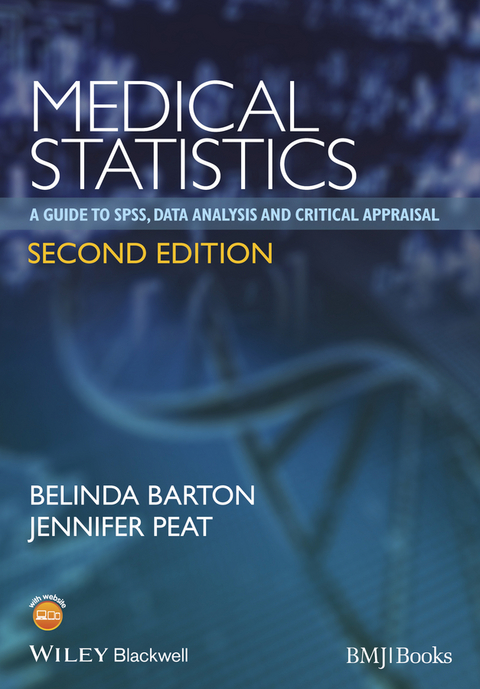
Medical Statistics (eBook)
John Wiley & Sons (Verlag)
978-1-118-58991-5 (ISBN)
Medical Statistics provides the necessary statistical tools to enable researchers to undertake and understand evidence-based clinical research.
It is a practical guide to conducting statistical research and interpreting statistics in the context of how the participants were recruited, how the study was designed, what types of variables were used, what effect size was found, and what the P values mean. It guides researchers through the process of selecting the correct statistics and show how to best report results for presentation and publication.
Clear and concise explanations, combined with plenty of examples and tabulated explanations are based on the authors' popular medical statistics courses.
The table of contents is divided into sections according to whether data are continuous or categorical in nature as this distinction is fundamental to selecting the correct statistics. Each chapter provides a clear step-by-step guide to each statistical test with practical instructions on how to generate and interpret the numbers, and present the results as scientific tables or graphs. The chapters conclude with critical appraisal guidelines to help researchers review the reporting of results from each type of statistical test.
This new edition includes a new chapter on repeated measures and mixed models and a helpful glossary of terms provides an easy reference that applies to all chapters.
Belinda Barton, Head and Psychologist, Children's Hospital Education Research Institute (CHERI), Conjoint Senior Lecturer, Sydney Medical School, University of Sydney, NSW Australia.
Jennifer Peat, Associate Professor, Department of Paediatrics and Child Health and Senior Hospital Statistician, Clinical Epidemiology Unit, Children's Hospital, Westmead, NSW Australia.
Medical Statistics provides the necessary statistical tools to enable researchers to undertake and understand evidence-based clinical research. It is a practical guide to conducting statistical research and interpreting statistics in the context of how the participants were recruited, how the study was designed, what types of variables were used, what effect size was found, and what the P values mean. It guides researchers through the process of selecting the correct statistics and show how to best report results for presentation and publication. Clear and concise explanations, combined with plenty of examples and tabulated explanations are based on the authors popular medical statistics courses. The table of contents is divided into sections according to whether data are continuous or categorical in nature as this distinction is fundamental to selecting the correct statistics. Each chapter provides a clear step-by-step guide to each statistical test with practical instructions on how to generate and interpret the numbers, and present the results as scientific tables or graphs. The chapters conclude with critical appraisal guidelines to help researchers review the reporting of results from each type of statistical test. This new edition includes a new chapter on repeated measures and mixed models and a helpful glossary of terms provides an easy reference that applies to all chapters.
Belinda Barton, Head and Psychologist, Children's Hospital Education Research Institute (CHERI), Conjoint Senior Lecturer, Sydney Medical School, University of Sydney, NSW Australia. Jennifer Peat, Associate Professor, Department of Paediatrics and Child Health and Senior Hospital Statistician, Clinical Epidemiology Unit, Children's Hospital, Westmead, NSW Australia.
Cover???????????????????????? 1
Title Page?????????????????????????????????? 5
Copyright 6
Contents?????????????????????????????? 7
Introduction?????????????????????????????????????? 11
Acknowledgements?????????????????????????????????????????????? 15
About the companion website???????????????????????????????????????????????????????????????????? 17
Chapter 1 Creating an SPSS data file and preparing to analyse the data?????????????????????????????????????????????????????????????????????????????????????????????????????????????????????????????????????????????????????????? 19
1.1 Creating an SPSS data file?????????????????????????????????????????????????????????????????????????? 19
1.1.1 Variable View screen 19
1.1.2 Saving the SPSS file 23
1.1.3 Data View screen 23
1.2 Opening data from Excel in SPSS???????????????????????????????????????????????????????????????????????????????????? 24
1.3 Categorical and continuous variables?????????????????????????????????????????????????????????????????????????????????????????????? 25
1.4 Classifying variables for analyses?????????????????????????????????????????????????????????????????????????????????????????? 25
1.5 Hypothesis testing and P values???????????????????????????????????????????????????????????????????????????????????? 26
1.6 Choosing the correct statistical test???????????????????????????????????????????????????????????????????????????????????????????????? 27
1.7 Sample size requirements?????????????????????????????????????????????????????????????????????? 28
1.8 Study handbook and data analysis plan???????????????????????????????????????????????????????????????????????????????????????????????? 30
1.9 Documentation???????????????????????????????????????????????? 31
1.10 Checking the data?????????????????????????????????????????????????????????? 31
1.11 Avoiding and replacing missing values?????????????????????????????????????????????????????????????????????????????????????????????????? 32
1.12 SPSS data management capabilities?????????????????????????????????????????????????????????????????????????????????????????? 34
1.12.1 Using subsets of variables 35
1.12.2 Recoding variables and using syntax 36
1.12.3 Dialog recall 37
1.12.4 Displaying names or labels 37
1.13 Managing SPSS output???????????????????????????????????????????????????????????????? 38
1.13.1 Formatting SPSS output 38
1.13.2 Exporting output and data from SPSS 38
1.14 SPSS help commands???????????????????????????????????????????????????????????? 39
1.15 Golden rules for reporting numbers???????????????????????????????????????????????????????????????????????????????????????????? 39
1.16 Notes for critical appraisal???????????????????????????????????????????????????????????????????????????????? 39
References?????????????????????????????????? 41
Chapter 2 Descriptive statistics?????????????????????????????????????????????????????????????????????????????? 42
2.1 Parametric and non-parametric statistics?????????????????????????????????????????????????????????????????????????????????????????????????????? 43
2.2 Normal distribution???????????????????????????????????????????????????????????? 43
2.3 Skewed distributions?????????????????????????????????????????????????????????????? 44
2.4 Checking for normality?????????????????????????????????????????????????????????????????? 47
2.4.1 Using the standard deviation to check for normality 48
2.4.2 Skewness 49
2.4.3 Kurtosis 49
2.4.4 Critical values 49
2.4.5 Extreme values 51
2.4.6 Outliers 51
2.4.7 Statistical tests of normality 52
2.4.8 Histograms and plots 53
2.4.9 Kolmogorov–Smirnov test 60
2.4.10 Deciding whether a variable is normally distributed 61
2.5 Transforming skewed variables???????????????????????????????????????????????????????????????????????????????? 61
2.5.1 Back transformation 64
2.6 Data analysis pathway???????????????????????????????????????????????????????????????? 67
2.7 Reporting descriptive statistics?????????????????????????????????????????????????????????????????????????????????????? 67
2.8 Checking for normality in published results???????????????????????????????????????????????????????????????????????????????????????????????????????????? 68
2.9 Notes for critical appraisal?????????????????????????????????????????????????????????????????????????????? 69
References?????????????????????????????????? 69
Chapter 3 Comparing two independent samples???????????????????????????????????????????????????????????????????????????????????????????????????? 70
3.1 Comparing the means of two independent samples?????????????????????????????????????????????????????????????????????????????????????????????????????????????????? 70
3.1.1 Assumptions of a two-sample t-test 71
3.2 One- and two-sided tests of significance?????????????????????????????????????????????????????????????????????????????????????????????????????? 72
3.3 Effect sizes?????????????????????????????????????????????? 73
3.3.1 Cohen’s d 73
3.3.2 Hedges’s g 75
3.3.3 Glass’s ? (delta) 75
3.4 Study design?????????????????????????????????????????????? 75
3.5 Influence of sample size?????????????????????????????????????????????????????????????????????? 76
3.6 Two-sample t-test???????????????????????????????????????????????????????? 89
3.7 Confidence intervals?????????????????????????????????????????????????????????????? 91
3.7.1 Interpreting the overlap of 95% confidence intervals 92
3.8 Reporting the results from two-sample t-tests???????????????????????????????????????????????????????????????????????????????????????????????????????????????? 93
3.8.1 Reporting results in a graph 94
3.8.2 Drawing a figure in SigmaPlot 96
3.9 Rank-based non-parametric tests???????????????????????????????????????????????????????????????????????????????????? 98
3.9.1 Mann–Whitney U test 104
3.10 Notes for critical appraisal???????????????????????????????????????????????????????????????????????????????? 106
References?????????????????????????????????? 107
Chapter 4 Paired and one-sample t-tests???????????????????????????????????????????????????????????????????????????????????????????? 108
4.1 Paired t-tests?????????????????????????????????????????????????? 108
4.1.1 Data sheet layout 109
4.1.2 Assumptions for a paired t-test 109
4.1.3 Testing the assumptions of a paired t-test 110
4.1.4 Interpretation of the results 114
4.1.5 Calculating the effect size 115
4.2 Non-parametric test for paired data???????????????????????????????????????????????????????????????????????????????????????????? 115
4.3 Standardizing for differences in baseline measurements?????????????????????????????????????????????????????????????????????????????????????????????????????????????????????????????????? 117
4.4 Single-sample t-test?????????????????????????????????????????????????????????????? 120
4.5 Testing for a between-group difference?????????????????????????????????????????????????????????????????????????????????????????????????? 124
4.5.1 Plotting the results 127
4.6 Notes for critical appraisal?????????????????????????????????????????????????????????????????????????????? 128
References?????????????????????????????????? 129
Chapter 5 Analysis of variance?????????????????????????????????????????????????????????????????????????? 130
5.1 Building ANOVA and ANCOVA models?????????????????????????????????????????????????????????????????????????????????????? 131
5.2 ANOVA models?????????????????????????????????????????????? 131
5.2.1 Assumptions for ANOVA models 131
5.2.2 Within- and between-group variance 133
5.3 One-way analysis of variance?????????????????????????????????????????????????????????????????????????????? 135
5.3.1 Sample size for a one-way ANOVA 135
5.4 Effect size for ANOVA???????????????????????????????????????????????????????????????? 145
5.5 Post-hoc tests for ANOVA?????????????????????????????????????????????????????????????????????? 146
5.5.1 Fisher’s least significant difference (LSD) post-hoc test 148
5.5.2 Bonferroni post-hoc test 149
5.5.3 Duncan post-hoc test 150
5.6 Testing for a trend???????????????????????????????????????????????????????????? 151
5.7 Reporting the results of a one-way ANOVA?????????????????????????????????????????????????????????????????????????????????????????????????????? 152
5.8 Factorial ANOVA models?????????????????????????????????????????????????????????????????? 153
5.8.1 Fixed factors, random factors and interactions 154
5.9 An example of a three-way ANOVA???????????????????????????????????????????????????????????????????????????????????? 158
5.9.1 Reporting the results of a three-way ANOVA 162
5.10 Analysis of covariance (ANCOVA)?????????????????????????????????????????????????????????????????????????????????????? 163
5.10.1 Effect size for ANCOVA 164
5.11 Testing the model assumptions of ANOVA/ANCOVA?????????????????????????????????????????????????????????????????????????????????????????????????????????????????? 167
5.11.1 Homogeneity of variance 168
5.11.2 Interactions 169
5.11.3 Lack of fit 170
5.11.4 Testing residuals: Unbiased and normality 170
5.11.5 Identifying multivariate outliers: leverage and discrepancy 175
5.12 Reporting the results of an ANCOVA???????????????????????????????????????????????????????????????????????????????????????????? 176
5.13 Notes for critical appraisal???????????????????????????????????????????????????????????????????????????????? 176
References?????????????????????????????????? 178
Chapter 6 Analyses of longitudinal data???????????????????????????????????????????????????????????????????????????????????????????? 179
6.1 Study design?????????????????????????????????????????????? 179
6.2 Sample size and power???????????????????????????????????????????????????????????????? 180
6.3 Covariates?????????????????????????????????????????? 181
6.4 Assumptions of repeated measures ANOVA and mixed models???????????????????????????????????????????????????????????????????????????????????????????????????????????????????????????????????? 181
6.5 Repeated measures analysis of variance?????????????????????????????????????????????????????????????????????????????????????????????????? 182
6.5.1 Assumptions of sphericity and homogeneity 183
6.5.2 Multivariate test 183
6.5.3 Univariate test 184
6.5.4 Missing values 184
6.5.5 Data layout 184
6.5.6 Group comparisons 184
6.5.7 Advantages and disadvantages of repeated measures ANOVA 185
6.6 Linear mixed models???????????????????????????????????????????????????????????? 200
6.6.1 Covariance structures 201
6.6.2 Advantages and disadvantages of mixed models 202
6.6.3 Data layout 202
6.6.4 Obtaining a plot 203
6.6.5 Building a mixed model 204
6.6.6 Reporting the results of a linear mixed model 213
6.6.7 Comparison of results: Repeated measures ANOVA and mixed model 213
6.7 Notes for critical appraisal?????????????????????????????????????????????????????????????????????????????? 213
References?????????????????????????????????? 214
Chapter 7 Correlation and regression?????????????????????????????????????????????????????????????????????????????????????? 215
7.1 Correlation coefficients?????????????????????????????????????????????????????????????????????? 215
7.1.1 Types of correlation coefficients 216
7.1.2 Obtaining correlations in SPSS 218
7.1.3 Effect size for correlations 220
7.1.4 Influence of the range of the variable 221
7.1.5 Reporting correlation coefficients 223
7.2 Regression models???????????????????????????????????????????????????????? 223
7.2.1 Relationship between regression and ANCOVA 223
7.2.2 The regression equation 224
7.2.3 Assumptions for regression 225
7.2.4 R value and effect size 226
7.2.5 Sample size required 227
7.2.6 Generalizability of regression 229
7.2.7 Plotting a regression line 229
7.2.8 Reporting a simple linear regression 231
7.3 Multiple linear regression?????????????????????????????????????????????????????????????????????????? 231
7.3.1 Building a multiple regression model 232
7.3.2 Methods of multivariate modelling 232
7.3.3 Sample size considerations 233
7.3.4 Multicollinearity 234
7.3.5 Multiple linear regression: Testing for group differences 235
7.3.6 Plotting a regression line with one categorical explanatory variables 239
7.3.7 Regression models with two explanatory categorical variables 240
7.3.8 Plotting regression lines with two explanatory categorical variables 242
7.3.9 Including multi-level categorical variables 243
7.3.10 Dummy variables 244
7.3.11 Multiple linear regression with two continuous variables and two categorical variables 246
7.4 Interactions?????????????????????????????????????????????? 248
7.4.1 Identifying interactions 248
7.4.2 Including interactions in the model 251
7.5 Residuals???????????????????????????????????????? 253
7.6 Outliers and remote points?????????????????????????????????????????????????????????????????????????? 255
7.7 Validating the model?????????????????????????????????????????????????????????????? 258
7.8 Reporting a multiple linear regression?????????????????????????????????????????????????????????????????????????????????????????????????? 259
7.9 Non-linear regression???????????????????????????????????????????????????????????????? 260
7.10 Centering?????????????????????????????????????????? 262
7.11 Notes for critical appraisal???????????????????????????????????????????????????????????????????????????????? 265
References?????????????????????????????????? 265
Chapter 8 Rates and proportions???????????????????????????????????????????????????????????????????????????? 267
8.1 Summarizing categorical variables???????????????????????????????????????????????????????????????????????????????????????? 267
8.2 Describing baseline characteristics???????????????????????????????????????????????????????????????????????????????????????????? 269
8.3 Incidence and prevalence?????????????????????????????????????????????????????????????????????? 270
8.4 Chi-square tests?????????????????????????????????????????????????????? 271
8.4.1 Assumptions 272
8.4.2 Which chi-square test and P value to report? 272
8.4.3 Calculating chi-square values 273
8.4.4 Sample size requirements 276
8.4.5 Confidence intervals 276
8.4.6 Creating a figure using SigmaPlot 278
8.5 2x3 Chi-square tables???????????????????????????????????????????????????????????????? 278
8.6 Cells with small numbers?????????????????????????????????????????????????????????????????????? 280
8.7 Exact chi square test???????????????????????????????????????????????????????????????? 281
8.8 Number of cells that can be tested?????????????????????????????????????????????????????????????????????????????????????????? 282
8.9 Reporting chi-square tests and proportions?????????????????????????????????????????????????????????????????????????????????????????????????????????? 284
8.9.1 Differences in percentages 284
8.10 Large contingency tables???????????????????????????????????????????????????????????????????????? 285
8.11 Categorizing continuous variables?????????????????????????????????????????????????????????????????????????????????????????? 289
8.12 Chi-square trend test for ordered variables?????????????????????????????????????????????????????????????????????????????????????????????????????????????? 291
8.12.1 Reporting the results 292
8.13 Number needed to treat (NNT)???????????????????????????????????????????????????????????????????????????????? 295
8.13.1 Calculating NNT 296
8.13.2 How to report NNT 298
8.14 Paired categorical variables: McNemar's chi-square test?????????????????????????????????????????????????????????????????????????????????????????????????????????????????????????????????????? 299
8.14.1 Calculating the change in proportion 301
8.14.2 Reporting the results of paired data 303
8.15 Notes for critical appraisal???????????????????????????????????????????????????????????????????????????????? 303
References?????????????????????????????????? 304
Chapter 9 Risk statistics???????????????????????????????????????????????????????????????? 305
9.1 Risk statistics???????????????????????????????????????????????????? 305
9.2 Study design?????????????????????????????????????????????? 306
9.3 Odds ratio?????????????????????????????????????????? 306
9.3.1 Assumptions 306
9.3.2 Calculating odds ratio 307
9.3.3 Coding 307
9.3.4 Interpreting the odds ratio 308
9.3.5 Reporting odds ratios 313
9.4 Protective odds ratios?????????????????????????????????????????????????????????????????? 314
9.4.1 Changing the direction of risk statistics 315
9.5 Adjusted odds ratios?????????????????????????????????????????????????????????????? 316
9.5.1 Binary logistic regression 316
9.5.2 Assumptions of logistic regression 317
9.5.3 Study design and sample size 318
9.5.4 Model building 318
9.5.5 Assessing the model and predictors 319
9.5.6 Interpretation of confounding effects 324
9.5.7 Reporting adjusted odds ratios 324
9.5.8 Plotting the results in a figure 325
9.6 Relative risk???????????????????????????????????????????????? 326
9.6.1 Assumptions 327
9.6.2 Calculating relative risk 327
9.6.3 Interpreting the relative risk 327
9.6.4 Requesting relative risk statistics using SPSS 327
9.7 Number needed to be exposed for one additional person to be harmed (NNEH)???????????????????????????????????????????????????????????????????????????????????????????????????????????????????????????????????????????????????????????????????????? 330
9.8 Notes for critical appraisal?????????????????????????????????????????????????????????????????????????????? 330
References?????????????????????????????????? 331
Chapter 10 Tests of reliability and agreement???????????????????????????????????????????????????????????????????????????????????????????????????????? 332
10.1 Reliability and agreement?????????????????????????????????????????????????????????????????????????? 332
10.1.1 Reliability 332
10.1.2 Agreement 334
10.1.3 Study design 334
10.2 Kappa statistic?????????????????????????????????????????????????????? 335
10.2.1 Sample size 336
10.2.2 Reporting kappa results 339
10.3 Reliability of continuous measurements???????????????????????????????????????????????????????????????????????????????????????????????????? 339
10.4 Intra-class correlation?????????????????????????????????????????????????????????????????????? 340
10.4.1 Different types of intra-class correlation 340
10.4.2 Intra-class correlation notation 341
10.4.3 Reporting the results of ICC 343
10.5 Measures of agreement?????????????????????????????????????????????????????????????????? 343
10.5.1 Limits of agreement 343
10.5.2 Differences-vs-means plot 344
10.6 Notes for critical appraisal???????????????????????????????????????????????????????????????????????????????? 347
References?????????????????????????????????? 347
Chapter 11 Diagnostic statistics?????????????????????????????????????????????????????????????????????????????? 349
11.1 Coding for diagnostic statistics???????????????????????????????????????????????????????????????????????????????????????? 349
11.2 Positive and negative predictive values?????????????????????????????????????????????????????????????????????????????????????????????????????? 350
11.2.1 95% confidence intervals for PPV and NPV 351
11.2.2 Limitations of PPV and NPV 352
11.3 Sensitivity and specificity?????????????????????????????????????????????????????????????????????????????? 353
11.3.1 SpPin and SnNout 354
11.3.2 95% Confidence intervals for sensitivity and specificity 355
11.3.3 Sample size 356
11.4 Likelihood ratio???????????????????????????????????????????????????????? 356
11.5 Receiver Operating Characteristic (ROC) Curves???????????????????????????????????????????????????????????????????????????????????????????????????????????????????? 357
11.5.1 Interpretation of ROC curves 361
11.5.2 Calculating cut-off points 362
11.5.3 Optimal diagnostic cut-off point 362
11.5.4 Cut-off points for diagnostic and screening tests 365
11.5.5 Reporting the ROC curve results 366
11.6 Notes for critical appraisal???????????????????????????????????????????????????????????????????????????????? 366
References?????????????????????????????????? 367
Chapter 12 Survival analyses?????????????????????????????????????????????????????????????????????? 368
12.1 Study design???????????????????????????????????????????????? 369
12.2 Censored observations?????????????????????????????????????????????????????????????????? 369
12.3 Kaplan-Meier survival method???????????????????????????????????????????????????????????????????????????????? 369
12.3.1 Assumptions of the Kaplan–Meier survival method 370
12.3.2 Sample size and data coding 371
12.3.3 Survival statistics 375
12.3.4 Reporting the results of Kaplan–Meier 376
12.3.5 Survival plots 376
12.4 Cox regression???????????????????????????????????????????????????? 378
12.4.1 Hazard ratio 378
12.4.2 Assumptions of Cox regression model 379
12.4.3 Reporting the results of Cox regression 386
12.5 Questions for critical appraisal???????????????????????????????????????????????????????????????????????????????????????? 386
References?????????????????????????????????? 386
Glossary?????????????????????????????? 388
Useful websites???????????????????????????????????????????? 399
Index???????????????????????? 403
EULA 411
| Erscheint lt. Verlag | 6.8.2014 |
|---|---|
| Sprache | englisch |
| Themenwelt | Medizin / Pharmazie ► Allgemeines / Lexika |
| Medizin / Pharmazie ► Gesundheitswesen | |
| Studium ► Querschnittsbereiche ► Epidemiologie / Med. Biometrie | |
| Schlagworte | best report • Book • clinical research • effect • Essential • evidencebased • Guide • Interpretation • invaluable • Knowledge • Medical • medical education • Medical Professional Development • Medical Science • Medical Statistics & Epidemiology • Medizin • Medizinische Statistik u. Epidemiologie • Medizinstudium • Perspektiven in medizinischen Berufen • provides • Range • Researchers • research studies • Sample • Skills • Statistical • Statistics • stepbystep • study design • wide |
| ISBN-10 | 1-118-58991-2 / 1118589912 |
| ISBN-13 | 978-1-118-58991-5 / 9781118589915 |
| Informationen gemäß Produktsicherheitsverordnung (GPSR) | |
| Haben Sie eine Frage zum Produkt? |
 PDF (Adobe DRM)
Kopierschutz: Adobe-DRM
Adobe-DRM ist ein Kopierschutz, der das eBook vor Mißbrauch schützen soll. Dabei wird das eBook bereits beim Download auf Ihre persönliche Adobe-ID autorisiert. Lesen können Sie das eBook dann nur auf den Geräten, welche ebenfalls auf Ihre Adobe-ID registriert sind.
Details zum Adobe-DRM
Dateiformat: PDF (Portable Document Format)
Mit einem festen Seitenlayout eignet sich die PDF besonders für Fachbücher mit Spalten, Tabellen und Abbildungen. Eine PDF kann auf fast allen Geräten angezeigt werden, ist aber für kleine Displays (Smartphone, eReader) nur eingeschränkt geeignet.
Systemvoraussetzungen:
PC/Mac: Mit einem PC oder Mac können Sie dieses eBook lesen. Sie benötigen eine
eReader: Dieses eBook kann mit (fast) allen eBook-Readern gelesen werden. Mit dem amazon-Kindle ist es aber nicht kompatibel.
Smartphone/Tablet: Egal ob Apple oder Android, dieses eBook können Sie lesen. Sie benötigen eine
Geräteliste und zusätzliche Hinweise
Buying eBooks from abroad
For tax law reasons we can sell eBooks just within Germany and Switzerland. Regrettably we cannot fulfill eBook-orders from other countries.


