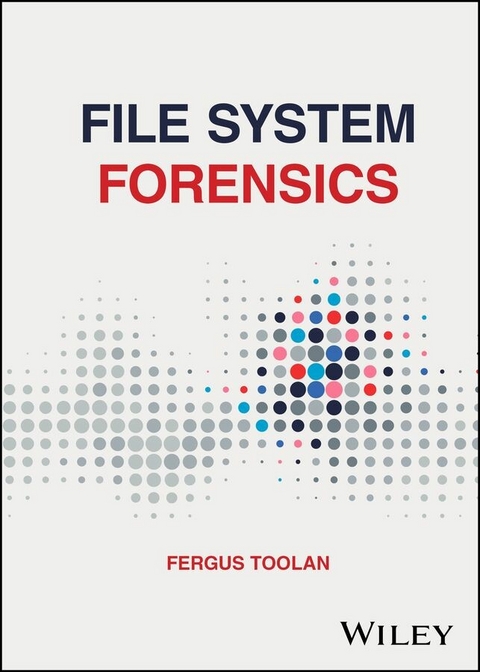
File System Forensics (eBook)
489 Seiten
Wiley (Verlag)
978-1-394-28981-3 (ISBN)
Comprehensive forensic reference explaining how file systems function and how forensic tools might work on particular file systems
File System Forensics delivers comprehensive knowledge of how file systems function and, more importantly, how digital forensic tools might function in relation to specific file systems. It provides a step-by-step approach for file content and metadata recovery to allow the reader to manually recreate and validate results from file system forensic tools.
The book includes a supporting website that shares all of the data (i.e. sample file systems) used for demonstration in the text and provides teaching resources such as instructor guides, extra material, and more.
Written by a highly qualified associate professor and consultant in the field, File System Forensics includes information on:
- The necessary concepts required to understand file system forensics for anyone with basic computing experience
- File systems specific to Windows, Linux, and macOS, with coverage of FAT, ExFAT, and NTFS
- Advanced topics such as deleted file recovery, fragmented file recovery, searching for particular files, links, checkpoints, snapshots, and RAID
- Issues facing file system forensics today and various issues that might evolve in the field in the coming years
File System Forensics is an essential, up-to-date reference on the subject for graduate and senior undergraduate students in digital forensics, as well as digital forensic analysts and other law enforcement professionals.
Fergus Toolan, PhD, is an Associate Professor in the Norwegian Police University College. He has published over 30 peer-reviewed papers and supervised a number of master's and PhD students throughout his career. Additionally, Dr. Toolan has provided consultancy services to a number of police services and other governmental organizations. He has taught a range of courses from introductory programming to advanced databases, and from computer hardware to discrete mathematics.
Comprehensive forensic reference explaining how file systems function and how forensic tools might work on particular file systems File System Forensics delivers comprehensive knowledge of how file systems function and, more importantly, how digital forensic tools might function in relation to specific file systems. It provides a step-by-step approach for file content and metadata recovery to allow the reader to manually recreate and validate results from file system forensic tools. The book includes a supporting website that shares all of the data (i.e. sample file systems) used for demonstration in the text and provides teaching resources such as instructor guides, extra material, and more. Written by a highly qualified associate professor and consultant in the field, File System Forensics includes information on: The necessary concepts required to understand file system forensics for anyone with basic computing experienceFile systems specific to Windows, Linux, and macOS, with coverage of FAT, ExFAT, and NTFSAdvanced topics such as deleted file recovery, fragmented file recovery, searching for particular files, links, checkpoints, snapshots, and RAIDIssues facing file system forensics today and various issues that might evolve in the field in the coming years File System Forensics is an essential, up-to-date reference on the subject for graduate and senior undergraduate students in digital forensics, as well as digital forensic analysts and other law enforcement professionals.
| Erscheint lt. Verlag | 11.2.2025 |
|---|---|
| Sprache | englisch |
| Themenwelt | Mathematik / Informatik ► Informatik ► Theorie / Studium |
| Schlagworte | digital forensics • ExFAT file system • Fat File System • forensic analysis • Forensic Files • forensic tools • fragmented file recovery • Linux file systems • MacOS file systems • metadata recovery • NTFS file system • windows file systems |
| ISBN-10 | 1-394-28981-2 / 1394289812 |
| ISBN-13 | 978-1-394-28981-3 / 9781394289813 |
| Informationen gemäß Produktsicherheitsverordnung (GPSR) | |
| Haben Sie eine Frage zum Produkt? |
 PDF (Adobe DRM)
Kopierschutz: Adobe-DRM
Adobe-DRM ist ein Kopierschutz, der das eBook vor Mißbrauch schützen soll. Dabei wird das eBook bereits beim Download auf Ihre persönliche Adobe-ID autorisiert. Lesen können Sie das eBook dann nur auf den Geräten, welche ebenfalls auf Ihre Adobe-ID registriert sind.
Details zum Adobe-DRM
Dateiformat: PDF (Portable Document Format)
Mit einem festen Seitenlayout eignet sich die PDF besonders für Fachbücher mit Spalten, Tabellen und Abbildungen. Eine PDF kann auf fast allen Geräten angezeigt werden, ist aber für kleine Displays (Smartphone, eReader) nur eingeschränkt geeignet.
Systemvoraussetzungen:
PC/Mac: Mit einem PC oder Mac können Sie dieses eBook lesen. Sie benötigen eine
eReader: Dieses eBook kann mit (fast) allen eBook-Readern gelesen werden. Mit dem amazon-Kindle ist es aber nicht kompatibel.
Smartphone/Tablet: Egal ob Apple oder Android, dieses eBook können Sie lesen. Sie benötigen eine
Geräteliste und zusätzliche Hinweise
Buying eBooks from abroad
For tax law reasons we can sell eBooks just within Germany and Switzerland. Regrettably we cannot fulfill eBook-orders from other countries.
aus dem Bereich