


Raum-Maschine Theater
Szene und Architektur
Seiten
- Titel ist leider vergriffen;
keine Neuauflage - Artikel merken
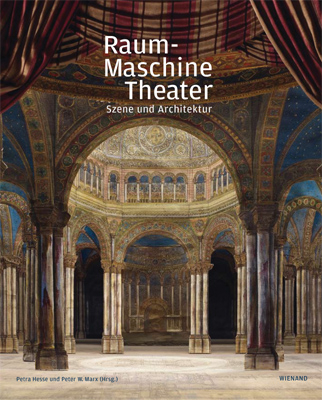
Das Theater erzeugt und zeigt Räume – als Abbild der Realität oder als utopischen Gegenentwurf. Das Theatergebäude selbst fungiert dabei als ein realer Raum, der fiktionale Räume in sich birgt und diese mithilfe der Maschinerie in seinem Inneren entstehen lässt. Das Buch Raum-Maschine Theater erkundet die architektonischen Grundlagen für das Erschaffen dieser Kunstwelten und Spielräume anhand von Fotografien, Gemälden, Grundrissen, Szenenentwürfen und Modellen. Es entführt seine Leser in die aufregende Welt des Theaters – von der neobarocken Opéra Garnier in Paris über die politischen und abstrakten Bühnen der Weimarer Republik und die utopischen Theaterentwürfe etwa eines Walter Gropius bis hin zu Abriss, Neubau und Sanierung der Kölner Theaterhäuser nach dem Zweiten Weltkrieg.
The theatre creates and shows spaces – as an image of reality or as a utopian counter-project. The theatre building itself functions thereby as a real space, which contains fictional spaces within itself and allows these to develop with the assistance of the machinery it contains. The publication Raum-Maschine Theater examines the architectural basis for the creation of these artificial worlds and play spaces through photographs, paintings, floor plans, set designs and models. It leads its readers into the exciting world of the theatre – from the neo-Baroque Opéra Garnier in Paris via the political and abstract stages of the Weimar Republic and the utopian theatre designs of, for example, Walter Gropius to the demolition, rebuilding and renovation of the theatres of Cologne after World War II.
The theatre creates and shows spaces – as an image of reality or as a utopian counter-project. The theatre building itself functions thereby as a real space, which contains fictional spaces within itself and allows these to develop with the assistance of the machinery it contains. The publication Raum-Maschine Theater examines the architectural basis for the creation of these artificial worlds and play spaces through photographs, paintings, floor plans, set designs and models. It leads its readers into the exciting world of the theatre – from the neo-Baroque Opéra Garnier in Paris via the political and abstract stages of the Weimar Republic and the utopian theatre designs of, for example, Walter Gropius to the demolition, rebuilding and renovation of the theatres of Cologne after World War II.
| Erscheint lt. Verlag | 21.12.2012 |
|---|---|
| Zusatzinfo | 90 farbige und 10s/w Abbildungen |
| Sprache | deutsch |
| Maße | 220 x 270 mm |
| Gewicht | 905 g |
| Einbandart | gebunden |
| Themenwelt | Kunst / Musik / Theater ► Theater / Ballett |
| Schlagworte | Aufsatzsammlung Theater • Bühnenarchitektur • Bühnenbild • Theaterbau • Theatertechnik |
| ISBN-10 | 3-86832-143-8 / 3868321438 |
| ISBN-13 | 978-3-86832-143-2 / 9783868321432 |
| Zustand | Neuware |
| Informationen gemäß Produktsicherheitsverordnung (GPSR) | |
| Haben Sie eine Frage zum Produkt? |
Mehr entdecken
aus dem Bereich
aus dem Bereich
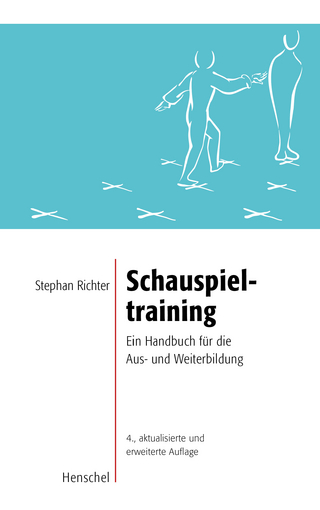
ein Handbuch für die Aus- und Weiterbildung
Buch | Softcover (2024)
Henschel Verlag in E. A. Seemann Henschel GmbH & Co. KG
CHF 38,90
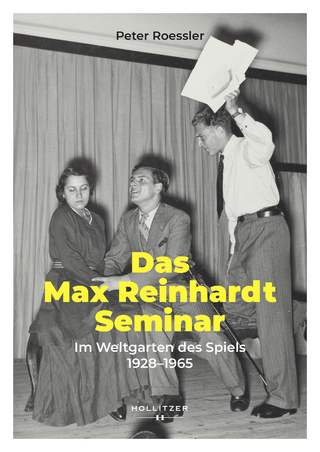
im Weltgarten des Spiels 1928–1965
Buch | Hardcover (2025)
Hollitzer Wissenschaftsverlag
CHF 52,90


