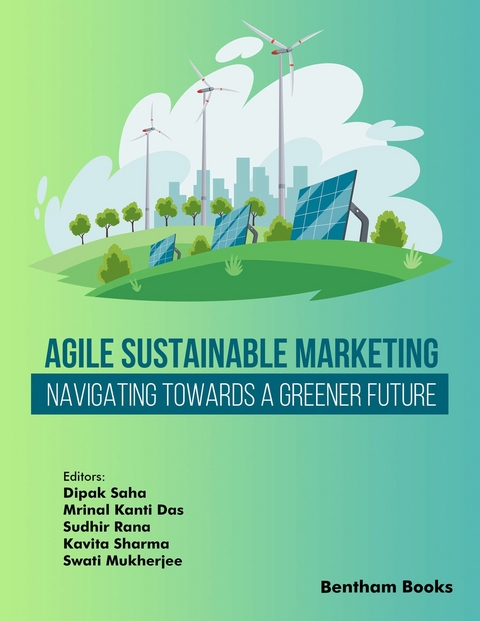
Sustainable Management Practices (eBook)
300 Seiten
Bentham Science Publishers (Verlag)
978-981-5324-06-8 (ISBN)
This book shows how agile principles and sustainable marketing work together to help brands innovate, communicate, and grow while meeting environmental and social goals. Spanning 18 chapters, it moves from green consumer behaviour and eco-labelling to circular economy practices, sustainable tourism, AI in healthcare marketing, and green supply chain management. Drawing on global case studies, multidisciplinary research, and practical frameworks, this book equips professionals to transform their marketing strategies into drivers of meaningful change. Key Features Blends agile methodologies with sustainable marketing frameworks to drive innovation. Integrates environmental, social, and ethical principles into brand strategies. Applies circular economy, community-based branding, and sustainable packaging practices. Leverages AI, digital transformation, and green supply chains for competitive advantage. Provides actionable, research-based approaches using global case studies and practical tools.
INTRODUCTION
The fusion of sustainability principles with agile marketing strategies has emerged as a pivotal approach for businesses seeking to navigate environmental challenges while staying responsive to consumer demands. This book delves into the convergence of agile marketing and sustainability, offering a comprehensive exploration of innovative practices and strategies that promote environmental stewardship and consumer engagement. Through a diverse array of topics, this book provides a glimpse into how agile sustainable marketing can catalyze positive change toward a greener and more resilient future.
This book offers a holistic approach to sustainable marketing, focusing on localized and community-based waste management within the context of a circular economy framework. By emphasizing strategies that prioritize sustainability at the local level, businesses can contribute to environmental stewardship while also engaging with their communities.
Chapter 1 encapsulates the essence of sustainable waste management and its integration into broader ecological and economic frameworks. By emphasizing a holistic approach that considers resource consumption, community involvement, and tourism development, the author highlights the interconnectedness of environmental sustainability and socio-economic well-being. The focus on regenerative tourism and the circular economy underscores the importance of not just minimizing waste, but actively restoring and enhancing natural and cultural resources. This integrated approach not only benefits local communities but also promotes resilience and competitiveness in the global market. It presents a compelling argument for embracing sustainability as a core principle in all facets of development.
Chapter 2 delves into a crucial aspect of modern tourism management, highlighting the transformative role of Information Technology (IT). It effectively points out the disparities in IT adoption across different sizes of tourism enterprises, shedding light on the challenges faced by smaller organizations in embracing these technologies due to perceived costs. However, it also emphasizes the significant benefits that IT integration can offer, particularly in marketing and customer engagement. This research paints a comprehensive picture of the intersection between IT and tourism management, showcasing both the challenges and opportunities that come with technological integration. By highlighting the potential of IT to revolutionize marketing strategies and customer experiences, it provides valuable insights for industry practitioners and researchers alike.
Chapter 3 provides a comprehensive exploration of the complex dynamics surrounding consumer behavior in the context of sustainable development. It adeptly captures the evolving landscape of environmentally conscious consumerism, emphasizing the importance of sustainable ideals in mitigating environmental damage and promoting responsible consumption habits. The discussion on the role of governments in promoting eco-friendly choices and the imperative for companies to develop and market green products underscores the multi-stakeholder approach required to drive meaningful change in consumption patterns. By highlighting the challenges associated with translating environmental concerns into actual purchasing decisions, your chapter sheds light on the gap between consumer attitudes and behaviors, influenced by various factors such as product attributes and perceived efficacy.
Chapter 4 provides a thorough examination of the role of eco-labeling in promoting sustainable purchasing behaviors and shaping consumer perceptions. By categorizing eco-labels into distinct types and delving into consumer psychology, the study highlights the significant influence of eco-labels on trust, perceived value, and the halo effect associated with eco-labeled products. The study also presents prospective developments and innovations in eco-labeling, considering factors such as standardization, transparency, health concerns, corporate social responsibility, and emerging environmental issues. Overall, the chapter emphasizes the importance of collaboration among stakeholders in the eco-labeling ecosystem to optimize its positive effects on sustainable development. By addressing worldwide issues and aligning efforts for sustainable consumption, such collaboration can drive meaningful progress towards a more environmentally conscious society.
Chapter 5 offers a comprehensive analysis of the intersection between sustainable marketing practices and Artificial Intelligence (AI) approaches in the healthcare industry, utilizing a bibliometric analysis to identify significant themes and trends. By examining contributions from prominent scholars, organizations, and nations, the study sheds light on key developments and trends in the field. Theme clusters such as Digital Healthcare, Personalized Healthcare Services, and Sustainable Development Goals highlight the diverse applications of AI in enhancing operational effectiveness and promoting sustainability in healthcare. This study contributes valuable insights into the evolving landscape of sustainable marketing practices and AI integration in the healthcare industry, highlighting opportunities for future research and emphasizing the role of AI in advancing sustainability goals in healthcare marketing.
Chapter 6 effectively delves into the symbiotic relationship between social media and environmentally responsible brands, emphasizing the pivotal role of digital platforms in promoting sustainability. By highlighting the benefits of green brand involvement in social media, such as increased exposure, community development, and educational opportunities, the study underscores the transformative impact of this digital revolution on environmental initiatives. The exploration of social platforms' role in promoting sustainability projects underscores their potential to advance environmental objectives and foster a conducive environment for environmentally aware firms to connect and thrive. This study contributes valuable insights into the intersection of social media and environmental responsibility, highlighting the transformative potential of digital platforms in driving sustainability efforts and fostering a prosperous environment for environmentally conscious brands.
Chapter 7 provides a comprehensive examination of the relationship between green marketing strategies and consumption patterns of energy-efficient products, focusing on the unique context of Kerala, India. Amid growing environmental concerns and a heightened focus on sustainability, the study seeks to understand how green marketing initiatives influence consumer behavior in a region known for its biodiversity but facing environmental challenges. The results reveal a solid and moderately strong positive relationship between various green marketing strategies and sustainable consumption behavior. Factors such as energy savings, government incentives, and after-sale services emerge as particularly influential in driving consumer decisions. Significantly, the study underscores the impact of government incentives on sustainable consumption behavior, offering valuable insights for businesses, policymakers, and marketers seeking to promote sustainable practices.
Chapter 8 delves into the evolving landscape of sustainable fashion, highlighting the transformative potential of co-creation in fostering environmentally mindful fashion trends. By investigating collaborative efforts among designers, customers, and other stakeholders, the research explores how these partnerships can drive the adoption and popularization of eco-friendly methods amidst the environmental challenges posed by fast fashion. By shedding light on the changing dynamics of the fashion industry, this article underscores its potential to promote positive environmental change through co-creation initiatives. It highlights the importance of collaborative efforts in creating green trends that satisfy consumer demands while upholding ecological responsibility. Overall, the study offers valuable insights into the intersection of sustainability, fashion, and collaborative innovation, emphasizing the importance of collective action in driving meaningful change within the industry.
Chapter 9 provides a comprehensive exploration of the transformative impact of digital technologies on agricultural supply chains, addressing longstanding challenges related to inefficiency, waste, and transparency. By leveraging digital innovations such as the Internet of Things (IoT), blockchain, Artificial Intelligence (AI), and data analytics, the agricultural sector has seen significant advancements in efficiency and sustainability. The paper highlights the positive environmental and social impacts of digital technology adoption in agriculture, including reduced chemical use, improved water management, and enhanced food safety. However, it also acknowledges concerns such as labor displacement and data privacy, emphasizing the importance of addressing these issues as technology adoption continues to accelerate. The paper underscores the transformative potential of digital technologies in shaping the future of food production and distribution, with a strong emphasis on efficiency and sustainability.
Chapter 10 outlines an innovative approach to promoting social, environmental, and commercial sustainability goals through community and indigenous branding, particularly focusing on tea gardens in the eastern region of India. By developing a comprehensive digital flavor map that integrates local culture, cuisine,...
| Erscheint lt. Verlag | 24.10.2025 |
|---|---|
| Reihe/Serie | Agile Sustainable Marketing: Navigating Towards a Greener Future |
| Sprache | englisch |
| Themenwelt | Wirtschaft ► Betriebswirtschaft / Management ► Wirtschaftsinformatik |
| ISBN-10 | 981-5324-06-3 / 9815324063 |
| ISBN-13 | 978-981-5324-06-8 / 9789815324068 |
| Informationen gemäß Produktsicherheitsverordnung (GPSR) | |
| Haben Sie eine Frage zum Produkt? |
 EPUB (Ohne DRM)
Digital Rights Management: ohne DRM
Dieses eBook enthält kein DRM oder Kopierschutz. Eine Weitergabe an Dritte ist jedoch rechtlich nicht zulässig, weil Sie beim Kauf nur die Rechte an der persönlichen Nutzung erwerben.
Dateiformat: EPUB (Electronic Publication)
EPUB ist ein offener Standard für eBooks und eignet sich besonders zur Darstellung von Belletristik und Sachbüchern. Der Fließtext wird dynamisch an die Display- und Schriftgröße angepasst. Auch für mobile Lesegeräte ist EPUB daher gut geeignet.
Systemvoraussetzungen:
PC/Mac: Mit einem PC oder Mac können Sie dieses eBook lesen. Sie benötigen dafür die kostenlose Software Adobe Digital Editions.
eReader: Dieses eBook kann mit (fast) allen eBook-Readern gelesen werden. Mit dem amazon-Kindle ist es aber nicht kompatibel.
Smartphone/Tablet: Egal ob Apple oder Android, dieses eBook können Sie lesen. Sie benötigen dafür eine kostenlose App.
Geräteliste und zusätzliche Hinweise
Buying eBooks from abroad
For tax law reasons we can sell eBooks just within Germany and Switzerland. Regrettably we cannot fulfill eBook-orders from other countries.
aus dem Bereich