


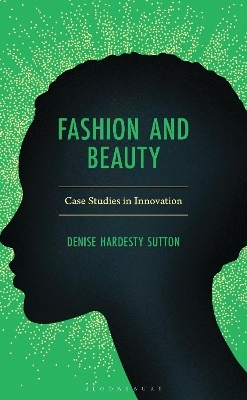
Fashion and Beauty
Case Studies in Innovation
Seiten
2026
Rowman & Littlefield (Verlag)
978-1-6669-1222-7 (ISBN)
Rowman & Littlefield (Verlag)
978-1-6669-1222-7 (ISBN)
- Noch nicht erschienen (ca. Mai 2026)
- Versandkostenfrei
- Auch auf Rechnung
- Artikel merken
This book examines the role that innovation has played throughout fashion history. Moving beyond innovation as mere buzzword, Sutton looks at case studies of moments in history where innovation has initiated fundamental change.
Fashion and Beauty examines the role that innovation has played throughout fashion history. Moving beyond innovation as mere buzzword, Sutton looks at case studies of moments in history where innovation has initiated fundamental change.
In the fashion and beauty industries—where relevance is everything—innovation is critical to survival and is often shaped by specific historical, cultural, economic, and sociological contexts. But innovation has become a buzzword, overused and generalized. Fashion and Beauty: Case Studies in Innovation identifies the various factors that define innovation, and innovation theories such as Schumpeter’s, using a case study approach to explore innovative events in fashion and beauty ranging from the creation of maternity and plus-size women’s apparel (Lane Bryant) and new textiles (DuPont’s Kevlar) to the development of luxury streetwear (Dapper Dan), creative upcycling (feed sacks), and new markets in cosmetics (Fashion Fair) and business models in beauty (Weleda, Dr. Hauschka). The case studies incorporate salient contextual elements that factor into innovative developments as well as the entrepreneurial impulse both inside and outside of traditional economic systems.
Sutton explores case studies of moments in history where innovation has initiated fundamental change, including recognition of new market segmentation (the rise of streetwear, beauty’s turn to inclusivity), trends that turn into classics (athleisure wear), the creation of entirely new categories of apparel (maternity, plus-size), the use of technology for convenience and efficiency (e-commerce and social media), product improvement (advances in science of skin care), and as part of potential solutions to current fashion industry challenges (plant-based/upcycled products). Ultimately, each chapter considers the historical, political, and social context of each innovation along with its cultural meaning and impact.
Fashion and Beauty examines the role that innovation has played throughout fashion history. Moving beyond innovation as mere buzzword, Sutton looks at case studies of moments in history where innovation has initiated fundamental change.
In the fashion and beauty industries—where relevance is everything—innovation is critical to survival and is often shaped by specific historical, cultural, economic, and sociological contexts. But innovation has become a buzzword, overused and generalized. Fashion and Beauty: Case Studies in Innovation identifies the various factors that define innovation, and innovation theories such as Schumpeter’s, using a case study approach to explore innovative events in fashion and beauty ranging from the creation of maternity and plus-size women’s apparel (Lane Bryant) and new textiles (DuPont’s Kevlar) to the development of luxury streetwear (Dapper Dan), creative upcycling (feed sacks), and new markets in cosmetics (Fashion Fair) and business models in beauty (Weleda, Dr. Hauschka). The case studies incorporate salient contextual elements that factor into innovative developments as well as the entrepreneurial impulse both inside and outside of traditional economic systems.
Sutton explores case studies of moments in history where innovation has initiated fundamental change, including recognition of new market segmentation (the rise of streetwear, beauty’s turn to inclusivity), trends that turn into classics (athleisure wear), the creation of entirely new categories of apparel (maternity, plus-size), the use of technology for convenience and efficiency (e-commerce and social media), product improvement (advances in science of skin care), and as part of potential solutions to current fashion industry challenges (plant-based/upcycled products). Ultimately, each chapter considers the historical, political, and social context of each innovation along with its cultural meaning and impact.
Denise Hardesty Sutton is Associate Professor at City Tech, the City University of New York, USA.
Acknowledgements
Introduction
1. Fashion Fair Cosmetics: The Legacy and Rebirth of a Black-Owned Luxury Brand
2. Upcycling Feed Sacks: Innovation, Women & the Bemis Brothers Bag Company
3. Innovations in Sustainable Beauty and Apparel: The Impact of Social Movements on Business Practices
4. Measuring Up: Innovation, Plus-Size Fashion, and Lane Bryant
5. Luxury Redefined & Superfine: Streetwear, Innovation, and Power
6. Science, Synthetics, and Safety: Shaping a Culture of Textile Innovation at DuPont
Conclusion
Bibliography
About the Author
Index
| Erscheint lt. Verlag | 14.5.2026 |
|---|---|
| Sprache | englisch |
| Maße | 152 x 229 mm |
| Themenwelt | Kunst / Musik / Theater ► Design / Innenarchitektur / Mode |
| Kunst / Musik / Theater ► Kunstgeschichte / Kunststile | |
| Sozialwissenschaften | |
| Wirtschaft | |
| ISBN-10 | 1-6669-1222-0 / 1666912220 |
| ISBN-13 | 978-1-6669-1222-7 / 9781666912227 |
| Zustand | Neuware |
| Informationen gemäß Produktsicherheitsverordnung (GPSR) | |
| Haben Sie eine Frage zum Produkt? |
Mehr entdecken
aus dem Bereich


aus dem Bereich
ein Designer und sein kreatives Vermächtnis
Buch | Hardcover (2023)
Verlag Zabert Sandmann
CHF 24,90
die Geschichte der Mode-Revolutionärin
Buch | Hardcover (2024)
ZS - ein Verlag der Edel Verlagsgruppe
CHF 24,90


