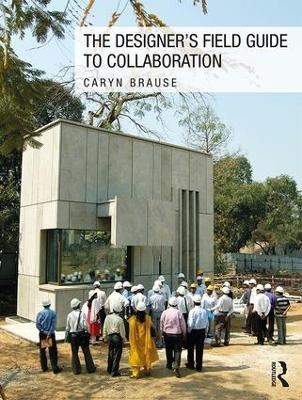
The Designer's Field Guide to Collaboration
Routledge (Verlag)
978-1-138-80364-0 (ISBN)
The Designer’s Field Guide to Collaboration provides practitioners and students with the tools necessary to collaborate effectively with a wide variety of partners in an increasingly socially complex and technology-driven design environment. Beautifully illustrated with color images, the book draws on the expertise of top professionals in the allied fields of architecture, landscape architecture, engineering and construction management, and brings to bear research from diverse disciplines such as software development, organizational behavior, and outdoor leadership training. Chapters examine emerging and best practices for effective team building, structuring workflows, enhancing communication, managing conflict, and developing collective vision––all to ensure the highest standards of design excellence.
Case studies detail and reflect on the collaborative processes used to create award-winning projects by Studio Gang, Perkins+Will, Tod Williams Billie Tsien Architects | Partners, Gensler, CDR Studio, Mahlum Architects, In.Site:Architecture, and Thornton Tomasetti’s Core Studio. The book also provides pragmatic ideas and formal exercises for brainstorming productively, evaluating ideas, communicating effectively, and offering feedback.
By emphasizing the productive influence and creative possibilities of collaboration within the changing landscape of architectural production, the book proposes how these practices can be taught in architecture school and expanded in practice. In a changing world that presents increasingly complex challenges, optimizing these collaborative skills will prove not only necessary, but crucial to the process of creating advanced architecture.
Caryn Brause AIA LEED AP holds an M.Arch from the University of Virginia and a B.A. from the University of Pennsylvania. Brause is Assistant Professor of Architecture at the University of Massachusetts Amherst and principal of SITELAB Architecture + Design. Brause’s teaching aims to cultivate critical skills for contemporary practice, both technological and interpersonal. She received an AIA/ACSA Practice + Leadership Award in 2016 and an NCARB Award for the Integration of Practice and Education in 2013 for her project Voices from the Field, which uniquely blends instruction in design, materials, methods, and documentation with first-hand observation of construction and professional practice. Brause’s ongoing research adapts this experiential pedagogical model to areas of design decision-making and project delivery.
1. Why Collaboration? Collaboration to Address Forces Larger than Design Practice Collaboration to Address Issues Intrinsic to Design Practice Global Practice Collaborate to Reposition Practice Case Study: In.Site:Architecture and the Perry Project 2. Envisioning the Team Organizational Behavior and Design Crafting the Conditions For Creativity Composing the Collaborative Team The Importance of Trust Group Development: Forming, Storming, Norming, and Performing Case Study: Studio Gang and Arcus Center for Social Justice Leadership 3. What Does Collaboration Look Like? Project-based Collaborations Serial Teaming Visioning the Team How Teams Work Decision-making Styles Case Study: Perkins+Will and Ryerson University’s Church Street Development 4. Daredevils, Cheerleaders, and Pragmatists The Importance of Roles Networked Leadership Developing Self-awareness Assigning Roles Case Study: Gensler, Executive Architect to the Sterling & Francine Clark Art Institute 5. Team Communication The Importance of Communication in Practice Interpersonal Communication Task Communication Feedback as a Collaborative Tool The Relationship of Space to the Exchange of Ideas Case Study: Tod Williams Billie Tsien Architects | Partners and Tata Consultancy Services’ Banyan Park 6. What’s Wrong with Conflict Anyway? Origins of Conflict Attitudes toward Conflict Sources of Conflict in Design Practice Understanding the Dynamics of Conflict Strategies for Conflict Management and Resolution Case Study: CDR Studio and Audi of America 7. Continuous Improvement Organizational Reflection Cultivating a Growth Mindset Reflective Practice Contracts, Project Delivery Methods, and Collaboration Collaboration and Innovation Case Study: Mahlum Architects 8. Collaborative Workflows Technology and Collaboration Changing Practice Landscape Collaborating with Industry BIM: Facilitating Collaboration Information Exchange Case Study: Thornton Tomasetti’s Core Studio Appendix Selected Bibliography Index of Firms and Projects Image Credits Index
| Erscheinungsdatum | 28.03.2017 |
|---|---|
| Zusatzinfo | 29 Line drawings, color; 231 Halftones, color |
| Verlagsort | London |
| Sprache | englisch |
| Maße | 189 x 246 mm |
| Gewicht | 866 g |
| Themenwelt | Technik ► Architektur |
| Wirtschaft ► Betriebswirtschaft / Management | |
| ISBN-10 | 1-138-80364-2 / 1138803642 |
| ISBN-13 | 978-1-138-80364-0 / 9781138803640 |
| Zustand | Neuware |
| Informationen gemäß Produktsicherheitsverordnung (GPSR) | |
| Haben Sie eine Frage zum Produkt? |
aus dem Bereich