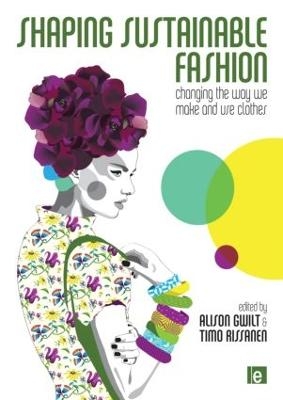
Shaping Sustainable Fashion
Earthscan Ltd (Verlag)
978-1-84971-242-2 (ISBN)
Based on the results of extensive research into lifecycle approaches to sustainable fashion, the book is divided into four sections:
source: explores the motivations for the selection of materials for fashion garments and suggests that garments can be made from materials that also assist in the management of textile waste
make: discusses the differing approaches to the design and manufacture of sustainable fashion garments that can also provide the opportunity for waste control and minimization
use: explores schemes that encourage the consumer to engage in slow fashion consumption
last: examines alternative solutions to the predictable fate of most garments – landfill.
Illustrated throughout with case studies of best practice from international designers and fashion labels and written in a practical, accessible style, this is a must-have guide for fashion and textile designers and students in their areas.
Alison Gwilt is the Course Director for Fashion & Textile Design at the University of Technology Sydney, Australia and is a fashion design academic and researcher who has been exploring sustainable solutions and strategies for fashion and textile design through her practice-based research activities and PhD studies. She has more than 18 years experience in academia managing and lecturing in fashion and textiles design in the UK, New Zealand and Australia. Timo Rissanen is the Assistant Professor of Fashion Design and Sustainability at Parsons The New School for Design in New York. His fashion design practice is informed by inquisitive patternmaking and broad sustainability concerns.
Lists of Figures, Tables and Images. Acknowledgements. Foreword – The Environmental Trust, New South Wales Government. Introduction from the Editors Part 1: Source Introduction 1.1. Remediation: Discussing Fashion Textiles Sustainability 1.2. Case Study: Upcycling Materials for Fashion 1.3. Case Study: New Materials for Fashion 1.4. Sustainable Textiles – Nature or Nurture? Part 2: Make Introduction 2.1. Producing Sustainable Fashion: The Points for Positive Intervention by the Fashion Designer 2.2. Case Study: The Tailor's Craft 2.3. Case Study: The Perfect Solution 2.4. Zero-waste Garment Design: Strategies and Risk-taking for Design Practice Part 3: Use Introduction 3.1. Sustainable Clothing Care by Design 3.2. Case Study – Slowing Fashion 3.3. Case Study – Personalising Fashion 3.4. Designing Endurance Part 4: Last Introduction 4.1. Textile Recycling Options: Exploring What Could Be 4.2. Case Study: Reuse in the Fashion Cycle 4.3. Case Study: A New Future Fashion Industry 4.4. Post-growth Fashion and the Craft of Users. Case Study Profiles. Resources. Editors' Biographies
| Erscheint lt. Verlag | 27.1.2011 |
|---|---|
| Verlagsort | London |
| Sprache | englisch |
| Maße | 170 x 240 mm |
| Gewicht | 360 g |
| Themenwelt | Kunst / Musik / Theater ► Design / Innenarchitektur / Mode |
| Naturwissenschaften ► Biologie ► Ökologie / Naturschutz | |
| Sozialwissenschaften ► Soziologie ► Spezielle Soziologien | |
| Technik ► Umwelttechnik / Biotechnologie | |
| Wirtschaft ► Betriebswirtschaft / Management | |
| Wirtschaft ► Volkswirtschaftslehre | |
| ISBN-10 | 1-84971-242-5 / 1849712425 |
| ISBN-13 | 978-1-84971-242-2 / 9781849712422 |
| Zustand | Neuware |
| Informationen gemäß Produktsicherheitsverordnung (GPSR) | |
| Haben Sie eine Frage zum Produkt? |
aus dem Bereich