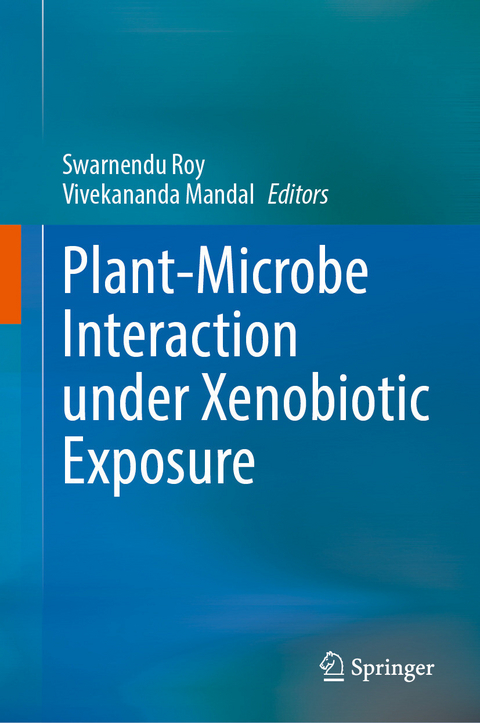
This book presents the impact of a wide array of xenobiotic compounds on the physio-biochemical and molecular parameters in an integrative format. It highlights recent advances in bioremediation strategies, including the use of novel microorganisms, rhizosphere engineering, microbial enzymes, and nanotechnology. By exploring the effects of xenobiotic exposure on plants and microbes holistically, this book aims to boost sustainable agriculture for the future.
Key concepts include the mechanisms and strategies plants employ for detoxifying xenobiotics, microbial mitigation of plant stress, and the role of nanobiosensors in environmental monitoring. Chapters delve into topics such as the ecological impacts of emerging pollutants, plant-microbe interactions under environmental stress, and innovative bioremediation techniques. This comprehensive analysis makes the book a must-read for understanding the challenges and solutions in managing xenobiotic impacts.
Researchers, scholars, and scientists in Plant Sciences, Agriculture, and related fields will find this book invaluable. With illustrative schemes and sketches, the book effectively communicates complex ideas, drawing attention to the critical challenges of future food production and environmental issues. It is particularly relevant for academics, practitioners, and policymakers seeking to understand and address the impacts of xenobiotics on ecosystems. By providing a detailed exploration of current research and innovative solutions, the book serves as a vital resource for those committed to fostering a sustainable future.
This book presents the impact of a wide array of xenobiotic compounds on the physio-biochemical and molecular parameters in an integrative format. It highlights recent advances in bioremediation strategies, including the use of novel microorganisms, rhizosphere engineering, microbial enzymes, and nanotechnology. By exploring the effects of xenobiotic exposure on plants and microbes holistically, this book aims to boost sustainable agriculture for the future.Key concepts include the mechanisms and strategies plants employ for detoxifying xenobiotics, microbial mitigation of plant stress, and the role of nanobiosensors in environmental monitoring. Chapters delve into topics such as the ecological impacts of emerging pollutants, plant-microbe interactions under environmental stress, and innovative bioremediation techniques. This comprehensive analysis makes the book a must-read for understanding the challenges and solutions in managing xenobiotic impacts. Researchers, scholars, and scientists in Plant Sciences, Agriculture, and related fields will find this book invaluable. With illustrative schemes and sketches, the book effectively communicates complex ideas, drawing attention to the critical challenges of future food production and environmental issues. It is particularly relevant for academics, practitioners, and policymakers seeking to understand and address the impacts of xenobiotics on ecosystems. By providing a detailed exploration of current research and innovative solutions, the book serves as a vital resource for those committed to fostering a sustainable future.
| Erscheint lt. Verlag | 26.7.2025 |
|---|---|
| Sprache | englisch |
| Themenwelt | Naturwissenschaften ► Biologie ► Botanik |
| Naturwissenschaften ► Biologie ► Mikrobiologie / Immunologie | |
| Naturwissenschaften ► Biologie ► Ökologie / Naturschutz | |
| Technik ► Umwelttechnik / Biotechnologie | |
| Weitere Fachgebiete ► Land- / Forstwirtschaft / Fischerei | |
| ISBN-10 | 981-96-8260-6 / 9819682606 |
| ISBN-13 | 978-981-96-8260-7 / 9789819682607 |
| Informationen gemäß Produktsicherheitsverordnung (GPSR) | |
| Haben Sie eine Frage zum Produkt? |
 PDF (Wasserzeichen)
Größe: 35,4 MB
DRM: Digitales Wasserzeichen
Dieses eBook enthält ein digitales Wasserzeichen und ist damit für Sie personalisiert. Bei einer missbräuchlichen Weitergabe des eBooks an Dritte ist eine Rückverfolgung an die Quelle möglich.
Dateiformat: PDF (Portable Document Format)
Mit einem festen Seitenlayout eignet sich die PDF besonders für Fachbücher mit Spalten, Tabellen und Abbildungen. Eine PDF kann auf fast allen Geräten angezeigt werden, ist aber für kleine Displays (Smartphone, eReader) nur eingeschränkt geeignet.
Systemvoraussetzungen:
PC/Mac: Mit einem PC oder Mac können Sie dieses eBook lesen. Sie benötigen dafür einen PDF-Viewer - z.B. den Adobe Reader oder Adobe Digital Editions.
eReader: Dieses eBook kann mit (fast) allen eBook-Readern gelesen werden. Mit dem amazon-Kindle ist es aber nicht kompatibel.
Smartphone/Tablet: Egal ob Apple oder Android, dieses eBook können Sie lesen. Sie benötigen dafür einen PDF-Viewer - z.B. die kostenlose Adobe Digital Editions-App.
Buying eBooks from abroad
For tax law reasons we can sell eBooks just within Germany and Switzerland. Regrettably we cannot fulfill eBook-orders from other countries.
 EPUB (Adobe DRM)
Kopierschutz: Adobe-DRM
Adobe-DRM ist ein Kopierschutz, der das eBook vor Mißbrauch schützen soll. Dabei wird das eBook bereits beim Download auf Ihre persönliche Adobe-ID autorisiert. Lesen können Sie das eBook dann nur auf den Geräten, welche ebenfalls auf Ihre Adobe-ID registriert sind.
Details zum Adobe-DRM
Dateiformat: EPUB (Electronic Publication)
EPUB ist ein offener Standard für eBooks und eignet sich besonders zur Darstellung von Belletristik und Sachbüchern. Der Fließtext wird dynamisch an die Display- und Schriftgröße angepasst. Auch für mobile Lesegeräte ist EPUB daher gut geeignet.
Systemvoraussetzungen:
PC/Mac: Mit einem PC oder Mac können Sie dieses eBook lesen. Sie benötigen eine
eReader: Dieses eBook kann mit (fast) allen eBook-Readern gelesen werden. Mit dem amazon-Kindle ist es aber nicht kompatibel.
Smartphone/Tablet: Egal ob Apple oder Android, dieses eBook können Sie lesen. Sie benötigen eine
Geräteliste und zusätzliche Hinweise
Buying eBooks from abroad
For tax law reasons we can sell eBooks just within Germany and Switzerland. Regrettably we cannot fulfill eBook-orders from other countries.
aus dem Bereich