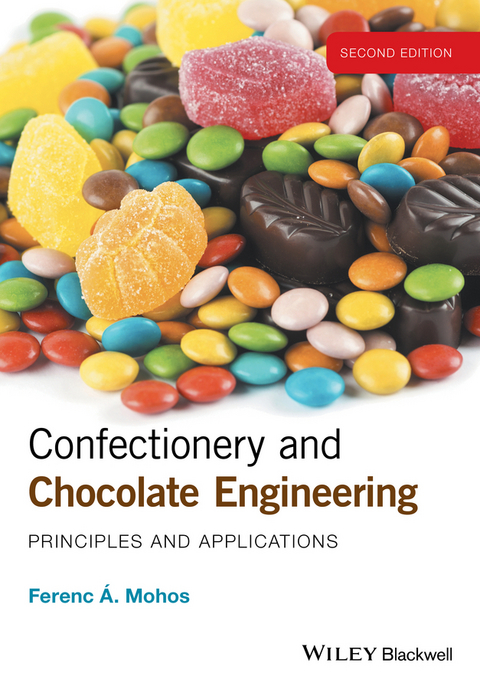
Confectionery and Chocolate Engineering (eBook)
John Wiley & Sons (Verlag)
978-1-118-93976-5 (ISBN)
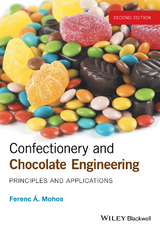
Confectionery and chocolate manufacture has been dominated by large-scale industrial processing for several decades. It is often the case though, that a trial and error approach is applied to the development of new products and processes, rather than verified scientific principles.
Confectionery and Chocolate Engineering: Principles and Applications, Second edition, adds to information presented in the first edition on essential topics such as food safety, quality assurance, sweets for special nutritional purposes, artizan chocolate, and confectioneries. In addition, information is provided on the fading memory of viscoelastic fluids, which are briefly discussed in terms of fractional calculus, and gelation as a second order phase transition. Chemical operations such as inversion, caramelization, and the Maillard reaction, as well as the complex operations including conching, drying, frying, baking, and roasting used in confectionery manufacture are also described.
This book provides food engineers, scientists, technologists and students in research, industry, and food and chemical engineering-related courses with a scientific, theoretical description and analysis of confectionery manufacturing, opening up new possibilities for process and product improvement, relating to increased efficiency of operations, the use of new materials, and new applications for traditional raw materials.
Ferenc Mohos chaired the Codex Alimentarius Hungaricus Confectionery Products Working Committee for two decades, whilst being Managing Director of his own consulting company, Food Quality 1992 Ltd., Budapest. Presently, he is affiliated with the Szeged University and also the Corvinus University of Budapest, Hungary.
Confectionery and chocolate manufacture has been dominated by large-scale industrial processing for several decades. It is often the case though, that a trial and error approach is applied to the development of new products and processes, rather than verified scientific principles. Confectionery and Chocolate Engineering: Principles and Applications, Second edition, adds to information presented in the first edition on essential topics such as food safety, quality assurance, sweets for special nutritional purposes, artizan chocolate, and confectioneries. In addition, information is provided on the fading memory of viscoelastic fluids, which are briefly discussed in terms of fractional calculus, and gelation as a second order phase transition. Chemical operations such as inversion, caramelization, and the Maillard reaction, as well as the complex operations including conching, drying, frying, baking, and roasting used in confectionery manufacture are also described. This book provides food engineers, scientists, technologists and students in research, industry, and food and chemical engineering-related courses with a scientific, theoretical description and analysis of confectionery manufacturing, opening up new possibilities for process and product improvement, relating to increased efficiency of operations, the use of new materials, and new applications for traditional raw materials.
Ferenc Mohos chaired the Codex Alimentarius Hungaricus Confectionery Products Working Committee for two decades, whilst being Managing Director of his own consulting company, Food Quality 1992 Ltd., Budapest. Presently, he is affiliated with the Szeged University and also the Corvinus University of Budapest, Hungary.
Cover???????????????????????? 1
Title Page?????????????????????????????????? 5
Copyright???????????????????????????????? 6
Dedication?????????????????????????????????? 7
Contents?????????????????????????????? 9
Preface???????????????????????????? 25
Preface to the second edition???????????????????????????????????????????????????????????????????????? 29
Acknowledgements?????????????????????????????????????????????? 31
Part I Theoretical introduction???????????????????????????????????????????????????????????????????????????? 33
Chapter 1 Principles of food engineering?????????????????????????????????????????????????????????????????????????????????????????????? 35
1.1 Introduction?????????????????????????????????????????????? 35
1.2 The Damköhler equations 38
1.3 Investigation of the Damköhler equations by means of similarity theory 40
1.4 Analogies???????????????????????????????????????? 46
1.5 Dimensional analysis?????????????????????????????????????????????????????????????? 48
1.6 System theoretical approaches to food engineering???????????????????????????????????????????????????????????????????????????????????????????????????????????????????????? 51
1.7 Food safety and quality assurance???????????????????????????????????????????????????????????????????????????????????????? 53
Further reading???????????????????????????????????????????? 54
Chapter 2 Characterization of substances used in the confectionery industry???????????????????????????????????????????????????????????????????????????????????????????????????????????????????????????????????????????????????????????????????? 55
2.1 Qualitative characterization of substances?????????????????????????????????????????????????????????????????????????????????????????????????????????? 55
2.2 Quantitative characterization of confectionery products???????????????????????????????????????????????????????????????????????????????????????????????????????????????????????????????????? 65
2.3 Preparation of recipes?????????????????????????????????????????????????????????????????? 81
2.4 Composition of chocolate, confectioneries, biscuits and wafers made for special nutritional purposes?????????????????????????????????????????????????????????????????????????????????????????????????????????????????????????????????????????????????????????????????????????????????????????????????????????????????????????????? 88
Further reading???????????????????????????????????????????? 92
Chapter 3 Engineering properties of foods???????????????????????????????????????????????????????????????????????????????????????????????? 93
3.1 Introduction?????????????????????????????????????????????? 93
3.2 Density???????????????????????????????????? 93
3.3 Fundamental functions of thermodynamics???????????????????????????????????????????????????????????????????????????????????????????????????? 97
3.4 Latent heat and heat of reaction?????????????????????????????????????????????????????????????????????????????????????? 103
3.5 Thermal conductivity?????????????????????????????????????????????????????????????? 108
3.6 Thermal diffusivity and Prandtl number?????????????????????????????????????????????????????????????????????????????????????????????????? 110
3.7 Mass diffusivity and Schmidt number???????????????????????????????????????????????????????????????????????????????????????????? 113
3.8 Dielectric properties???????????????????????????????????????????????????????????????? 117
3.9 Electrical conductivity???????????????????????????????????????????????????????????????????? 123
3.10 Infrared absorption properties???????????????????????????????????????????????????????????????????????????????????? 127
3.11 Physical characteristics of food powders???????????????????????????????????????????????????????????????????????????????????????????????????????? 128
Further reading???????????????????????????????????????????? 139
Chapter 4 The rheology of foods and sweets?????????????????????????????????????????????????????????????????????????????????????????????????? 141
4.1 Rheology: its importance in the confectionery industry?????????????????????????????????????????????????????????????????????????????????????????????????????????????????????????????????? 141
4.2 Stress and strain???????????????????????????????????????????????????????? 141
4.3 Solid behaviour???????????????????????????????????????????????????? 147
4.4 Fluid behaviour???????????????????????????????????????????????????? 152
4.5 Viscosity of solutions?????????????????????????????????????????????????????????????????? 191
4.6 Viscosity of emulsions?????????????????????????????????????????????????????????????????? 193
4.7 Viscosity of suspensions?????????????????????????????????????????????????????????????????????? 196
4.8 Rheological properties of gels?????????????????????????????????????????????????????????????????????????????????? 198
4.9 Rheological properties of sweets?????????????????????????????????????????????????????????????????????????????????????? 203
4.10 Rheological properties of wheat flour doughs???????????????????????????????????????????????????????????????????????????????????????????????????????????????? 215
4.11 Relationship between food oral processing and rheology???????????????????????????????????????????????????????????????????????????????????????????????????????????????????????????????????? 225
Further reading???????????????????????????????????????????? 226
Chapter 5 Introduction to food colloids???????????????????????????????????????????????????????????????????????????????????????????? 229
5.1 The colloidal state???????????????????????????????????????????????????????????? 229
5.2 Formation of colloids???????????????????????????????????????????????????????????????? 231
5.3 Properties of macromolecular colloids???????????????????????????????????????????????????????????????????????????????????????????????? 234
5.4 Properties of colloids of association???????????????????????????????????????????????????????????????????????????????????????????????? 240
5.5 Properties of interfaces?????????????????????????????????????????????????????????????????????? 242
5.6 Electrical properties of interfaces???????????????????????????????????????????????????????????????????????????????????????????? 251
5.7 Theory of colloidal stability: the DLVO theory?????????????????????????????????????????????????????????????????????????????????????????????????????????????????? 253
5.8 Stability and changes of colloids and coarse dispersions?????????????????????????????????????????????????????????????????????????????????????????????????????????????????????????????????????? 256
5.9 Emulsion instability?????????????????????????????????????????????????????????????? 265
5.10 Phase inversion?????????????????????????????????????????????????????? 275
5.11 Foams?????????????????????????????????? 277
5.12 Gelation as a second-order phase transition?????????????????????????????????????????????????????????????????????????????????????????????????????????????? 288
Further reading???????????????????????????????????????????? 293
Part II Physical operations???????????????????????????????????????????????????????????????????? 295
Chapter 6 Comminution???????????????????????????????????????????????????????? 297
6.1 Changes during size reduction???????????????????????????????????????????????????????????????????????????????? 297
6.2 Rittinger's surface theory?????????????????????????????????????????????????????????????????????????? 298
6.3 Kick's volume theory?????????????????????????????????????????????????????????????? 299
6.4 The third or Bond theory?????????????????????????????????????????????????????????????????????? 300
6.5 Energy requirement for comminution?????????????????????????????????????????????????????????????????????????????????????????? 300
6.6 Particle size distribution of ground products???????????????????????????????????????????????????????????????????????????????????????????????????????????????? 301
6.7 Particle size distributions???????????????????????????????????????????????????????????????????????????? 305
6.8 Kinetics of grinding?????????????????????????????????????????????????????????????? 307
6.9 Comminution by five-roll refiners???????????????????????????????????????????????????????????????????????????????????????? 308
6.10 Grinding by a melangeur?????????????????????????????????????????????????????????????????????? 312
6.11 Comminution by a stirred ball mill???????????????????????????????????????????????????????????????????????????????????????????? 316
Further reading???????????????????????????????????????????? 321
Chapter 7 Mixing/kneading???????????????????????????????????????????????????????????????? 322
7.1 Technical solutions to the problem of mixing?????????????????????????????????????????????????????????????????????????????????????????????????????????????? 322
7.2 Power characteristics of a stirrer?????????????????????????????????????????????????????????????????????????????????????????? 322
7.3 Mixing time characteristics of a stirrer?????????????????????????????????????????????????????????????????????????????????????????????????????? 324
7.4 Representative shear rate and viscosity for mixing?????????????????????????????????????????????????????????????????????????????????????????????????????????????????????????? 324
7.5 Calculation of the Reynolds number for mixing???????????????????????????????????????????????????????????????????????????????????????????????????????????????? 324
7.6 Mixing of powders???????????????????????????????????????????????????????? 326
7.7 Mixing of fluids of high viscosity?????????????????????????????????????????????????????????????????????????????????????????? 332
7.8 Effect of impeller speed on heat and mass transfer?????????????????????????????????????????????????????????????????????????????????????????????????????????????????????????? 333
7.9 Mixing by blade mixers?????????????????????????????????????????????????????????????????? 334
7.10 Mixing rolls???????????????????????????????????????????????? 335
7.11 Mixing of two liquids?????????????????????????????????????????????????????????????????? 336
Further reading???????????????????????????????????????????? 336
Chapter 8 Solutions???????????????????????????????????????????????????? 338
8.1 Preparation of aqueous solutions of carbohydrates???????????????????????????????????????????????????????????????????????????????????????????????????????????????????????? 338
8.2 Solubility of sucrose in water?????????????????????????????????????????????????????????????????????????????????? 340
8.3 Aqueous solutions of sucrose and glucose syrup?????????????????????????????????????????????????????????????????????????????????????????????????????????????????? 341
8.4 Aqueous sucrose solutions containing invert sugar???????????????????????????????????????????????????????????????????????????????????????????????????????????????????????? 343
8.5 Solubility of sucrose in the presence of starch syrup and invert sugar?????????????????????????????????????????????????????????????????????????????????????????????????????????????????????????????????????????????????????????????????? 344
8.6 Rate of dissolution???????????????????????????????????????????????????????????? 344
8.7 Solubility of bulk sweeteners???????????????????????????????????????????????????????????????????????????????? 347
Further reading???????????????????????????????????????????? 348
Chapter 9 Evaporation???????????????????????????????????????????????????????? 349
9.1 Theoretical background: Raoult's law?????????????????????????????????????????????????????????????????????????????????????????????? 349
9.2 Boiling point of sucrose/water solutions at atmospheric pressure?????????????????????????????????????????????????????????????????????????????????????????????????????????????????????????????????????????????????????? 350
9.3 Application of a modification of Raoult's law to calculate the boiling point of carbohydrate/water solutions at decreased pressure?????????????????????????????????????????????????????????????????????????????????????????????????????????????????????????????????????????????????????????????????????????????????????????????????????????????????????????????????????????????????????????????????????????????????????????? 351
9.4 Vapour pressure formulae for carbohydrate/water solutions???????????????????????????????????????????????????????????????????????????????????????????????????????????????????????????????????????? 355
9.5 Practical tests for controlling the boiling points of sucrose solutions???????????????????????????????????????????????????????????????????????????????????????????????????????????????????????????????????????????????????????????????????? 362
9.6 Modelling of an industrial working process for hard boiled sweets???????????????????????????????????????????????????????????????????????????????????????????????????????????????????????????????????????????????????????? 363
9.7 Boiling points of bulk sweeteners???????????????????????????????????????????????????????????????????????????????????????? 367
Further reading???????????????????????????????????????????? 367
Chapter 10 Crystallization?????????????????????????????????????????????????????????????????? 369
10.1 Introduction???????????????????????????????????????????????? 369
10.2 Crystallization from solution?????????????????????????????????????????????????????????????????????????????????? 369
10.3 Crystallization from melts???????????????????????????????????????????????????????????????????????????? 387
10.4 Crystal size distributions???????????????????????????????????????????????????????????????????????????? 403
10.5 Batch crystallization?????????????????????????????????????????????????????????????????? 406
10.6 Isothermal and non-isothermal recrystallization?????????????????????????????????????????????????????????????????????????????????????????????????????????????????????? 407
10.7 Methods for studying the supermolecular structure of fat melts???????????????????????????????????????????????????????????????????????????????????????????????????????????????????????????????????????????????????? 408
10.8 Crystallization of glycerol esters: Polymorphism???????????????????????????????????????????????????????????????????????????????????????????????????????????????????????? 413
10.9 Crystallization of cocoa butter?????????????????????????????????????????????????????????????????????????????????????? 417
10.10 Crystallization of fat masses???????????????????????????????????????????????????????????????????????????????????? 430
10.11 Crystallization of confectionery fats with a high trans-fat portion???????????????????????????????????????????????????????????????????????????????????????????????????????????????????????????????????????????????????????????????? 443
10.12 Modelling of chocolate cooling processes and tempering?????????????????????????????????????????????????????????????????????????????????????????????????????????????????????????????????????? 446
10.13 EU programme ProPraline???????????????????????????????????????????????????????????????????????? 453
Further reading???????????????????????????????????????????? 454
Chapter 11 Gelling, emulsifying, stabilizing and foam formation???????????????????????????????????????????????????????????????????????????????????????????????????????????????????????????????????????????? 456
11.1 Hydrocolloids used in confectionery?????????????????????????????????????????????????????????????????????????????????????????????? 456
11.2 Agar???????????????????????????????? 456
11.3 Alginates?????????????????????????????????????????? 461
11.4 Carrageenans???????????????????????????????????????????????? 464
11.5 Furcellaran?????????????????????????????????????????????? 469
11.6 Gum arabic???????????????????????????????????????????? 469
11.7 Gum tragacanth???????????????????????????????????????????????????? 470
11.8 Guaran gum???????????????????????????????????????????? 471
11.9 Locust bean gum?????????????????????????????????????????????????????? 471
11.10 Pectin?????????????????????????????????????? 472
11.11 Starch?????????????????????????????????????? 476
11.12 Xanthan gum???????????????????????????????????????????????? 479
11.13 Gelatin???????????????????????????????????????? 480
11.14 Egg proteins?????????????????????????????????????????????????? 485
11.15 Foam formation?????????????????????????????????????????????????????? 490
Further reading???????????????????????????????????????????? 498
Chapter 12 Transport?????????????????????????????????????????????????????? 500
12.1 Types of transport???????????????????????????????????????????????????????????? 500
12.2 Calculation of flow rate of non-newtonian fluids???????????????????????????????????????????????????????????????????????????????????????????????????????????????????????? 500
12.3 Transporting dessert masses in long pipes?????????????????????????????????????????????????????????????????????????????????????????????????????????? 502
12.4 Changes in pipe direction?????????????????????????????????????????????????????????????????????????? 503
12.5 Laminar unsteady flow?????????????????????????????????????????????????????????????????? 504
12.6 Transport of flour and sugar by airflow?????????????????????????????????????????????????????????????????????????????????????????????????????? 504
Further reading???????????????????????????????????????????? 509
Chapter 13 Pressing???????????????????????????????????????????????????? 510
13.1 Applications of pressing in the confectionery industry???????????????????????????????????????????????????????????????????????????????????????????????????????????????????????????????????? 510
13.2 Theory of pressing???????????????????????????????????????????????????????????? 510
13.3 Cocoa liquor pressing?????????????????????????????????????????????????????????????????? 512
Further reading???????????????????????????????????????????? 514
Chapter 14 Extrusion?????????????????????????????????????????????????????? 515
14.1 Flow through a converging die?????????????????????????????????????????????????????????????????????????????????? 515
14.2 Feeders used for shaping confectionery pastes?????????????????????????????????????????????????????????????????????????????????????????????????????????????????? 523
14.3 Extrusion cooking?????????????????????????????????????????????????????????? 527
14.4 Roller extrusion???????????????????????????????????????????????????????? 529
Further reading???????????????????????????????????????????? 532
Chapter 15 Particle agglomeration: instantization and tabletting?????????????????????????????????????????????????????????????????????????????????????????????????????????????????????????????????????????????? 533
15.1 Theoretical background???????????????????????????????????????????????????????????????????? 533
15.2 Processes of agglomeration???????????????????????????????????????????????????????????????????????????? 544
15.3 Granulation by fluidization?????????????????????????????????????????????????????????????????????????????? 546
15.4 Tabletting???????????????????????????????????????????? 548
Further reading???????????????????????????????????????????? 556
Part III Chemical and complex operations: stability of sweets: artisan chocolate and confectioneries?????????????????????????????????????????????????????????????????????????????????????????????????????????????????????????????????????????????????????????????????????????????????????????????????????????????????????? 557
Chapter 16 Chemical operations (inversion and caramelization), ripening and complex operations?????????????????????????????????????????????????????????????????????????????????????????????????????????????????????????????????????????????????????????????????????????????????????????????????????????? 559
16.1 Inversion and caramelization???????????????????????????????????????????????????????????????????????????????? 559
16.2 Acrylamide formation???????????????????????????????????????????????????????????????? 570
16.3 Alkalization of cocoa material???????????????????????????????????????????????????????????????????????????????????? 572
16.4 Ripening???????????????????????????????????????? 574
16.5 Complex operations???????????????????????????????????????????????????????????? 577
16.6 Drying/frying, baking and roasting???????????????????????????????????????????????????????????????????????????????????????????? 594
Further reading???????????????????????????????????????????? 609
Chapter 17 Water activity, shelf life and storage???????????????????????????????????????????????????????????????????????????????????????????????????????????????? 611
17.1 Water activity???????????????????????????????????????????????????? 611
17.2 Shelf life and storage???????????????????????????????????????????????????????????????????? 626
17.3 Storage scheduling???????????????????????????????????????????????????????????? 633
Further reading???????????????????????????????????????????? 634
Chapter 18 Stability of food systems?????????????????????????????????????????????????????????????????????????????????????? 636
18.1 Common use of the concept of food stability?????????????????????????????????????????????????????????????????????????????????????????????????????????????? 636
18.2 Stability theories: types of stability???????????????????????????????????????????????????????????????????????????????????????????????????? 636
18.3 Shelf life as a case of marginal stability???????????????????????????????????????????????????????????????????????????????????????????????????????????? 638
18.4 Stability matrix of a food system?????????????????????????????????????????????????????????????????????????????????????????? 639
Further reading???????????????????????????????????????????? 640
Chapter 19 Artisan chocolate and confectioneries?????????????????????????????????????????????????????????????????????????????????????????????????????????????? 641
19.1 Actuality of artisanship in the confectionery practice???????????????????????????????????????????????????????????????????????????????????????????????????????????????????????????????????? 641
19.2 The characteristics of the artisan products?????????????????????????????????????????????????????????????????????????????????????????????????????????????? 641
19.3 Raw materials and machinery?????????????????????????????????????????????????????????????????????????????? 642
19.4 The characteristics of the artisan confectionery technologies?????????????????????????????????????????????????????????????????????????????????????????????????????????????????????????????????????????????????? 643
19.5 Managing an artisan workshop???????????????????????????????????????????????????????????????????????????????? 643
19.6 An easy and effective shaping technology for producing praline bars?????????????????????????????????????????????????????????????????????????????????????????????????????????????????????????????????????????????????????????????? 644
Further reading???????????????????????????????????????????? 646
Part IV Appendices?????????????????????????????????????????????????? 647
Appendix 1 Data on engineering properties of materials used and made by the confectionery industry 649
A1.1 Carbohydrates 649
A1.2 Oils and fats 658
A1.3 Raw materials, semi-finished products and finished products 658
Appendix 2 Comparison of Brix and Baumé concentrations of aqueous sucrose solutions at 20 ?C (68?F) 675
Appendix 3 Survey of fluid models: some trends in rheology 677
A3.1 Decomposition method for calculation of flow rate of rheological models 677
A3.2 Calculation of the friction coefficient (??????) of non-newtonian fluids in the laminar region 685
A3.3 Tensorial representation of constitutive equations: The fading memory of viscoelastic fluids 686
A3.4 Computer simulations in food rheology and science 692
A3.5 Ultrasonic and photoacoustic testing 692
Appendix 4 Fractals 695
A4.1 Irregular forms: fractal geometry 695
A4.2 Box-counting dimension 696
A4.3 Particle-counting method 697
A4.4 Fractal backbone dimension 698
Further reading 698
Appendix 5 Introduction to structure theory 700
A5.1 The principles of the structure theory of blickle and seitz 700
A5.2 Modelling a part of fudge processing plant by structure theory 705
Further reading 706
Appendix 6 Technological layouts 707
Further reading???????????????????????????????????????????? 718
References?????????????????????????????????? 719
Index???????????????????????? 769
EULA 792
"This book provides food engineers, scientists, technologists and students in research, industry, and food and chemical engineering-related courses with a scientific, theoretical description and analysis of confectionery manufacturing, opening up new possibilities for process and product improvement, relating to increased efficiency of operations, the use of new materials, and new applications for traditional raw materials" Expofairs, September 2017
| Erscheint lt. Verlag | 2.12.2016 |
|---|---|
| Sprache | englisch |
| Themenwelt | Naturwissenschaften ► Biologie |
| Technik ► Lebensmitteltechnologie | |
| Weitere Fachgebiete ► Land- / Forstwirtschaft / Fischerei | |
| Schlagworte | confctionery manufacture • food engineering • Food Processing, Production & Manufacture • Food Science & Technology • Food Types • Fractional Calculus • Herstellung u. Verarbeitung von Lebensmitteln • Jellies as fractals • Lebensmittel • Lebensmittelforschung u. -technologie • Lebensmitteltechnik • Rheology of sweets • Shelf-life and the stability of sweets • Structure of sweets • structure theory • Sweets as colloidal systems • Technological triangle graph |
| ISBN-10 | 1-118-93976-X / 111893976X |
| ISBN-13 | 978-1-118-93976-5 / 9781118939765 |
| Informationen gemäß Produktsicherheitsverordnung (GPSR) | |
| Haben Sie eine Frage zum Produkt? |
 PDF (Adobe DRM)
Kopierschutz: Adobe-DRM
Adobe-DRM ist ein Kopierschutz, der das eBook vor Mißbrauch schützen soll. Dabei wird das eBook bereits beim Download auf Ihre persönliche Adobe-ID autorisiert. Lesen können Sie das eBook dann nur auf den Geräten, welche ebenfalls auf Ihre Adobe-ID registriert sind.
Details zum Adobe-DRM
Dateiformat: PDF (Portable Document Format)
Mit einem festen Seitenlayout eignet sich die PDF besonders für Fachbücher mit Spalten, Tabellen und Abbildungen. Eine PDF kann auf fast allen Geräten angezeigt werden, ist aber für kleine Displays (Smartphone, eReader) nur eingeschränkt geeignet.
Systemvoraussetzungen:
PC/Mac: Mit einem PC oder Mac können Sie dieses eBook lesen. Sie benötigen eine
eReader: Dieses eBook kann mit (fast) allen eBook-Readern gelesen werden. Mit dem amazon-Kindle ist es aber nicht kompatibel.
Smartphone/Tablet: Egal ob Apple oder Android, dieses eBook können Sie lesen. Sie benötigen eine
Geräteliste und zusätzliche Hinweise
Buying eBooks from abroad
For tax law reasons we can sell eBooks just within Germany and Switzerland. Regrettably we cannot fulfill eBook-orders from other countries.
aus dem Bereich