



Handbook of Canine and Feline Emergency Protocols
Seiten
2016
Delve Publishing (Verlag)
978-1-68095-866-9 (ISBN)
Delve Publishing (Verlag)
978-1-68095-866-9 (ISBN)
- Titel nicht im Sortiment
- Artikel merken
Canine and feline emergency protocols are important topics in veterinary medicine and will be commonly utilized by anyone entering the field. This book provides an array of articles covering various topics including, trauma, cancer, diabetes, thyroid disease, skin disease, meningoencephalomyelitis, pain and inflammation and allergies.
Canine and feline emergency protocols are important topics in veterinary medicine and will be commonly utilized by anyone entering the field. With the broad scope of topics associated with canine and feline emergency protocols this book provides an array of articles covering various topics including, trauma, cancer, diabetes, thyroid disease, skin disease, meningoencephalomyelitis, pain and inflammation and allergies. This book may interest both lay and professional individuals interested in furthering their understanding of a wide array of emergency veterinary topics. The final section of this book discusses innovative strategies that may one day be widely used in the field of emergency veterinary medicine, namely stem cells. Additionally, the utilization of animals in primary human care facilities is introduced as a way to connect pets to human health. The text is comprised of seventeen chapters. First chapter presents an overview on the application of cold intermittent pneumatic compression in the rehabilitation of multiple trauma dogs and cats or after surgery. Second chapter aimed at verifying the morphologic expression of parameters used in the cytopathological diagnosis of spontaneous OSAs in dogs of several breeds, including mixed-breeds. It also aimed at analyzing the possible concordance between cytopathological and histopathological parameters of these bone neoplasms. The aim of third chapter is to report a comparative approach of the etiological, epidemiological, pathological, and molecular aspects of melanomas in dogs. Chapter four and chapter five highlights therapeutic innovations, and the efficacy of a non-adjuvanted canarypox virus vectored vaccine and a sub-unit vaccine individually. Sixth chapter attempts to address many of the unanswered ques¬tions pertaining to osteosarcoma by focusing on recently acquired knowledge from a multi-species approach. Furthermore, the objective of the seventh chapter was to char¬acterize DM in dogs by using a mixed-effects modelling approach to identify characteristic factors and estimate their effects. Chapter eight covers the most common endocrine diseases of dogs and cats and in vitro characterization of the percutaneous absorption of tramadol into inner ear domestic feline skin using the franz skin finite dose model has been presented in ninth chapter. A prospective study on the efficacy of glucocorticoid monotherapy for treatment of canine meningoencephalomyelitis of unknown etiology is presented in chapter ten. The aim of eleventh chapter was to assess the impact of psyllium husk and the influence of different levels of total dietary fibre on faecal hair excretion in short and LH cats by directly measuring hair in their faeces. Twelfth chapter reviews the mechanism of action of anti-inflammatory drugs for use in animals and introduce the first-in-class drug for managing pain and inflammation associated with osteoarthritis (OA) in veterinary patients: grapiprant, an EP4 prostaglandin receptor an¬tagonist (PRA). Thirteenth chapter provides an overview on advances and opportunities of cytogenomics of feline cancers, and fourteenth chapter discusses the various models by focusing on the primary manifestation of allergy. The fifteenth chapter examines the role of health communication and sixteenth chapter represents a new approach to cellular support for dysrepair. Last chapter shows that owning a pet dog can have prophylactic and therapeutic value, but that incorporating these animals into clinical practice, can have a number of benefits for different types of patients. Dogs can also fill the role of assistants for people with disabilities, bringing important physical, psychological and social positive effects for their handlers, and even be trained to alert to seizures in epileptic patients and to changes in blood sugar levels in diabetics. In light of this, a significant “push” is currently being made by a number of researchers to integrate dogs into mainstream healthcare, notably through family medicine.
Canine and feline emergency protocols are important topics in veterinary medicine and will be commonly utilized by anyone entering the field. With the broad scope of topics associated with canine and feline emergency protocols this book provides an array of articles covering various topics including, trauma, cancer, diabetes, thyroid disease, skin disease, meningoencephalomyelitis, pain and inflammation and allergies. This book may interest both lay and professional individuals interested in furthering their understanding of a wide array of emergency veterinary topics. The final section of this book discusses innovative strategies that may one day be widely used in the field of emergency veterinary medicine, namely stem cells. Additionally, the utilization of animals in primary human care facilities is introduced as a way to connect pets to human health. The text is comprised of seventeen chapters. First chapter presents an overview on the application of cold intermittent pneumatic compression in the rehabilitation of multiple trauma dogs and cats or after surgery. Second chapter aimed at verifying the morphologic expression of parameters used in the cytopathological diagnosis of spontaneous OSAs in dogs of several breeds, including mixed-breeds. It also aimed at analyzing the possible concordance between cytopathological and histopathological parameters of these bone neoplasms. The aim of third chapter is to report a comparative approach of the etiological, epidemiological, pathological, and molecular aspects of melanomas in dogs. Chapter four and chapter five highlights therapeutic innovations, and the efficacy of a non-adjuvanted canarypox virus vectored vaccine and a sub-unit vaccine individually. Sixth chapter attempts to address many of the unanswered ques¬tions pertaining to osteosarcoma by focusing on recently acquired knowledge from a multi-species approach. Furthermore, the objective of the seventh chapter was to char¬acterize DM in dogs by using a mixed-effects modelling approach to identify characteristic factors and estimate their effects. Chapter eight covers the most common endocrine diseases of dogs and cats and in vitro characterization of the percutaneous absorption of tramadol into inner ear domestic feline skin using the franz skin finite dose model has been presented in ninth chapter. A prospective study on the efficacy of glucocorticoid monotherapy for treatment of canine meningoencephalomyelitis of unknown etiology is presented in chapter ten. The aim of eleventh chapter was to assess the impact of psyllium husk and the influence of different levels of total dietary fibre on faecal hair excretion in short and LH cats by directly measuring hair in their faeces. Twelfth chapter reviews the mechanism of action of anti-inflammatory drugs for use in animals and introduce the first-in-class drug for managing pain and inflammation associated with osteoarthritis (OA) in veterinary patients: grapiprant, an EP4 prostaglandin receptor an¬tagonist (PRA). Thirteenth chapter provides an overview on advances and opportunities of cytogenomics of feline cancers, and fourteenth chapter discusses the various models by focusing on the primary manifestation of allergy. The fifteenth chapter examines the role of health communication and sixteenth chapter represents a new approach to cellular support for dysrepair. Last chapter shows that owning a pet dog can have prophylactic and therapeutic value, but that incorporating these animals into clinical practice, can have a number of benefits for different types of patients. Dogs can also fill the role of assistants for people with disabilities, bringing important physical, psychological and social positive effects for their handlers, and even be trained to alert to seizures in epileptic patients and to changes in blood sugar levels in diabetics. In light of this, a significant “push” is currently being made by a number of researchers to integrate dogs into mainstream healthcare, notably through family medicine.
Stephen Rego obtained his PhD from the University of North Carolina at Charlotte in 2013 where his graduate research focused on cancer immunology and the tumor microenvironment. He received postdoctoral training in regenerative and translational medicine, specifically gastrointestinal tissue engineering, at the Wake Forest Institute of Regenerative Medicine. Currently, Stephen is an instructor for anatomy and physiology and biology at Forsyth Technical Community College.
| Erscheinungsdatum | 16.03.2018 |
|---|---|
| Sprache | englisch |
| Maße | 152 x 229 mm |
| Gewicht | 600 g |
| Themenwelt | Veterinärmedizin |
| ISBN-10 | 1-68095-866-6 / 1680958666 |
| ISBN-13 | 978-1-68095-866-9 / 9781680958669 |
| Zustand | Neuware |
| Informationen gemäß Produktsicherheitsverordnung (GPSR) | |
| Haben Sie eine Frage zum Produkt? |
Mehr entdecken
aus dem Bereich

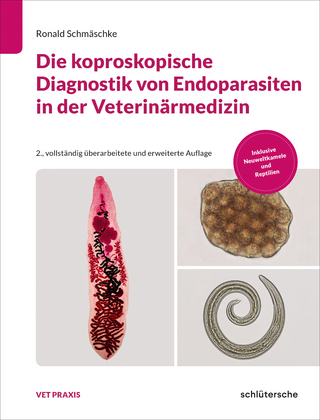
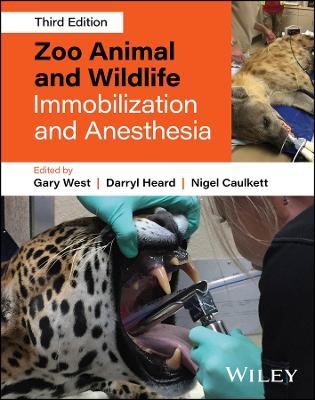
aus dem Bereich
Ein Handbuch für Tiermedizinische Fachangestellte
Buch | Softcover (2025)
Lehmanns Media (Verlag)
CHF 23,70
Buch | Hardcover (2025)
Schlütersche (Verlag)
CHF 124,60
Buch | Hardcover (2025)
John Wiley & Sons Inc (Verlag)
CHF 319,95


