


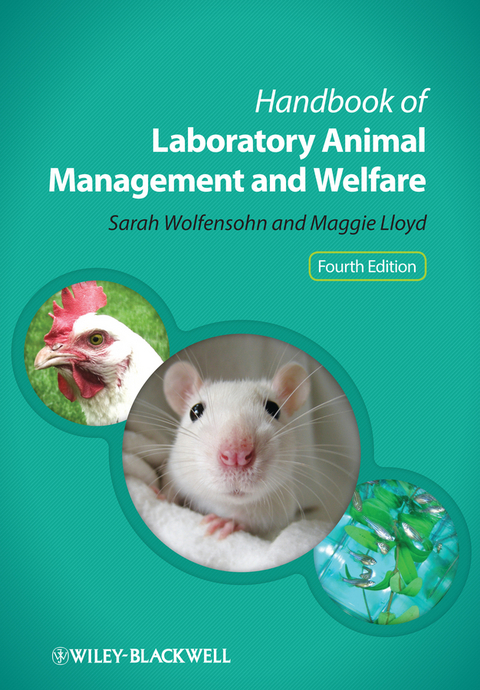
Handbook of Laboratory Animal Management and Welfare (eBook)
John Wiley & Sons (Verlag)
9781118478226 (ISBN)
This bestseller has been an essential book for all those working with laboratory animals since it was first published in 1994. This fourth edition retains all the classic features that have made it a must-have reference including emphasis on best practice in order to improve animal welfare. The contents have been thoroughly updated and reorganised to make sure it is a really practical book for day-to-day use in the laboratory. The first section of the book covers principles applicable to all species, for example husbandry, handling and the education and training required by scientists and technical staff working with animals in the laboratory. Later chapters focus on specific species or groups of species.
New to this edition:
• Reflects changes in European legislation and their impact on national legislation
• Covers recommendations for the education and training of those carrying out animal experiments across Europe
• New chapters on ethical considerations and balancing animal welfare with science
• New information on environmental enrichment for laboratory animals
• Covers advancements in anaesthesia and analgesia and techniques
• Spiral bound for ease-of-use as a bench-top reference
This book is ideal for all personnel carrying out scientific procedures using animals, particularly during training and also for the new researcher. It will also be essential reading for study directors designing research programmes, animal technicians and veterinarians working with laboratory animal species.
Sarah Wolfensohn OBE BSc MA VetMB CertLAS FSB DipECLAM Dip ECAWBM-AW MRCVS. Sarah is currently an independent consultant in animal health and welfare, and was formerly Head of Department, Veterinary Services at University of Oxford.
Maggie Lloyd MA VetMB DipHE CertLAS MRCVS. Maggie has 20 years' experience as a named veterinary surgeon and as an Animals (Scientific Procedures) Inspector at The Home Office. She is currently an independent veterinary consultant.
This bestseller has been an essential book for all those working with laboratory animals since it was first published in 1994. This fourth edition retains all the classic features that have made it a must-have reference including emphasis on best practice in order to improve animal welfare. The contents have been thoroughly updated and reorganised to make sure it is a really practical book for day-to-day use in the laboratory. The first section of the book covers principles applicable to all species, for example husbandry, handling and the education and training required by scientists and technical staff working with animals in the laboratory. Later chapters focus on specific species or groups of species. New to this edition: Reflects changes in European legislation and their impact on national legislation Covers recommendations for the education and training of those carrying out animal experiments across Europe New chapters on ethical considerations and balancing animal welfare with science New information on environmental enrichment for laboratory animals Covers advancements in anaesthesia and analgesia and techniques Spiral bound for ease-of-use as a bench-top reference This book is ideal for all personnel carrying out scientific procedures using animals, particularly during training and also for the new researcher. It will also be essential reading for study directors designing research programmes, animal technicians and veterinarians working with laboratory animal species.
Sarah Wolfensohn OBE BSc MA VetMB CertLAS FSB DipECLAM Dip ECAWBM-AW MRCVS. Sarah is currently an independent consultant in animal health and welfare, and was formerly Head of Department, Veterinary Services at University of Oxford. Maggie Lloyd MA VetMB DipHE CertLAS MRCVS. Maggie has 20 years' experience as a named veterinary surgeon and as an Animals (Scientific Procedures) Inspector at The Home Office. She is currently an independent veterinary consultant.
Handbook of Laboratory Animal Management and Welfare 3
Contents 7
Acknowledgements 19
1 Education and Training for the Personal Licence Holder 21
Introduction 21
Framework for Education and Training of Licence Holders 22
Core modules 24
Prerequisite and additional modules 24
Education and training in the UK 24
Aims of Accredited Training 24
Continuing Professional Development and Reflective Practice 25
Summary 25
References 26
2 Ethical Considerations around using Animals in Research 27
History of the Use of Animals in Research 27
The Ethics of Using Animals in Experiments 29
The Local Ethical Review Process 32
Measuring harms and benefits 32
The Principles of the Three RS 33
Replacement 33
Reduction 34
Refinement 35
Prospective, ongoing and retrospective review: reflective practice and the refinement loop 35
Public Perceptions 37
Transparency and freedom of information 38
References 38
3 The Regulatory Framework 41
Introduction to Legislation Regulating the Use of Animals in Research 41
European legislation 42
The Animals (Scientific Procedures) Act 1986 42
Protected animals 43
Regulated procedures 43
Exemptions 44
Licensing of places 44
The personal licence 45
Project licences 48
The Section 2C licence 50
Additional controls 52
Administration of the Act 53
Assessment of licences and inspection of premises 53
Offences and infringements 53
Communication 54
Statistics of Animal Usage 54
Other Relevant Legislation 54
References 56
4 Balancing Animal Welfare with Science 57
Welfare versus Science? 57
What is Welfare? 57
Quality of life 58
Why assess welfare? 59
Who should assess welfare? 60
How to assess welfare 60
Development of welfare assessment systems 64
Consideration of cumulative suffering 66
References 68
5 Animal Husbandry, Environmental Enrichment and Occupational Health and Safety 71
Animal Husbandry 71
Types of housing 72
Bedding and nesting materials 74
Nutrition 74
Environment 75
Handling techniques 76
Environmental Enrichment 76
Evaluation of enrichment and other refinements to housing and care 78
Evaluating the effect of a potential refinement on animals 78
Evaluating the effect of a potential refinement on science 81
Evaluating the effect of a potential refinement on animal house management 82
Supply and Transport 83
Aspects of Health, Safety and Security Affecting Animal Care 84
COSHH, CLP and REACH 85
Genetically modified organisms 86
Health and safety in animal facilities 87
Miscellaneous health and safety hazards and risks 91
Acknowledgements 94
References and Further Reading 94
6 Principles of Animal Use and Experimental Design 97
Principles of Experimental Design 97
Minimising variation 98
Selection of animals: species, strain, genetically altered animals 99
Genetic and Welfare Monitoring of GA and HM Animals 101
Background health status 102
Sources of infection 103
Health monitoring 104
Biosecurity and containment for rodents 106
References 107
7 Handling and Techniques 109
Prior Considerations 109
Training and competence of operator 109
Acclimatisation 110
Training of animals 110
Restraint of animals 110
Equipment 111
Administration of Substances 111
ADME 111
Administration volumes 113
Administration techniques 113
Legal considerations 123
Removal of Blood 124
Quality of samples 124
Technique for venipuncture 125
Methods of venipuncture in different species 128
Placement and Maintenance of Indwelling Cannulae 131
Withdrawal of blood 132
Long-term cannulation 132
Removal of cannulae 132
Potential sequelae 132
Arterial Sampling and Arterial Loops 133
Needle puncture 133
Arterial cannulae 133
Arterial loops 133
Miscellaneous Procedures 133
Creation and maintenance of fistulae 133
Administration techniques 134
Sampling 135
Antibody production 136
Equipment for Blood Collection and Administration of Substances 139
Over-the-needle cannulae 139
Evacuated blood-collection tubes 139
Butterfly needles 140
Tourniquets 140
Vasodilating agents 140
References 140
8 Humane Methods of Killing 143
Ethical Considerations in Killing Animals 143
Legal constraints 143
When to kill an animal 143
Preparation for humane killing 145
Methods of Euthanasia 147
Chemical methods of euthanasia 147
Physical methods of euthanasia 150
Other methods of euthanasia 151
Schedule 1 methods 152
References 153
9 Anaesthesia and Analgesia 157
Introduction 157
Pre-Anaesthetic Care and Evaluation 158
Acclimatisation 158
Training 158
Fasting 158
Handling 159
Health status 159
Local anaesthetics 159
Premedication 159
General Anaesthesia 162
General principles 162
Balanced anaesthesia 162
Administration of anaesthetics 163
Inhalation anaesthesia 164
Injectable anaesthesia 171
Long-term and non-recovery anaesthesia 184
Recovery and post-anaesthetic care 185
Local anaesthetics 186
Anaesthetic Management 187
Physiological stability 187
Depth of anaesthesia 190
Equipment monitoring 191
Anaesthetic Emergencies 191
Muscle Relaxation During Anaesthesia 192
Monitoring anaesthesia under neuromuscular blocking agents 193
Neuromuscular blocking agents 193
References 194
10 Introduction to Surgery and Surgical Techniques 197
Pre-Surgical Preparation 197
Animal 197
Instruments and equipment 198
Facilities 198
Personnel 198
Principles of Aseptic Technique 199
Atmosphere 200
Surgical team 200
Instruments 201
Methods of sterilisation 201
Preparation of the animal 203
Summary of Lasa Guidelines on Rodent Surgery 204
Conduct of Surgical Procedures 204
Inflammation and wound healing 204
Types of healing 205
Factors affecting healing 206
Performance of surgical procedures 207
Surgical Instruments 209
Skin incision 210
Dissection 211
Haemostasis 211
Wound closure 213
Other instruments 213
Suturing Techniques and Materials 215
Suture needles 216
Suture placement 217
Surgical knots 217
Suture patterns 218
Suture materials 221
Sizes of suture 226
Packaging 226
Summary 227
References 227
11 Small Laboratory Animals 229
Rodents 229
Dentition 229
Nutrition and digestion 230
Water 230
Behaviour 231
Senses and communication 231
Housing 231
Environment 231
Anaesthesia 232
Mouse 232
Behaviour 232
Communication 233
Feeding 234
Environment 235
Breeding 235
Growth 235
Handling 236
Pain and stress recognition 237
Common diseases and health monitoring 238
Biological data and useful reference data 238
Rat 238
Behaviour 239
Housing 239
Feeding 240
Water 240
Environment 240
Breeding 240
Growth and development 241
Handling 241
Pain and stress recognition 242
Common diseases and health monitoring 243
Biological data and useful reference data 243
Hamster 243
Behaviour 244
Housing 244
Feeding 245
Water 245
Environment 246
Breeding 246
Handling 247
Pain and stress recognition 247
Common diseases and health monitoring 247
Biological data and useful reference data 247
Gerbil 247
Behaviour 248
Housing 249
Feeding 249
Water 250
Environment 250
Breeding 250
Handling 250
Pain and stress recognition 251
Common diseases and health monitoring 251
Biological data and useful reference data 251
Guinea Pig 252
Behaviour 252
Housing 253
Feeding and water 253
Environment 254
Breeding 254
Growth 254
Handling 255
Recognition of pain and stress 255
Common diseases and health monitoring 255
Anaesthesia 256
Biological data and useful reference data 256
Rabbit 257
Behaviour 257
Housing 258
Feeding 259
Water 260
Environment 260
Breeding 261
Growth 261
Handling 262
Pain and stress recognition 262
Common diseases and health monitoring 263
Biological data and useful reference data 263
Anaesthesia in the rabbit 263
References 264
12 Carnivores 267
Dog 267
Behaviour 268
Housing 269
Feeding 269
Water 270
Environment 270
Breeding 270
Growth 271
Handling 271
Pain and stress recognition 271
Common diseases and health monitoring 273
Biological data and useful reference data 273
Anaesthesia 274
Ferret 274
Behaviour 275
Housing 275
Feeding 276
Water 277
Environment 277
Breeding 277
Growth 278
Handling 278
Pain and stress recognition 279
Common diseases and health monitoring 279
Biological data and useful reference data 280
Anaesthesia 280
References 281
13 Primates 283
Use of Primates in Research 283
New World Monkeys 283
Marmoset 284
Old World Monkeys 286
Sources, supply and transportation 286
Breeding 288
Housing 289
Feeding/watering 291
Health Monitoring, Quarantine and Common Diseases 292
Health-screening programme 293
Laboratory Procedures 294
Handling and restraint 294
Training 295
Administration of substances, blood sampling 296
Telemetry 297
Anaesthesia, analgesia and post-operative care 297
Husbandry post-surgery 297
Welfare 298
Natural behaviour 298
Assessment of welfare 299
Euthanasia 301
Record keeping 301
References 301
14 Production (Farm) Animals 307
Poultry 307
Biology 308
Domestic Chicken 309
Behaviour 309
Housing 309
Feeding 310
Water 310
Environment 311
Breeding 311
Handling 312
Techniques 312
Pain and stress recognition 314
Common diseases and health monitoring 314
Biological data and useful reference data 315
Anaesthesia of chickens 316
Ruminants 316
Sheep 317
Behaviour 318
Housing 318
Feeding 319
Water 320
Environment 320
Breeding 320
Handling 321
Pain and stress recognition 322
Common diseases and health monitoring 322
Anaesthesia and surgery 324
Useful data 324
Goats 325
Behaviour 326
Housing 326
Feeding 326
Water 327
Environment 327
Breeding 327
Handling 327
Pain and stress recognition 327
Common diseases and health monitoring 328
Anaesthesia and analgesia 328
Cattle 328
Behaviour 328
Housing 329
Feeding 329
Environment 330
Breeding 330
Handling 330
Pain and stress recognition 331
Common diseases and health monitoring 331
Anaesthesia 332
Useful data 332
Pigs 332
Supply 333
Behaviour 333
Housing 333
Feeding 334
Water 335
Environment 336
Breeding 336
Growth 337
Handling 337
Pain and stress recognition 338
Common diseases and health monitoring 338
Techniques 339
Anaesthesia 339
Useful data 341
References and Further Reading 341
References 341
Further reading 341
15 Wild Animals 343
General Considerations 343
Legislation and Guidance 343
Considerations under the UK Animals (Scientific Procedures) Act 1986 344
Project Planning 345
Catching and Trapping 345
Handling Wild Animals 346
Anaesthesia of Wild Animals 346
General considerations 346
Inhalational anaesthesia 349
Injectable anaesthesia 350
Identification of Wild Animals 353
Release of Animals Back to the Wild 354
References 355
16 Aquatic Species 357
Introduction 357
Fish 357
Sources of fish 358
General biology 358
Biological data 358
Husbandry 358
Water quality 360
Feeding 360
Handling and Techniques 360
Identification 361
Anaesthesia 362
Administration of compounds 362
Collection of samples 363
Surgery 364
Post-operative care and analgesia 364
Health and disease 365
Recognition of pain and distress 365
Euthanasia 366
Zebrafish 366
Sources of fish 366
Behaviour 367
Husbandry 367
Feeding 367
Breeding 368
Health and disease 369
Rainbow Trout 369
Feeding 369
Breeding 369
Health and disease 370
Amphibians 370
Biology and behaviour 371
Identification 372
Husbandry 372
Feeding 373
Breeding 374
Handling 375
Anaesthesia 375
Techniques 376
Surgery 376
Health and disease 376
Euthanasia 377
References 377
Glossary 379
Index 383
"In summary, this is a useful book which contains a
great deal of information on many of the environmental and
technical aspects of laboratory animal management."
(BTS News, 1 September 2014)
The result is a solid pick for any collection concerned with
laboratory and testing conditions." (Midwest Book
Reviews, 1 August 2013)
| Erscheint lt. Verlag | 3.1.2013 |
|---|---|
| Sprache | englisch |
| Themenwelt | Medizin / Pharmazie |
| Veterinärmedizin ► Klinische Fächer ► Versuchstiere | |
| Schlagworte | Laboratory Animal Medicine • Laboratory animals, books by Sarah Wolfenshon, books by Maggie Lloyd, reference on laboratory animals, laboratory animals and animal welfare, animal husbandry, handling laboratory animals, training laboratory staff to work with animals, European legislation and animal welfare • Labormedizin • Pflege i. d. Veterinärmedizin • Veterinär-Labormedizin • Veterinärmedizin • Veterinary Medicine • Veterinary Nursing & Animal Care |
| ISBN-13 | 9781118478226 / 9781118478226 |
| Informationen gemäß Produktsicherheitsverordnung (GPSR) | |
| Haben Sie eine Frage zum Produkt? |
 PDF (Adobe DRM)
Kopierschutz: Adobe-DRM
Adobe-DRM ist ein Kopierschutz, der das eBook vor Mißbrauch schützen soll. Dabei wird das eBook bereits beim Download auf Ihre persönliche Adobe-ID autorisiert. Lesen können Sie das eBook dann nur auf den Geräten, welche ebenfalls auf Ihre Adobe-ID registriert sind.
Details zum Adobe-DRM
Dateiformat: PDF (Portable Document Format)
Mit einem festen Seitenlayout eignet sich die PDF besonders für Fachbücher mit Spalten, Tabellen und Abbildungen. Eine PDF kann auf fast allen Geräten angezeigt werden, ist aber für kleine Displays (Smartphone, eReader) nur eingeschränkt geeignet.
Systemvoraussetzungen:
PC/Mac: Mit einem PC oder Mac können Sie dieses eBook lesen. Sie benötigen eine
eReader: Dieses eBook kann mit (fast) allen eBook-Readern gelesen werden. Mit dem amazon-Kindle ist es aber nicht kompatibel.
Smartphone/Tablet: Egal ob Apple oder Android, dieses eBook können Sie lesen. Sie benötigen eine
Geräteliste und zusätzliche Hinweise
Buying eBooks from abroad
For tax law reasons we can sell eBooks just within Germany and Switzerland. Regrettably we cannot fulfill eBook-orders from other countries.


