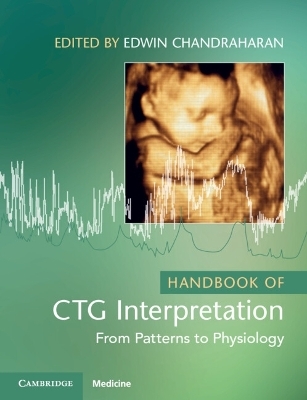
Handbook of CTG Interpretation
Cambridge University Press (Verlag)
978-1-009-32230-0 (ISBN)
- Noch nicht erschienen (ca. Februar 2026)
- Versandkostenfrei
- Auch auf Rechnung
- Artikel merken
Focusing on the principles of physiological interpretation of CTG, this new edition promotes an evidence-based approach to interpreting fetal heart rate changes. Traditional classification systems are arbitrary and associated with increased caesarean sections without improvements in perinatal outcomes. Guiding the reader in the use of novel tools to help eliminate avoidable, intrapartum-related fetal hypoxic-ischaemic brain injuries and their long term consequences such as cerebral palsy and learning difficulties, this book moves away from traditional, illogical classification systems. Topics such as non-hypoxic causes of fetal brain injury, types of intrapartum hypoxia, and medico-legal issues are clearly explained, and new chapters on human factors in CTG interpretation and the development of new technologies that can reduce human errors are included. Methods discussed comply with the International Expert Consensus Statement on Physiological Interpretation of CTG (October 2024), authored by over 50 CTG experts from over 20 countries.
Edwin Chandraharan is Director of the Global Academy of Medical Education & Training, London, UK. He has conducted more than 150 Physiological CTG Masterclasses in over 20 countries and pioneered physiological interpretation of CTG in 2006.
Introduction; Preface; 1. 'An eye opener': perils of CTG misinterpretation. Lessons from confidential enquiries and medico-legal cases; 2. Physiology of fetal heart rate control and types of intrapartum hypoxia; 3. Fetal oxygenation; 4. Understanding the CTG: technical aspects; 5. Applying fetal physiology to interpret CTG traces: predicting the NEXT change; 6. Avoiding errors: maternal heart rate; 7. Antenatal cardiotocography; 8. Intermittent (intelligent) auscultation in the low-risk setting; 9. Current scientific evidence on CTG; 10. Uterine Tachysystole and Hyperstimulation; 11. Intrapartum monitoring of a preterm fetus; 12 a. Role of chorioamnionitis and infection: understanding the pathophysiology; 12 b. Role of chorioamnionitis and infection: fetal heart rate changes in chorioamnionitis; 13. Meconium: why is it harmful?; 14. Intrapartum bleeding; 15. Labour with a uterine scar: the role of CTG; 16. Impact of maternal environment on fetal heart rate; 17. Use of CTG with induction and augmentation of labour; 18. Recognition of chronic hypoxia and the preterminal cardiotocograph; 19. Unusual fetal heart rate patterns: sinusoidal and saltatory patterns; 20. Intrauterine resuscitation; 21. Management of prolonged decelerations and bradycardia; 22. ST-Analyser (STAN): principles and physiology; 23. ST-Analyser: case examples and pitfalls; 24. Role of intrapartum 'computerised' CTG; 25. Peripheral tests of fetal wellbeing; 26. Fetal heart rate changes during operative vaginal births; 27. Non hypoxic causes of CTG changes; 28. Neonatal implications of intrapartum fetal hypoxia; 29. Role of the anaesthetist in the management of fetal compromise during labour; 30. Medico-legal issues with CTG; 31. Ensuring competency in intrapartum fetal monitoring: the role of BIMS; 32. Principles of Intrapartum Monitoring in Fetal Growth Restriction 33. CTG Changes in Maternal COVID-19 Infection; 34. Physiology-based CTG training: does it really matter?; 35. How to implement physiological CTG interpretation in daily clinical practice?; 36. Scientific Evidence for Physiological Interpretation of CTG; 37. An update on International Consensus Guidelines on CTG Interpretation; 38. The use of CTG in Twins and Breech Labour; 39. Addressing Human Factors contributing to CTG misinterpretation; 40. Risk Management and Root Cause Analysis after hypoxic-ischaemic brain injuries; 41. Intrapartum Fetal Heart Rate Monitoring: Quo Vadis?.
| Erscheint lt. Verlag | 28.2.2026 |
|---|---|
| Zusatzinfo | Worked examples or Exercises |
| Verlagsort | Cambridge |
| Sprache | englisch |
| Themenwelt | Medizin / Pharmazie ► Gesundheitsfachberufe ► Hebamme / Entbindungspfleger |
| Medizin / Pharmazie ► Medizinische Fachgebiete ► Gynäkologie / Geburtshilfe | |
| Technik ► Medizintechnik | |
| ISBN-10 | 1-009-32230-3 / 1009322303 |
| ISBN-13 | 978-1-009-32230-0 / 9781009322300 |
| Zustand | Neuware |
| Informationen gemäß Produktsicherheitsverordnung (GPSR) | |
| Haben Sie eine Frage zum Produkt? |
aus dem Bereich