


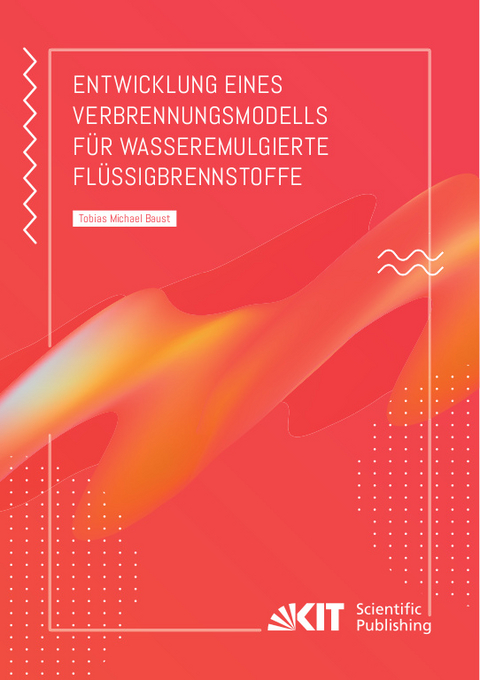
Entwicklung eines Verbrennungsmodells für wasseremulgierte Flüssigbrennstoffe
Seiten
2019
KIT Scientific Publishing (Verlag)
978-3-7315-0959-2 (ISBN)
KIT Scientific Publishing (Verlag)
978-3-7315-0959-2 (ISBN)
Verbrennung ist der weltweit wichtigste Prozess zur Umwandlung chemisch gebundener Energie in technisch nutzbare Wärme. Der Einsatz von Wasser hat dabei das Potenzial, Luftschadstoffe wie Stickoxide effizient zu reduzieren. Für die Entwicklung derartiger Verbrennungssysteme sind heute Simulationen wichtige Werkzeuge. In der vorliegenden Arbeit wird dazu der Einfluss von Wasser auf die Verbrennung flüssiger Brennstoffe (mit Emulsionsbezug) durch experimentelle und numerische Methoden modelliert. Combustion is the world's most important process for the conversion of chemically bound energy into technically usable heat. In this context, the application of water has the potential to efficiently reduce air pollutants such asnitrogen oxides. Simulations are an important tool for the development of such combustion systems. In the present work, the influence of water on the combustion of liquid fuels (emulsion related) is modelled by experimental and numerical methods.
Verbrennung ist der weltweit wichtigste Prozess zur Umwandlung chemisch gebundener Energie in technisch nutzbare Wärme. Der Einsatz von Wasser hat dabei das Potenzial, Luftschadstoffe wie Stickoxide effizient zu reduzieren. Für die Entwicklung derartiger Verbrennungssysteme sind heute Simulationen wichtige Werkzeuge. In der vorliegenden Arbeit wird dazu der Einfluss von Wasser auf die Verbrennung flüssiger Brennstoffe (mit Emulsionsbezug) durch experimentelle und numerische Methoden modelliert. Combustion is the world's most important process for the conversion of chemically bound energy into technically usable heat. In this context, the application of water has the potential to efficiently reduce air pollutants such asnitrogen oxides. Simulations are an important tool for the development of such combustion systems. In the present work, the influence of water on the combustion of liquid fuels (emulsion related) is modelled by experimental and numerical methods.
Verbrennung ist der weltweit wichtigste Prozess zur Umwandlung chemisch gebundener Energie in technisch nutzbare Wärme. Der Einsatz von Wasser hat dabei das Potenzial, Luftschadstoffe wie Stickoxide effizient zu reduzieren. Für die Entwicklung derartiger Verbrennungssysteme sind heute Simulationen wichtige Werkzeuge. In der vorliegenden Arbeit wird dazu der Einfluss von Wasser auf die Verbrennung flüssiger Brennstoffe (mit Emulsionsbezug) durch experimentelle und numerische Methoden modelliert. Combustion is the world's most important process for the conversion of chemically bound energy into technically usable heat. In this context, the application of water has the potential to efficiently reduce air pollutants such asnitrogen oxides. Simulations are an important tool for the development of such combustion systems. In the present work, the influence of water on the combustion of liquid fuels (emulsion related) is modelled by experimental and numerical methods.
| Erscheint lt. Verlag | 20.11.2019 |
|---|---|
| Zusatzinfo | graph. Darst. |
| Sprache | deutsch |
| Maße | 148 x 210 mm |
| Gewicht | 850 g |
| Themenwelt | Technik |
| Schlagworte | Combustion • Emulsion • Fuel Oil • Heizöl • Modellierung • Modelling • Verbrennung • Wasser • Water |
| ISBN-10 | 3-7315-0959-8 / 3731509598 |
| ISBN-13 | 978-3-7315-0959-2 / 9783731509592 |
| Zustand | Neuware |
| Informationen gemäß Produktsicherheitsverordnung (GPSR) | |
| Haben Sie eine Frage zum Produkt? |
Mehr entdecken
aus dem Bereich
aus dem Bereich
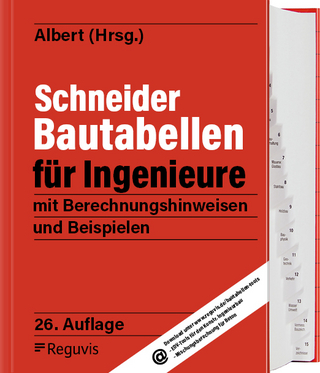
mit Berechnungshinweisen und Beispielen
Buch | Hardcover (2024)
Reguvis Fachmedien (Verlag)
CHF 78,40
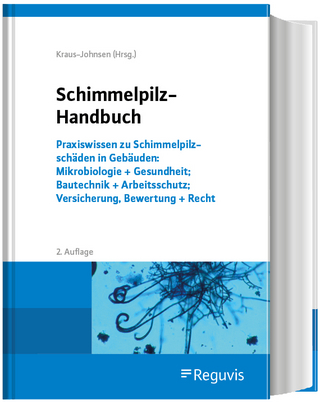
Praxiswissen zu Schimmelpilzschäden in Gebäuden: Mikrobiologie, …
Buch | Hardcover (2024)
Reguvis Fachmedien (Verlag)
CHF 138,60


