Sustainable Food Waste-to-Energy Systems (eBook)
292 Seiten
Elsevier Science (Verlag)
978-0-12-811158-1 (ISBN)
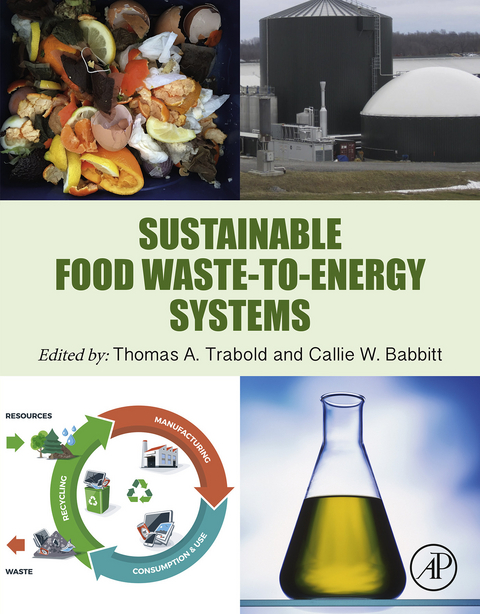
Sustainable Food Waste-to-Energy Systems assesses the utilization of food waste in sustainable energy conversion systems. It explores all sources of waste generated in the food supply chain (downstream from agriculture), with coverage of industrial, commercial, institutional and residential sources. It provides a detailed analysis of the conventional pathways for food waste disposal and utilization, including composting, incineration, landfilling and wastewater treatment. Next, users will find valuable sections on the chemical, biochemical and thermochemical waste-to-energy conversion processes applicable for food waste and an assessment of commercially available sustainable food waste-to-energy conversion technologies. Sustainability aspects, including consideration of environmental, economic and social impacts are also explored. The book concludes with an analysis of how deploying waste-to-energy systems is dependent on cross-cutting research methods, including geographical information systems and big data. It is a useful resource for professionals working in waste-to-energy technologies, as well as those in the food industry and food waste management sector planning and implementing these systems, but is also ideal for researchers, graduate students, energy policymakers and energy analysts interested in the most recent advances in the field. - Provides guidance on how specific food waste characteristics drive possible waste-to-energy conversion processes- Presents methodologies for selecting among different waste-to-energy options, based on waste volumes, distribution and properties, local energy demand (electrical/thermal/steam), opportunities for industrial symbiosis, regulations and incentives and social acceptance, etc. - Contains tools to assess potential environmental and economic performance of deployed systems- Links to publicly available resources on food waste data for energy conversion
| Erscheint lt. Verlag | 5.9.2018 |
|---|---|
| Sprache | englisch |
| Themenwelt | Technik ► Elektrotechnik / Energietechnik |
| ISBN-10 | 0-12-811158-5 / 0128111585 |
| ISBN-13 | 978-0-12-811158-1 / 9780128111581 |
| Informationen gemäß Produktsicherheitsverordnung (GPSR) | |
| Haben Sie eine Frage zum Produkt? |
 EPUB (Adobe DRM)
Kopierschutz: Adobe-DRM
Adobe-DRM ist ein Kopierschutz, der das eBook vor Mißbrauch schützen soll. Dabei wird das eBook bereits beim Download auf Ihre persönliche Adobe-ID autorisiert. Lesen können Sie das eBook dann nur auf den Geräten, welche ebenfalls auf Ihre Adobe-ID registriert sind.
Details zum Adobe-DRM
Dateiformat: EPUB (Electronic Publication)
EPUB ist ein offener Standard für eBooks und eignet sich besonders zur Darstellung von Belletristik und Sachbüchern. Der Fließtext wird dynamisch an die Display- und Schriftgröße angepasst. Auch für mobile Lesegeräte ist EPUB daher gut geeignet.
Systemvoraussetzungen:
PC/Mac: Mit einem PC oder Mac können Sie dieses eBook lesen. Sie benötigen eine
eReader: Dieses eBook kann mit (fast) allen eBook-Readern gelesen werden. Mit dem amazon-Kindle ist es aber nicht kompatibel.
Smartphone/Tablet: Egal ob Apple oder Android, dieses eBook können Sie lesen. Sie benötigen eine
Geräteliste und zusätzliche Hinweise
Buying eBooks from abroad
For tax law reasons we can sell eBooks just within Germany and Switzerland. Regrettably we cannot fulfill eBook-orders from other countries.
aus dem Bereich