Cybersecurity Lexicon (eBook)
XI, 200 Seiten
Apress (Verlag)
978-1-4842-2068-9 (ISBN)
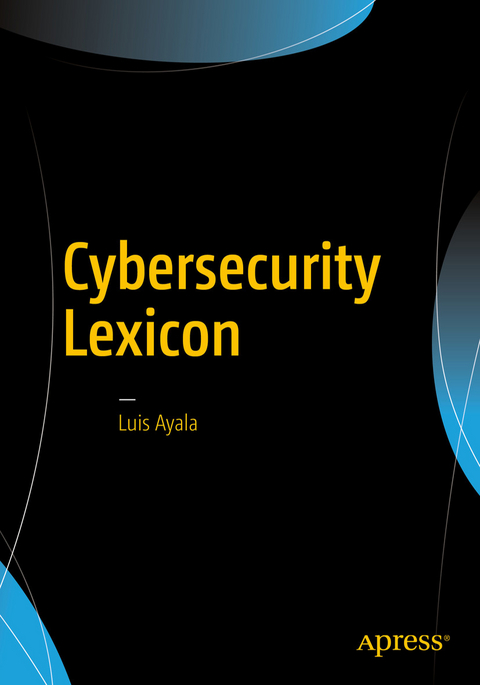
This book offers easy-to-understand definitions of cybersecurity technical terminology and hacker jargon related to automated control systems common to buildings, utilities, and industry, and explains the threats and vulnerabilities of critical infrastructure. Although written primarily for building designers and maintenance personnel, much of the terminology applies to cyber-physical attacks in general.
Buildings today are automated because the systems are complicated so we depend on the building controls system (BCS) to operate the equipment. We also depend on a computerized maintenance management system (CMMS) to keep a record of what was repaired and to schedule required maintenance. SCADA, BCS, and CMMS can all be hacked.
The Cybersecurity Lexicon puts cyber jargon related to building controls all in one place. The book is a handy desk reference for professionals interested in preventing cyber-physical attacks against their facilities in the real world.
Discussion of cybers-physical attacks on automated control systems is clouded by a lack of standard definitions and a general misunderstanding about how bad actors can actually employ cyber technology as a weapon in the real world. The book provides:
- Concepts related to cyber-physical attacks and building hacks are listed alphabetically with text easily searchable by key phrase.
- Definitions of technical terms related to equipment controls common to industry, utilities, and buildings-much of the terminology also applies to cybersecurity in general.
What you'll learn
- Readers will be able to quickly find cybersecurity-physical attack concepts and get a simple explanation of the meaning.
- Many of the most common types of cybersecurity-attacks are explained so readers can quickly assess the threat to their facilities in real time.
- The definition of as facilities, engineering, and cybersecurity acronyms.
Who This Book Is For
Architects, Engineers, Building Managers, Students, Researchers and Consultants interested in cybersecurity-attacks against facilities in the real world. Also for IT professionals getting involved in cybersecurity responsibilities.Luis Ayala worked over 25 years for the Department of Defense with the past 11 years at the Defense Intelligence Agency. Prior to his appointment as a Defense Intelligence Senior Leader in 2008, he held several leadership positions at the Branch and Division levels.
His tenure culminated with the position as Senior Technical Expert (facilities/construction). Mr. Ayala earned his Bachelor of Architecture degree from Pratt Institute and he received his Master of Science and Technology Intelligence from the National Intelligence University. NIU is the Intelligence Community's sole accredited, federal degree granting institution. His Master's thesis titled 'Cybersecure Facilities for the Intelligence Community' is classified. Mr. Ayala was awarded the DIA Civilian Expeditionary Medal and the Civilian Combat Support Medal.
Learn the threats and vulnerabilities of critical infrastructure to cybersecurity attack. Definitions are provided for cybersecurity technical terminology and hacker jargon related to automated control systems common to buildings, utilities, and industry.Buildings today are automated because the systems are complicated and so we depend on the building controls system (BCS) to operate the equipment. We also depend on a computerized maintenance management system (CMMS) to keep a record of what was repaired and to schedule required maintenance. SCADA, BCS, and CMMS all can be hacked. The Cybersecurity Lexicon puts cyber jargon related to building controls all in one place. The book is a handy desk reference for professionals interested in preventing cyber-physical attacks against their facilities in the real world. Discussion of attacks on automated control systems is clouded by a lack of standard definitions and a general misunderstanding abouthow bad actors can actually employ cyber technology as a weapon in the real world. This book covers:Concepts related to cyber-physical attacks and building hacks are listed alphabetically with text easily searchable by key phraseDefinitions are providesd for technical terms related to equipment controls common to industry, utilities, and buildings much of the terminology also applies to cybersecurity in generalWhat You ll learnGet a simple explanation of cybersecurity attack conceptsQuickly assess the threat of the most common types of cybersecurity attacks to your facilities in real timeFind the definition of facilities, engineering, and cybersecurity acronymsWho This Book Is ForArchitects, engineers, building managers, students, researchers, and consultants interested in cybersecurity attacks against facilities in the real world. Also for IT professionals getting involved in cybersecurity responsibilities.
Luis Ayala worked over 25 years for the Department of Defense with the past 11 years at the Defense Intelligence Agency. Prior to his appointment as a Defense Intelligence Senior Leader in 2008, he held several leadership positions at the Branch and Division levels. His tenure culminated with the position as Senior Technical Expert (facilities/construction). Mr. Ayala earned his Bachelor of Architecture degree from Pratt Institute and he received his Master of Science and Technology Intelligence from the National Intelligence University. NIU is the Intelligence Community’s sole accredited, federal degree granting institution. His Master’s thesis titled “Cybersecure Facilities for the Intelligence Community” is classified. Mr. Ayala was awarded the DIA Civilian Expeditionary Medal and the Civilian Combat Support Medal.
Chapter 1: #.- Chapter 2: A.- Chapter 3: B.- Chapter 4: C.- Chapter 5: D.- Chapter 6: E.- Chapter 7: F.- Chapter 8: G.- Chapter 9: H.- Chapter 10: I.- Chapter 11: J.- Chapter 12: K.- Chapter 13: L.- Chapter 14: M.- Chapter 15: N.- Chapter 16: O.- Chapter 17: P.- Chapter 18: Q.- Chapter 19: R.- Chapter 20: S.- Chapter 21: T.- Chapter 22: U.- Chapter 23: V.- Chapter 24: W.- Chapter 25: X.- Chapter 26: Y.- Chapter 27: Z.- Chapter 28: Facilities, Engineering, and Cyber Acronyms.- Chapter 29: Cyber Standards.
| Erscheint lt. Verlag | 23.7.2016 |
|---|---|
| Zusatzinfo | XI, 200 p. 1 illus. |
| Verlagsort | Berkeley |
| Sprache | englisch |
| Themenwelt | Schulbuch / Wörterbuch ► Lexikon / Chroniken |
| Informatik ► Netzwerke ► Sicherheit / Firewall | |
| Technik ► Bauwesen | |
| Schlagworte | Aurora Vulnerability • Bluesnarfing • Cinderella attack • Cyber Booby-Trap • Cybercasing • cybersecurity • Cybersecurity-Physical Attack • Dictionary attack • Fork Bomb attack • Hi-Link • Industrial Control Systems • Logic Bomb attack • SCADA systems • Smurf attack • Time Bomb attack • Vampire Tap • Water Holing |
| ISBN-10 | 1-4842-2068-4 / 1484220684 |
| ISBN-13 | 978-1-4842-2068-9 / 9781484220689 |
| Informationen gemäß Produktsicherheitsverordnung (GPSR) | |
| Haben Sie eine Frage zum Produkt? |
 PDF (Wasserzeichen)
DRM: Digitales Wasserzeichen
Dieses eBook enthält ein digitales Wasserzeichen und ist damit für Sie personalisiert. Bei einer missbräuchlichen Weitergabe des eBooks an Dritte ist eine Rückverfolgung an die Quelle möglich.
Dateiformat: PDF (Portable Document Format)
Mit einem festen Seitenlayout eignet sich die PDF besonders für Fachbücher mit Spalten, Tabellen und Abbildungen. Eine PDF kann auf fast allen Geräten angezeigt werden, ist aber für kleine Displays (Smartphone, eReader) nur eingeschränkt geeignet.
Systemvoraussetzungen:
PC/Mac: Mit einem PC oder Mac können Sie dieses eBook lesen. Sie benötigen dafür einen PDF-Viewer - z.B. den Adobe Reader oder Adobe Digital Editions.
eReader: Dieses eBook kann mit (fast) allen eBook-Readern gelesen werden. Mit dem amazon-Kindle ist es aber nicht kompatibel.
Smartphone/Tablet: Egal ob Apple oder Android, dieses eBook können Sie lesen. Sie benötigen dafür einen PDF-Viewer - z.B. die kostenlose Adobe Digital Editions-App.
Buying eBooks from abroad
For tax law reasons we can sell eBooks just within Germany and Switzerland. Regrettably we cannot fulfill eBook-orders from other countries.
aus dem Bereich