


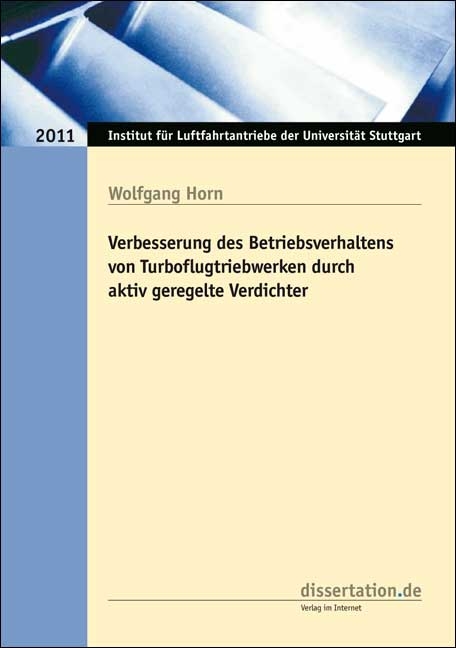
Verbesserung des Betriebsverhaltens von Turboflugtriebwerken durch aktiv geregelte Verdichter
Seiten
2011
Winter Industries (Verlag)
978-3-86624-524-2 (ISBN)
Winter Industries (Verlag)
978-3-86624-524-2 (ISBN)
- Titel ist leider vergriffen;
keine Neuauflage - Artikel merken
*Deutsch*
Flugtriebwerke unterliegen unterschiedlichen Leistungsanforderungen und veränderlichen Betriebsbedingungen. Dies führt in den meisten Betriebsfällen zu einem Effizienz- und Emissionsniveau außerhalb des Optimums. Darüber hinaus schränken die sicherheitsrelevanten Betriebsgrenzen den Betriebsbereich und den Gestaltungsspielraum ein. Technologien zur Modifikation des Triebwerksverhaltens konnten bisher nur in begrenztem Umfang eingesetzt werden. Die Entwicklung auf dem Gebiet der aktiv geregelten Komponenten ermöglicht die Anpassung der Triebwerkscharakteristik an den vorliegenden Betriebszustand. In dieser Arbeit wird das Potential einer aktiven Spaltregelung und einer aktiven Umblasung im Hochdruckverdichter zur Verbesserung des Betriebsverhaltens untersucht.
Die Studie wird exemplarisch an einem zivilen Luftstrahltriebwerk auf der Basis eines modularen Leistungssyntheseverfahrens durchgeführt. Zur Bewertung der aktiven Regelung werden Umblasung und Spaltregelung in das Synthesemodell integriert und das Betriebsverhalten simuliert.
Die aktive Spaltregelung wird in den hinteren Stufen des Hochdruckverdichters eingesetzt. Das erarbeitete Konzept sieht die Verwendung eines geschlossenen Regelkreises vor, in dem der aktuelle Spaltzustand gemessen und an einen Aktuator rückgeführt wird. Mechanische Verstellsysteme sind aufgrund ihrer hohen Reaktionsgeschwindigkeit in der Lage, den Schaufelspitzenspalt auf einem geringen Niveau zu halten. Auf diese Weise gleicht das System stationäre sowie instationäre Änderungen der Bauteildehnungen aus und kompensiert Alterungseffekte. Dadurch kann sowohl der Verdichterwirkungsgrad als auch der Pumpgrenzabstand im gesamten Lastbereich verbessert werden. Die Bewertung des thermischen Systems fällt dagegen aufgrund der geringen Temperaturdifferenzen und der Trägheit des Wärmeaustauschs negativ aus.
Zur aktiven Stabilisierung des Hochdruckverdichters wird Luft vor der Brennkammer aus der Hauptströmung entnommen und mit hoher Geschwindigkeit in den Spitzenbereich der vorderen Laufschaufeln eingeblasen. Vor allem im Teillastbereich existiert auf diese Weise Potential zur Erhöhung des Pumpgrenzabstands. Der rezirkulierende Massenstrom führt jedoch zu einer Verschlechterung des Leistungsverhaltens. Daher wurde ein Regelkonzept entworfen, das auf der Antizipation kritischer Betriebszustände basiert und als präventive Aktion das Umblaseventil öffnet. Die Regelung aktiviert die Umblasung nur temporär und schränkt deren Gebrauch auf den Teillastbereich ein. Auf diese Weise kann eine deutliche Stabilitätserhöhung ohne Leistungseinbußen erreicht werden.
Die Anwendung der aktiven Spaltregelung führt zu einer Reduzierung des Treibstoffverbrauchs, die anhand einer typischen Kurzstreckenmission bewertet wird. Die Einsparung wird allerdings zum Großteil durch das zusätzliche Gewicht des aktiven Systems kompensiert, so dass die Effizienz einer reinen Nachrüstlösung gering bleibt. Die Verdichterstabilität kann durch Umblasung und Spaltregelung in den kritischen Betriebsfällen erhöht werden. Die Spaltregelung kompensiert einen großen Anteil der stabilitätsmindernden Einflüsse, und die Umblasung stellt zusätzlichen Pumpgrenzabstand bereit. Unter Einsatz der aktiven Maßnahmen kann die in der Auslegung vorzuhaltende Stabilitätsreserve reduziert werden.
Eine Fallstudie untersucht die Ausnutzung des zusätzlichen Pumpgrenzabstands im Hochdruckverdichter. Zum einen kann die aktive Regelung zu einer wesentlichen Verbesserung des Ansprechverhaltens genutzt werden. Zum anderen kann der Kreisprozess unter Ausnutzung der Vorteile optimiert werden. Darüber hinaus eröffnet der neue Gestaltungsfreiraum Möglichkeiten zur Optimierung der Verdichterauslegung. Während die Steigerung des Druckverhältnisses, die Reduzierung der Stufenzahl oder der Ersatz der Verstellleitgitter kein Potential hinsichtlich des Treibstoffverbrauchs versprechen, führt die Reduktion der Schaufelzahl im Anwendungsbeispiel zu einer zusätzlichen Einsparung gegenüber einem konventionellen Triebwerk.
In der vorliegenden Arbeit wird ein deutliches Potential zur Betriebsbereichserweiterung und eine nicht unwesentliche Verbesserung im spezifischen Treibstoffverbrauch identifiziert. Aktiv geregelte Hochdruckverdichter bieten somit die Möglichkeit, das Betriebsverhalten eines Turboflugtriebwerks entscheidend zu verbessern.
*English*
Aircraft engines face a wide range of power requirements and changing operating conditions. In most cases this leads to an engine operation beyond the optimum for efficiency and emissions. Additionally, safety margins are limiting the operating range and the design space of the engine. Technologies for the modification of the engine behavior could only be applied to limited extent up to now. The advancements in the field of actively controlled components enable today the adaptation of the engine characteristic to the current condition. In this work the potential of active clearance control and active recirculation in the high pressure compressor to improve the operational behavior is being investigated.
The study is conducted on a commercial aero engine using a modular performance synthesis program. To assess the implications of active control, compressor recirculation and clearance control are integrated into the synthesis model and the operational behavior is simulated.
The active clearance control system is used at the rear stages of the high pressure compressor. The control concept is based on a closed-loop system, where the current clearance state is measured and fed back to a mechanical actuator, which is able to maintain tight tip clearances during all operating conditions. By these means, the system controls steady-state and transient variations in structural expansion and compensates for deterioration effects, thereby improving compressor efficiency as well as surge margin over the whole operating range. The assessment of the thermal clearance control system does not show a significant improvement potential since the temperature differences are low and the inertness of the heat transfer is relatively large.
To actively stabilize the high pressure compressor, air is bled off upstream of the combustion chamber and re-injected into the tip gap of the front rotating blades with high velocity. An improvement potential for surge margin enhancement exists most notably at part speed. However, the re-circulating mass flow leads to a deterioration in engine performance. Therefore, a control concept is designed based on the anticipation of critical operating conditions and the preventive opening of the recirculation valve before the stability limit is reached. The control system applies recirculation only temporarily and limits the use to the part speed range.
The application of compressor clearance control leads to a reduction of the fuel consumption, which is assessed for a typical short-range mission. As the fuel savings are counteracted to a large extent by the additional weight of the active system, a retrofit solution turns out to be inefficient. The active measures enhance compressor stability control in critical operating points. Compressor clearance control compensates a large part of the destabilizing effects and recirculation generates additional surge margin. By using active control, the stability margin required at the design stage can be reduced.
A case study investigates the exploitation of the additional surge margin in the high pressure compressor. One possibility is given by a considerable enhancement of the transient engine response. Another benefit consists in an optimization potential of the thermodynamic cycle. Furthermore, the gained design space offers opportunities for an improvement in compressor design. While the increase of the pressure ratio, the reduction of the number of stages or the replacement of the guide vane variability does not promise any benefit regarding fuel consumption, the reduction of the number of airfoils leads to additional savings compared to a conventional engine. The present work identifies a significant potential for an operating range enhancement and a clear improvement of the specific fuel consumption. On the basis of these results, actively controlled high pressure compressors offer the opportunity to improve the operational behavior of an aircraft engine considerably.
Flugtriebwerke unterliegen unterschiedlichen Leistungsanforderungen und veränderlichen Betriebsbedingungen. Dies führt in den meisten Betriebsfällen zu einem Effizienz- und Emissionsniveau außerhalb des Optimums. Darüber hinaus schränken die sicherheitsrelevanten Betriebsgrenzen den Betriebsbereich und den Gestaltungsspielraum ein. Technologien zur Modifikation des Triebwerksverhaltens konnten bisher nur in begrenztem Umfang eingesetzt werden. Die Entwicklung auf dem Gebiet der aktiv geregelten Komponenten ermöglicht die Anpassung der Triebwerkscharakteristik an den vorliegenden Betriebszustand. In dieser Arbeit wird das Potential einer aktiven Spaltregelung und einer aktiven Umblasung im Hochdruckverdichter zur Verbesserung des Betriebsverhaltens untersucht.
Die Studie wird exemplarisch an einem zivilen Luftstrahltriebwerk auf der Basis eines modularen Leistungssyntheseverfahrens durchgeführt. Zur Bewertung der aktiven Regelung werden Umblasung und Spaltregelung in das Synthesemodell integriert und das Betriebsverhalten simuliert.
Die aktive Spaltregelung wird in den hinteren Stufen des Hochdruckverdichters eingesetzt. Das erarbeitete Konzept sieht die Verwendung eines geschlossenen Regelkreises vor, in dem der aktuelle Spaltzustand gemessen und an einen Aktuator rückgeführt wird. Mechanische Verstellsysteme sind aufgrund ihrer hohen Reaktionsgeschwindigkeit in der Lage, den Schaufelspitzenspalt auf einem geringen Niveau zu halten. Auf diese Weise gleicht das System stationäre sowie instationäre Änderungen der Bauteildehnungen aus und kompensiert Alterungseffekte. Dadurch kann sowohl der Verdichterwirkungsgrad als auch der Pumpgrenzabstand im gesamten Lastbereich verbessert werden. Die Bewertung des thermischen Systems fällt dagegen aufgrund der geringen Temperaturdifferenzen und der Trägheit des Wärmeaustauschs negativ aus.
Zur aktiven Stabilisierung des Hochdruckverdichters wird Luft vor der Brennkammer aus der Hauptströmung entnommen und mit hoher Geschwindigkeit in den Spitzenbereich der vorderen Laufschaufeln eingeblasen. Vor allem im Teillastbereich existiert auf diese Weise Potential zur Erhöhung des Pumpgrenzabstands. Der rezirkulierende Massenstrom führt jedoch zu einer Verschlechterung des Leistungsverhaltens. Daher wurde ein Regelkonzept entworfen, das auf der Antizipation kritischer Betriebszustände basiert und als präventive Aktion das Umblaseventil öffnet. Die Regelung aktiviert die Umblasung nur temporär und schränkt deren Gebrauch auf den Teillastbereich ein. Auf diese Weise kann eine deutliche Stabilitätserhöhung ohne Leistungseinbußen erreicht werden.
Die Anwendung der aktiven Spaltregelung führt zu einer Reduzierung des Treibstoffverbrauchs, die anhand einer typischen Kurzstreckenmission bewertet wird. Die Einsparung wird allerdings zum Großteil durch das zusätzliche Gewicht des aktiven Systems kompensiert, so dass die Effizienz einer reinen Nachrüstlösung gering bleibt. Die Verdichterstabilität kann durch Umblasung und Spaltregelung in den kritischen Betriebsfällen erhöht werden. Die Spaltregelung kompensiert einen großen Anteil der stabilitätsmindernden Einflüsse, und die Umblasung stellt zusätzlichen Pumpgrenzabstand bereit. Unter Einsatz der aktiven Maßnahmen kann die in der Auslegung vorzuhaltende Stabilitätsreserve reduziert werden.
Eine Fallstudie untersucht die Ausnutzung des zusätzlichen Pumpgrenzabstands im Hochdruckverdichter. Zum einen kann die aktive Regelung zu einer wesentlichen Verbesserung des Ansprechverhaltens genutzt werden. Zum anderen kann der Kreisprozess unter Ausnutzung der Vorteile optimiert werden. Darüber hinaus eröffnet der neue Gestaltungsfreiraum Möglichkeiten zur Optimierung der Verdichterauslegung. Während die Steigerung des Druckverhältnisses, die Reduzierung der Stufenzahl oder der Ersatz der Verstellleitgitter kein Potential hinsichtlich des Treibstoffverbrauchs versprechen, führt die Reduktion der Schaufelzahl im Anwendungsbeispiel zu einer zusätzlichen Einsparung gegenüber einem konventionellen Triebwerk.
In der vorliegenden Arbeit wird ein deutliches Potential zur Betriebsbereichserweiterung und eine nicht unwesentliche Verbesserung im spezifischen Treibstoffverbrauch identifiziert. Aktiv geregelte Hochdruckverdichter bieten somit die Möglichkeit, das Betriebsverhalten eines Turboflugtriebwerks entscheidend zu verbessern.
*English*
Aircraft engines face a wide range of power requirements and changing operating conditions. In most cases this leads to an engine operation beyond the optimum for efficiency and emissions. Additionally, safety margins are limiting the operating range and the design space of the engine. Technologies for the modification of the engine behavior could only be applied to limited extent up to now. The advancements in the field of actively controlled components enable today the adaptation of the engine characteristic to the current condition. In this work the potential of active clearance control and active recirculation in the high pressure compressor to improve the operational behavior is being investigated.
The study is conducted on a commercial aero engine using a modular performance synthesis program. To assess the implications of active control, compressor recirculation and clearance control are integrated into the synthesis model and the operational behavior is simulated.
The active clearance control system is used at the rear stages of the high pressure compressor. The control concept is based on a closed-loop system, where the current clearance state is measured and fed back to a mechanical actuator, which is able to maintain tight tip clearances during all operating conditions. By these means, the system controls steady-state and transient variations in structural expansion and compensates for deterioration effects, thereby improving compressor efficiency as well as surge margin over the whole operating range. The assessment of the thermal clearance control system does not show a significant improvement potential since the temperature differences are low and the inertness of the heat transfer is relatively large.
To actively stabilize the high pressure compressor, air is bled off upstream of the combustion chamber and re-injected into the tip gap of the front rotating blades with high velocity. An improvement potential for surge margin enhancement exists most notably at part speed. However, the re-circulating mass flow leads to a deterioration in engine performance. Therefore, a control concept is designed based on the anticipation of critical operating conditions and the preventive opening of the recirculation valve before the stability limit is reached. The control system applies recirculation only temporarily and limits the use to the part speed range.
The application of compressor clearance control leads to a reduction of the fuel consumption, which is assessed for a typical short-range mission. As the fuel savings are counteracted to a large extent by the additional weight of the active system, a retrofit solution turns out to be inefficient. The active measures enhance compressor stability control in critical operating points. Compressor clearance control compensates a large part of the destabilizing effects and recirculation generates additional surge margin. By using active control, the stability margin required at the design stage can be reduced.
A case study investigates the exploitation of the additional surge margin in the high pressure compressor. One possibility is given by a considerable enhancement of the transient engine response. Another benefit consists in an optimization potential of the thermodynamic cycle. Furthermore, the gained design space offers opportunities for an improvement in compressor design. While the increase of the pressure ratio, the reduction of the number of stages or the replacement of the guide vane variability does not promise any benefit regarding fuel consumption, the reduction of the number of airfoils leads to additional savings compared to a conventional engine. The present work identifies a significant potential for an operating range enhancement and a clear improvement of the specific fuel consumption. On the basis of these results, actively controlled high pressure compressors offer the opportunity to improve the operational behavior of an aircraft engine considerably.
| Reihe/Serie | Dissertation Premium ; 1624 |
|---|---|
| Sprache | deutsch |
| Maße | 150 x 210 mm |
| Einbandart | Paperback |
| Themenwelt | Technik ► Luft- / Raumfahrttechnik |
| Schlagworte | Flugtriebwerk • Leistungsverhalten • Performance • Pumpgrenz • Stabilität • Treibstoffverbrauch • Wirkungsgrad |
| ISBN-10 | 3-86624-524-6 / 3866245246 |
| ISBN-13 | 978-3-86624-524-2 / 9783866245242 |
| Zustand | Neuware |
| Informationen gemäß Produktsicherheitsverordnung (GPSR) | |
| Haben Sie eine Frage zum Produkt? |
Mehr entdecken
aus dem Bereich


aus dem Bereich
Prozessautomatisierung, Bioverfahrenstechnik, Advanced Process …
Buch | Softcover (2025)
De Gruyter Oldenbourg (Verlag)
CHF 76,90
Grundlagen, Mathematik, Kartenkunde, leistungsbasierte Navigation
Buch | Softcover (2022)
De Gruyter Oldenbourg (Verlag)
CHF 102,10
Learning-Based BI-Level Models and Algorithms
Buch | Softcover (2025)
De Gruyter (Verlag)
CHF 125,90


