


Metallische Bipolarplatten für Direkt-Methanol-Brennstoffzellen
Seiten
2010
|
1., Aufl.
Cuvillier, E (Verlag)
9783869555478 (ISBN)
Cuvillier, E (Verlag)
9783869555478 (ISBN)
- Titel ist leider vergriffen;
keine Neuauflage - Artikel merken
Kurzbeschreibung
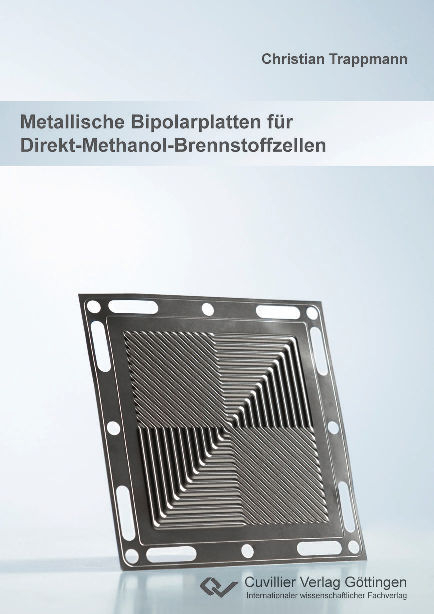
Die Direkt-Methanol-Brennstoffzelle (DMFC) wandelt die chemische Energie des flüssigen Energieträgers Methanol effizient in elektrische Energie um. Eine Schlüsselkomponente der DMFC ist die Bipolarplatte, die die Prozessmedien der elektrochemisch aktiven Fläche der Brennstoffzelle zu- und abführt, den Anoden- vom Kathodenraum trennt und den in der Zelle erzeugten elektrischen Strom ableitet. Traditionell werden Bipolarplatten aus grafitischen Materialien gefertigt, da Grafit elektrisch leitend und stabil unter den chemischen Bedingungen der DMFC ist. Aufgrund der hohen Sprödigkeit des Grafits haben die Konstruktionen vergleichsweise große Wandstärken, woraus eine geringe Bauraumausnutzung und ein hohes Gewicht resultiert. Metallische Werkstoffe erlauben dagegen durch ihre mechanischen Eigenschaften deutlich kompaktere Bipolarplatten. Problematisch ist jedoch die begrenzte Korrosionsbeständigkeit der meisten metallischen Werkstoffe. Die wenigen korrosionsbeständigen metallischen Werkstoffe sind entweder zu teuer oder bilden eine Passivierungsschicht aus, welche den Kontaktwiderstand und damit die elektrischen Verluste erhöht.
Das Ziel der vorliegenden Arbeit war die Entwicklung einer volumen- und gewichtsreduzierten Bipolarplatte aus korrosionsbeständigem Blechmaterial und einer preisgünstigen Beschichtung die den Kontaktwiderstand reduziert.
Zunächst wurde in Grundlagenuntersuchungen der Einfluss von Metall-Ionen aus nicht inerten Werkstoffen auf die DMFC bewertet. Dabei konnte zum einen gezeigt werden, dass metallische Kontaminationen der Anodenflüssigkeit im ppb-Bereich die DMFC signifikant schädigen und zum anderen, dass Eisen- und Nickel-Ionen stärker schädigen als Chrom-Ionen.
Folgend wurde eine Nickelbasislegierung als korrosionsstabiler Werkstoff für die
DMFC-Bipolarplatte identifiziert und damit eine metallische Bipolarplatte für DMFCs entwickelt. Diese per Hydroumformung hergestellte Bipolarplatte spart gegenüber grafitischen Bipolarplatten 30 % Bauraum und 50 % Gewicht ein. Durch die Entwicklung einer einzigartigen partiellen Beschichtung mit laserauftragsgeschweißten Goldpunkten konnte der Kontaktwiderstand der entwickelten metallischen Bipolarplatte um den Faktor fünf reduziert und die maximale elektrische Leistung um 30 % gesteigert werden. Da der Goldeinsatz dabei lediglich 1 % einer vollflächigen Beschichtung beträgt, ist diese partielle Beschichtung besonders materialsparend.
Abschließend wurde die Funktionalität dieser neuartigen metallischen Bipolarplatte in Langzeittests nachgewiesen. So erfüllt die im Rahmen dieser Arbeit entwickelte metallische Bipolarplatte alle Voraussetzungen für den Einsatz in portablen Anwendungen der DMFC, womit schließlich ein entscheidender Schritt zur Erlangung der Marktreife der DMFC vollzogen werden konnte.
Description
Direct methanol fuel cells (DMFCs) efficiently convert the chemical energy of the liquid energy carrier, methanol, into electric power. A key component of DMFCs is the bipolar plate, which supplies and removes the reaction media to and from the electrochemically active surface of the fuel cell, separates the anode compartment from the cathode compartment and conducts the electric power generated in the cell. Traditionally, bipolar plates are fabricated from graphitic materials, because graphite is electrically conductive and stable under the chemical conditions of DMFCs. Since graphite is brittle, the structures have a comparatively large wall thickness, resulting in less efficient utilization of installation space and a higher weight. As a result of their mechanical properties, metallic materials allow more compact bipolar plates. The problem, however, is the limited corrosion resistance of most metallic materials. The few corrosion-resisant metallic materials are either too expensive or form a passivation layer, which increases contact resistance and thereby electric losses.
The goal of the present work was the development of a volume and weight reduced bipolar plate made out of corrosion resistant sheet metal and an inexpensive coating to reduce contact resistance.
At first the influence of metal ions from the non-inert materials on the DMFC was evaluated in first principles investigations. These investigations showed, on the one hand, that metallic contaminations of the anode fluid in the ppb range significantly damage the DMFC and, on the other hand, that iron and nickel ions do more damage than chromium ions.
Subsequently, a nickel-base alloy was identified as a corrosion-resistant material for the DMFC bipolar plate and so a metallic bipolar plate for DMFCs was developed. This bipolar plate, fabricated by hydroforming, saves 30 % installation space and 50 % weight compared to graphitic bipolar plates. By a developed unique partial coating with laser build-up welded gold dots, the contact resistance of the nickel-base alloy was reduced by a factor of 5 and the maximum electric power rose by 30 %. Since gold only amounts to 1 % of the all-over coating, the partial coating is very economical.
Finally, the functionality of the novel metallic bipolar plates was verified in long-term tests. The new metallic bipolar plate fulfils the qualifications for the operation in portable DMFC applications, and is a critical step forward towards the attainment of market readiness.
Die Direkt-Methanol-Brennstoffzelle (DMFC) wandelt die chemische Energie des flüssigen Energieträgers Methanol effizient in elektrische Energie um. Eine Schlüsselkomponente der DMFC ist die Bipolarplatte, die die Prozessmedien der elektrochemisch aktiven Fläche der Brennstoffzelle zu- und abführt, den Anoden- vom Kathodenraum trennt und den in der Zelle erzeugten elektrischen Strom ableitet. Traditionell werden Bipolarplatten aus grafitischen Materialien gefertigt, da Grafit elektrisch leitend und stabil unter den chemischen Bedingungen der DMFC ist. Aufgrund der hohen Sprödigkeit des Grafits haben die Konstruktionen vergleichsweise große Wandstärken, woraus eine geringe Bauraumausnutzung und ein hohes Gewicht resultiert. Metallische Werkstoffe erlauben dagegen durch ihre mechanischen Eigenschaften deutlich kompaktere Bipolarplatten. Problematisch ist jedoch die begrenzte Korrosionsbeständigkeit der meisten metallischen Werkstoffe. Die wenigen korrosionsbeständigen metallischen Werkstoffe sind entweder zu teuer oder bilden eine Passivierungsschicht aus, welche den Kontaktwiderstand und damit die elektrischen Verluste erhöht.
Das Ziel der vorliegenden Arbeit war die Entwicklung einer volumen- und gewichtsreduzierten Bipolarplatte aus korrosionsbeständigem Blechmaterial und einer preisgünstigen Beschichtung die den Kontaktwiderstand reduziert.
Zunächst wurde in Grundlagenuntersuchungen der Einfluss von Metall-Ionen aus nicht inerten Werkstoffen auf die DMFC bewertet. Dabei konnte zum einen gezeigt werden, dass metallische Kontaminationen der Anodenflüssigkeit im ppb-Bereich die DMFC signifikant schädigen und zum anderen, dass Eisen- und Nickel-Ionen stärker schädigen als Chrom-Ionen.
Folgend wurde eine Nickelbasislegierung als korrosionsstabiler Werkstoff für die
DMFC-Bipolarplatte identifiziert und damit eine metallische Bipolarplatte für DMFCs entwickelt. Diese per Hydroumformung hergestellte Bipolarplatte spart gegenüber grafitischen Bipolarplatten 30 % Bauraum und 50 % Gewicht ein. Durch die Entwicklung einer einzigartigen partiellen Beschichtung mit laserauftragsgeschweißten Goldpunkten konnte der Kontaktwiderstand der entwickelten metallischen Bipolarplatte um den Faktor fünf reduziert und die maximale elektrische Leistung um 30 % gesteigert werden. Da der Goldeinsatz dabei lediglich 1 % einer vollflächigen Beschichtung beträgt, ist diese partielle Beschichtung besonders materialsparend.
Abschließend wurde die Funktionalität dieser neuartigen metallischen Bipolarplatte in Langzeittests nachgewiesen. So erfüllt die im Rahmen dieser Arbeit entwickelte metallische Bipolarplatte alle Voraussetzungen für den Einsatz in portablen Anwendungen der DMFC, womit schließlich ein entscheidender Schritt zur Erlangung der Marktreife der DMFC vollzogen werden konnte.
Description
Direct methanol fuel cells (DMFCs) efficiently convert the chemical energy of the liquid energy carrier, methanol, into electric power. A key component of DMFCs is the bipolar plate, which supplies and removes the reaction media to and from the electrochemically active surface of the fuel cell, separates the anode compartment from the cathode compartment and conducts the electric power generated in the cell. Traditionally, bipolar plates are fabricated from graphitic materials, because graphite is electrically conductive and stable under the chemical conditions of DMFCs. Since graphite is brittle, the structures have a comparatively large wall thickness, resulting in less efficient utilization of installation space and a higher weight. As a result of their mechanical properties, metallic materials allow more compact bipolar plates. The problem, however, is the limited corrosion resistance of most metallic materials. The few corrosion-resisant metallic materials are either too expensive or form a passivation layer, which increases contact resistance and thereby electric losses.
The goal of the present work was the development of a volume and weight reduced bipolar plate made out of corrosion resistant sheet metal and an inexpensive coating to reduce contact resistance.
At first the influence of metal ions from the non-inert materials on the DMFC was evaluated in first principles investigations. These investigations showed, on the one hand, that metallic contaminations of the anode fluid in the ppb range significantly damage the DMFC and, on the other hand, that iron and nickel ions do more damage than chromium ions.
Subsequently, a nickel-base alloy was identified as a corrosion-resistant material for the DMFC bipolar plate and so a metallic bipolar plate for DMFCs was developed. This bipolar plate, fabricated by hydroforming, saves 30 % installation space and 50 % weight compared to graphitic bipolar plates. By a developed unique partial coating with laser build-up welded gold dots, the contact resistance of the nickel-base alloy was reduced by a factor of 5 and the maximum electric power rose by 30 %. Since gold only amounts to 1 % of the all-over coating, the partial coating is very economical.
Finally, the functionality of the novel metallic bipolar plates was verified in long-term tests. The new metallic bipolar plate fulfils the qualifications for the operation in portable DMFC applications, and is a critical step forward towards the attainment of market readiness.
| Sprache | deutsch |
|---|---|
| Einbandart | kartoniert |
| Themenwelt | Technik ► Maschinenbau |
| Schlagworte | Bipolarplatte • Direkt-Methanol-Brennstoffzelle • DMFC • Hydroumformung • PEM • Separatorplatte |
| ISBN-13 | 9783869555478 / 9783869555478 |
| Zustand | Neuware |
| Informationen gemäß Produktsicherheitsverordnung (GPSR) | |
| Haben Sie eine Frage zum Produkt? |
Mehr entdecken
aus dem Bereich


aus dem Bereich
Buch | Softcover (2024)
Springer Vieweg (Verlag)
CHF 46,15
Buch | Softcover (2025)
Springer Vieweg (Verlag)
CHF 39,15
Lösungshinweise, Ergebnisse und ausführliche Lösungen
Buch | Softcover (2025)
Springer Fachmedien Wiesbaden GmbH (Verlag)
CHF 41,95


