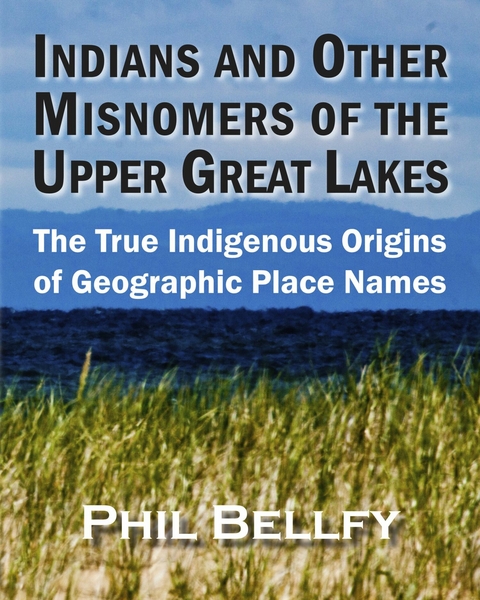
Indians and Other Misnomers of the Upper Great Lakes (eBook)
164 Seiten
Modern History Press (Verlag)
978-1-61599-744-2 (ISBN)
No less than 27 out of the 50 states' names in the USA are based in American Indian languages. Additionally, six out of 13 of Canada's provinces and territories have names with indigenous origins, and, of course, Canada itself is derived from an indigenous source. Shakespeare quipped, 'What's in a name?' A lot, it turns out, because states like California and Florida reflect their Spanish history; here, in the Great Lakes, that history is indigenous. If you have an understanding of the name of a place, its history may reveal itself. And that history will, most likely, enrich your own life and your place in it.
Join us on this journey through Michigan, Pennsylvania, Ontario, Ohio, Indiana, Illinois, Wisconsin, and Minnesota as we alphabetically traverse indigenous place names in each locale. Alternately, you can peruse an alphabetical concordance of every place name. In the appendices, you'll discover details of US and Canadian treaties with indigenous people, and many that are still under dispute today--including the Anishinaabek, Ottawa, Chippewa, Potawatomi, Miami, Kickapoo, Sauk, Sioux, Ojibway, Mississauga, Mohawk, Algonquin, Iroquois, Huron, and related First Nations bands in Ontario.
'Emeritus Professor Phil Bellfy has used his life-long Indigenous knowledge to produce this imaginative, original work that will be indispensable to any researcher working on Indigenous studies in the Great Lakes watershed. Indians and Other Misnomers of the Upper Great Lakest will be in the forefront of changing the way in which Indigenous knowledge shapes the hitherto colonial narrative of the Great Lakes.' David T. McNab, professor emeritus, York University, Toronto, Ontario.
'Indians and Other Misnomers of the Upper Great Lakest is a fascinating exploration of the Indigenous origins of many place names bordering the Great Lakes. This book offers readers the opportunity to contemplate their place within the landscape of the Indigenous homelands now claimed by the Canadian and American settler states. It is a must-own companion book for researchers, residents and anyone interested in the places, history and linguistic heritages of the Great Lakes.' --Karl Hele, Anishinaabeg and the Davidson Chair in Canadian Studies, Mount Allison University
'Words carry meaning and history. In Indians and Other Misnomers of the Upper Great Lakest, Dr. Phil Bellfy takes us on an etymological journey around the Great Lakes region as he explains the possible origins and meanings of Native American place names. This book helps paint a relational picture of the cultural world of the Anishinaabe Three Fires Confederacy of Ojibway, Odawa, and Potawatomi and how that view has been impacted by settler colonialism.' -- Dr. Martin Reinhardt, Anishinaabe Ojibway citizen of the Sault Ste. Marie Tribe of Chippewa Indians; professor of Native American Studies, Northern Michigan University, president of the Michigan Indian Education Council.
No less than 27 out of the 50 states' names in the USA are based in American Indian languages. Additionally, six out of 13 of Canada's provinces and territories have names with indigenous origins, and, of course, Canada itself is derived from an indigenous source. Shakespeare quipped, "e;What's in a name?"e; A lot, it turns out, because states like California and Florida reflect their Spanish history; here, in the Great Lakes, that history is indigenous. If you have an understanding of the name of a place, its history may reveal itself. And that history will, most likely, enrich your own life and your place in it. Join us on this journey through Michigan, Pennsylvania, Ontario, Ohio, Indiana, Illinois, Wisconsin, and Minnesota as we alphabetically traverse indigenous place names in each locale. Alternately, you can peruse an alphabetical concordance of every place name. In the appendices, you'll discover details of US and Canadian treaties with indigenous people, and many that are still under dispute today--including the Anishinaabek, Ottawa, Chippewa, Potawatomi, Miami, Kickapoo, Sauk, Sioux, Ojibway, Mississauga, Mohawk, Algonquin, Iroquois, Huron, and related First Nations bands in Ontario. "e;Emeritus Professor Phil Bellfy has used his life-long Indigenous knowledge to produce this imaginative, original work that will be indispensable to any researcher working on Indigenous studies in the Great Lakes watershed. Indians and Other Misnomers of the Upper Great Lakest will be in the forefront of changing the way in which Indigenous knowledge shapes the hitherto colonial narrative of the Great Lakes."e; David T. McNab, professor emeritus, York University, Toronto, Ontario. "e;Indians and Other Misnomers of the Upper Great Lakest is a fascinating exploration of the Indigenous origins of many place names bordering the Great Lakes. This book offers readers the opportunity to contemplate their place within the landscape of the Indigenous homelands now claimed by the Canadian and American settler states. It is a must-own companion book for researchers, residents and anyone interested in the places, history and linguistic heritages of the Great Lakes."e; --Karl Hele, Anishinaabeg and the Davidson Chair in Canadian Studies, Mount Allison University "e;Words carry meaning and history. In Indians and Other Misnomers of the Upper Great Lakest, Dr. Phil Bellfy takes us on an etymological journey around the Great Lakes region as he explains the possible origins and meanings of Native American place names. This book helps paint a relational picture of the cultural world of the Anishinaabe Three Fires Confederacy of Ojibway, Odawa, and Potawatomi and how that view has been impacted by settler colonialism."e; -- Dr. Martin Reinhardt, Anishinaabe Ojibway citizen of the Sault Ste. Marie Tribe of Chippewa Indians; professor of Native American Studies, Northern Michigan University, president of the Michigan Indian Education Council.
Ontario Place Names
ONTARIO; or from Kanadario: Sparkling Water; or from Onitariio: Beautiful Lake; or from Ontarack: Rocks Standing High in the Water; other possible meanings: Handsome Lake, or Large Lake; NY, OR, WI p.n. It should be noted that many Ontario First Nations have renamed their Reserves in their language, and the “translation” is not always given as an assertion of their original jurisdiction.
Aamjiwnaang: Meeting Place By the Rapid Water, or At the Spawning Stream; First Nation
Abitibi: Half-way Water (in reference to trading posts in either direction)
Agawa Canyon: Bending Shore
Alderville: First Nation
Algonquin: Spearing Fish from the End of a Canoe, or Spearing Fish Place
Algonquins of Pikwàkanagàn: A Hilly Place; First Nation
Animbiigoo Zaagi'igan Anishinaabek (ntg);): First Nation
Anishinaabeg of Naongashiing: Big Island: First Nation
Aroland: First Nation
Atikameksheng Anishnawbek: (ntg) formerly known as the Whitefish Lake First Nation
Atikokan: Caribou Bones
Attawapiskat: Rock Bottom; People of the Parting of the Rocks; First Nation
Baagwaashiing: Where the Water is Shallow; aka Pays Plat (French: Flat Land); First Nation
Batchewana: First Nation
Batchewana Bay: Welling Waters Place
Batchewana; First Nation
Bearfoot Onondaga: First Nation
Beausoleil: First Nation
Beaverhouse (non-Status);): First Nation
Big Grassy: First Nation
Biinjitiwaabik Zaaging Anishinaabek (ntg);): First Nation
Bkejwanong: Where the Waters Divide (Walpole Island); First Nation
Brantford: named after the prominent Mohawk chief, Joseph Brant
Brunswick House: First Nation
Caldwell: First Nation
Cat Lake: First Nation
Cataraqui: Where River and Lake Meet
Cayuga: Here They Take the Boats Out
Chapleau Cree: First Nation
Chippawa: People Without Moccasins
Chippewa of the Thames: First Nation
Chippewas of Georgina Island: First Nation
Chippewas of Kettle & Stony Point: First Nation
Chippewas of Mnjikaning: The Fish Fence at the Narrows; (aka Rama); First Nation
Chippewas of Nawash (formerly known as Cape Croker);): First Nation
Chippewas of Saugeen: First Nation
Coaticook: River of Pines
Constance Lake; First Nation
Couchiching: Edge of a Whirlpool; or from Gojijing: Inlet; First Nation
Curve Lake; First Nation
Deer Lake: First Nation
Delaware: First Nation
Dokis: First Nation
Eabametoong First Nation: At the Reversing of the Waterplace
Eagle Lake: First Nation
Erie: Long-tailed, or Panther
Etobicoke: from Wahdobekaung; Forest of Alders, or Place Where Alders Grow
Flying Post: First Nation
Fort Albany: First Nation
Fort Severn: First Nation
Fort William: First Nation
Gananoque: Rocks in Deep Water, or Rocks Rising Out of River
Ginoogaming (formerly known as Long Lake 77);): First Nation
Gogama: Fish Leap Over the Water
Grassy Narrows: aka Asubpeeschoseewagong (ntg); aka Iskapiciwan: Dried-up Stream; First Nation
Gull Bay: First Nation
Hiawatha: First Nation
Hornepayne: First Nation
Iroquois: Real Adders
Iskutewizaagegan: (ntg) (formerly known as Shoal Lake 39 First Nation)
Kakabeka Falls: River of Short Bends and Many Islands, or Always Plenty of Game
Kaministiquia: (River) With Islands
Kapuskasing: from Paskeshegay; Rushing Water, Shooting Water, or Bend in River
Kasabonika Lake: (ntg); First Nation
Kashechewan First Nation: Where the Water Flows Fast
Keewatin: North Wind Place
Keewaywin: Going Home, or Going Back; First Nation
Kenogami: Long Water
Kenora: a municipal name coined from KEewatin (see above), NOrman, and RAt Portage
Ketegaunseebee: Garden River First Nation
Kingfisher: First Nation
Komoka: Place Where the Dead Lie
Koocheching: (ntg); First Nation
Lac des Mille Lacs: First Nation
Lac La Croix: First Nation
Lac Seul: First Nation
Little Current: aka Waibejewung: Place Where the Waters Flow Back and Forth
Long Lake: First Nation
Madawaska: Grassy River Mouth; or People of the Shadows
Maganetewan: Long, Open Channel, or Swiftly Flowing River
Magnetawan: Swiftly Flowing Waters; First Nation
Manitoulin: Island of the Spirit; or a corruption of Manitowaning: At the Spirit's Cave (the root, Manitou, means Spirit)
Manitowaning: Great Spirit Cave
Marten Falls: First Nation
Matachewan: Meeting of the Currents; First Nation
Mattagami: Meeting of the Currents; First Nation
Mattawa: Where the Current Begins, River Flowing Into the Lake, or River Flowing Into Another Body of Water
McDowell Lake: First Nation
M'Chigeeng: Village Enclosed by Stepped Cliffs; First Nation
Michipicoten: Big Blufs, Bold Promontories Place, or Broken, Craggy Highlands Place; First Nation
Mimico: Wild Pigeon Place
Mindemoya, Lake: Old Woman Lake
Mishkeegogamang: (formerly known as Osnaburgh); First Nation
Missanabie Cree: Pictured Water: First Nation
Missinaibi: Pictures on the Water (reference to pictographs along banks)
Mississauga: River Having Many Outlets; First Nation
Mississaugas of Scugog Island: Swampy or Marshy Land; First Nation
Mississaugas of the Credit: First Nation
Mnjikaning First Nation: Near the Fishing Weirs
Mocreebec Indian Government: First Nation
Mohawks of Akwesasne: Land Where the Partridge Drums; First Nation
Mohawks of the Bay of Quinte: First Nation
Moose Cree: First Nation
Moose Deer Point: First Nation
Moosonee: At the Moose (River)
Munsee-Delaware Nation: First Nation
Muskoka: Red Earth; or from Mesqua Ukie: (Chief) Yellowhead
Muskrat Dam Lake: First Nation
Naicatchewenin: At the Place Where the Current is Obstructed; First Nation
Nakina: Land Covered with Moss
Namaygoosisagagun: Trout Lake (non-Status); First Nation
Nanticoke: Tide-water
Naotkamegwanning Anishinabe: Of the Whitefish Point; First Nation
Napanee: Flour
Nassagaweya: River with Two Outlets
Neebing: Summer
Neskantaga: (ntg); First Nation
Netmizaaggamig Nishnaabeg: (ntg) (formerly Pic Mobert); First Nation
Niagara: Bisected Bottom Lands, Neck of Land Between Lakes, Thunder of Waters, or Resounding with Great Noise; aka Kitchi-Gaugeedjiwunng: Great Falls
Nibinamik First Nation: Summer Beaver
Nigigoonsiminikaaning First Nation: Place Abundant with Little-Otter Berries
Niisaachewan Anishinaabe Nation: (ntg); First Nation
Nipigon: So Long that You Cannot See the End of It; or from Animibeegoong: Along the Water's Edge, or Continuous Water
Nipissing, Lake: At the Place of the Waters; or In a Little Water, or In the Leaves; or from Nipisisinan: Little Body of Water (ie. the smallest of the Great Lakes); First Nation
North Caribou Lake: First Nation
North Spirit Lake: First Nation
Northwest Angle No. 33: First Nation
Northwest Angle No. 37: First Nation
Ojibways of Garden River: First Nation
Ojibways of Onigaming: The Portage; First Nation
Ojibways of Sucker Creek: First Nation
Ojibways of the Pic River: First Nation
Onaping: from Onumananing: Red Paint, or Vermillion
Oneida Nation of the Thames: First Nation
Oneida: People of the Upright Stone
Opeongo: Sandy at the Narrows
Oshawa: To Go to the Other Side, Stream Crossing, or Carrying Place
Otonabee: River That Beats Like a Heart
Ottawa: Bartering Place, To Trade; Basil Johnston, an Ojibway speaker, says the word means To Sell, not To Trade; he also says that the Ottawa River is named from Odauwuhnshk, which means Bullrush River
Parry Island: orig. Waussaukissing: Brightly Reflecting
Peawanuck: Flintstone; new name for Winisk
Penetanguishene: Place of White Falling Sands, or Where the Sand Slides Down the Bank
Petawawa: Noise of Water Far Away is Heard
Pikangikum: Lake of Calm Waters; First Nation
Pikwakanagan First Nation: Hilly Place, or Hlly Country Covered in Evergreens
Poplar Hill: First Nation
Poplar Point: First Nation
Powassan: Big Bend
Rainy River: Ojiji Ziibi; First Nation
Red Rock Band: First Nation
Sabaskong: Passage Way
Sachigo Lake: (ntg); First...
| Erscheint lt. Verlag | 1.5.2023 |
|---|---|
| Sprache | englisch |
| Themenwelt | Schulbuch / Wörterbuch ► Lektüren / Interpretationen |
| Schulbuch / Wörterbuch ► Wörterbuch / Fremdsprachen | |
| Geisteswissenschaften ► Geschichte ► Regional- / Ländergeschichte | |
| Geschichte ► Teilgebiete der Geschichte ► Kulturgeschichte | |
| Geisteswissenschaften ► Sprach- / Literaturwissenschaft ► Sprachwissenschaft | |
| Sozialwissenschaften ► Ethnologie | |
| Sozialwissenschaften ► Soziologie | |
| Schlagworte | FOREIGN LANGUAGE STUDY • History • India • indigenous studies • Native American • native American languages • Social Science |
| ISBN-10 | 1-61599-744-X / 161599744X |
| ISBN-13 | 978-1-61599-744-2 / 9781615997442 |
| Informationen gemäß Produktsicherheitsverordnung (GPSR) | |
| Haben Sie eine Frage zum Produkt? |
 EPUB (Ohne DRM)
Digital Rights Management: ohne DRM
Dieses eBook enthält kein DRM oder Kopierschutz. Eine Weitergabe an Dritte ist jedoch rechtlich nicht zulässig, weil Sie beim Kauf nur die Rechte an der persönlichen Nutzung erwerben.
Dateiformat: EPUB (Electronic Publication)
EPUB ist ein offener Standard für eBooks und eignet sich besonders zur Darstellung von Belletristik und Sachbüchern. Der Fließtext wird dynamisch an die Display- und Schriftgröße angepasst. Auch für mobile Lesegeräte ist EPUB daher gut geeignet.
Systemvoraussetzungen:
PC/Mac: Mit einem PC oder Mac können Sie dieses eBook lesen. Sie benötigen dafür die kostenlose Software Adobe Digital Editions.
eReader: Dieses eBook kann mit (fast) allen eBook-Readern gelesen werden. Mit dem amazon-Kindle ist es aber nicht kompatibel.
Smartphone/Tablet: Egal ob Apple oder Android, dieses eBook können Sie lesen. Sie benötigen dafür eine kostenlose App.
Geräteliste und zusätzliche Hinweise
Buying eBooks from abroad
For tax law reasons we can sell eBooks just within Germany and Switzerland. Regrettably we cannot fulfill eBook-orders from other countries.
aus dem Bereich