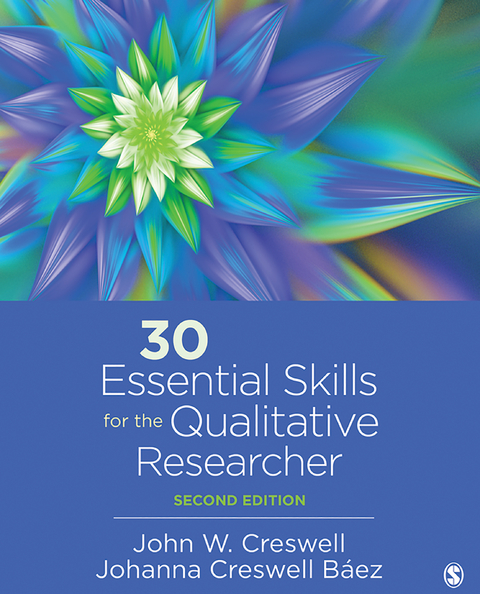
30 Essential Skills for the Qualitative Researcher (eBook)
336 Seiten
Sage Publications, Inc (Verlag)
978-1-5443-5571-9 (ISBN)
Preface
Acknowledgments
About the Authors
Part I: Understanding the Landscape of Qualitative Research
Chapter 1 • Thinking Like a Qualitative Researcher
Why the Skill Is Important
The Research Process
Different Approaches to This Research Process
How Qualitative Researchers Think
The Boat Picture
The Nature of Qualitative Research
Some Misconceptions About Qualitative Research
Summary
Activity
Further resources
Chapter 2 • Building on Quantitative Research Knowledge to Implement Qualitative Research
Why the Skill Is Important
Characteristics of Quantitative Research in a Quantitative Journal Article
Characteristics of Qualitative Research in a Qualitative Journal Article
Comparing Qualitative and Quantitative Characteristics on a Continuum
Easy- and Hard-to-See Components
Summary
Activity
Further resources
Chapter 3 • Making Your Qualitative Project Rigorous and Conceptually Interesting
Why the Skill Is Important
Decide on Your Research Topic
Be Cautious About Studying Your Own Backyard
Make Your Topic Conceptually Interesting
Include an Interesting Element in Your Title
Summary
Activity
Further resources
Chapter 4 • Managing Difficult Emotions That Come Up During Research
Why the Skill Is Important
The Emotional Journey of Qualitative Research
Possible Steps in the Emotional Journey
The Upside of Qualitative Research
The Downside of Qualitative Research
Summary
Activity
Further resources
Chapter 5 • Working With Research Advisers and Committees
Why the Skill Is Important
Educating Your Committee
Putting Forward Your Best Material
On Taking Feedback
Research Committee Meetings
Summary
Activity
Further resources
PART II • Considering Preliminary Elements
Chapter 6 • Using Philosophy and Theory in Qualitative Research
Why the Skills Are Important
The Philosophy Behind Qualitative Research
Writing About Philosophy in Your Qualitative Study
Use of Theory in Qualitative Research
Summary
Activities
Further resources
Chapter 7 • Anticipating Ethical Issues
Why the Skill Is Important
Human Research Protections in Your Qualitative Research
Ethical Issues at Different Phases in the Research
Ethical Issues We Have Faced as Qualitative Researchers
Permissions for Borrowed Material Used in Qualitative Research
A Checklist for Ethics
Summary
Activity
Further resources
Chapter 8 • Organizing the Literature
Why the Skill Is Important
Challenges in Reviewing the Literature
Options for Placing the Literature in a Qualitative Study
Steps in Conducting a Literature Review
Priority for Reviewing the Literature
How to Design a Literature Map
Additional Ideas About Designing a Literature Map
A Sample Description of a Literature Map
Summary
Activity
Further resources
Chapter 9 • Viewing the Structure of a Thesis or Dissertation for a Qualitative Study
Why the Skill Is Important
Topics Typically Included in a Qualitative Proposal or Plan
Structure of a Dissertation or Thesis Qualitative Proposal
A Concept Map of the Structure of a Qualitative Journal Article
Summary
Activity
Further resources
PART III • Introducing a Qualitative Study
Chapter 10 • Writing a Good Qualitative Title and Abstract
Why the Skill Is Important
Good Qualitative Titles
Improving Titles
Definition of an Abstract
A Word About Word Count
Topics of a Good Abstract
Examples of Abstracts
Summary
Activity
Further resources
Chapter 11 • Writing a Good Introduction and Opening Sentence for a Study
Why the Skill Is Important
Positioning an Introduction Within a Qualitative Study
Five Key Elements of a Good Introduction
The First Sentence of an Introduction
Summary
Activity
Further resources
Chapter 12 • Scripting a Qualitative Purpose Statement and Research Questions
Why the Skills Are Important
Interrelating the Purpose, the Research Questions, and the Methods
Purpose Statements
Research Questions
The Central Question
Examples of Improving the Central Question
The Central Phenomenon
Summary
Activity
Further resources
PART IV • Collecting Qualitative Data
Chapter 13 • Understanding the Process of Qualitative Data Collection
Why the Skill Is Important
The Parts of Qualitative Data Collection
A Checklist for Qualitative Data Collection
Summary
Activities
Further resources
Chapter 14 • Conducting a Good Observation
Why the Skill Is Important
Observation as a Developed Skill
The Nature of Observing
Steps in the Process of Observing
Additional Helpful Guidelines for Observing
Challenges in Observing
Observation Checklist
Summary
Activity
Further resources
Chapter 15 • Designing and Administering an Interview Protocol
Why the Skill Is Important
Types of Interviews
Steps in Conducting a Qualitative Interview
Parts of an Interview Protocol
A Sample Interview Protocol
Additional Interviewing Ideas
An Interview Checklist
Challenges in Conducting Interviews
Summary
Activity
Further resources
Chapter 16 • Collecting Data With Marginalized Populations
Why the Skills Are Important
Marginalized Groups
Concerns in Collecting Data From Marginalized Groups
Addressing Potential Concerns
Summary
Activities
Further resources
Chapter 17 • Being Culturally Aware in Global Qualitative Research
Why the Skills Are Important
Key Concepts in Conducting Global Qualitative Research
Cultural Competency
Building Country-Level Expertise
Global Research Policies
Methodological Orientation and Data Collection Methods
Qualitative Study Designs and Procedures
Recommendations for the Global Qualitative Researcher
Summary
Activities
Further resources
PART V • Analyzing and Validating Data
Chapter 18 • Coding Text Data
Why the Skill Is Important
The Overall Process of Qualitative Data Analysis
From the Raw Data to Codes
From the Raw Data to Themes
The Nature of Coding
Working Backward From a Theme Passage to Understand Coding
The Process of Coding
Summary
Activity
Further resources
Chapter 19 • Coding Images and Pictures
Why the Skill Is Important
Types of Qualitative Image Data
Potential Concerns When Using Images
Analyzing Images
Summary
Activities
Further resources
Chapter 20 • Developing Theme Passages
Why the Skill Is Important
Four Levels of Evidence in Qualitative Data Analysis
Elements to Write Into Themes
A Table That Organizes Themes, Codes, and Quotations
Summary
Activity
Further resources
Chapter 21 • Using a Computer Software Program for Data Analysis
Why the Skill Is Important
Using QDA Software in the Data Analysis and Report Writing Phases
Should You Use QDA Software?
Major Software Programs Available
How Do You Choose a QDA Program?
What Are the Steps in Using QDA Software?
Summary
Activity
Further resources
Chapter 22 • Implementing Validity Checks
Why the Skill Is Important
What Is Validity in Qualitative Research?
Types of Validity in Qualitative Research
What Validity Strategies Should You Use?
Summary
Activity
Further resources
Chapter 23 • Conducting Intercoder Agreement
Why the Skill Is Important
What Is Intercoder Agreement?
Procedures for Conducting Intercoder Agreement
Examples of Intercoder Agreement From Informal to More Systematic Procedures
Summary
Activity
Further resources
PART VI • Writing and Publishing Qualitative Research
Chapter 24 • Writing in a Scholarly Way
Why the Skill Is Important
Developing as Writers
Writing to Think About Your Topic
Developing the Habit of Writing
Staging Your Thoughts
Using Principles of Good Writing
Other Strategies for Good Writing
Summary
Activity
Further resources
Chapter 25 • Writing in a Qualitative Way
Why the Skill Is Important
Writing Using Thick Description
Writing Coherently
Writing Using Similes
Writing Using Quotations
Summary
Activity
Further resources
Chapter 26 • Writing Reflexively
Why the Skill Is Important
What Is Reflexivity?
Reflexivity for the Researcher
Reflexivity for the Participants
Reflexivity for the Readers
How to Facilitate Reflexive Writing
Where Do You Place Your Personal Reflexive Statements in a Study?
Summary
Activity
Further resources
Chapter 27 • Writing a Good “Conclusion” Section
Why the Skill Is Important
How Do You Conclude a Qualitative Study?
Perspectives on Elements of a “Conclusion” Section
Two Approaches to Concluding a Qualitative Study
Summary
Activity
Further resources
Chapter 28 • Publishing a Qualitative Journal Article
Why the Skill Is Important
Publishing During an Academic Career
Studying a Journal Before Submission
Summary
Activity
Further resources
PART VII • Evaluating a Study and Using Qualitative Designs
Chapter 29 • Selecting Quality Criteria for a Qualitative Study
Why the Skill Is Important
Are Standards Important in Qualitative Research?
Some Perspectives on the Standards Question
What Standards Should You Use?
Summary
Activity
Further resources
Chapter 30 • Selecting a Qualitative Design
Why the Skill Is Important
Moving From Generic to Types of Qualitative Designs
The Choice of Five Designs to Emphasize
How Do You Choose What Design Is Appropriate for Your Project?
An Example, “Turning the Story”
Summary
Activity
Further resources
Glossary
References
| Erscheint lt. Verlag | 25.8.2020 |
|---|---|
| Verlagsort | Thousand Oaks |
| Sprache | englisch |
| Themenwelt | Sozialwissenschaften ► Soziologie ► Empirische Sozialforschung |
| Schlagworte | 30 Essential Skills for the Qualitative Researcher, Second Edition • conducting research • Creswell, John • five approaches • Focus groups • introduction to qualitative • Johanna Creswell Báez • John W. Creswell • Narrative research • publishing qualitative • qualitative inquiry • Qualitative Interviews • qualitative methods • Qualitative research • Qualitative Research Methods • qualitative skills • Research design • writing qualitative |
| ISBN-10 | 1-5443-5571-8 / 1544355718 |
| ISBN-13 | 978-1-5443-5571-9 / 9781544355719 |
| Informationen gemäß Produktsicherheitsverordnung (GPSR) | |
| Haben Sie eine Frage zum Produkt? |
 EPUB (Adobe DRM)
Kopierschutz: Adobe-DRM
Adobe-DRM ist ein Kopierschutz, der das eBook vor Mißbrauch schützen soll. Dabei wird das eBook bereits beim Download auf Ihre persönliche Adobe-ID autorisiert. Lesen können Sie das eBook dann nur auf den Geräten, welche ebenfalls auf Ihre Adobe-ID registriert sind.
Details zum Adobe-DRM
Dateiformat: EPUB (Electronic Publication)
EPUB ist ein offener Standard für eBooks und eignet sich besonders zur Darstellung von Belletristik und Sachbüchern. Der Fließtext wird dynamisch an die Display- und Schriftgröße angepasst. Auch für mobile Lesegeräte ist EPUB daher gut geeignet.
Systemvoraussetzungen:
PC/Mac: Mit einem PC oder Mac können Sie dieses eBook lesen. Sie benötigen eine
eReader: Dieses eBook kann mit (fast) allen eBook-Readern gelesen werden. Mit dem amazon-Kindle ist es aber nicht kompatibel.
Smartphone/Tablet: Egal ob Apple oder Android, dieses eBook können Sie lesen. Sie benötigen eine
Geräteliste und zusätzliche Hinweise
Buying eBooks from abroad
For tax law reasons we can sell eBooks just within Germany and Switzerland. Regrettably we cannot fulfill eBook-orders from other countries.
aus dem Bereich