



Digital Tools to Support Writers in the EFL Classroom. Technology and its Benefits for Dyslexic Students
Seiten
2020
|
20001 A. 1. Auflage
GRIN Verlag
9783346115485 (ISBN)
GRIN Verlag
9783346115485 (ISBN)
- Titel nicht im Sortiment
- Artikel merken
Seminar paper from the year 2019 in the subject Didactics - English - Pedagogy, Literature Studies, University of Wuppertal, language: English, abstract: The increased use of digital tools in the EFL class and the inclusion of special education needs students into classrooms sets the question how the use of digital media in the foreign language classroom impacts special education needs students. Does it enhance or impede their abilities, especially their abilities in writing, in the foreign language learning process?
The modern society can be characterized as a technology based information society. Therefore, it should be no surprise that there is an increased use of digital tools in many classrooms. As an example, foreign language teachers make use of a wide range of electronically based technology resources to allow for an authentic foreign language experience in the classroom.
However, there is another factor which foreign language teachers have to take in account when including digital media in their lessons; the inclusion of special education needs students. In the year 2006 a political document, named Convention of the United Nations on the rights of persons with disabilities, came into force in New York and was signed by 167 states. This document promotes for the non-discrimination of of people with disabilities and demands the change of the structure of the whole society. Since its publication it has led to the beginning of many changes in different areas of life; especially in education. From an educational point of view the most important articles in this document are
24 2a and
24 2b which declare the right of persons with disabilities to have equal access to education at primary and secondary schools. In 2009 Germany ratified the Convention of the United Nations on the rights of persons with disabilities and with that started the implementation of inclusive classrooms.
The modern society can be characterized as a technology based information society. Therefore, it should be no surprise that there is an increased use of digital tools in many classrooms. As an example, foreign language teachers make use of a wide range of electronically based technology resources to allow for an authentic foreign language experience in the classroom.
However, there is another factor which foreign language teachers have to take in account when including digital media in their lessons; the inclusion of special education needs students. In the year 2006 a political document, named Convention of the United Nations on the rights of persons with disabilities, came into force in New York and was signed by 167 states. This document promotes for the non-discrimination of of people with disabilities and demands the change of the structure of the whole society. Since its publication it has led to the beginning of many changes in different areas of life; especially in education. From an educational point of view the most important articles in this document are
24 2a and
24 2b which declare the right of persons with disabilities to have equal access to education at primary and secondary schools. In 2009 Germany ratified the Convention of the United Nations on the rights of persons with disabilities and with that started the implementation of inclusive classrooms.
| Erscheinungsdatum | 28.02.2020 |
|---|---|
| Sprache | englisch |
| Maße | 148 x 210 mm |
| Gewicht | 51 g |
| Themenwelt | Sozialwissenschaften ► Pädagogik ► Schulpädagogik / Grundschule |
| Sozialwissenschaften ► Pädagogik ► Schulpädagogik / Sekundarstufe I+II | |
| Schlagworte | Benefits • Classroom • digital • dyslexic • students • Support • Technology • Tools • writers |
| ISBN-13 | 9783346115485 / 9783346115485 |
| Zustand | Neuware |
| Informationen gemäß Produktsicherheitsverordnung (GPSR) | |
| Haben Sie eine Frage zum Produkt? |
Mehr entdecken
aus dem Bereich


aus dem Bereich
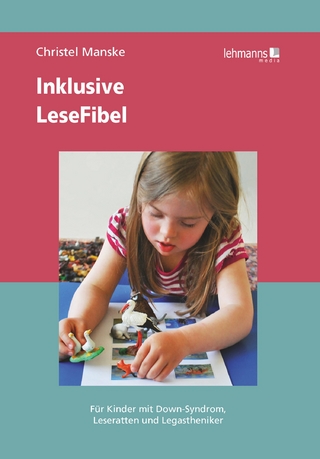
für Kinder mit Down-Syndrom, Leseratten und Legastheniker
Buch | Softcover (2023)
Lehmanns Media (Verlag)
CHF 27,90
wie Lehrer, Eltern und Schüler guten Unterricht gestalten
Buch | Softcover (2024)
Klett-Cotta (Verlag)
CHF 33,55
der Leitfaden für einen besseren Unterricht
Buch | Softcover (2025)
Klett-Cotta (Verlag)
CHF 23,80


