The Invisibilities of Political Torture
Edinburgh University Press (Verlag)
978-1-4744-3700-4 (ISBN)
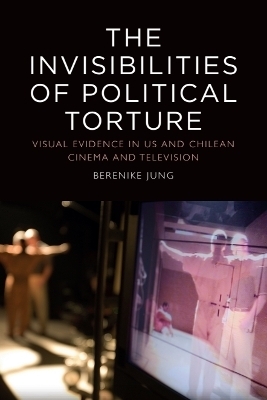
Examines role of images and film in (mis)understanding of tortureOffers synergised knowledge through comparative angle, exploring differences and continuities of torture cases which were documented to vastly different extentsIncludes key popular movies, independent films as well as serial televisionCombines serious film analysis with ethical-political questions and historically and theoretically informed researchExpands on the latest developments of comparative media scholarship, and integrates the nostalgic, material and affective "turn." Academic work on the subject of torture tends to mirror public debates on its presumed utility, to focus on its historically ‘correct’ representation or on profilmic structures of identification. This book moves beyond these ideologically charged questions to explore how contemporary films have responded to a growing popular distrust in visual evidence when referencing factual cases of torture.
Two cases studies – the United States around 2004 and Chile from 1973 until the end of the dictatorship – provide either an abundance or lack of such visual evidence. Drawing on films and television series such as Zero Dark Thirty (2012), NO (2012), Homeland (2011–) and Los 80 (2008–14), amongst many others, this book analyses the visible components of torture but also its invisibilities.
By casting a wider net on the definition of torture, the author promotes a radical, theoretical reframing of our concept of torture and suggests that audiovisual products can help broaden our comprehension of torture as an event which includes collective and emotional dimensions and long-term social effects.
Dr Berenike Jung is a lecturer in Film Studies at King’s College London. Previously, she worked as a research fellow at the Institute of Media Studies in Tübingen. She received her PhD in Film and Television Studies from the University of Warwick in 2016.
Introduction The Image of TortureWhy Torture NowAccountability, Impunity, AmnestyThinking through Torture with MoviesMatter and Form
Chapter 1 Visible Torture. The Case of Zero Dark ThirtyThe Torture DebatesDouble BindsThe Torturers and Us
Chapter 2 Witnessing Torture & Mediated Witnessing in War on Terror filmsWitness Politics and failing witnessesCrossing over to the Dark SideVisual Regimes
Chapter 3 Television Torture, made in USA24: Torture on RepeatHomeland A Crisis of Epistemology
Chapter 4 Television Torture, made in Chile Los Archivos del CardenalMemory Formations Los 80: Media memories on television
Chapter 5 Negotiating EvidenceThe Abu Ghraib ImagesThe Unknown KnownsStandard Operating Procedure
Chapter 6 The Presence of Absence in Contemporary Chilean CinemaSocial HauntingsThe Absent SignifierSensual Visualities: Sound, Breath and Touch
Chapter 7 The Politics of Realist Aesthetics in Chilean Cinema Santiago ’73: Post MortemTony ManeroLa Danza de la Realidad
Chapter 8 Cinema as Poetic ArchiveRe-thinking Indexicality Nostalgia de la luzNO
ConclusionThe Invisibilities of Torture in US and Chilean CinemaThe Politics of AffectEpistemological Quests The Spectator and the Torture of Others
Bibliography
| Erscheinungsdatum | 16.08.2020 |
|---|---|
| Zusatzinfo | 32 black and white illustrations |
| Verlagsort | Edinburgh |
| Sprache | englisch |
| Maße | 156 x 234 mm |
| Themenwelt | Kunst / Musik / Theater ► Film / TV |
| Schulbuch / Wörterbuch ► Lexikon / Chroniken | |
| Sozialwissenschaften ► Kommunikation / Medien ► Medienwissenschaft | |
| ISBN-10 | 1-4744-3700-1 / 1474437001 |
| ISBN-13 | 978-1-4744-3700-4 / 9781474437004 |
| Zustand | Neuware |
| Informationen gemäß Produktsicherheitsverordnung (GPSR) | |
| Haben Sie eine Frage zum Produkt? |
aus dem Bereich