


Framing Democracy
A Behavioral Approach to Democratic Theory
Seiten
2012
Princeton University Press (Verlag)
978-0-691-15519-7 (ISBN)
Princeton University Press (Verlag)
978-0-691-15519-7 (ISBN)
Explains the relevance of framing effects for normative theories of democracy. Employing a behavioral approach, this book argues for rejecting the rational actor model of decision making and replacing it with an understanding of choice imported from psychology and social science.
The past thirty years have seen a surge of empirical research into political decision making and the influence of framing effects--the phenomenon that occurs when different but equivalent presentations of a decision problem elicit different judgments or preferences. During the same period, political philosophers have become increasingly interested in democratic theory, particularly in deliberative theories of democracy. Unfortunately, the empirical and philosophical studies of democracy have largely proceeded in isolation from each other. As a result, philosophical treatments of democracy have overlooked recent developments in psychology, while the empirical study of framing effects has ignored much contemporary work in political philosophy. In Framing Democracy, Jamie Terence Kelly bridges this divide by explaining the relevance of framing effects for normative theories of democracy. Employing a behavioral approach, Kelly argues for rejecting the rational actor model of decision making and replacing it with an understanding of choice imported from psychology and social science.
After surveying the wide array of theories that go under the name of democratic theory, he argues that a behavioral approach enables a focus on three important concerns: moral reasons for endorsing democracy, feasibility considerations governing particular theories, and implications for institutional design. Finally, Kelly assesses a number of methods for addressing framing effects, including proposals to increase the amount of political speech, mechanisms designed to insulate democratic outcomes from flawed decision making, and programs of public education. The first book to develop a behavioral theory of democracy, Framing Democracy has important insights for democratic theory, the social scientific understanding of political decision making, economics, and legal theory.
The past thirty years have seen a surge of empirical research into political decision making and the influence of framing effects--the phenomenon that occurs when different but equivalent presentations of a decision problem elicit different judgments or preferences. During the same period, political philosophers have become increasingly interested in democratic theory, particularly in deliberative theories of democracy. Unfortunately, the empirical and philosophical studies of democracy have largely proceeded in isolation from each other. As a result, philosophical treatments of democracy have overlooked recent developments in psychology, while the empirical study of framing effects has ignored much contemporary work in political philosophy. In Framing Democracy, Jamie Terence Kelly bridges this divide by explaining the relevance of framing effects for normative theories of democracy. Employing a behavioral approach, Kelly argues for rejecting the rational actor model of decision making and replacing it with an understanding of choice imported from psychology and social science.
After surveying the wide array of theories that go under the name of democratic theory, he argues that a behavioral approach enables a focus on three important concerns: moral reasons for endorsing democracy, feasibility considerations governing particular theories, and implications for institutional design. Finally, Kelly assesses a number of methods for addressing framing effects, including proposals to increase the amount of political speech, mechanisms designed to insulate democratic outcomes from flawed decision making, and programs of public education. The first book to develop a behavioral theory of democracy, Framing Democracy has important insights for democratic theory, the social scientific understanding of political decision making, economics, and legal theory.
Jamie Terence Kelly is assistant professor of philosophy at Vassar College.
Acknowledgments ix Introduction 1 Chapter One Framing Effects 7 Chapter Two Theories of Democracy 44 Chapter Three Behavioral Democratic Theory 59 Chapter Four Behavioral Democratic Theory Applied 74 Chapter Five Institutional Implications 97 Conclusion 122 References 125 Index 149
| Zusatzinfo | 5 line illus. |
|---|---|
| Verlagsort | New Jersey |
| Sprache | englisch |
| Maße | 152 x 235 mm |
| Gewicht | 425 g |
| Themenwelt | Geisteswissenschaften ► Philosophie |
| Geisteswissenschaften ► Psychologie ► Verhaltenstherapie | |
| Sozialwissenschaften ► Politik / Verwaltung ► Politische Systeme | |
| ISBN-10 | 0-691-15519-4 / 0691155194 |
| ISBN-13 | 978-0-691-15519-7 / 9780691155197 |
| Zustand | Neuware |
| Informationen gemäß Produktsicherheitsverordnung (GPSR) | |
| Haben Sie eine Frage zum Produkt? |
Mehr entdecken
aus dem Bereich


aus dem Bereich
psychodynamisch denken – verhaltenstherapeutisch handeln
Buch | Hardcover (2023)
Schattauer (Verlag)
CHF 67,20
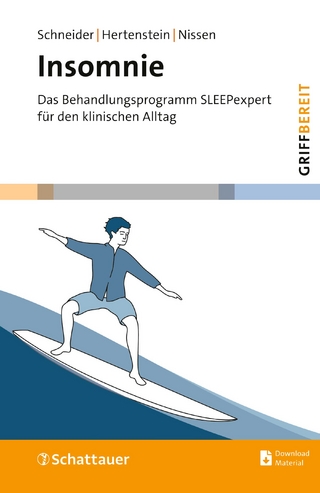
das Behandlungsprogramm SLEEPexpert für den klinischen Alltag
Buch | Softcover (2024)
Schattauer (Verlag)
CHF 34,95


