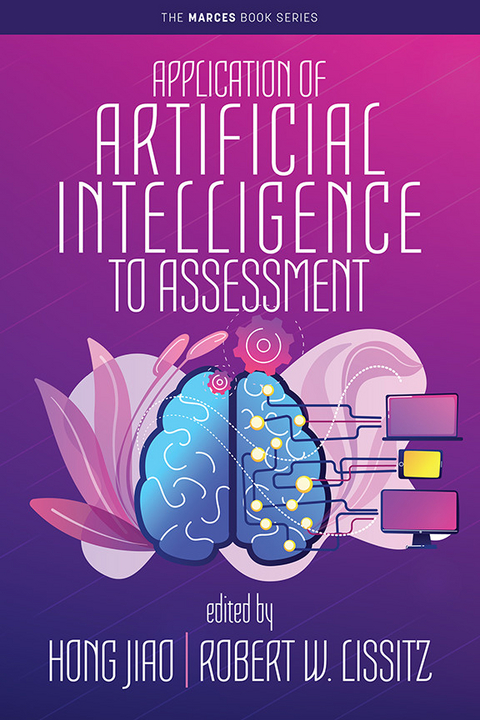
Chapters on automated item generation offer different perspectives related to generating a large number of items with controlled psychometric properties including the latest development of using machine learning methods. Automated scoring is illustrated for different types of assessments such as speaking and writing from both methodological aspects and practical considerations. Further, automated test assembly is elaborated for the conventional linear tests from both classical test theory and item response theory perspectives. Item pool design and assembly for the linear-on-the-fly tests elaborates more complications in practice when test security is a big concern. Finally, several chapters focus on computerized adaptive testing (CAT) at either item or module levels. CAT is further illustrated as an effective approach to increasing test-takers’ engagement in testing.
In summary, the book includes both theoretical, methodological, and applied research and practices that serve as the foundation for future development. These chapters provide illustrations of efforts to automate the process of test development. While some of these automation processes have become common practices such as automated test assembly, automated scoring, and computerized adaptive testing, some others such as automated item generation calls for more research and exploration. When new AI methods are emerging and evolving, it is expected that researchers can expand and improve the methods for automating different steps in test development to enhance the automation features and practitioners can adopt quality automation procedures to improve assessment practices.
The general theme of this book is to present the applications of artificial intelligence (AI) in test development. In particular, this book includes research and successful examples of using AI technology in automated item generation, automated test assembly, automated scoring, and computerized adaptive testing. By utilizing artificial intelligence, the efficiency of item development, test form construction, test delivery, and scoring could be dramatically increased.Chapters on automated item generation offer different perspectives related to generating a large number of items with controlled psychometric properties including the latest development of using machine learning methods. Automated scoring is illustrated for different types of assessments such as speaking and writing from both methodological aspects and practical considerations. Further, automated test assembly is elaborated for the conventional linear tests from both classical test theory and item response theory perspectives. Item pool design and assembly for the linear-on-the-fly tests elaborates more complications in practice when test security is a big concern. Finally, several chapters focus on computerized adaptive testing (CAT) at either item or module levels. CAT is further illustrated as an effective approach to increasing test-takers' engagement in testing.In summary, the book includes both theoretical, methodological, and applied research and practices that serve as the foundation for future development. These chapters provide illustrations of efforts to automate the process of test development. While some of these automation processes have become common practices such as automated test assembly, automated scoring, and computerized adaptive testing, some others such as automated item generation calls for more research and exploration. When new AI methods are emerging and evolving, it is expected that researchers can expand and improve the methods for automating different steps in test development to enhance the automation features and practitioners can adopt quality automation procedures to improve assessment practices.
| Erscheint lt. Verlag | 18.3.2020 |
|---|---|
| Sprache | englisch |
| Themenwelt | Schulbuch / Wörterbuch ► Lexikon / Chroniken |
| Geisteswissenschaften | |
| Informatik ► Theorie / Studium ► Künstliche Intelligenz / Robotik | |
| Sozialwissenschaften ► Pädagogik | |
| ISBN-10 | 1-64113-953-6 / 1641139536 |
| ISBN-13 | 978-1-64113-953-3 / 9781641139533 |
| Informationen gemäß Produktsicherheitsverordnung (GPSR) | |
| Haben Sie eine Frage zum Produkt? |
 PDF (Adobe DRM)
Größe: 5,1 MB
Kopierschutz: Adobe-DRM
Adobe-DRM ist ein Kopierschutz, der das eBook vor Mißbrauch schützen soll. Dabei wird das eBook bereits beim Download auf Ihre persönliche Adobe-ID autorisiert. Lesen können Sie das eBook dann nur auf den Geräten, welche ebenfalls auf Ihre Adobe-ID registriert sind.
Details zum Adobe-DRM
Dateiformat: PDF (Portable Document Format)
Mit einem festen Seitenlayout eignet sich die PDF besonders für Fachbücher mit Spalten, Tabellen und Abbildungen. Eine PDF kann auf fast allen Geräten angezeigt werden, ist aber für kleine Displays (Smartphone, eReader) nur eingeschränkt geeignet.
Systemvoraussetzungen:
PC/Mac: Mit einem PC oder Mac können Sie dieses eBook lesen. Sie benötigen eine
eReader: Dieses eBook kann mit (fast) allen eBook-Readern gelesen werden. Mit dem amazon-Kindle ist es aber nicht kompatibel.
Smartphone/Tablet: Egal ob Apple oder Android, dieses eBook können Sie lesen. Sie benötigen eine
Geräteliste und zusätzliche Hinweise
Buying eBooks from abroad
For tax law reasons we can sell eBooks just within Germany and Switzerland. Regrettably we cannot fulfill eBook-orders from other countries.
 EPUB (Adobe DRM)
Kopierschutz: Adobe-DRM
Adobe-DRM ist ein Kopierschutz, der das eBook vor Mißbrauch schützen soll. Dabei wird das eBook bereits beim Download auf Ihre persönliche Adobe-ID autorisiert. Lesen können Sie das eBook dann nur auf den Geräten, welche ebenfalls auf Ihre Adobe-ID registriert sind.
Details zum Adobe-DRM
Dateiformat: EPUB (Electronic Publication)
EPUB ist ein offener Standard für eBooks und eignet sich besonders zur Darstellung von Belletristik und Sachbüchern. Der Fließtext wird dynamisch an die Display- und Schriftgröße angepasst. Auch für mobile Lesegeräte ist EPUB daher gut geeignet.
Systemvoraussetzungen:
PC/Mac: Mit einem PC oder Mac können Sie dieses eBook lesen. Sie benötigen eine
eReader: Dieses eBook kann mit (fast) allen eBook-Readern gelesen werden. Mit dem amazon-Kindle ist es aber nicht kompatibel.
Smartphone/Tablet: Egal ob Apple oder Android, dieses eBook können Sie lesen. Sie benötigen eine
Geräteliste und zusätzliche Hinweise
Buying eBooks from abroad
For tax law reasons we can sell eBooks just within Germany and Switzerland. Regrettably we cannot fulfill eBook-orders from other countries.
aus dem Bereich