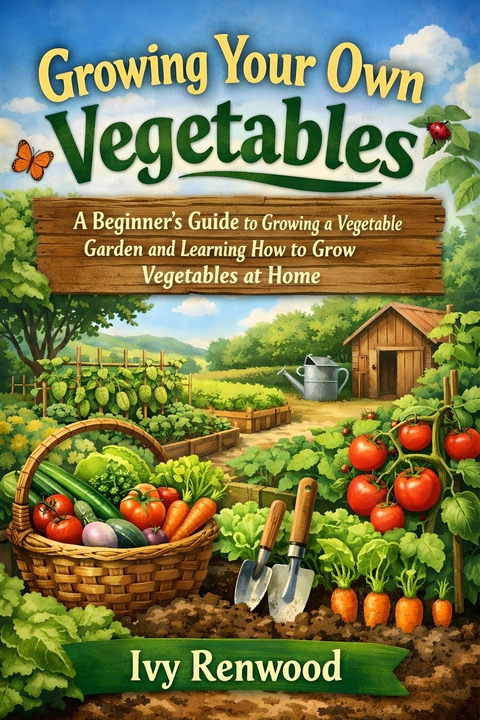
Growing Your Own Vegetables (eBook)
169 Seiten
Publishdrive (Verlag)
978-1-970565-41-6 (ISBN)
Have you ever wanted to grow your own vegetables but felt overwhelmed before you even started? You're not alone. With so much conflicting advice online, many beginners give up before planting a single seed.
Growing Your Own Vegetables was created for people who want to grow fresh food at home-but need clear, simple guidance that actually works.
Whether you have a backyard, a small patio, or just a few containers, this beginner-friendly guide walks you through everything you need to know to start growing vegetables with confidence.
You'll learn:
How to choose the right type of garden for your space
Which vegetables are easiest for beginners to grow
How to prepare soil, water correctly, and provide proper sunlight
When to plant, how to care for your plants, and what to avoid
How to prevent common beginner mistakes before they ruin your garden
No prior gardening experience is required.
Chapter 1: Why Grow Vegetables at Home? Confidence Starts Here
Imagine you have a fixed amount of money to invest, and you stand at a crossroads: do you put it all into one stock you heard about, spread it evenly among a handful of companies, or invest slowly over time in a broad market fund? Each choice leads down a different path, shaping how your portfolio grows, bounces, or struggles. Just like these investment strategies, starting your own vegetable garden at home offers various ways to commit your time, space, and care—with each approach influencing the results in flavor, satisfaction, and savings. How you begin matters, and understanding the impact of different gardening 'investments' helps build confidence from the very first seed.
This chapter will explore how making thoughtful choices about what and how to grow vegetables in your personal space can lead to rewarding outcomes beyond just fresh food. By looking closely at small, manageable steps and realistic setups, you'll see that even tiny patches or containers become fertile ground for growth—both in plants and in your self-assurance. We'll break down practical approaches tailored for busy urban lifestyles, helping you turn limited space into a thriving source of nourishment and calm, setting the foundation for a successful gardening journey.
The Joy and Payoff of Homegrown Food
Somewhere between the memory of a store-bought tomato and the first taste of one grown on your own balcony, there’s a moment that hooks almost everyone. You pluck a cherry tomato when it’s still warm from the afternoon sun, pop it in your mouth, and feel an instant burst of flavor—juicy, sweet, and sharp all at once. The same happens with basil: tear a leaf and smell its bright, herby scent before adding it to your pasta. Grocery versions can’t compare, and it’s not just in your head. Fresh vegetables start turning their natural sugars into starches as soon as they’re picked. By the time they reach shelves, most of the crispness and sweetness is lost. That’s why homegrown lettuce tastes almost buttery and mild, and cilantro or mint tastes so clean and bright. Even simple dishes like salads, sandwiches, and weeknight noodles become something new when you snip greens or herbs right before eating. This direct access to harvest is the secret to peak flavor—a lesson you’ll use over and over, especially once you learn the best timing tricks later in Chapter 9.
Beyond flavor, growing even a few plants means you get real control over what ends up on your plate. Every choice—what soil goes in your pot, which organic product tackles pests, how much you water—builds trust in your own food rather than relying on labels or supply chains. If you want to skip pesticides, you simply don’t use them. When you stir chopped chard into soup or layer homegrown arugula onto toast, you know every step was in your hands. The nutrition boost is just as real: vitamins fade from greens and herbs quickly after harvest, but when you eat them within hours—sometimes minutes—you catch those nutrients at their highest point. You don’t have to change everything about your diet or track grams of anything. Just by having fresh produce nearby, you’ll add more greens and herbs to your routine without thinking twice. In Chapter 3, you’ll find that choosing organic soils and amendments is easy, giving you complete confidence every season.
Saving money feels great, especially when grocery prices never seem to drop. Think about basil for a second: those little plastic-wrapped bunches cost $4 each and last maybe a week in your fridge. Start one $8 plant in a container, add a bag of potting mix, and you’ll trim leaves for homemade pesto or garnish at least thirty times through the growing season. The same math goes for chives, parsley, and mint. Lettuce is another winner: a single seed packet, costing less than most salad kits, can supply enough "cut-and-come-again" greens (which just means you trim leaves and let new ones grow) for salads week after week. Each time you skip the store and pick tonight’s dinner instead, you see the payback. These savings really stack up in high-turnover crops—herbs, lettuces, radishes—rather than bulk vegetables like potatoes. Plus, as you’ll discover in Chapter 10, replanting and succession planting help stretch these returns over many months, making your garden’s payoff a cycle instead of a one-time thing. In Chapter 3, a short section reveals the right containers to maximize both harvest and savings, even in tight spaces.
What might surprise you is that some of the biggest gains don’t fit on a receipt or nutrition label. Checking your planters in the morning gives a shape to your day and turns routine stress into something lighter. Tend a patch for even five minutes, and you’re pulled out of phone screens and crowded kitchens into a quieter space. Your hands dig into cool soil, you listen for birds, and you spot tiny signs of growth—new leaves unfurling, a bud opening up, a slug hiding under a leaf. This isn’t just pleasant; research shows gardening drops stress levels and boosts mood through both contact with nature and the physical act of tending plants (Fort HealthCare, 2017). The feel of earth, the breeze, the green visuals, even a whiff of tomato leaves can ease tension, working faster than scrolling or streaming. You don’t need acres or hours. Even a small shelf of pots on the fire escape lets you create your own ritual—one that brings restoration and satisfaction, not more demands. In Chapter 6, you’ll get a simple daily care checklist to make these quick check-ins effortless, letting you turn moments of stress into small wins.
These benefits are real and within reach, but many beginners hesitate because the steps between interest and action seem confusing. Knowing these rewards await you is powerful—the question becomes how to start without getting overwhelmed.
Overcoming the Beginner's Overwhelm
Knowing that home gardening can provide freshness, satisfaction, and a sense of calm is exciting, but even with those rewards in mind, starting out often brings a sense of being lost. If your first reaction after reading about all the benefits is 'But where do I begin?', you're not alone. The truth is, feeling stuck or worried about making mistakes happens to everyone at the start. What matters more than expertise or fancy setups is deciding to keep things simple. Choosing clarity over clutter means you can actually enjoy your first steps and grow your confidence as steadily as your plants (Tips, 2025).
Trying to do everything at once is a recipe for burnout. There’s wisdom in starting smaller than you think you should—one container on a balcony, one tidy corner of a patio, or a single raised bed next to the back door. That small scope lets you give each plant the care and observation it needs, instead of rushing between dozens fighting for attention. For example, putting a large tomato plant in a ten-gallon pot lets you learn about watering, feeding, pruning, and pest-spotting without stretching yourself thin. Or go for just three kinds of leafy greens instead of filling every space with different seeds; this sharpens your understanding since you’ll spot how each variety behaves with the same amount of water or sun. Limiting yourself to three to five types cuts down on both decisions and expenses. You avoid the pitfall of spending hundreds up front only to get overwhelmed by upkeep. A well-chosen pot of bush beans on a sunny windowsill or a salad bowl full of mixed lettuces shows you that small starts bring big lessons—and plenty of harvests (Tips, 2025).
Every thriving garden has a hidden engine: routine. Setting a weekly rhythm takes away the pressure of always figuring out what’s next. Instead of trying to guess when to water or feed, block out fifteen minutes twice a week. Use your finger to check if the top inch of soil feels dry before adding water. Mix in a diluted liquid fertilizer every second week while plants are growing fast. Get in the habit of running through a short checklist every time: see if there’s new growth, look for yellow leaves, check for bugs, feel if the soil is damp enough, and notice whether plants are standing tall or drooping. This becomes automatic after a few weeks and works no matter what you’re growing. Leafy greens like lettuce, spinach, or arugula are perfect starters—they sprout quickly, rebound when cut (called 'cut-and-come-again'), and forgive uneven watering. Radishes make rewarding test pilots; plant seeds and you’ll see green shoots in days and crunchy roots in about three weeks. Bush beans stay compact, avoid tangles, and don’t fuss if you miss a watering here or there. These crops give fast feedback, so you know right away if something’s working—or needs adjusting. Those quick wins are powerful motivation to keep going (Tips, 2025; Blocked, 2025).
Building momentum comes from seeing real progress—not just guessing. Take a photo of your garden each week from the same spot, ideally on Saturday morning before you head out. Make an album on your phone and swipe through as weeks go by. Those side-by-side shots do two important things: prove that your effort is producing results and help diagnose issues if they come up. If yellowing pops up in week three’s photo, you can trace back to when things changed. Watching tiny seedlings become leafy bunches or sturdy bean stalks reminds you that every small step pays off. It’s easier to stay motivated and tweak your habits when changes are visible. Whether you’re tending one herb pot or a mini veggie patch, these...
| Erscheint lt. Verlag | 19.12.2025 |
|---|---|
| Sprache | englisch |
| Themenwelt | Sachbuch/Ratgeber ► Natur / Technik ► Natur / Ökologie |
| Schlagworte | growing a vegetable garden • growing plants and vegetables • growing vegetables for dummies • growing your own vegetables • how to grow vegetables |
| ISBN-10 | 1-970565-41-1 / 1970565411 |
| ISBN-13 | 978-1-970565-41-6 / 9781970565416 |
| Informationen gemäß Produktsicherheitsverordnung (GPSR) | |
| Haben Sie eine Frage zum Produkt? |
 EPUB (Ohne DRM)
Digital Rights Management: ohne DRM
Dieses eBook enthält kein DRM oder Kopierschutz. Eine Weitergabe an Dritte ist jedoch rechtlich nicht zulässig, weil Sie beim Kauf nur die Rechte an der persönlichen Nutzung erwerben.
Dateiformat: EPUB (Electronic Publication)
EPUB ist ein offener Standard für eBooks und eignet sich besonders zur Darstellung von Belletristik und Sachbüchern. Der Fließtext wird dynamisch an die Display- und Schriftgröße angepasst. Auch für mobile Lesegeräte ist EPUB daher gut geeignet.
Systemvoraussetzungen:
PC/Mac: Mit einem PC oder Mac können Sie dieses eBook lesen. Sie benötigen dafür die kostenlose Software Adobe Digital Editions.
eReader: Dieses eBook kann mit (fast) allen eBook-Readern gelesen werden. Mit dem amazon-Kindle ist es aber nicht kompatibel.
Smartphone/Tablet: Egal ob Apple oder Android, dieses eBook können Sie lesen. Sie benötigen dafür eine kostenlose App.
Geräteliste und zusätzliche Hinweise
Buying eBooks from abroad
For tax law reasons we can sell eBooks just within Germany and Switzerland. Regrettably we cannot fulfill eBook-orders from other countries.
aus dem Bereich