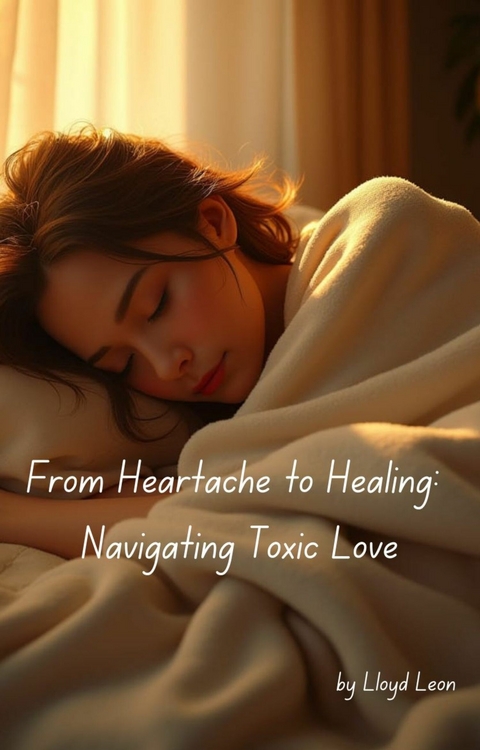
From Heartache to Healing (eBook)
98 Seiten
Publishdrive (Verlag)
978-0-00-070543-3 (ISBN)
Toxic relationships often begin with subtle signs that may go unnoticed in the early stages. They can be characterized by a pattern of behavior that undermines your self-worth and emotional well-being. It's essential to recognize that a relationship becomes toxic when one partner consistently exhibits controlling, manipulative, or abusive behaviors. This dynamic can lead to a cycle of emotional distress, leaving you feeling trapped and conflicted. Understanding these signs is crucial for anyone looking to reclaim their happiness and establish healthier connections.
From Heartache to Healing: Navigating Toxic Love
Chapter 1: Understanding Toxic Love
Defining Toxic Relationships
Toxic relationships often begin with subtle signs that may go unnoticed in the early stages. They can be characterized by a pattern of behavior that undermines your self-worth and emotional well-being. It’s essential to recognize that a relationship becomes toxic when one partner consistently exhibits controlling, manipulative, or abusive behaviors. This dynamic can lead to a cycle of emotional distress, leaving you feeling trapped and conflicted. Understanding these signs is crucial for anyone looking to reclaim their happiness and establish healthier connections.
Emotional abuse is a significant component of toxic relationships. It may not leave visible scars, but its impact can be deeply damaging. Constant criticism, gaslighting, and belittling comments can erode your confidence and sense of self. If you find yourself constantly second-guessing your thoughts and feelings, it may be a sign that you are in a toxic environment. Recognizing these behaviors is the first step towards breaking free from the cycle of heartache and reclaiming your strength.
Another defining feature of toxic relationships is a lack of respect for boundaries. Healthy relationships thrive on mutual respect and understanding, while toxic ones often involve one partner disregarding the other’s needs and limits. If you feel pressured to compromise your values or desires to please someone else, it can lead to resentment and emotional exhaustion. Establishing and maintaining clear boundaries is vital for your emotional health and is a skill that can be developed over time.
The emotional toll of a toxic relationship can manifest in various ways, including anxiety, depression, and a pervasive sense of hopelessness. These feelings can linger long after the relationship has ended, making the journey toward healing more challenging. It is important to acknowledge your emotions and give yourself permission to grieve the loss of the relationship, even if it was harmful. This process lays the groundwork for building resilience and preparing for healthier relationships in the future.
Finally, understanding the cycle of toxic love is essential for preventing future heartbreak. It often follows a pattern of idealization, devaluation, and abandonment, creating an emotional rollercoaster that can be addictive. By educating yourself about these dynamics, you empower yourself to recognize when you are entering a potentially toxic situation. Embracing self-care practices and fostering a strong sense of self-worth will help you navigate the complexities of relationships, guiding you toward healthier connections based on love, respect, and mutual support.
Recognizing the Signs of Toxicity
Recognizing the signs of toxicity in a relationship is crucial for your emotional well-being and personal growth. Often, we become so entangled in our feelings that we overlook red flags that indicate a partner may not have our best interests at heart. These signs can manifest in various ways, from manipulative behaviors to a lack of respect for your boundaries. It’s essential to cultivate an awareness of these indicators, as they serve as vital signals that your relationship may be causing you more pain than joy.
One of the most common signs of a toxic relationship is consistent negativity. This may show up as excessive criticism, constant complaining, or a dismissive attitude toward your feelings and experiences. If you find yourself feeling drained after interactions or second-guessing your self-worth because of your partner's words, it's important to recognize that this is not normal or healthy. You deserve to be uplifted and supported, not belittled or made to feel inadequate. A relationship should be a source of encouragement, not a breeding ground for self-doubt.
Another indicator of toxicity is the presence of manipulation, which can take many forms, including guilt-tripping or gaslighting. If your partner often makes you question your perceptions or feelings, it can lead to confusion and emotional instability. This behavior undermines your reality and can leave you feeling isolated. Understanding that it's not your fault and that you are not overly sensitive is key here. Recognizing manipulation as a tactic used to exert control can empower you to take steps toward reclaiming your emotional health.
Unhealthy boundaries are also a hallmark of toxic relationships. If your partner frequently dismisses your needs or disregards your personal space, it’s a sign that they may not respect you as an individual. Healthy relationships require mutual respect and a balance of give and take. If you find yourself constantly accommodating your partner's demands at the expense of your own well-being, it’s time to reassess the dynamics at play. Establishing and maintaining boundaries is essential for your emotional resilience and overall happiness.
Lastly, pay attention to your feelings when you are around your partner. If you often feel anxious, fearful, or overly responsible for their happiness, these emotions can indicate a toxic environment. Healthy relationships should bring you peace, not turmoil. Acknowledging your feelings and recognizing their validity is a significant step toward healing. Remember that you have the power to decide what is acceptable in your life. By identifying these signs of toxicity, you can begin to take the necessary steps toward letting go of unhealthy attachments and creating space for healthier, more fulfilling relationships.
The Cycle of Toxic Love
The cycle of toxic love can feel like an inescapable whirlwind, drawing you into a pattern that leaves you feeling drained and confused. It often begins with intense passion, where everything seems perfect, and you feel a powerful connection that sweeps you off your feet. However, as the relationship progresses, the initial excitement can quickly turn into a toxic dynamic, characterized by manipulation, emotional ups and downs, and a constant feeling of inadequacy. Understanding this cycle is crucial for girls who are seeking to break free and heal from the heartaches of toxic love.
Toxic relationships often thrive on a push-pull dynamic, where moments of affection are interspersed with periods of emotional distance or conflict. During the highs, you may feel cherished and adored, believing that this love is unlike anything else. Yet, during the lows, feelings of rejection and confusion set in, creating a cycle of hope and despair. This inconsistency can trap you in a loop of longing for the good times while trying to navigate the pain of the bad. Acknowledging this pattern is the first step toward breaking free and reclaiming your emotional well-being.
Healing from these relationships requires you to confront the emotional toll they take. You may find yourself questioning your worth, feeling as though you are not enough or that you need to change to keep your partner’s affection. It is essential to recognize that this is a reflection of their issues, not yours. Building emotional resilience involves cultivating self-love and embracing your worthiness outside of someone else’s validation. Practicing self-care, such as engaging in hobbies, spending time with supportive friends, or seeking professional guidance, can help you reconnect with your true self.
Understanding your attachment style can also shed light on why you may be drawn to unhealthy relationships. Whether you have an anxious, avoidant, or secure attachment style, recognizing how these patterns influence your choices can empower you to make healthier decisions in future relationships. It’s a journey of self-discovery that allows you to identify your needs and set boundaries, which are crucial for maintaining your mental and emotional health. Learning to navigate heartbreak after infidelity or dealing with unrequited love requires a commitment to understanding yourself and what you truly desire from connections with others.
Ultimately, the cycle of toxic love can be broken through forgiveness and letting go. Forgiveness does not mean condoning the hurtful behavior; it means freeing yourself from the burden of resentment. By embracing mindfulness techniques, you can learn to live in the present, allowing you to process your grief while focusing on healing. Developing healthy boundaries and practicing self-compassion will empower you to move forward, transforming your experiences into lessons that guide you toward healthier, more fulfilling relationships in the future.
Chapter 2: The Impact of Heartbreak
Emotional and Physical Symptoms of Heartbreak
Heartbreak can manifest in profound emotional and physical symptoms that can leave you feeling utterly drained and disoriented. The emotional pain often resembles the effects of grief, as you may find yourself grappling with feelings of sadness, anger, and confusion. These emotions can fluctuate wildly, making it difficult to focus on daily tasks or engage with friends and family. You might feel an overwhelming sense of loss, not just for the relationship but also for the future you envisioned with that person. Understanding these emotional responses is crucial for acknowledging your pain and beginning the healing process.
Physically, heartbreak can take a toll on your body in ways that might surprise you. Many women report experiencing symptoms such as fatigue, changes in appetite, and sleep disturbances. The stress of heartbreak can lead to tension headaches, stomachaches, and even a weakened immune system. Your body reacts to emotional turmoil as if it were facing a physical threat, releasing stress hormones that can lead to these uncomfortable physical...
| Erscheint lt. Verlag | 15.1.2025 |
|---|---|
| Sprache | englisch |
| Themenwelt | Sachbuch/Ratgeber ► Gesundheit / Leben / Psychologie ► Partnerschaft / Sexualität |
| ISBN-10 | 0-00-070543-8 / 0000705438 |
| ISBN-13 | 978-0-00-070543-3 / 9780000705433 |
| Informationen gemäß Produktsicherheitsverordnung (GPSR) | |
| Haben Sie eine Frage zum Produkt? |
 EPUB (Adobe DRM)
Größe: 1,0 MB
Kopierschutz: Adobe-DRM
Adobe-DRM ist ein Kopierschutz, der das eBook vor Mißbrauch schützen soll. Dabei wird das eBook bereits beim Download auf Ihre persönliche Adobe-ID autorisiert. Lesen können Sie das eBook dann nur auf den Geräten, welche ebenfalls auf Ihre Adobe-ID registriert sind.
Details zum Adobe-DRM
Dateiformat: EPUB (Electronic Publication)
EPUB ist ein offener Standard für eBooks und eignet sich besonders zur Darstellung von Belletristik und Sachbüchern. Der Fließtext wird dynamisch an die Display- und Schriftgröße angepasst. Auch für mobile Lesegeräte ist EPUB daher gut geeignet.
Systemvoraussetzungen:
PC/Mac: Mit einem PC oder Mac können Sie dieses eBook lesen. Sie benötigen eine
eReader: Dieses eBook kann mit (fast) allen eBook-Readern gelesen werden. Mit dem amazon-Kindle ist es aber nicht kompatibel.
Smartphone/Tablet: Egal ob Apple oder Android, dieses eBook können Sie lesen. Sie benötigen eine
Geräteliste und zusätzliche Hinweise
Buying eBooks from abroad
For tax law reasons we can sell eBooks just within Germany and Switzerland. Regrettably we cannot fulfill eBook-orders from other countries.
aus dem Bereich