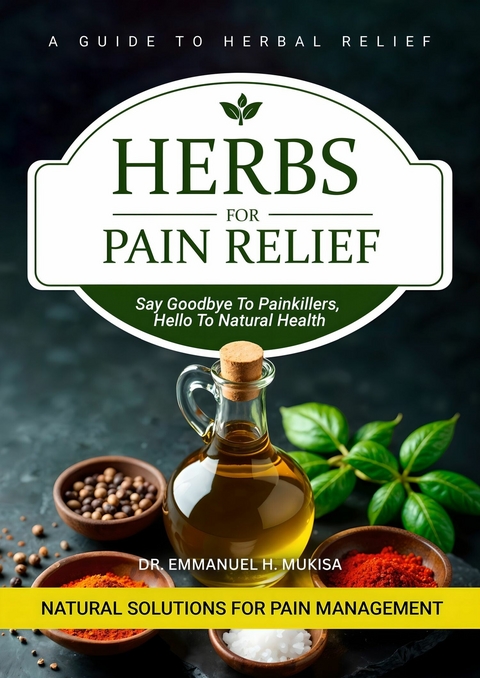
Herbs for Pain Relief (eBook)
123 Seiten
Publishdrive (Verlag)
978-0-00-110352-8 (ISBN)
Ditch the dependency on painkillers and embrace the healing power of nature. Herbs for pain relief is your ultimate guide to building a natural portfolio of remedies for managing pain, reducing reliance on pharmaceuticals, and safeguarding your long-term health.
Discover the potent synergy of turmeric, ginger, and willow bark, unlock the hidden wealth of adaptogens like ashwagandha, and learn how to create a sustainable, holistic strategy for pain management. This book empowers you to reclaim your health with effective, safe, and natural solutions.
Weaning off the pain medication is one step toward taking back both your body and your wallet. Long-term use of painkillers can include adverse side effects such as dependency and tolerance. Since medications become ineffective, the dosages are at times increased, further resulting in health risks and financial costs. Of course, there are herbs that act as a natural remedy to deal with pain and without the nasty results of such medication. Incorporating these herbs into your life may become your escape route to come out of this pain and probably live free from conventional medication. Options available and their possibility to influence one's general being are understood.
Many people would wish to have an alternative to pain medication since buying pain medication may be expensive. Prescriptions of painkillers can be very expensive, especially to those whose cases are chronic and have to take them for a long time. Adding insurance copays and out-of-pocket expenses, costs add up really fast. Turmeric, willow bark, and ginger are a lot cheaper and may be effective for pain. These are widely available, with many options to grow at home or purchase at a fraction of the cost of pharmaceuticals. Herbal solutions can look toward significantly lowering the healthcare expenses by turning that way.
Millions of people in this world have to live with chronic pain, and the urge to handle it effectively is universal. However, all too often, dependence on pain medications alone does not correct the roots of pain but is a path to returning discomfort and further dependency. Herbal remedies represent a natural approach in pain management, targeting inflammation, improving circulation, and fostering overall healing. For example, turmeric is renowned for staunch anti-inflammatory properties that could be of great use in joint pains and muscle ache. Peppermint is also a reliever of headaches and even migraines, without any side effects that may come about as a result of the intake of pain medicines. Herbs do provide a good avenue for investigation into other methods of healing that tackle the root of their pains.
Apart from physical pain, emotional blackmail is not different from chronic pain. Those dependent on pain medicines may feel they are caught in a no-win situation, a wicked circle of addiction that can only add to frustration and feelings of helplessness. Moving to herbal remedies allows the person to take responsibility for their health and lessens the emotional weights of being reliant on any form of medication. Most of the herbs used, such as lavender and chamomile, sedate them in which anxiety and tension associated with chronic pain are considerably minimized. It is these advantages to their psychology that help overall healing processes, both physical and emotional, which in turn will help improve quality of life.
The second advantage which herbal pain relievers possess is a minimum side effect. Side Effects-The probable risks of prescription painkillers, more so those having opioids, can be listed on top as follows-digestive problems, nausea, overdose. These painful side effects tend to destroy physical health and give rise to another chunk of cost incurred for curing the additional ill-effects of medicines. Herbs, if dispensed appropriately are pretty safe and fewer poisonous side effects about the prescription killer pain medicines. They are natural products, and most often, the body tolerates them quite well, so they can be excellent methods for handling chronic pain. It is possible to minimize the risks from prescription drugs by using herbs.
This adds herbs to your pain management and does not mean huge overwhelming changes in your life. Yet often, the simplest, most comforting things-herbal teas, spicing up one's food or an herbal ointment applied topically-make all the difference. Thus, a poultice of bruised comfrey leaves applied to painful muscles will relieve it and promote the healing of bruised tissues. Others drink ginger tea daily to help with arthritis or other general muscle stiffness. Such are the simple and easily available remedies, making it accessible to the people to easily make natural pain relief part of their lives. Over time, these small changes often lead to great gains in improvements of pain and health in general.
Herbs also have an added benefit in integrating overall wellness. Whereas medications for pain simply mask the symptom in most instances, herbs more often than not work in conjunction with the body to aid natural healing processes. Many herbs such as ginseng and echinacea actually spur on the immune system to help the body cure itself. Other plants, such as St. John's Wort, lighten mental clarity and disposition and thereby aid in the emotional part of the pain experience. Generally, herbs decrease the frequency and intensity of pains as they improve the general health and increase the body's resistance. This is more viable since it is more sustainable compared to using medications that can offer temporary relief without improving the general health of a person.
Most civilizations of the world have used herbs in pain relief for many centuries. Ayurveda and Traditional Chinese Medicine are two types of traditional medicine systems studied for ages as herbal medicines. Both practices are oriented toward health nurturing by the balancing of herbal remedies, dietary modifications, and lifestyle changes. Some of these have now started finding their support through modern research, which confirms that indeed herbs can play a very vital role in reducing pain and inflammation. These methods open an entire world of knowledge developed over the centuries and will be incredibly useful when applied aptly. If access is gained to this ancient wisdom, it opens up an important avenue for the possible considerable pain relief.
Most pain management herbs contain bioactive compounds which work upon the pathways of pain directly. For example, capsaicin in chili peppers acts to desensitize nerve receptors, thereby dimming perception. Similarly, salicin in the bark acts just like aspirin in reducing inflammation and pain. These naturally occurring compounds address the problem of pain without inflicting harm that synthetic drugs do. As more and more therapeutic properties of herbs have been discovered through studies, needy people have been finding options available for themselves. It is this ever-grown knowledge which has been a ray of hope to the people in their desperate search for safer and effective alternative methods to pain medication. It may be a mountain to many who have become its victims due to the adverse effects brought about by addiction to pain medications.
Herbal remedies represent an imaginative, self-enabling approach to healing. Instead of narcotics, kava or valerian root could be tried for their soothing and restorative effects. Such plants would serve to alleviate symptoms of withdrawal, therefore smoothing the process for one who needs to make a transition from a medicated dependence to a more organic living. While herbal medicine is replacing the chemical cousins of such medicines, so, too, can people take health back from their addiction-the ever-lasting dark shadow that comes with pharmaceutical pain management. While herbs are promising in alternative application to pain medications, caution and guidance are essential.
Not all herbs are indicated for everybody and there is a drug-herb interaction or has a potential to interact with diseases. It will be safe and effective if one consults a professional in herbal medicine. Also, small doses and observation of the reaction of the organism are highly important for the prevention of probable side effects. With proper education on their use and consultation of professionals, people can safely use herbs in their pain management. Increased interest in herbal medicine also promoted a new development in community-based resources such as workshops and educational platforms.
These resources will have the opportunity to make one aware of the many different herbs that may be used to manage pain, proper application, and how to introduce these herbs into daily life. It is such support groups that empower them in shared experiences, thereby encouraging others on their journey towards healing. It is here that one finds people like oneself trying to find the same answers through nature, and where one finds support that helps to nurture growth and wellness. These groups are a gold mine for those people who would like to get themselves free from pain medication. Herbal remedies are effective and versatile in their mode of application.
It can be taken topically, in teas, in capsule form, and in tinctures. The elasticity provides an individual with the different ways one may want their treatment to go, basing it on lifestyle and personal preference. This is evident from the fact that some experience relief from joint pain with the use of topical arnica cream, while other people like taking a soothing cup of chamomile tea just before bed. It is helpful because such flexibility in choice allows persons to implement their mode of pain relief in a manner that will fit into daily routines and personal needs. It also gives them the chance to try more herbs and see which one fits them best. Psychologically, too, as much significant benefits can be reaped from the use of herbs to treat pain as there can be physically.
Basically, breaking this vicious circle of prescription medication is always accompanied by overwhelming feelings of empowerment, whereby one feels that now he or she is in a position to take charge of his or her health. This subsequently reflects in one's general mental well-being, making him or her feel less...
| Erscheint lt. Verlag | 25.3.2025 |
|---|---|
| Sprache | englisch |
| Themenwelt | Sachbuch/Ratgeber ► Essen / Trinken |
| ISBN-10 | 0-00-110352-0 / 0001103520 |
| ISBN-13 | 978-0-00-110352-8 / 9780001103528 |
| Informationen gemäß Produktsicherheitsverordnung (GPSR) | |
| Haben Sie eine Frage zum Produkt? |
 EPUB (Adobe DRM)
Größe: 267 KB
Kopierschutz: Adobe-DRM
Adobe-DRM ist ein Kopierschutz, der das eBook vor Mißbrauch schützen soll. Dabei wird das eBook bereits beim Download auf Ihre persönliche Adobe-ID autorisiert. Lesen können Sie das eBook dann nur auf den Geräten, welche ebenfalls auf Ihre Adobe-ID registriert sind.
Details zum Adobe-DRM
Dateiformat: EPUB (Electronic Publication)
EPUB ist ein offener Standard für eBooks und eignet sich besonders zur Darstellung von Belletristik und Sachbüchern. Der Fließtext wird dynamisch an die Display- und Schriftgröße angepasst. Auch für mobile Lesegeräte ist EPUB daher gut geeignet.
Systemvoraussetzungen:
PC/Mac: Mit einem PC oder Mac können Sie dieses eBook lesen. Sie benötigen eine
eReader: Dieses eBook kann mit (fast) allen eBook-Readern gelesen werden. Mit dem amazon-Kindle ist es aber nicht kompatibel.
Smartphone/Tablet: Egal ob Apple oder Android, dieses eBook können Sie lesen. Sie benötigen eine
Geräteliste und zusätzliche Hinweise
Buying eBooks from abroad
For tax law reasons we can sell eBooks just within Germany and Switzerland. Regrettably we cannot fulfill eBook-orders from other countries.
aus dem Bereich