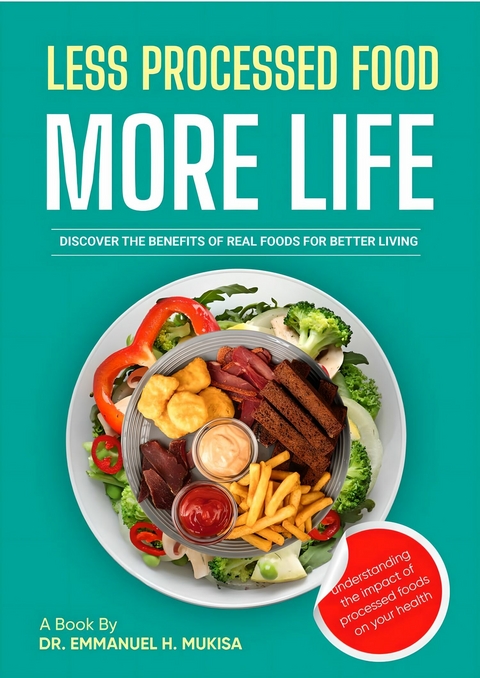
Less Processed Food, More Life (eBook)
171 Seiten
Publishdrive (Verlag)
978-0-00-109922-7 (ISBN)
In a world dominated by packaged and ultra-processed foods, taking control of your diet can feel overwhelming. Less processed food, more life is your ultimate guide to understanding the impact of processed foods on your health and transitioning to a more nourishing, whole-food-based lifestyle.
This book unpacks the hidden dangers of additives, preservatives, artificial sweeteners, and trans fats while exploring how processed foods contribute to issues like heart disease, diabetes, inflammation, and even mental health challenges. It provides actionable steps to identify processed foods, shop smarter, and embrace whole, nutrient-dense alternatives.
From learning how to meal plan and cook from scratch to discovering wholesome recipes for satisfying meals and snacks, less processed food, more life empowers you to make lasting changes for better digestion, sustained energy, and disease prevention.
The truth about artificial sweeteners
Artificial sweeteners are chemicals used to sweeten foods and beverages without adding calories. They are found in a wide range of products, from diet sodas to sugar-free snacks, and are often marketed as a healthier alternative to sugar. Common artificial sweeteners include aspartame, sucralose (found in Splenda), saccharin, and stevia. While they do help reduce calorie intake, the health effects of these substances are a topic of ongoing debate.
One of the main reasons people turn to artificial sweeteners is to manage weight. Since these sweeteners contain few or no calories, they seem like a good way to enjoy sweet flavors without gaining weight. However, some studies suggest that artificial sweeteners may not be as helpful for weight loss as they appear. In fact, some research indicates that they might even lead to weight gain by altering the way the brain responds to sweetness, leading to increased cravings for sugary foods.
Another concern is the impact of artificial sweeteners on metabolism. Some studies have shown that consuming these sweeteners can affect insulin sensitivity, which is how the body processes sugar. Poor insulin sensitivity is a risk factor for type 2 diabetes. This is especially concerning for people who consume large amounts of diet drinks or sugar-free products, thinking they are making a healthier choice. While artificial sweeteners don’t cause a spike in blood sugar like regular sugar does, they can still have subtle, long-term effects on metabolism.
Gut health is another area where artificial sweeteners may cause problems. Research has shown that some sweeteners, particularly sucralose and aspartame, can negatively impact the balance of bacteria in the gut. A healthy gut is essential for digestion, immunity, and even mental health. Disrupting this balance can lead to digestive issues and contribute to conditions like irritable bowel syndrome (IBS). In the long term, an unhealthy gut may also increase the risk of chronic diseases.
There is also concern about the safety of some artificial sweeteners. Aspartame, in particular, has been studied for its potential to cause health issues such as headaches, mood swings, and even cancer. While most regulatory agencies, including the U.S. Food and Drug Administration (FDA), consider aspartame safe in moderate amounts, some health experts recommend avoiding it, especially for individuals with certain conditions like phenylketonuria (PKU), a rare genetic disorder.
It’s also important to note that not all artificial sweeteners are the same. Natural sweeteners like stevia and monk fruit are derived from plants and are often considered safer alternatives. However, they can still cause digestive problems for some people, especially when consumed in large amounts. Moreover, even though they are "natural," they are still processed to some degree, so moderation is key.
Despite the potential risks, many people continue to use artificial sweeteners as a way to reduce their calorie intake. For those trying to manage their weight or blood sugar levels, they can be a useful tool when used in moderation. However, the long-term effects of artificial sweeteners are still not fully understood, and it’s important to weigh the benefits and risks before making them a regular part of your diet.
While artificial sweeteners may seem like a harmless substitute for sugar, they come with their own set of concerns. Their impact on metabolism, gut health, and even mental well-being suggests that they are not necessarily a "free pass" when it comes to sweet foods and beverages. Choosing natural, unprocessed sources of sweetness, such as fruits, is a better way to satisfy your sweet tooth while supporting overall health.
Trans fats and hydrogenated oils
Trans fats and hydrogenated oils are some of the most dangerous ingredients found in processed foods. These fats are created through a process called hydrogenation, where liquid vegetable oils are chemically altered to become solid at room temperature. This process gives foods a longer shelf life and improves texture, making trans fats popular in the food industry. They are commonly found in baked goods, margarine, fried foods, and many packaged snacks.
The problem with trans fats is that they can raise bad cholesterol (LDL) levels and lower good cholesterol (HDL) levels. This imbalance increases the risk of heart disease, which is one of the leading causes of death worldwide. Trans fats also promote inflammation in the body, which is linked to conditions like diabetes, stroke, and some forms of cancer. Even small amounts of trans fats can have a negative impact on health over time.
Many countries have taken steps to ban or limit trans fats in food production due to their harmful effects. However, hydrogenated oils, which contain small amounts of trans fats, can still be found in some processed foods. These oils are often used because they provide the desired texture and stability manufacturers need for mass-produced products. Unfortunately, this means that many people unknowingly consume these unhealthy fats on a regular basis.
Hydrogenated oils are also problematic because they are highly processed and stripped of beneficial nutrients. Unlike natural fats, such as those found in avocados or olive oil, hydrogenated oils provide little to no nutritional value. Instead, they add unhealthy calories to the diet, contributing to weight gain and increasing the risk of obesity-related diseases.
The long-term consumption of trans fats and hydrogenated oils can have serious consequences for health. They have been linked to the development of atherosclerosis, a condition where plaque builds up in the arteries, restricting blood flow. This can lead to heart attacks, strokes, and other cardiovascular issues. Moreover, these unhealthy fats can impair insulin sensitivity, making it harder for the body to regulate blood sugar levels.
While trans fats are becoming less common due to regulations, it’s still important for consumers to be vigilant. Checking food labels for "partially hydrogenated oils" and avoiding foods that contain them is a good way to protect your heart and overall health. By choosing healthier fats, such as those from nuts, seeds, and fish, people can reduce their risk of chronic diseases and improve their well-being.
The addictive nature of processed foods
Processed foods are designed to be highly appealing, both in taste and texture. Many manufacturers use a combination of sugar, salt, and fats to create foods that are hard to resist. This combination stimulates the brain’s reward system, triggering the release of dopamine, a chemical that makes us feel pleasure. Over time, this can lead to food addiction, where people crave and overeat processed foods, even when they know these foods are unhealthy.
One reason processed foods are so addictive is that they are often engineered to hit the "bliss point." This is the exact balance of sugar, fat, and salt that makes a food incredibly satisfying. Foods like chips, cookies, and fast food are designed to be eaten quickly and in large quantities, leading to overeating. This is why it’s easy to finish an entire bag of chips without realizing it, even if you weren’t hungry to begin with.
Another factor that makes processed foods addictive is the use of flavor enhancers like monosodium glutamate (MSG) and artificial flavors. These additives enhance the taste of food, making it more flavorful than natural, whole foods. As a result, people may lose interest in healthier options like fruits and vegetables, which don’t provide the same intense taste experience. This can lead to a cycle of constantly craving processed foods.
Processed foods also tend to be low in fiber and other essential nutrients that help regulate appetite. Whole foods like fruits, vegetables, and whole grains contain fiber, which helps you feel full and satisfied. Processed foods, on the other hand, are often stripped of these nutrients, making it easy to overeat and still feel hungry shortly after. This lack of satiety contributes to the addictive nature of processed foods.
Food addiction can have serious consequences for physical and mental health. People who are addicted to processed foods are more likely to struggle with weight gain, obesity, and related health issues like diabetes and heart disease. Mentally, the constant cycle of craving, overeating, and guilt can lead to stress, anxiety, and even depression. Over time, this can create a negative relationship with food and make it difficult to break free from unhealthy eating habits.
To overcome food addiction, it’s important to focus on whole, nutrient-dense foods that nourish the body and mind. By eating a balanced diet rich in fruits, vegetables, lean proteins, and healthy fats, people can retrain their taste buds and reduce their dependence on processed foods. Mindful eating, where you pay attention to hunger cues and eat slowly, can also help break the cycle of addiction and lead to healthier eating patterns.
How processed foods fuel the sugar epidemic
Processed foods are one of the leading sources of added sugars in modern diets. From breakfast cereals to soft drinks, sugars are often hidden in foods we don’t even consider sweet, such as bread, sauces, and salad dressings. Manufacturers add sugar to improve the taste and texture of these foods, making them more appealing to consumers. Unfortunately, this has led to an epidemic of overconsumption, with many people eating far more sugar than is recommended for a healthy diet.
One of the biggest problems with added sugars is that they provide empty calories. This...
| Erscheint lt. Verlag | 27.10.2025 |
|---|---|
| Sprache | englisch |
| Themenwelt | Sachbuch/Ratgeber ► Gesundheit / Leben / Psychologie ► Ernährung / Diät / Fasten |
| ISBN-10 | 0-00-109922-1 / 0001099221 |
| ISBN-13 | 978-0-00-109922-7 / 9780001099227 |
| Informationen gemäß Produktsicherheitsverordnung (GPSR) | |
| Haben Sie eine Frage zum Produkt? |
 EPUB (Adobe DRM)
Größe: 1,4 MB
Kopierschutz: Adobe-DRM
Adobe-DRM ist ein Kopierschutz, der das eBook vor Mißbrauch schützen soll. Dabei wird das eBook bereits beim Download auf Ihre persönliche Adobe-ID autorisiert. Lesen können Sie das eBook dann nur auf den Geräten, welche ebenfalls auf Ihre Adobe-ID registriert sind.
Details zum Adobe-DRM
Dateiformat: EPUB (Electronic Publication)
EPUB ist ein offener Standard für eBooks und eignet sich besonders zur Darstellung von Belletristik und Sachbüchern. Der Fließtext wird dynamisch an die Display- und Schriftgröße angepasst. Auch für mobile Lesegeräte ist EPUB daher gut geeignet.
Systemvoraussetzungen:
PC/Mac: Mit einem PC oder Mac können Sie dieses eBook lesen. Sie benötigen eine
eReader: Dieses eBook kann mit (fast) allen eBook-Readern gelesen werden. Mit dem amazon-Kindle ist es aber nicht kompatibel.
Smartphone/Tablet: Egal ob Apple oder Android, dieses eBook können Sie lesen. Sie benötigen eine
Geräteliste und zusätzliche Hinweise
Buying eBooks from abroad
For tax law reasons we can sell eBooks just within Germany and Switzerland. Regrettably we cannot fulfill eBook-orders from other countries.
aus dem Bereich