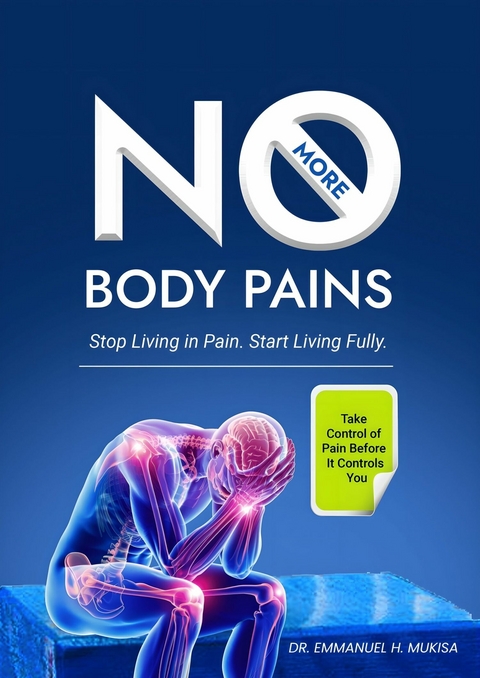
No More Body Pains (eBook)
230 Seiten
Publishdrive (Verlag)
978-0-00-109845-9 (ISBN)
What if the key to a pain-free life is already within your reach? In No More Body Pains, uncover powerful yet often overlooked strategies to manage and eliminate body pain. From the transformative impact of proper posture and targeted exercises to the surprising roles of nutrition, sleep, and emotional well-being, this book reveals a holistic approach to pain relief.
Whether you're battling chronic pain or occasional discomfort, this guide will teach you how to identify triggers, manage stress, and build a lifestyle that prioritizes wellness. Say goodbye to pain and hello to a healthier, happier you.
Importance of posture in pain management
Posture plays a vital role in overall health and can significantly impact the level of body pain individuals experience. Poor posture can lead to muscle strain, joint discomfort, and even long-term damage. When people slouch or sit improperly, they place undue stress on their bodies, particularly in the neck, back, and shoulders. Understanding the importance of good posture is essential for effective pain management. Couples can work together to identify and correct posture-related issues.
One common issue related to posture is forward head posture, often seen in people who spend long hours on computers or phones. This posture causes the head to protrude forward, straining the neck muscles. Over time, this can lead to tension headaches and chronic neck pain. Couples can support each other by being aware of their head and neck positioning while using devices. Encouraging breaks and stretches can help alleviate tension and promote better alignment.
Another aspect of poor posture is rounded shoulders, which can occur when individuals hunch over while sitting or standing. This position tightens the chest muscles and weakens the back muscles, leading to discomfort and pain. Couples should encourage each other to practice exercises that strengthen the upper back and stretch the chest. Together, they can create a routine that promotes better shoulder alignment and reduces discomfort.
Sitting for extended periods can contribute to poor posture and related pain. Many people find themselves slumped over their desks, which can lead to back pain and fatigue. Couples can work together to set timers for regular breaks, encouraging each other to stand up, stretch, and move. Incorporating standing desks or ergonomic chairs can also help maintain better posture. This proactive approach enhances both comfort and productivity.
Good posture is not just about sitting; it also applies to standing and walking. When standing, individuals should distribute their weight evenly and engage their core muscles to support their spine. Couples can practice walking together, focusing on maintaining proper alignment. This shared activity promotes awareness of posture and helps reinforce healthy habits. Walking with intention fosters physical health and connection.
Practicing mindfulness can also enhance posture awareness. Couples can engage in mindfulness exercises that encourage them to check in with their bodies throughout the day. This practice helps identify when they are slipping into poor posture and allows them to make adjustments. Together, they can create reminders to practice mindfulness, fostering a supportive environment for each other. Mindfulness enhances overall awareness and health.
Strengthening core muscles is crucial for maintaining good posture. A strong core provides stability and support for the spine, reducing the risk of pain. Couples can engage in core-strengthening exercises together, such as planks or bridges. This shared effort not only improves physical health but also strengthens their bond. Strengthening the core enhances posture and reduces discomfort.
Stretching is equally important in combating the effects of poor posture. Regular stretching helps maintain flexibility and prevent muscle tightness. Couples should incorporate stretching routines into their daily lives, focusing on areas that often become tense, such as the back and shoulders. Together, they can remind each other to stretch regularly, promoting relaxation and physical comfort. Stretching fosters both physical relief and connection.
Educating oneself about proper posture techniques can empower couples to make lasting changes. Resources such as workshops, online courses, or instructional videos can provide valuable insights into posture correction. Couples should take time to learn together and practice what they’ve learned. This shared education fosters teamwork and accountability. Knowledge enhances their ability to manage pain effectively.
Using supportive equipment can also aid in maintaining good posture. Ergonomic chairs, lumbar support cushions, and adjustable desks can help individuals align their bodies properly. Couples can explore these tools together, investing in items that promote comfort and health. Supporting each other in creating a conducive work environment enhances their commitment to better posture. Investing in supportive equipment promotes long-term health.
Incorporating regular check-ins about posture can foster open communication between partners. Couples should discuss how their bodies feel throughout the day and share any discomfort experienced. This practice encourages vulnerability and support, allowing partners to work together on solutions. Together, they can make adjustments to their routines based on their discussions. Open communication enhances understanding and connection.
Understanding the impact of footwear on posture is also essential. Wearing shoes with inadequate support can lead to alignment issues and increased pain. Couples should consider their footwear choices and support each other in making healthier choices. Together, they can explore options such as supportive athletic shoes or orthotics. Choosing the right footwear promotes overall comfort and alignment.
Maintaining a healthy weight can further support good posture and reduce pain. Excess weight can strain the spine and lead to poor alignment. Couples can work together to adopt healthy eating habits and stay active, promoting weight management. This shared commitment enhances their overall well-being and strengthens their relationship. A healthy weight supports better posture and reduces discomfort.
Setting realistic posture goals can be beneficial for couples seeking to improve their alignment. Partners should discuss specific changes they want to make and establish a timeline for progress. Celebrating small victories along the way reinforces commitment and motivation. Together, they can support each other in reaching these goals, creating a sense of teamwork. Goal setting enhances accountability and fosters connection.
In conclusion, posture is a crucial factor in managing body pain effectively. By understanding its importance and actively working to improve alignment, couples can significantly reduce discomfort. Practicing good posture together, incorporating exercises and stretches, and fostering open communication creates a supportive environment. Together, they can enhance their physical well-being and strengthen their emotional connection.
Benefits of regular physical activity
Regular physical activity is essential for maintaining overall health and well-being. Engaging in exercise helps strengthen muscles, improve flexibility, and enhance cardiovascular health. These benefits are crucial for preventing and managing body pain. Couples can motivate each other to stay active, making exercise a fun and shared experience. Together, they can explore various activities that they both enjoy.
One of the primary benefits of regular exercise is its ability to reduce pain. Physical activity releases endorphins, which are natural pain relievers produced by the body. These chemicals help alleviate feelings of discomfort and promote a sense of well-being. Couples can encourage each other to engage in activities that boost their mood and reduce pain, creating a supportive environment. This shared motivation enhances both partners' commitment to staying active.
Exercise also improves muscle strength and flexibility, which are vital for preventing injuries. Strong muscles support joints and reduce the risk of strains and sprains. Couples can participate in strength training exercises together, such as weightlifting or bodyweight exercises. By focusing on strength-building activities, they can enhance their physical capabilities while fostering teamwork. Strengthening muscles together promotes health and connection.
Incorporating aerobic exercises, such as walking, running, or cycling, can significantly improve cardiovascular health. A healthy heart enhances blood circulation, delivering oxygen and nutrients to muscles and tissues. Couples should find enjoyable aerobic activities to do together, such as hiking or dancing. This shared commitment to cardiovascular fitness not only benefits their health but also strengthens their bond. Engaging in aerobic exercises enhances both fitness and connection.
Regular physical activity can help with weight management, which is essential for reducing strain on the body. Carrying excess weight can exacerbate pain, particularly in the joints. Couples can work together to set fitness and nutrition goals that promote healthy weight loss or maintenance. Supporting each other in making healthier choices fosters accountability and enhances motivation. A healthy weight leads to improved physical comfort.
Engaging in exercise can also enhance flexibility and range of motion, reducing stiffness and discomfort. Stretching and flexibility exercises, such as yoga or Pilates, can improve overall movement. Couples can practice these activities together, helping each other to achieve better flexibility. This shared focus on movement promotes both physical and emotional well-being. Enhanced flexibility leads to reduced pain and increased comfort.
Physical activity can also boost energy levels, combating feelings of fatigue often associated with pain. Regular exercise improves stamina and overall endurance, helping individuals feel more energetic throughout the day. Couples can encourage each other to stay active, especially during times of low energy. Together, they can plan activities that uplift their spirits and boost their energy. Increased energy enhances both productivity...
| Erscheint lt. Verlag | 28.10.2025 |
|---|---|
| Sprache | englisch |
| Themenwelt | Sachbuch/Ratgeber ► Gesundheit / Leben / Psychologie |
| ISBN-10 | 0-00-109845-4 / 0001098454 |
| ISBN-13 | 978-0-00-109845-9 / 9780001098459 |
| Informationen gemäß Produktsicherheitsverordnung (GPSR) | |
| Haben Sie eine Frage zum Produkt? |
 EPUB (Adobe DRM)
Größe: 1,2 MB
Kopierschutz: Adobe-DRM
Adobe-DRM ist ein Kopierschutz, der das eBook vor Mißbrauch schützen soll. Dabei wird das eBook bereits beim Download auf Ihre persönliche Adobe-ID autorisiert. Lesen können Sie das eBook dann nur auf den Geräten, welche ebenfalls auf Ihre Adobe-ID registriert sind.
Details zum Adobe-DRM
Dateiformat: EPUB (Electronic Publication)
EPUB ist ein offener Standard für eBooks und eignet sich besonders zur Darstellung von Belletristik und Sachbüchern. Der Fließtext wird dynamisch an die Display- und Schriftgröße angepasst. Auch für mobile Lesegeräte ist EPUB daher gut geeignet.
Systemvoraussetzungen:
PC/Mac: Mit einem PC oder Mac können Sie dieses eBook lesen. Sie benötigen eine
eReader: Dieses eBook kann mit (fast) allen eBook-Readern gelesen werden. Mit dem amazon-Kindle ist es aber nicht kompatibel.
Smartphone/Tablet: Egal ob Apple oder Android, dieses eBook können Sie lesen. Sie benötigen eine
Geräteliste und zusätzliche Hinweise
Buying eBooks from abroad
For tax law reasons we can sell eBooks just within Germany and Switzerland. Regrettably we cannot fulfill eBook-orders from other countries.
aus dem Bereich