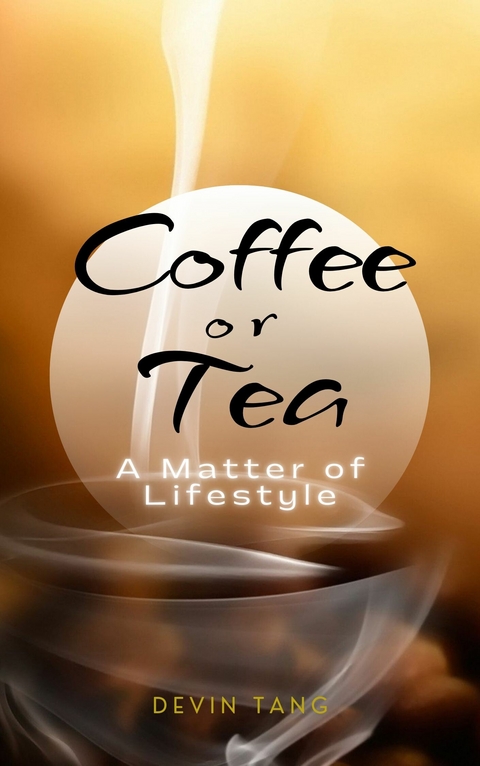
Coffee or Tea (eBook)
100 Seiten
YiKai Books (Verlag)
978-0-00-101783-2 (ISBN)
Dive into global traditions, quirky histories, and the science behind each cup. Wander through the art of brewing, the joy of hosting, and the comfort of self-care rituals. Whether you find yourself energized by espresso or soothed by green tea, you will discover how simple choices can create style, connection, and even a more sustainable world.
This is not a how-to guide-it is a friendly journey into the heart and soul of coffee and tea culture, packed with inspiration, stories, and ideas to make every sip count. If you are ready to find your flavor, spark new rituals, or just see these classic drinks in a fresh way, grab your favorite mug and get cozy.
Ready to join the adventure? Pick up your copy and sip the good life.
The Science and Secrets in the Brew
Coffee versus Tea: Key Ingredients
Every cup of coffee or tea is a tiny laboratory, a place where art, chemistry, and personal style blend together in the most alluring ways. The allure of these drinks is not just about taste or ritual—it is about the fascinating secrets swirling beneath their surfaces, the ingredients that shape their character and the feelings they evoke.
The story begins with the beans and leaves themselves. Coffee is born from the glossy seeds of the Coffea plant, cultivated across sun-drenched hills from Ethiopia to Colombia. The journey of tea starts with the Camellia sinensis leaf, transformed by sunlight and rain in regions that range from the misty slopes of Yunnan to the lush estates of Assam. The magic is in the details—each origin, each harvest, brings a new accent to the final cup, much like a designer’s signature on a couture gown.
Behind the scenes, chemistry is always at play, crafting the mood and taste of every sip. Coffee’s signature richness comes from its oils and acids, which shimmer to the surface during roasting. The Maillard reaction, a scientific marvel, is responsible for the bold, caramelized notes that define a fashionable espresso or a velvety pour-over. Tea, in contrast, reveals its personality through its array of polyphenols—antioxidants that not only contribute to flavor, but also add a subtle glow to every brew. The key compounds, like catechins in green tea and theaflavins in black, create a spectrum of taste from grassy and fresh to malty and robust.
A cup’s character is shaped by more than just its base ingredients. The way coffee and tea are processed transforms them from simple harvests to lifestyle essentials. Coffee beans are washed, dried, and roasted, each step imparting a new layer of complexity. A lightly roasted bean sings with floral notes, while a dark roast offers a dramatic, smoky depth. Tea leaves are withered, rolled, oxidized, and fired in a dance of tradition and innovation. The process can be minimal, as in green tea, or elaborate, as in oolong, each method crafting a flavor profile that feels as intentional as a curated wardrobe.
Water, often overlooked, is the unsung hero of the brew. Its mineral content and temperature can make or break a cup, coaxing out the best in both coffee and tea. Soft water allows delicate teas to shine, while hard water brings out the boldness in coffee. The temperature—never too hot, never too cold—sets the stage for the perfect extraction, ensuring every note is in harmony.
Then, there are the finishing touches, the stylish accents that make each drink personal. Milk, cream, sugar, honey, or spices—these additions transform the experience, much like accessories elevate an outfit. A splash of oat milk in a cappuccino, a twist of lemon in black tea, a sprinkle of cinnamon over a latte—each choice is an act of self-expression.
What makes coffee and tea so captivating is the interplay between their ingredients and the lives they touch. Every cup is a reflection of taste, mood, and the moment, built on centuries of wisdom and bursts of modern creativity. The science in the brew is subtle, but its impact is profound—a quiet force that turns a simple drink into a daily celebration.
With each sip, the secrets of coffee and tea reveal themselves, inviting you to explore, experiment, and savor the complexity that lies within. The journey is never static; it is a living, evolving dance between nature, science, and style—a brew that feels just as at home in a sunlit kitchen as it does in a sleek, bustling café.
Caffeine: Myths and Realities
Caffeine is the sparkling accessory that coffee and tea wear so well—a molecule with all the allure of a designer label, adding instant glamour and energy to daily life. Its reputation precedes it, wrapped in stories of midnight inspiration, dazzling mornings, and whispered warnings. Yet the truth behind caffeine is far more stylish and nuanced than its mythic image suggests.
Coffee, the bold trendsetter, flaunts caffeine in a way that commands attention. A single cup might carry anywhere from 70 to 140 milligrams, transforming a sleepy morning into a scene straight out of a Parisian fashion house. The espresso, with its concentrated hit, is the little black dress of beverages: classic, sophisticated, and perfect for making a statement. Tea, on the other hand, is the queen of subtlety. Its caffeine content is gentler, often between 30 and 70 milligrams per cup, whispering elegance rather than shouting. When paired with theanine—a calming, mood-enhancing compound unique to tea—the effect is a balanced lift, like stepping into soft sunlight after a chic evening gala.
Throughout history, caffeine’s presence has always carried a certain mystique. Voltaire (1694–1778), the celebrated French philosopher, reportedly sipped dozens of cups of coffee daily, weaving caffeine into his intellectual lifestyle. Anna, Duchess of Bedford (1783–1857), made tea the centerpiece of fashionable afternoon gatherings, using its gentle stimulation to create moments of stylish connection and refined conversation. Caffeine was never just about energy—it was about creating occasions, setting the mood, and elevating the everyday.
But myths cling to caffeine like last season’s trends. Some say it promises boundless productivity; others warn of jitters and sleepless nights. The reality is more couture than cliché. Caffeine works its magic in partnership with the body’s own rhythms, influenced by genetics, mood, and the rituals that frame each sip. It can be the spark for a creative burst, the finishing touch to a busy morning, or the gentle nudge that turns an ordinary day into something memorable.
Fashionable culture has reimagined how caffeine fits into our routines. The espresso bar in Milan, with its polished counters and brisk energy, is as much a style statement as a source of stimulation. Matcha lattes in trendy city cafés shimmer with a cool green hue, offering a more graceful, slow-release energy—perfect for those who prefer elegance to intensity. The ritual of brewing, pouring, and savoring transforms caffeine into a moment of self-care, a pause to celebrate taste, aroma, and presence.
For those who love to mix things up, caffeine is endlessly adaptable. A splash of oat milk softens a dark roast’s edge, a sprinkle of cinnamon adds warmth to a chai blend, and a cold brew on a summer afternoon feels like a refreshing dip into urban chic. The key is knowing how to style your sip—embrace the mood, savor the moment, and let caffeine be your fashionable companion, not your taskmaster.
Above all, caffeine is about connection. It brings friends together at brunch, fuels creative brainstorms at cozy coffee tables, and punctuates quiet afternoons with a touch of sparkle. Myths may swirl, but the reality is always more personal and more glamorous. With every cup, caffeine invites you to step into the day’s spotlight, ready to embrace whatever comes next—with style, energy, and a hint of celebration.
Health Benefits and Risks
Coffee and tea have always been more than mere beverages; they are the stylish signatures of self-care and daily pleasure, woven into the fabric of wellness with elegance and subtle drama. Each cup, whether bold and bracing or gentle and floral, is a passport to a world where health and beauty mingle with ritual and refinement.
Tea’s journey into the realm of health began with the legendary Shen Nong (2737 BCE–2697 BCE), the mythical Chinese emperor whose curiosity led to the restorative discovery of tea leaves. Modern research now echoes these ancient tales, casting green tea as a star performer. Its polyphenols—catechins most notably—have become celebrated allies against oxidative stress. Black tea, with its mellow embrace of theaflavins, steps onto the scene as a heart-friendly companion, while oolong and white teas add their own nuances to the cast. Herbal infusions, from luminous hibiscus to soothing chamomile, invite moments of calm and clarity, each one a distinct note in the symphony of wellness.
Coffee, on the other hand, struts confidently through the corridors of modern life. Antioxidants like chlorogenic acids and melanoidins whisper promises of longevity and cognitive sparkle, turning each cup into an act of vibrant self-appreciation. Scientific studies suggest that regular but moderate coffee lovers may find themselves shielded from certain chronic conditions, such as type 2 diabetes and neurodegenerative decline. There is an undeniable allure in the morning espresso ritual—a moment charged with anticipation, comfort, and a hint of sophistication. The swirl of steamed milk, the aroma of freshly ground beans, the delicate balance of bitterness and sweetness—all combine to craft an experience that feels luxuriously personal.
Yet, every ritual carries its own caveats. Coffee’s intensity, when indulged without restraint, can give rise to unwelcome jitters or restless nights. For some, the drama of caffeine can tip into anxiety, adding an edge that feels less chic and more chaotic. Tea’s understated charm is rarely overwhelming, but strong brews may play with iron absorption, and certain botanicals can interfere with medications. Smart indulgence becomes a centerpiece of style; knowing when to embrace, when to pause, and when to transition into something softer transforms the act of sipping into a mindful art...
| Erscheint lt. Verlag | 13.8.2025 |
|---|---|
| Sprache | englisch |
| Themenwelt | Sachbuch/Ratgeber ► Gesundheit / Leben / Psychologie ► Lebenshilfe / Lebensführung |
| ISBN-10 | 0-00-101783-7 / 0001017837 |
| ISBN-13 | 978-0-00-101783-2 / 9780001017832 |
| Informationen gemäß Produktsicherheitsverordnung (GPSR) | |
| Haben Sie eine Frage zum Produkt? |
 EPUB (Adobe DRM)
Größe: 2,7 MB
Kopierschutz: Adobe-DRM
Adobe-DRM ist ein Kopierschutz, der das eBook vor Mißbrauch schützen soll. Dabei wird das eBook bereits beim Download auf Ihre persönliche Adobe-ID autorisiert. Lesen können Sie das eBook dann nur auf den Geräten, welche ebenfalls auf Ihre Adobe-ID registriert sind.
Details zum Adobe-DRM
Dateiformat: EPUB (Electronic Publication)
EPUB ist ein offener Standard für eBooks und eignet sich besonders zur Darstellung von Belletristik und Sachbüchern. Der Fließtext wird dynamisch an die Display- und Schriftgröße angepasst. Auch für mobile Lesegeräte ist EPUB daher gut geeignet.
Systemvoraussetzungen:
PC/Mac: Mit einem PC oder Mac können Sie dieses eBook lesen. Sie benötigen eine
eReader: Dieses eBook kann mit (fast) allen eBook-Readern gelesen werden. Mit dem amazon-Kindle ist es aber nicht kompatibel.
Smartphone/Tablet: Egal ob Apple oder Android, dieses eBook können Sie lesen. Sie benötigen eine
Geräteliste und zusätzliche Hinweise
Buying eBooks from abroad
For tax law reasons we can sell eBooks just within Germany and Switzerland. Regrettably we cannot fulfill eBook-orders from other countries.
aus dem Bereich