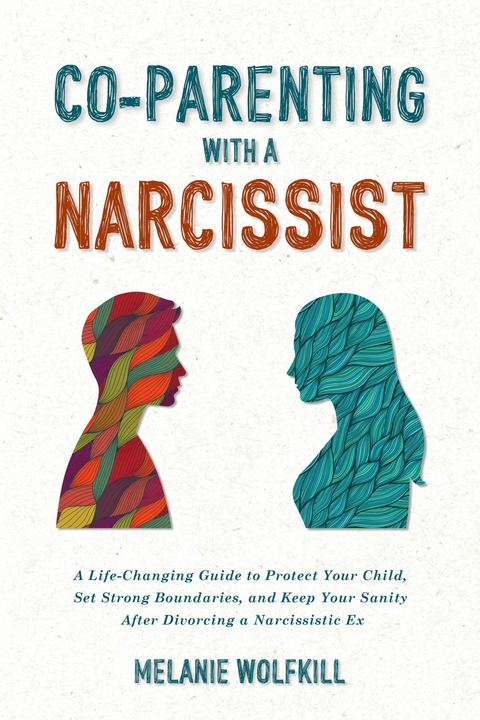
Co-Parenting With a Narcissist (eBook)
197 Seiten
Publishdrive (Verlag)
978-1-78793-801-4 (ISBN)
Are You Ready to Break Free From the Drama and Frustration of Co-Parenting With a Narcissist...?
- Does every conversation with your co-parenting partner end in drama and threats?
- Do you feel helpless to protect your children from the fallout of an angry, arrogant parent?
- Does your co-parent create constant stress and disappointment that leaves your children hurt and confused?
Does any of these situations sound familiar?
- Your ex constantly undermines your parenting decisions.
- Every disagreement escalates into a major conflict.
- You're always walking on eggshells, trying to avoid triggering an outburst.
- Your child is being used as a pawn to manipulate you.
- Attempts at setting boundaries are met with anger or ridicule.
- You're exhausted from the endless mind games and manipulation.
- You worry about your child's emotional well-being and future.
- The stress of co-parenting is taking a toll on your own mental health.
Lose The Drama, Drop Your Toxic Ex, Keep Your Kids Safe
The Practical, Drama-Free Strategies My Clients Use To Co-Parent With Self-Absorbed, Inflexible Parenting Partners
But first a warning:
This book is not a magic solution for those seeking quick fixes. If you're looking for an overnight miracle, this isn't for you. The strategies and insights shared here require time, effort, and honesty with yourself. Lasting change is possible, but it demands dedication and patience. If you're committed to creating a better future for yourself and your child, this guide will be your invaluable companion.
Here's a little sneak preview of what you'll get:
- The 4 Stages of Narcissistic Abuse
- Why Do Narcissists Have Kids ?
- Can Narcissists Be Good Parents?
- The Truth You Can't Share with Your Kids
- 10 Real Ways to Set Boundaries With a Narcissist
- Responding Provocations with the BIFF method
- 7 Steps to Create a Co-Parenting Plan
- Exactly When a Narcissist Turns People Against You
- 22 Ways Narcissists Manipulate You
- How to Handle Narcissists' False Accusations
- 7 Strategies to Destroy a Narcissist in Court
- How To Prevent Your Child From Becoming A Narcissist
- How to Stop the Narcissist from Gaslighting Your Child
- Building a Healthy Relationship After Abuse
Aside from the struggles to maintain a civil relationship, I know you're worried about how growing up with a narcissistic parent is impacting your children.
Here are some of the possible challenges of children who grow up with a narcissistic parent:
- A tendency to seek out partners who are emotionally unavailable, critical or withholding
- Hyper sensitive to the moods of those around them
- Never feeling good enough
- Gain self-worth exclusively from achievements
- Drawn toward drama-laden, roller-coaster relationships - especially with romantic partners
- A sense of being unworthy of love
- A sense of responsibility for the feelings, care and welfare of others
- Rushing to maintain harmony and to soothe others feelings
Don't wait any longer! Take the first step towards a peaceful co-parenting journey.
Are You Ready to Break Free From the Drama and Frustration of Co-Parenting With a Narcissist...?- Does every conversation with your co-parenting partner end in drama and threats?- Do you feel helpless to protect your children from the fallout of an angry, arrogant parent?- Does your co-parent create constant stress and disappointment that leaves your children hurt and confused?Does any of these situations sound familiar?- Your ex constantly undermines your parenting decisions.- Every disagreement escalates into a major conflict.- You re always walking on eggshells, trying to avoid triggering an outburst.- Your child is being used as a pawn to manipulate you.- Attempts at setting boundaries are met with anger or ridicule.- You re exhausted from the endless mind games and manipulation.- You worry about your child s emotional well-being and future.- The stress of co-parenting is taking a toll on your own mental health.Lose The Drama, Drop Your Toxic Ex, Keep Your Kids SafeThe Practical, Drama-Free Strategies My Clients Use To Co-Parent With Self-Absorbed, Inflexible Parenting PartnersBut first a warning: This book is not a magic solution for those seeking quick fixes. If you re looking for an overnight miracle, this isn t for you. The strategies and insights shared here require time, effort, and honesty with yourself. Lasting change is possible, but it demands dedication and patience. If you re committed to creating a better future for yourself and your child, this guide will be your invaluable companion.Here's a little sneak preview of what you ll get:- The 4 Stages of Narcissistic Abuse- Why Do Narcissists Have Kids ?- Can Narcissists Be Good Parents?- The Truth You Can't Share with Your Kids- 10 Real Ways to Set Boundaries With a Narcissist- Responding Provocations with the BIFF method- 7 Steps to Create a Co-Parenting Plan- Exactly When a Narcissist Turns People Against You- 22 Ways Narcissists Manipulate You- How to Handle Narcissists False Accusations- 7 Strategies to Destroy a Narcissist in Court- How To Prevent Your Child From Becoming A Narcissist- How to Stop the Narcissist from Gaslighting Your Child- Building a Healthy Relationship After AbuseAside from the struggles to maintain a civil relationship, I know you re worried about how growing up with a narcissistic parent is impacting your children.Here are some of the possible challenges of children who grow up with a narcissistic parent:- A tendency to seek out partners who are emotionally unavailable, critical or withholding- Hyper sensitive to the moods of those around them- Never feeling good enough- Gain self-worth exclusively from achievements- Drawn toward drama-laden, roller-coaster relationships especially with romantic partners- A sense of being unworthy of love- A sense of responsibility for the feelings, care and welfare of others- Rushing to maintain harmony and to soothe others feelingsDon t wait any longer! Take the first step towards a peaceful co-parenting journey.
Chapter 1:
Understanding Narcissistic Abuse
Have you ever felt that someone in your life makes you feel inadequate, constantly criticized, or manipulated? It might be a colleague, a friend, a partner, or even a family member. This overwhelming feeling of never being enough could be a sign of narcissistic behavior. Understanding narcissism and narcissistic abuse is crucial for recognizing and addressing these toxic dynamics.
Narcissism is not just vanity or self-centeredness; it is a set of behaviors that can have a devastating impact on those around them. Narcissists are characterized by an intense lack of empathy, a sense of superiority, and a never-ending need for admiration. These individuals often view others as tools to satisfy their own desires, disregarding the feelings and needs of others.
There are two primary types of narcissism: grandiose narcissism and vulnerable narcissism. Grandiose narcissism is more easily identifiable; individuals with this type are flashy, confident, and seek attention. In contrast, vulnerable narcissism is subtler and less obvious. People with this type often feel resentful and sullen, and view themselves as victims of life. They believe they deserve more and see the world as unjust. Despite their differences, both types of narcissism are characterized by a lack of empathy and a sense of superiority, but they manifest in distinct ways.
Let me share with you Laura’s story. Laura believed she had the perfect relationship with Mark. At first, he was charming and attentive, but over time, she began to feel increasingly isolated and devalued. Mark constantly criticized her decisions, friendships, and even her appearance. Every attempt to discuss her feelings was met with arrogance or manipulated to make her feel guilty. Laura did not understand what was happening until she discovered the term “narcissistic abuse.”
Narcissistic abuse is a complex and often underestimated phenomenon. It manifests through a series of behaviors that inflict intense psychological harm on the victims, including devaluation, emotional manipulation, isolation, and cold indifference. Victims of narcissistic abuse often feel confused, insecure, and extremely depressed, sometimes developing symptoms similar to post-traumatic stress disorder (PTSD).
One of the greatest challenges in recognizing narcissistic abuse is that narcissists are often highly skilled manipulators. They can present themselves as charming and confident, easily earning the trust and admiration of others. However, behind this facade lies a cold and calculating personality, ready to exploit anyone for their own advantage.
It is important to distinguish between someone with narcissistic traits and someone with narcissistic personality disorder (NPD). NPD is a clinical condition where narcissistic behaviors cause significant distress or impairment in the person’s daily life. Conversely, many people with narcissistic traits do not experience these problems. Often, they achieve success and enjoy social admiration, which can mask their pathology. This makes it particularly challenging to diagnose NPD, as these individuals do not recognize they have a problem and typically attribute difficulties in their relationships to others.
Understanding narcissism and narcissistic abuse is crucial for recognizing these harmful behaviors and protecting oneself. Victims of narcissistic abuse face a challenging journey toward awareness and healing, but the first step is always acknowledging the problem. Only then can they begin to build a healthier life, free from manipulation and abuse.
Realizing that narcissism is a widespread and genuine issue is the first step toward protection and support for victims. Through education and awareness, we can start recognizing the signs of narcissism and narcissistic abuse in our daily lives, paving the way for healthier and more fulfilling relationships.
The 4 Stages of Narcissistic Abuse
Imagine meeting someone who seems like the perfect partner: attentive, affectionate, and completely devoted to you. At first, everything feels like a dream. Then, gradually, the dream transforms into a nightmare. If you find yourself wondering how you ended up in such a situation, you are not alone. This is common for those in relationships with narcissists. Understanding the stages of narcissistic abuse is crucial for recognizing it and breaking free from its destructive cycle.
- Idealization Phase
During the idealization phase, the narcissist captivates their victim through charm and seduction. This stage is marked by lavish attention, continuous praise, and romantic gestures. The narcissist showers the victim with affection and appears to intuitively understand their desires and emotions. It is easy for the victim to be drawn in, feeling deeply flattered and valued in ways they have never experienced. In this whirlwind of positive emotions, the victim’s defenses lower, and they become increasingly reliant on the narcissist.
Throughout this phase, the narcissist dons a facade of perfection, adeptly fulfilling every emotional need of the victim. They arrange romantic outings, bestow unexpected affection, and exhibit seemingly intense empathy. This builds a powerful bond and emotional reliance, obscuring any potential red flags. The idealization phase aims to forge a swift and intense connection, leaving the victim feeling exceptionally cherished and understood.
- Devaluation Phase
The devaluation phase begins when the narcissist believes they have complete control. Affectionate and flattering behaviors give way to criticism and devaluation. Every minor mistake is exaggerated and used to erode your self-esteem. During this phase, the narcissist employs tactics such as gaslighting to sow doubt in your mind and distort your perception of reality. They introduce accusations, manipulations, and mind games, creating a constant sense of inadequacy. Confused and insecure, the victim desperately seeks to regain the narcissist’s approval and affection, often in vain.
In this stage, the narcissist sheds their mask of perfection and reveals their true nature. Criticism becomes more frequent and focused, aimed at undermining the victim’s confidence. They may make disparaging remarks about the victim’s appearance, intelligence, professional capabilities, and social relationships. Additionally, the narcissist may begin isolating the victim from their support network of friends and family, further deepening their dependency on the toxic relationship. Devaluation extends beyond verbal abuse and can include passive-aggressive tactics like giving the silent treatment or displaying obvious indifference.
- Discard Phase
When the narcissist decides you are no longer of use or has found a new source of narcissistic supply, the discard phase begins. This stage can be exceptionally harsh and abrupt. The narcissist abandons you without warning, plunging you into shock and despair. They might vanish from your life without explanation or launch a campaign of false and damaging accusations to tarnish your reputation. Already weakened by the devaluation phase, the victim is now confronted with a brutal and unforeseen rejection.
The discard phase can be meticulously calculated. The narcissist might gradually reduce communication and affection, mentally preparing you for abandonment, or they might disappear overnight, leaving you bewildered and questioning. In more extreme cases, the narcissist may initiate a smear campaign involving mutual acquaintances, family members, and colleagues to further isolate you and safeguard their own image. This tactic aims to dismantle your self-worth and ensure you lack the support network necessary for recovery.
- Repetition Cycle
After the discard phase, narcissists often attempt to re-engage in what is known as “hoovering.” This phase involves using promises of change and temporary displays of affection to draw you back into the abusive cycle. If you relent, you find yourself repeating the cycle of idealization, devaluation, and discard, often with more devastating effects each time. It is a cycle that can feel relentless and daunting to escape.
During “hoovering,” narcissists employ various tactics to persuade you to return, such as sending affectionate letters, giving gifts, making apparent apologies, and declaring endless love. These actions are intended to convince you that the narcissist has truly changed and that this time will be different. However, once back in the relationship, the cycle resumes as usual, and the promises made during “hoovering” quickly fade into the background. The narcissist’s ability to switch between phases of intense affection and cruelty creates an emotional dependence in the victim, who clings to the rare moments of positivity, desperately hoping for a lasting change that rarely materializes.
Recognizing and understanding the stages of narcissistic abuse is essential in the journey toward healing. With adequate support and guidance, breaking free from the cycle of abuse and forging a healthier, happier life, liberated from the manipulations of the narcissist, becomes achievable. Remember, you are not alone on this path. With determination and support, you can reclaim control over your life and pave the way for a brighter future.
The Consequences of Narcissistic Abuse
Narcissistic abuse can inflict extreme and enduring consequences on its victims, affecting them psychologically and behaviorally in significant ways. Understanding these effects is crucial to grasp the severity of the abuse and to seek appropriate support for...
| Erscheint lt. Verlag | 16.5.2025 |
|---|---|
| Sprache | englisch |
| Themenwelt | Sachbuch/Ratgeber ► Gesundheit / Leben / Psychologie ► Familie / Erziehung |
| Sachbuch/Ratgeber ► Gesundheit / Leben / Psychologie ► Partnerschaft / Sexualität | |
| Schlagworte | Custody conflicts and narcissistic behavior • Emotional abuse support for single parents • Gaslighting recovery and mental resilience • Healing after emotional manipulation in family • High-conflict divorce emotional survival tips • Parenting boundaries in toxic situations • Therapy tools for co-parents in distress |
| ISBN-10 | 1-78793-801-8 / 1787938018 |
| ISBN-13 | 978-1-78793-801-4 / 9781787938014 |
| Informationen gemäß Produktsicherheitsverordnung (GPSR) | |
| Haben Sie eine Frage zum Produkt? |
 EPUB (Ohne DRM)
Digital Rights Management: ohne DRM
Dieses eBook enthält kein DRM oder Kopierschutz. Eine Weitergabe an Dritte ist jedoch rechtlich nicht zulässig, weil Sie beim Kauf nur die Rechte an der persönlichen Nutzung erwerben.
Dateiformat: EPUB (Electronic Publication)
EPUB ist ein offener Standard für eBooks und eignet sich besonders zur Darstellung von Belletristik und Sachbüchern. Der Fließtext wird dynamisch an die Display- und Schriftgröße angepasst. Auch für mobile Lesegeräte ist EPUB daher gut geeignet.
Systemvoraussetzungen:
PC/Mac: Mit einem PC oder Mac können Sie dieses eBook lesen. Sie benötigen dafür die kostenlose Software Adobe Digital Editions.
eReader: Dieses eBook kann mit (fast) allen eBook-Readern gelesen werden. Mit dem amazon-Kindle ist es aber nicht kompatibel.
Smartphone/Tablet: Egal ob Apple oder Android, dieses eBook können Sie lesen. Sie benötigen dafür eine kostenlose App.
Geräteliste und zusätzliche Hinweise
Buying eBooks from abroad
For tax law reasons we can sell eBooks just within Germany and Switzerland. Regrettably we cannot fulfill eBook-orders from other countries.
aus dem Bereich