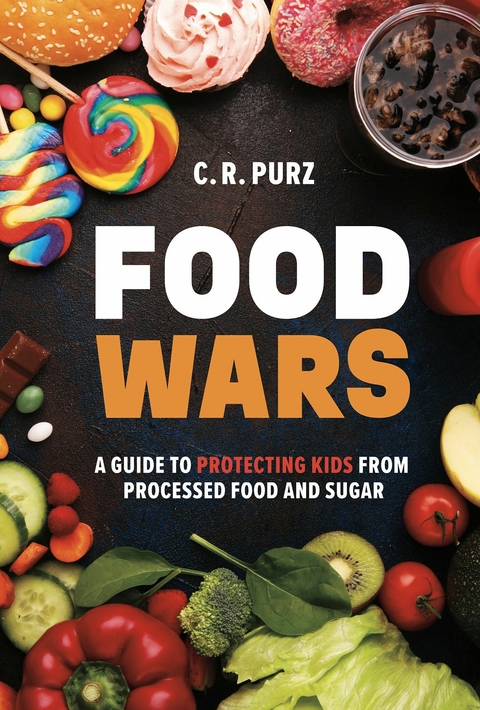
Food Wars: A Guide to Protecting Kids from Processed Food and Sugar (eBook)
144 Seiten
Bookbaby (Verlag)
979-8-3509-6597-1 (ISBN)
C.R. Purz is the author of 'Food Wars: A Guide to Protecting Kids from Processed Food and Sugar' and resides in Florida.
"e;Food Wars"e; aims to shed light on the often-overlooked negative consequences of modern dietary choices. The book meticulously outlines the pervasive presence of unhealthy food options and their detrimental effects on children's health. It emphasizes the crucial role that parents, caregivers, and society play in countering this trend and promoting nutritious eating habits from an early age. This book is not just a collection of research and recommendations but a call to action. It urges parents to reflect on their dietary choices for their children and understand the long-term implications of these decisions. CR Purz provides practical guidance and actionable insights to help parents navigate the complexities of today's food environment. He offers strategies for combating the allure of processed foods and making healthier choices more appealing and accessible to children. Moreover, "e;Food Wars"e; addresses the rising epidemic of diet-related health issues among children, including obesity, diabetes, and behavioral problems. By highlighting these urgent concerns, the book aspires to create a healthier future for the next generation. It serves as a beacon of hope and a source of support for parents who are committed to their children's health. CR Purz's "e;Food Wars"e; is an indispensable resource for anyone concerned about children's health. A must-read for parents, caregivers, educators, and health advocates who are dedicated to nurturing a healthier, brighter future for children.
Chapter 2
Unmasking the Silent Sleeper Agent: The Fructose in Processed Foods
The dietary landscape of modern society is increasingly dominated by processed foods, within which a silent sleeper agent—high fructose—plays a covert yet significant role. This chapter delves deeper into the complexities of fructose as an additive, examining its widespread, yet often unnecessary, addition to a multitude of products and its far-reaching impact on health, particularly in children.
The Infiltration of Fructose
Fructose naturally occurs in fruits, where it is accompanied by fiber, vitamins, and minerals, contributing to the fruit’s nutritional profile. However, the fructose that stealthily infiltrates processed foods is a far cry from its natural counterpart. Extracted and isolated, it becomes a potent sweetener known as high-fructose corn syrup (HFCS). HFCS’s appeal to the food industry is multifaceted: it’s cheaper than natural sugar due to corn subsidies, it extends product shelf life, and its intense sweetness enhances flavor, making products more appealing to consumers.
The use of HFCS skyrocketed in the late twentieth century and is now prevalent in sodas, sweets, bread, cereals, and even less obvious products like ketchup and salad dressings. This widespread use has paralleled and arguably contributed to rising health issues globally. The CDC reports that from 1999 to 2018, the prevalence of obesity in U.S. children and adolescents aged 2 to19 years increased from 13.9 percent to 19.3 percent.
The type of fructose commonly added to foods is typically in the form of High-Fructose Corn Syrup (HFCS) as stated above but the below is further detail on types of HFCS and other forms of high fructose that are added to processed foods:
- High-Fructose Corn Syrup (HFCS): This is the most common form of added fructose in processed foods. It’s made from corn starch and contains varying ratios of fructose to glucose. The two most common forms are:
- HFCS 55: Contains 55% fructose and 45% glucose. This is commonly used in soft drinks.
- HFCS 42: Contains 42% fructose and 58% glucose. This is often used in processed foods and baked goods.
- Crystalline Fructose: This is a more purified form of fructose that’s nearly 100% fructose. It’s sometimes used in beverages and processed foods for added sweetness.
- Agave Nectar: While often marketed as a natural sweetener, agave nectar is highly processed and can contain up to 90% fructose.
- Fruit Juice Concentrates: These are sometimes used as sweeteners and do contain fructose, though they’re often marketed as more natural alternatives to HFCS.
- Invert Sugar: This is a mixture of glucose and fructose produced by splitting sucrose molecules. It’s sometimes used in food manufacturing.
It’s important to note that while fructose occurs naturally in fruits and some vegetables, the fructose added to processed foods is often in concentrated forms like HFCS, which can be consumed in much larger quantities than would be possible through whole fruits. This high concentration and volume of consumption are what contribute to health concerns associated with added fructose in the diet.
Effects on the Body
- Liver Overload and Fat Production: With high-fructose intake, the liver can become overloaded and start turning fructose into fat through a process called lipogenesis. This can lead to the accumulation of liver fat, contributing to non-alcoholic fatty liver disease (NAFLD).
- Insulin Resistance and Type 2 Diabetes: The liver’s conversion of fructose to fat can also cause an increase in the production of triglycerides. High levels of triglycerides can lead to insulin resistance, where the body’s cells become less responsive to insulin. Insulin resistance is a precursor to type 2 diabetes and is associated with increased risk of cardiovascular disease.
- Increased Uric Acid Levels: Fructose metabolism produces uric acid as a byproduct. High levels of uric acid can lead to gout, a type of arthritis characterized by painful inflammation of the joints. Additionally, elevated uric acid levels are associated with increased blood pressure and cardiovascular risk.
- Appetite Dysregulation: Unlike glucose, fructose does not stimulate insulin secretion or enhance leptin production (a hormone involved in regulating hunger and energy balance). This lack of regulatory feedback can lead to increased calorie intake because the body does not receive the usual signals of satiety, potentially contributing to weight gain and obesity.
- Gut Health and Inflammation: Emerging research suggests that excessive fructose consumption may alter the gut microbiota, leading to increased intestinal permeability (leaky gut). This condition can allow endotoxins to enter the bloodstream, triggering inflammation and exacerbating metabolic disorders like insulin resistance and obesity.
Physical Repercussions
The liver metabolizes fructose differently from glucose, the other main sugar found in carbohydrates. Excessive high fructose consumption can lead to an overload of the liver’s metabolic capacity, resulting in increased fat production and storage—a pathway to obesity and insulin resistance. This is particularly concerning for children, whose diets are increasingly high in HFCS. Obesity is not the only concern; studies have shown a significant link between high fructose intake and the development of nonalcoholic fatty liver disease (NAFLD) in children, a condition historically associated with alcohol abuse but now emerging in pediatric populations due to dietary habits.
Mental and Emotional Dimensions
The impact of fructose extends beyond the physical, affecting cognitive function and emotional well-being. Diets high in added sugars impair cognitive abilities, disrupt learning processes, and are linked to lower academic achievement. Furthermore, the volatility of blood sugar levels associated with high-fructose consumption can lead to mood disturbances, exacerbating conditions like anxiety and depression. This is particularly detrimental to children, for whom emotional stability is crucial for developmental and social growth.
Pervasive Yet Unnecessary
The nutritional benefit of added high fructose in processed foods is nil; its inclusion is driven by taste, addiction, and, of course, economics rather than health. For example, fruit-flavored yogurts often contain more HFCS than fruit, misleading consumers about their health value. Such deceptive practices contribute to an environment where excessive sugar consumption is normalized, despite its clear health risks.
Towards a Healthier Path
Combatting the ubiquity of high fructose in processed foods requires informed consumer choices and a shift in dietary habits towards whole, unprocessed foods. By choosing real fruits over fruit-flavored imitations and preparing meals from fresh ingredients, families can significantly reduce their fructose intake. Education plays a crucial role, empowering parents and children to decipher food labels and understand the long-term consequences of their dietary choices.
Here are examples of processed foods and categories where fructose, particularly as HFCS, is frequently added:
Soft Drinks and Sweetened Beverages
- Cola and other sodas: Many popular soda brands use HFCS as a primary sweetener.
- Sweetened iced teas: Bottled or canned iced teas often contain HFCS or other fructose derivatives for sweetness.
- Energy drinks: In addition to caffeine, many energy drinks are high in HFCS, contributing to their sweet taste.
- Fruit-flavored drinks: These beverages, which may contain little to no actual fruit juice, often use HFCS as a cheap sweetener.
Snack Foods and Sweets
- Candy: A wide variety of candies, including gummies, hard candies, and chocolate bars, contain HFCS.
- Packaged snacks: Snack foods like granola bars, flavored popcorn, and fruit snacks frequently list HFCS among their ingredients.
Baked Goods
- Commercially baked breads: Some breads and buns include HFCS, contributing to a slightly sweet taste and improved shelf life.
- Pastries and cakes: HFCS is used in many commercially produced pastries, cakes, and cookies for sweetness and moisture retention.
Condiments and Sauces
- Ketchup: HFCS is a common ingredient in many brands of ketchup, enhancing its sweetness.
- Barbecue sauces: Many barbecue sauces are high in HFCS, contributing to their sweet, tangy flavor profile.
- Salad dressings: Certain sweet or creamy salad dressings use HFCS as a sweetener.
Dairy Products and...
| Erscheint lt. Verlag | 21.9.2024 |
|---|---|
| Sprache | englisch |
| Themenwelt | Sachbuch/Ratgeber ► Gesundheit / Leben / Psychologie |
| ISBN-13 | 979-8-3509-6597-1 / 9798350965971 |
| Informationen gemäß Produktsicherheitsverordnung (GPSR) | |
| Haben Sie eine Frage zum Produkt? |
 EPUB (Ohne DRM)
Größe: 2,7 MB
Digital Rights Management: ohne DRM
Dieses eBook enthält kein DRM oder Kopierschutz. Eine Weitergabe an Dritte ist jedoch rechtlich nicht zulässig, weil Sie beim Kauf nur die Rechte an der persönlichen Nutzung erwerben.
Dateiformat: EPUB (Electronic Publication)
EPUB ist ein offener Standard für eBooks und eignet sich besonders zur Darstellung von Belletristik und Sachbüchern. Der Fließtext wird dynamisch an die Display- und Schriftgröße angepasst. Auch für mobile Lesegeräte ist EPUB daher gut geeignet.
Systemvoraussetzungen:
PC/Mac: Mit einem PC oder Mac können Sie dieses eBook lesen. Sie benötigen dafür die kostenlose Software Adobe Digital Editions.
eReader: Dieses eBook kann mit (fast) allen eBook-Readern gelesen werden. Mit dem amazon-Kindle ist es aber nicht kompatibel.
Smartphone/Tablet: Egal ob Apple oder Android, dieses eBook können Sie lesen. Sie benötigen dafür eine kostenlose App.
Geräteliste und zusätzliche Hinweise
Buying eBooks from abroad
For tax law reasons we can sell eBooks just within Germany and Switzerland. Regrettably we cannot fulfill eBook-orders from other countries.
aus dem Bereich