


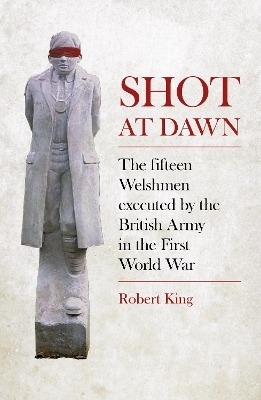
Shot at Dawn
The Fifteen Welshmen Executed by the British Army in the First World War
2014
The History Press Ltd (Verlag)
978-0-7509-5642-0 (ISBN)
The History Press Ltd (Verlag)
978-0-7509-5642-0 (ISBN)
- Titel z.Zt. nicht lieferbar
- Portofrei ab CHF 40
- Auch auf Rechnung
- Artikel merken
Thousands of British soldiers lie in cemeteries clustered around the battle sites of the First World War. Over 3,000 soldiers were sentenced to death by Army Law, for desertion or other petty crimes, and more than 300 of these were blindfolded and shot by their own battalion.
Thousands of British soldiers lie in cemeteries clustered around the battle sites of the First World War. Many of these volunteered for war, not realising trench warfare would be far from a grand adventure, nor that they would never return home. But not all of these were killed by the enemy. Over 3,000 soldiers were sentenced to death by Army Law, for desertion or other petty crimes, and more than 300 of these were blindfolded and shot by their own battalion. Many of the ‘men’ were still teenagers, and faced judgement in a time where shell shock was seen as an excuse for cowardice. They were branded traitors, their deaths covered up and their names forbidden from memorials. Only in 2006, nearly 100 years later, were they finally pardoned. Robert King was part of the campaign to pardon these forgotten men. Here he touches on the lives of fifteen Welshmen history has tried to ignore, and explores what it really meant to be led out and shot at dawn.
Thousands of British soldiers lie in cemeteries clustered around the battle sites of the First World War. Many of these volunteered for war, not realising trench warfare would be far from a grand adventure, nor that they would never return home. But not all of these were killed by the enemy. Over 3,000 soldiers were sentenced to death by Army Law, for desertion or other petty crimes, and more than 300 of these were blindfolded and shot by their own battalion. Many of the ‘men’ were still teenagers, and faced judgement in a time where shell shock was seen as an excuse for cowardice. They were branded traitors, their deaths covered up and their names forbidden from memorials. Only in 2006, nearly 100 years later, were they finally pardoned. Robert King was part of the campaign to pardon these forgotten men. Here he touches on the lives of fifteen Welshmen history has tried to ignore, and explores what it really meant to be led out and shot at dawn.
| Erscheint lt. Verlag | 6.10.2014 |
|---|---|
| Zusatzinfo | 40 Illustrations, black and white |
| Verlagsort | Stroud |
| Sprache | englisch |
| Maße | 129 x 198 mm |
| Themenwelt | Literatur ► Biografien / Erfahrungsberichte |
| Sachbuch/Ratgeber ► Geschichte / Politik | |
| Geschichte ► Allgemeine Geschichte ► Neuzeit (bis 1918) | |
| Geschichte ► Allgemeine Geschichte ► 1918 bis 1945 | |
| Geisteswissenschaften ► Geschichte ► Regional- / Ländergeschichte | |
| Sozialwissenschaften ► Politik / Verwaltung | |
| ISBN-10 | 0-7509-5642-9 / 0750956429 |
| ISBN-13 | 978-0-7509-5642-0 / 9780750956420 |
| Zustand | Neuware |
| Informationen gemäß Produktsicherheitsverordnung (GPSR) | |
| Haben Sie eine Frage zum Produkt? |
Mehr entdecken
aus dem Bereich
aus dem Bereich
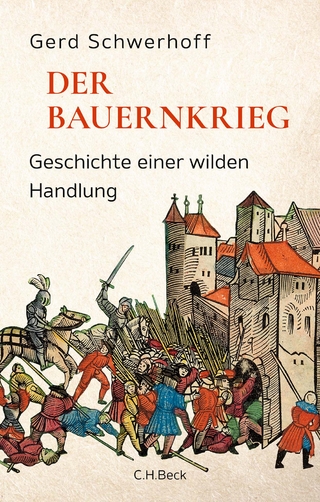
Geschichte einer wilden Handlung
Buch | Hardcover (2024)
C.H.Beck (Verlag)
CHF 47,60


