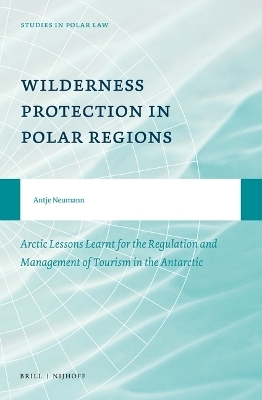
Wilderness Protection in Polar Regions
Martinus Nijhoff (Verlag)
978-90-04-41606-2 (ISBN)
- Keine Verlagsinformationen verfügbar
- Artikel merken
Antarctica’s wilderness values, even though specifically recognized by the Environmental Protocol to the Antarctic Treaty, are rarely considered in practice. This deficiency is especially apparent with regard to a more and more increasing human footprint caused, among others, by a growing number of tourists visiting the region and conducting a broad variety of activities.
On the basis of a detailed study of three Arctic wilderness areas – the Hammastunturi Wilderness Reserve (Finland), the Archipelago of Svalbard (Norway) and the Denali National Park and Preserve (Alaska, United States) – as well as the relevant policies and legislation in these countries, Antje Neumann identifies numerous ‘lessons learnt’ that can serve as suggestions for improving the protection of wilderness in Antarctica.
Antje Neumann holds a Ph.D. from Tilburg University. As a lawyer trained in Germany, she has specialized in Antarctic and Arctic Law and works as Assistant Professor at the School of Humanities and Social Sciences at the University of Akureyri. Concerning Polar Law issues, she has published several book chapters, journal articles and policy briefings.
Acknowledgements
List of Illustrations
Abbreviations
1 Introduction to and Objective of This Research
1Introduction
2Aim of this Research
3Scope, Limitations and Methodology
3.1Scope and Limitations
3.2Methodology, Working Approaches and Selection of Wilderness Case Studies
4Structure
2 The Wilderness Concept and Its Relevance to the Polar Regions
1Introduction
2Meanings, Perceptions and Values of Wilderness
2.1The Word’s Meaning
2.2Early Perceptions of Wilderness – from Prehistoric Times until the 19th Century
2.3Wilderness Values from Different Perspectives – Increasing Valuation of Wilderness in the 20th Century
3Wilderness Movements, Designations, Laws and Policies
3.1Responding to the ‘ills’ of Civilization – the Evolvement of Wilderness Preservation Movements Worldwide
3.2First Models of Wilderness Protection, Their Objectives and Motivations
3.3Wilderness Protection in Law and Policy – Instrumental Values Still Prevail
4Downsides of the Wilderness Concept
4.1Criticism from Various Angles
4.2Exclusionary Approaches towards Indigenous and Other Local Inhabitants
4.3Arctic Indigenous Peoples and their Experiences with the Wilderness Concept
3 Wilderness Protection in Antarctica
1Antarctica – an Introduction
1.1Some General Characteristics in Terms of Size, Climate, Flora and Fauna
1.2Human Presence and Activities in Antarctica
1.3General Legal Framework
2Wilderness of Antarctica
2.1Human Ideas of Antarctica’s Wilderness
2.2Wilderness Perceptions Studied
2.3Antarctica’s Wilderness Qualities
3Development of Tourism and Non-governmental Activities in Antarctica
3.1Development in Numbers
3.2Development of Most Visited Sites
3.3Increasing Diversity
3.4Tourism Related Infrastructure
3.5Impacts of Tourism on Antarctica’s Wilderness
4The Protection of Wilderness in Antarctica in Terms of Tourism and other Non-governmental Activities
4.1The Evolvement of Wilderness Protection in Antarctica within the Antarctic Treaty System
4.2Wilderness Protection under the Environmental Protocol and its Annexes
4.3Regulations with Specific Regard to Antarctic Tourism and Non-governmental Activities
4 Finland
1Hammastunturi – The Area of Study
1.1Some General Characteristics in Terms of Geography, Climate, Flora and Fauna
1.2Human Settlement and Natural Resource Use
1.3General Legal Framework
2Wilderness of Hammastunturi
2.1Finnish Ideas of Wilderness
2.2Perceptions of Wilderness
2.3Hammastunturi’s Wilderness Qualities
3Development of Tourism and Non-governmental Activities
3.1Tourism Development in Lapland
3.2Specifications Towards the Hammastunturi Area
3.3Impacts of Tourism on Hammastunturi’s Wilderness
4The Protection of Wilderness in the Hammastunturi Area in Terms of Tourism and Non-governmental Activities
4.1Policy and Legal Protection of Hammastunturi’s Wilderness – The Main Setting
4.2Regulations with Specific Regard to Tourism and Non-governmental Activities
5 Norway
1Svalbard – The Area of Study
1.1Some General Characteristics in Terms of Geography, Climate, Flora and Fauna
1.2Human Settlement and Natural Resource Use
1.3General Legal Framework
2Wilderness of Svalbard
2.1Norwegian Ideas of Wilderness
2.2Perceptions of Svalbard’s Wilderness
2.3Svalbard’s Wilderness Qualities
3Development of Tourism and Non-governmental Activities in Svalbard
3.1Development in Numbers
3.2Development of Most Visited Sites
3.3Increasing Diversity
3.4Tourism Related Infrastructure
3.5Impacts of Tourism on Svalbard’s Wilderness
4The Protection of Wilderness in Svalbard in Terms of Tourism and Non-governmental Activities
4.1Policy and Legal Protection of Svalbard’s Wilderness – The Main Setting
4.2Regulations with Specific Regard to Tourism and Non-governmental Activities
6 United States
1Denali – The Area of Study
1.1Some General Characteristics in Terms of Geography, Climate, Flora and Fauna
1.2Human Settlement and Natural Resource Use
1.3General Legal Framework
2Wilderness of Denali
2.1Alaska’s Wilderness in Distinction to the Lower 48 Wilderness
2.2Perceptions of Denali’s Wilderness
2.3Denali’s Wilderness Qualities
3Development of Tourism and Non-governmental Activities in Denali
3.1Development in Numbers
3.2Development of Most Visited Sites
3.3Increasing Diversity
3.4Tourism Related Infrastructure
3.5Impacts of Tourism on Denali’s Wilderness
4The Protection of Wilderness in Denali in Terms of Tourism and Non-governmental Activities
4.1Policy and Legal Protection of Denali’s Wilderness – The Main Setting
4.2Regulations with Specific Regard to Tourism and Non-governmental Activities
7 Conclusion and Lessons Learnt
1Summary of Wilderness Protection Approaches in the Polar Regions
1.1Wilderness in the Polar Regions – A Still Abundant but Diminishing Quality
1.2Tourism – A Prospering Industry in the Arctic and the Antarctic
1.3Wilderness Protection Recognized in the Policy and Legal Contexts of Polar Regions
2Analysis and Comparison of Wilderness Protection Approaches in the Polar Regions
2.1The Relevance of Area Protection and Environmental Impact Assessment to Wilderness Protection in the Antarctic and the Arctic Case Study Areas
2.2Regulations with Specific Regard to Tourism and Non-governmental Activities and the Consideration of Wilderness Protection in this Context
3Lessons Learnt for Wilderness Protection in the Antarctic
3.1Wilderness Quality Assessments
3.2Measures Towards Tourism and Non-governmental Activities
3.3Conditions for Taking Wilderness Protection Measures in the Antarctic Context
3.4Chances and Challenges for Realisation
4Questions and Issues to be Addressed in Future
Bibliography
Index
| Erscheinungsdatum | 17.04.2020 |
|---|---|
| Reihe/Serie | Studies in Polar Law ; 2 |
| Sprache | englisch |
| Maße | 155 x 235 mm |
| Gewicht | 935 g |
| Themenwelt | Recht / Steuern ► EU / Internationales Recht |
| Recht / Steuern ► Öffentliches Recht ► Völkerrecht | |
| ISBN-10 | 90-04-41606-4 / 9004416064 |
| ISBN-13 | 978-90-04-41606-2 / 9789004416062 |
| Zustand | Neuware |
| Informationen gemäß Produktsicherheitsverordnung (GPSR) | |
| Haben Sie eine Frage zum Produkt? |
aus dem Bereich