


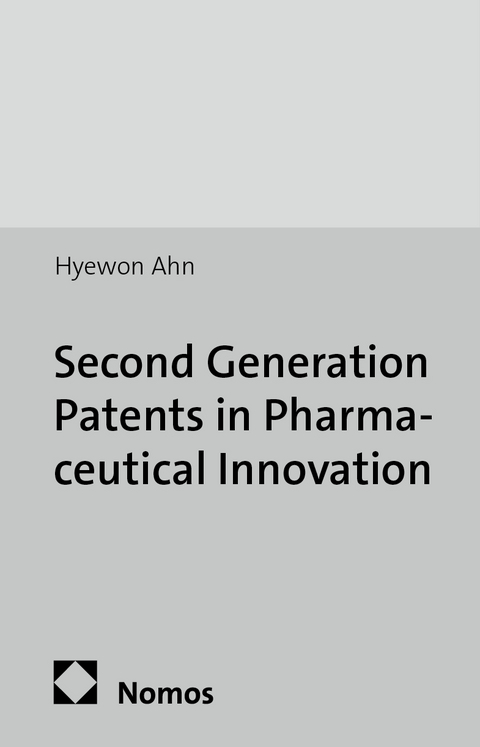
Second Generation Patents in Pharmaceutical Innovation
Seiten
Es werden Befürchtungen laut über einen Mangel an neuen Medikamenten und den drastischen Anstieg der Anzahl von Patenten der zweiten Generation. Dieses Buch analysiert, ob das Patentsystem etwas mit diesem Phänomen zu tun hat, und wenn ja, ob und wie sich im Hinblick auf eine bedarfsgerechte Arzneimittelversorgung die Situation zwischen Pharma-Unternehmen und der Gesellschaft verbessern kann.
The development of new medications and improvements thereof are crucial to ensure continued gains in health. The development process is long and costly, and mainly to produce the information to meet high regulatory requirements. In contrast, imitation involves negligible costs and much reduced risks. This is one of the reasons the pharmaceutical industry depends greatly on patent protection. Despite the existing patent system, however, the number of new medications per year has decreased, especially during the last decade. In comparison, the number of second generation patents and products has been drastically increased. This industry is accused both of neglecting its real mission of providing new medications while generating second generation products, and of preventing the entry of generics. The dissertation reviewed whether the concerns are justified, and, if so, whether or how the patent system can improve the situation that confronts pharmaceutical companies and society.
The development of new medications and improvements thereof are crucial to ensure continued gains in health. The development process is long and costly, and mainly to produce the information to meet high regulatory requirements. In contrast, imitation involves negligible costs and much reduced risks. This is one of the reasons the pharmaceutical industry depends greatly on patent protection. Despite the existing patent system, however, the number of new medications per year has decreased, especially during the last decade. In comparison, the number of second generation patents and products has been drastically increased. This industry is accused both of neglecting its real mission of providing new medications while generating second generation products, and of preventing the entry of generics. The dissertation reviewed whether the concerns are justified, and, if so, whether or how the patent system can improve the situation that confronts pharmaceutical companies and society.
| Erscheint lt. Verlag | 27.6.2014 |
|---|---|
| Reihe/Serie | Munich Intellectual Property Law Center – MIPLC ; 19 |
| Sprache | englisch |
| Maße | 153 x 227 mm |
| Gewicht | 527 g |
| Themenwelt | Recht / Steuern ► Wirtschaftsrecht ► Urheberrecht |
| Schlagworte | Arzneimittelrecht • Arzneimittelrecht (AMR) • Gewerblicher Rechtsschutz • Markenrecht • Patentrecht • Patentrecht (PatR) • Urheberrecht / Gewerblicher Rechtsschutz und Medie • Urheberrecht / Gewerblicher Rechtsschutz und Medienrecht |
| ISBN-10 | 3-8487-0874-4 / 3848708744 |
| ISBN-13 | 978-3-8487-0874-1 / 9783848708741 |
| Zustand | Neuware |
| Informationen gemäß Produktsicherheitsverordnung (GPSR) | |
| Haben Sie eine Frage zum Produkt? |
Mehr entdecken
aus dem Bereich


aus dem Bereich
gewerblicher Rechtsschutz, Urheberrecht, Wettbewerbsrecht
Buch | Softcover (2025)
UTB (Verlag)
CHF 82,55
Kommentar zu Urheberrechtsgesetz, Verlagsgesetz, Neu: …
Buch | Hardcover (2024)
Kohlhammer (Verlag)
CHF 479,95


