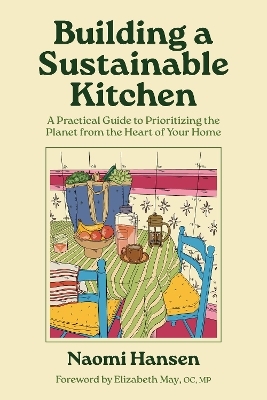
Building a Sustainable Kitchen
Touchwood Editions (Verlag)
978-1-77151-473-6 (ISBN)
- Noch nicht erschienen (ca. Juli 2026)
- Versandkostenfrei
- Auch auf Rechnung
- Artikel merken
"A refreshing, down-to-earth guide that cuts through the noise and brings clarity to the conversation around sustainability at home. With a thoughtful, evidence-based approach, Naomi empowers everyday Canadians to take practical steps toward a greener kitchen, without guilt or overwhelm." —Lori Nikkel, Chief Executive Officer of Second Harvest
Building a Sustainable Kitchen is the thoroughly researched and realistic step-by-step guide every climate-conscious cook needs to make the heart of their home more planet-friendly.
When Canadian food writer Naomi Hansen first started a “sustainability” blog, she was overwhelmed by conflicting advice, shiny advertisements, unrealistic recommendations, and a culture of shame. Building a Sustainable Kitchen is her antidote: a solutions-focused, no-nonsense guide designed to help you cut through disinformation and greenwashing to make your kitchen truly sustainable, one step at a time.
In each chapter, Naomi invites you on her journey to build a planet-friendly kitchen, with help from her husband Paul and their dog Rue. Drawing on wisdom from hundreds of expert interviews, academic studies, books, and more, as well as on the author's own experience as a regular Canadian in her humble kitchen, Building a Sustainable Kitchen demystifies the science behind how what we do in the kitchen every day affects our Earth, and most importantly, shows you what you can do about it.
Each chapter contains a wealth of flexible recommendations for achievable, evidence-based changes that make a real impact for the planet. Chapters on reducing food waste, understanding plant-based, local, seasonal, and organic eating, and gardening teach us about the food on our plates. Chapters on the potential and pitfalls of composting and recycling, learning what it really means to send waste to a landfill, and navigating the nitty gritty of disposable and reusable items help us reduce garbage and grow toward a circular economy. From water use, to cleaning, to choosing appliances, to our beloved coffees and teas, Building a Sustainable Kitchen leaves no stone unturned. This heartfelt, practical guide proves that building a sustainable kitchen is not just possible, but that it can also be joyful and transformative.
Naomi Hansen is an author, writer, and editor. Her first book, Only in Saskatchewan (2022) was the winner of two 2023 Saskatchewan Book Awards—the First Book Award and the Book of the Year Award. She is a regular contributor for many publications, including Canadian Living and Chatelaine, and is also the Saskatoon Bites food columnist for CBC Saskatchewan. When she's not writing, Naomi enjoys reading, cooking, hiking, and travelling. She lives on Treaty 6 Territory in Saskatoon, Saskatchewan with her partner, Paul, and their dog, Rue. Elizabeth May is an Officer of the Order of Canada, a politician, environmental activist, lawyer, author, Member of Parliament, and Leader of the Green Party of Canada. She served as a policy advisor to the government of Prime Minister Brian Mulroney and, in 2011, she became the first Green Party Member elected to the House of Commons. May has served as leader of the Green Party from 2006 to 2019, co-leader of the party from 2022–2025, and is once again the sole leader as of February 2025.
Table of Contents
Foreword by Elizabeth May, Member of Parliament, Leader of the Green Party of Canada
Introduction
My Journey to Building a Sustainable Kitchen
Understanding Sustainability
Understanding Climate Change
Why Food and Kitchens
But Does Individual Action Really Matter?
How to Use This Book
The Journey Begins
Chapter 1: Food Waste
What Is Food Waste and Why Does It Even Matter?
What Food Waste Costs Us
What Food Waste Costs the Planet
What You Can Do
Take Stock: Build Awareness of Your Food Waste Habits
Take Stock Again: Check In with Your Fridge, Freezer, and Pantry Regularly
Plan Ahead, at the Store and at Home
Understand Best-Before Dates
Improve Your Food Storage Habits
Table: Consumer Best Before Timetable
Be Mindful of Food Waste Beyond Your Dinner Table
Takeaways
Chapter 2: Low-Waste Cooking
What You Can Do
Learn to Cook Intuitively with What You Have
Get Comfortable Substituting
Use Foods in Their Entirety
Find "Anything Goes" Recipes That Work for You
Repurpose Leftovers to Create Something Even Better
Takeaways
Chapter 3: What We Eat
The Impact of the Global Food System
Plant-Based and Animal-Based Foods by the Numbers
Chart: Greenhouse Gas Emissions Across the Supply Chain
Beef and Other Ruminant Animals
What About Local or Sustainably Raised Food? How About Packaging?
Chart: Global Greenhouse Gas Emissions from Food Production
What About Fish and Seafood?
What About Dairy
The Prominence of Animal-Based Foods in Society
The Impacts of Plant-Based Foods
What You Can Do
Shift Toward a Plant-Based Diet
Take stock of Your Starting Point
Invite Your Loved Ones into the Process
Set Reasonable Goals
Start with What's Easiest for You
Learn to Cook with Plant-Based Protein
Prioritize Progress over Perfection and Reflect on the Process
Takeaways
Chapter 4: Local, Seasonal, Organic
Eating Local
Eating Seasonal
Why Eat Local and Seasonal?
Eating Sustainably Looks Different in Every Climate
Eating Organic
What Makes Food Organic?
Is Eating Organic More Sustainable?
What You Can Do
Reframe How You Think About Local and Seasonal Food
Visit a Farmers' Market Near Your
Subscribe to a CSA or Local Food Box
Buy Your Animal-Based Foods Local and Organic
Find Your Region's Unique Ways to Source and Support Local, Seasonal, and Organic
Takeaways
Chapter 5: Grocery Shopping
The Principles Behind Sustainable Grocery Shopping
What You Can Do
Create a Reusable Grocery Shopping Kit
Find a Bulk Bin Store Near You
Shop at a Zero-Waste Grocery Store
Buy in Bulk to Save on Packaging
Visit Individual Local Businesses
Subscribe to a Food-Saving Produce Box
Shop more Sustainably at a Conventional Grocery Store
Bonus: Apply These Principles to Everything You Buy
Takeaways
Sidebar: Does Sourcing Food Sustainably Cost More?
Chapter 6: Composting
How Does Composting Work?
Why Composting Helps Create a More Circular System
What You Can Do
Use Your Curbside Organics Collection Program—and Use it Well
Advocate for an Organics Program Near You
Choose a Home Composting Option
Bonus: Understand Compostable Plastics—but Keep Them out of Your Compost
Takeaways
Chapter 7: Recycling
A Brief History of Recycling
What Is Mechanical Recycling?
Which Materials Recycle Well?
The Challenge of Recycling Plastic
Types of Plastic—and How They Affect Recycling
The Economics of Recycling Plastic
The Challenges of Composite Plastics
Understanding Recycling Labels
Our Obsession With Recycling
What You Can Do
Go on a Recycling Tour
Follow the Waste Hierarchy: Reduce, Reuse, Then Recycle
Use the Recycling Services Available to You—and Use Them Well
Do Your Homework for Hard-to-Recycle Items
Takeaways
Chapter 8: Garbage
Defining Waste
A Brief History of Garbage
The Grim Reality of Landfills
Linear Versus Circular Systems
The Zero-Waste Hierarchy
What You Can Do
Replace Garbage with Landfill in Your Vocabulary
Take Stock: Do a Kitchen Garbage Inventory
Make Less Garbage
Consider Your Garbage Bag
Takeaways
Sidebar: My Experience Making Less Garbage—and the Limits of Individual Action
Chapter 9: Disposables and Reusables
Are Reusable Items Always More Sustainable?
The Zero-Waste Hierarchy: Zooming In on Refuse and Reduce
What You Can Do
Refuse: Use Up What You Already Have—and Then See What Happens
Implement the Zero-Waste Hierarchy in Your Kitchen
The Waste Hierarchy Categories
Learning to Think Zero Waste
Aluminum Foil and Pans
Dinnerware
Drink Receptacles
Paper Baking Products
Paper Napkins
Paper Towel
Plastic Wrap of Cling Wrap
Plastic Zip-Top Bags
Straws
Wax Paper
Takeaways
Sidebar: Share What Your Have
Chapter 10: Plastics
What Even Is Plastic? When Was It Created?
What Happens to Plastic Once It Becomes Waste?
Microplastics, Chemicals, and Us
Why Avoid Plastics
What You Can Do
Take Stock: Do a Plastics Inventory in Your Kitchen
Reduce and Avoid Plastics Moving Forward
Takeaways
Chapter 11: Coffee and Tea
The Environmental Impacts of Coffee
The Environmental Impacts of Tea
A Sustainable Morning Cuppa
What You Can Do
Buy Coffee and Tea That are More Sustainable
Take Stock: Clean Up Your Home Coffee and Tea Routine
Deliberately Reject Disposable Coffee Culture
Takeaways
Chapter 12: Gardening
Building My Sustainable Garden
What You Can Do
Start a Garden
Take Care of the Soil
Say No to Synthetic Pesticides and Fertilizers
Harvest Rainwater
Don't Buy a Bunch of New Garden Stuff
Consider End-of-Season Practices
Bonus: Rewild Your Green Space Using Native Plants
Takeaways
Chapter 15: Water
Water Use in Canada
What You Can Do
Waste Less Water When You Cook
Put Thought into Your Drinking Water
Check Your Kitchen Sink and Tap
Consider Your Dishwashing Habits
Takeaways
Chapter 14: Cleaning
What You Can Do
Take Stock: Do an Inventory of Your Kitchen Cleaning and Dish Products
Opt for Greener Cleaners
Try Cleaning with Household Ingredients
Evaluate Your Dish Soap
Evaluate Your Cleaning and Dishwashing Supplies
Takeaways
Chapter 15: Appliances
Appliances and Energy Consumption
Renewable Energy
What You Can Do
Use the Appliances You Already Have More Efficiently
Check for Phantom Power
Buy Large Appliances That Are Energy Efficient
Buy Small Appliances and Kitchen Gear Sparingly and Thoughtfully
Repair Your Appliances
Implement the Waste Hierarchy for End of Life
Takeaways
What’s Next? Building Sustainability Beyond the Kitchen
Sustainability in an Unsustainable Culture
The Most Sustainable Actions Are Not Always What They Seem
Individuals Can Make Sustainable Choices, but Systems Need to Catch Up
Sustainability Is an Ongoing Choice
What Is the Most IMpactful Action You Can Take From This Book?
What More Can You Do?
The Future Is in Our Hands
Acknowledgements
Resource List
Bibliography
List of Interviewees
List of Figures
Index
| Erscheint lt. Verlag | 29.7.2026 |
|---|---|
| Vorwort | OC May MP Leader of the Green Party of Canada Elizabeth |
| Zusatzinfo | Simple line drawings for chapter openers |
| Verlagsort | Victoria |
| Sprache | englisch |
| Maße | 152 x 228 mm |
| Themenwelt | Sachbuch/Ratgeber ► Freizeit / Hobby ► Heimwerken / Do it yourself |
| Sachbuch/Ratgeber ► Gesundheit / Leben / Psychologie ► Lebenshilfe / Lebensführung | |
| Schulbuch / Wörterbuch ► Lexikon / Chroniken | |
| Mathematik / Informatik ► Informatik ► Theorie / Studium | |
| Naturwissenschaften ► Biologie ► Ökologie / Naturschutz | |
| ISBN-10 | 1-77151-473-6 / 1771514736 |
| ISBN-13 | 978-1-77151-473-6 / 9781771514736 |
| Zustand | Neuware |
| Informationen gemäß Produktsicherheitsverordnung (GPSR) | |
| Haben Sie eine Frage zum Produkt? |
aus dem Bereich