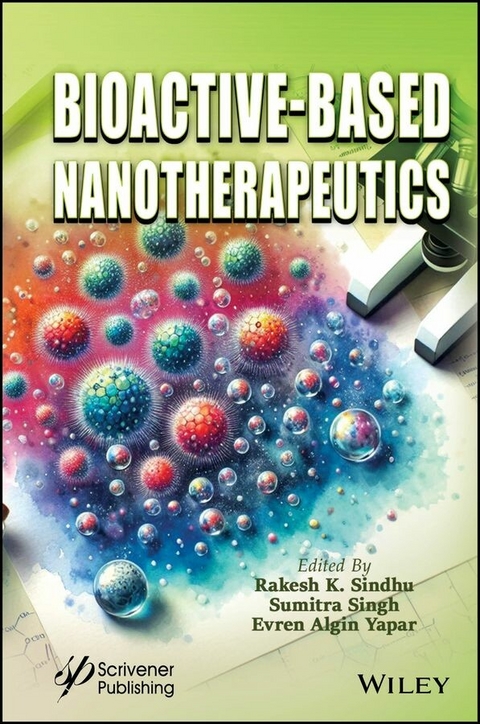
Bioactive-Based Nanotherapeutics (eBook)
1097 Seiten
Wiley-Scrivener (Verlag)
978-1-394-28732-1 (ISBN)
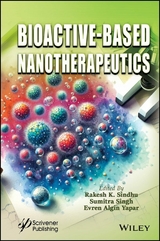
The book provides essential insights into the revolutionary potential of nanotechnology in medicine, exploring innovative approaches that harness natural materials for targeted and effective disease management.
Nanotechnology has emerged as an innovative field with the potential to transform various sectors, including medicine and allied health sciences. Bioactive nanotherapeutics, a specific area within nanotherapeutics, utilizes natural materials or biomimetic designs to offer distinct advantages such as targeted drug delivery, biocompatibility, and improved therapeutic efficacy. These bioactive-based nanotherapeutics are used in the treatment and management of various diseases.
Bioactive-Based Nanotherapeutics explores this rapidly growing field of therapeutics. It presents a broad overview of the fundamentals of bioactive nanomaterials, their design strategies, and their therapeutic applications. Leading experts from different disciplines have contributed chapters that explore a diverse range of topics, including the basics of bioactive nanotherapeutics, isolation methods of different bioactive compounds, and formulation developments. This volume addresses the importance of nanotechnology for the treatment and management of different diseases, including nasal, gastrointestinal, rectal, and transdermal diseases.
Readers will find the book:
- Provides scientific research and evidence that supports the effectiveness of bioactive-based nanocarriers in treating diseases;
- Explores actionable steps and real-life scenarios to illustrate the practical benefits;
- Provides a comprehensive guide that explains the holistic approach, explaining health-related applications of bioactive-based nanoformulations.
Audience
Pharmacists, biologists, chemists, doctors, academics, and industry professionals interested in holistic and bioactive-based methods for disease treatment.
Rakesh K. Sindhu, PhD is a professor and a research and development co-coordinator in the School of Pharmacy at Sharda University, India, with 16 years of experience. He has filed 20 patents, five of which have been granted. He has also published over 90 papers in reputed journals, ten papers in international conferences, 30 in national conferences, eight books, and 25 book chapters. His research interests include pharmacological evaluation of herbal drugs and products, nanoformulation development and evaluation, standardization of herbal products, and phytochemical screening.
Sumitra Singh, PhD is as a professor and dean in the Department of Pharmaceutical Sciences at the Guru Jambheshwar University of Science and Technology, India, with over 23 years of research and teaching experience. She has published over 50 research papers in reputed national and international journals, three books, and five book chapters. She has also filed five patents. Her expertise is in standardization, pharmacological evaluation, and formulation development of herbal drugs and natural products.
Evren Algin Yapar, PhD is a professor, vice dean, and Head of the Department of Pharmaceutical Technology at Sivas Cumhuriyet University, Turkey. She is a member of the National Accreditation Council for Pharmacy Education and a several associations and professional organizations in addition to serving on several advisory and refer boards for international journals. She is involved in research regarding drug design and delivery, nanomaterials and carrier systems, cosmetics, herbal sources, and products.
The book provides essential insights into the revolutionary potential of nanotechnology in medicine, exploring innovative approaches that harness natural materials for targeted and effective disease management. Nanotechnology has emerged as an innovative field with the potential to transform various sectors, including medicine and allied health sciences. Bioactive nanotherapeutics, a specific area within nanotherapeutics, utilizes natural materials or biomimetic designs to offer distinct advantages such as targeted drug delivery, biocompatibility, and improved therapeutic efficacy. These bioactive-based nanotherapeutics are used in the treatment and management of various diseases. Bioactive-Based Nanotherapeutics explores this rapidly growing field of therapeutics. It presents a broad overview of the fundamentals of bioactive nanomaterials, their design strategies, and their therapeutic applications. Leading experts from different disciplines have contributed chapters that explore a diverse range of topics, including the basics of bioactive nanotherapeutics, isolation methods of different bioactive compounds, and formulation developments. This volume addresses the importance of nanotechnology for the treatment and management of different diseases, including nasal, gastrointestinal, rectal, and transdermal diseases. Readers will find the book: Provides scientific research and evidence that supports the effectiveness of bioactive-based nanocarriers in treating diseases; Explores actionable steps and real-life scenarios to illustrate the practical benefits; Provides a comprehensive guide that explains the holistic approach, explaining health-related applications of bioactive-based nanoformulations. Audience Pharmacists, biologists, chemists, doctors, academics, and industry professionals interested in holistic and bioactive-based methods for disease treatment.
1
Basics of Nano-Bioactive Compounds and Their Therapeutic Potential
Jannat ul Firdaus1, Sumitra Singh2 and Rakesh K. Sindhu3*
1School of Pharmacy, Sharda University, Gr. Noida, Gautam Buddha Nagar, Uttar Pradesh, India
2Department of Pharmaceutical Sciences, Guru Jambheshawar University of Science and Technology, Hisar, Haryana, India
3Department of Pharmaceutical Sciences, Guru Jambheshwar University of Science and Technology, Hisar, Haryana, India
Abstract
In a broad way, bioactive compounds can be classified into two forms, essential and nonessential compounds obtained from nature, and are a part of the food chain. Bioactive compounds carry numerous health benefits for the body that promotes good health. Nowadays, these compounds are studied as they prevent many dreadful diseases such as malignant tumors, and cardiovascular disease. These compounds also show free radical scavenging properties and antiphlogistic properties, immunomodulatory potential, as well as antimicrobial properties. These compounds are chemically unstable, susceptible to oxidation, and insoluble in body fluids; therefore, their delivery is a cause of concern. Plant-based bioactive compounds impart therapeutic effects and adverse effects on humans and animals. There is an extensive range of advantages of bioactive compounds in food technology, plant science, geoscience, plant science, biophysical and computational sciences, agrochemicals, cosmetics, and nanobioscience. Bioactive compounds include terpenoids, polyphenols, alkaloids, and other nitrogen-containing compounds. These are generally secondary metabolites. This chapter includes an introduction, medicinal uses of bioactive compounds, extraction techniques, carrier approach for bioactive compounds, and therapeutic potential of nano-bioactive compounds. Diet provides proper nutrients to cover the metabolic requirements and also improves human health.
Keywords: Bioactive compounds, health, nanotherapeutics, nanobioscience, toxicological effects
1.1 Introduction
Bioactive compounds, rich in nature, are molecules with significant impacts on living organisms across plants, animals, and microorganisms. These compounds, various in structure and function, play pivotal roles in biological processes and good health benefits. Various groups of bioactive compounds are phytochemicals, microbial toxins, nutraceuticals, and secondary products. A wide range of biological roles are played by bioactive compounds such as antioxidant, anti-inflammatory, antimicrobial, and anticancer properties. Phytochemicals, such as flavonoids and alkaloids, contribute to plant characteristics and provide health benefits, whereas nutraceuticals offer health advantages beyond basic nutrition [1]. Microbial and secondary metabolites, including antibiotics and plant-derived compounds, hold therapeutic promise. Ongoing research continues to uncover the multifaceted functionalities of natural biologically active compound, facilitating the production of pharmaceuticals and nutraceuticals to enhance human health and well-being. Various plant sources from which bioactive compounds can be obtained are fruits, vegetables, seaweeds, herbs, broccoli, carrots, and cereals. These compounds possess anti-inflammatory and antioxidant potential. These are the secondary metabolites that have health-promoting effects. Bioactive compounds have a diverse range of pharmacological activity as a remedy to treat various disorders. An extensive range of these compounds is available, which can be mainly obtained from plants, vegetables, and whole grains [2], as shown in Figure 1.1.
Figure 1.1 Various types of bioactive compounds.
1.2 Therapeutic Potential of Bioactive Compounds
Bioactive compounds affect living organisms, tissues, or cells. They are generally sold as dietary supplements [3, 4]. Bioactive compounds may be found in various natural foods. These compounds are used to improve health and chronic disease prevention as mentioned in Figure 1.2. Sources for obtaining bioactive compounds are plant, animal, and synthetic way [5, 6]. There is a wide range of therapeutic potentials of bioactive compounds in the extracts and compounds in the anticancer, antidiuretic, antipyretic, free radical scavengers, treat bacterial infections, anti-convulsant, prevention of blood clots [7].
Figure 1.2 Therapeutic application of bioactive compounds.
1.2.1 Alkaloids
Alkaloids have basic nitrogen atoms in their structure, they are mainly amines. Alkaloids can be obtained from plant families such as Solanaceae, Ranunculaceae, Papaveraceous, and Amaryllidaceae. Lysine, ornithine, terpenoid, and polyketide pathways are different pathways by which alkaloids can be obtained [8]. Natural alkaloids include vincristine, hydroxy camptothecin, and ligustrazine. The molecular weight of alkaloids is less than 1 kDa. Alkaloids can be obtained from the stem, root, rhizome, fruit, and bark of medicinal plants [9].
1.2.1.1 Medicinal Use of Alkaloids as Bioactive Molecule
Strychnine, quinine, and nicotine are some well-known alkaloids that have beneficial effects.
Alkaloids possess many pharmacological consequences such as reducing myocardial damage, reducing inflammation, anaesthetics, and antiviral [10].
1.2.2 Antibiotics
Medicines that are used to treat bacterial infections are antibiotics. Antibiotics hamper bacterial growth. Pathogens including prions, viruses, parasites, bacteria, protozoa, worms and mould cause infectious diseases. Through the cardiovascular system, infectious microorganisms spread throughout the body. Bone marrow plays a crucial role in eliminating these deadly pathogens. In reducing the side effects of drugs, resistance, and cost of treatment antimicrobial nanoparticles play a very important role [11].
1.2.2.1 Medicinal Use of Antibiotics as Bioactive Molecule
Bioactive comopounds are used as antibiotics to treat various diseases like Pneumonia, typhoid fever, or gonorrhea [12].
1.2.3 Mycotoxins
Mycotoxins are naturally producing toxins, found in food and cause kidney damage and DNA damage on exposure, resulting into death. Mycotoxins have some pharmacological properties, which act as antibiotics and growth promotants [13].
1.2.3.1 Medicinal Use of Mycotoxins as Bioactive Molecule
1.2.4 Growth Factors
Growth factors are a large group of bioactive macromolecular drugs used for peripheral nerve injuries. Growth factors play an important role in nerve regeneration, which includes nerve cell growth and survival, regeneration of axon and myelin sheath, cell differentiation, and angiogenesis [14].
1.2.4.1 Medicinal Use of Growth Factors as Bioactive Compounds
Growth factors are macromolecules that promote cell survival and proliferation, and they also treat peripheral nerve injuries [14].
1.2.5 Phenolics
Phenolics also known as phenol carboxylic acids are a plant-based phenolic compound found in many plant source foods such as seeds, fruit peel, and vegetable leaves [15].
1.2.5.1 Medicinal Use of Phenolics as Bioactive Compounds
Phenolics are originated form plants and used to treat conditions like free radical damage. These compounds can be used alone or in combination of vitamins [16]. Diet contributes to meeting daily metabolic requirements as well as improvement of human health. Extracts of plants need to be identified and developed that benefit human health [17]. Many chronic diseases can be treated by consumption of plant-based products. Nutraceutical and pharmaceutical sectors are now focusing on these plant-based products for developing food products and natural medicines, having therapeutic effects with less or no side effects [18]. Fruits, vegetables, and nuts play a crucial role in decreasing the risk of neoplasm and heart diseases. Taking one portion of fruits and vegetables in a meal will decrease hazard of heart disease by up to 7%. There are many roles of having healthy food such as improving immunity, healthy hairs, nails, etc., with a decreased carcinoma risk [19]. Secondary metabolites are formed in plants by primary biosynthetic and metabolic routes. They are regarded as biochemical products. Many plant species tend to produce such compounds [20]. The effects of bioactive compounds are shown in Table 1.1 with their beneficial effect.
Table 1.1 Table showing various condition treated by bioactive compound.
| Condition | Bioactive compound | Source | References |
|---|
| Inhibiting cancer cell growth | Vincristine, vinblastine, irinotecan, etoposide, podophyllotoxin, and paclitaxel | -Catharanthus roseus -Camptothecacuminata -Rhizomes of podophyllum peltatum | [21] |
| For treating epilepsy | Alkaloids, flavonoids, terpenoids, saponins, and coumarins | Aconitum species Passiflora caerulea L. Cannabis sativa Cynanchumotophyllum schneid Coumarona odorata | [22] |
| Antiviral activity | Betulin | -Euphorbia denticulara Lam. | [23] |
| Antimicrobial... |
| Erscheint lt. Verlag | 23.6.2025 |
|---|---|
| Sprache | englisch |
| Themenwelt | Naturwissenschaften ► Chemie ► Organische Chemie |
| Schlagworte | Arthritis • Bioactives • biomaterials • Cancer • Cardiovascular Diseases • Diabetes • Drug Delivery • Infectious Diseases • Isolation • liver disease • Nanocarriers • Nanomedicine Bioactive Molecules • nanostructures • neurodegenerative diseases • Obesity • targeted therapy |
| ISBN-10 | 1-394-28732-1 / 1394287321 |
| ISBN-13 | 978-1-394-28732-1 / 9781394287321 |
| Informationen gemäß Produktsicherheitsverordnung (GPSR) | |
| Haben Sie eine Frage zum Produkt? |
 EPUB (Adobe DRM)
Kopierschutz: Adobe-DRM
Adobe-DRM ist ein Kopierschutz, der das eBook vor Mißbrauch schützen soll. Dabei wird das eBook bereits beim Download auf Ihre persönliche Adobe-ID autorisiert. Lesen können Sie das eBook dann nur auf den Geräten, welche ebenfalls auf Ihre Adobe-ID registriert sind.
Details zum Adobe-DRM
Dateiformat: EPUB (Electronic Publication)
EPUB ist ein offener Standard für eBooks und eignet sich besonders zur Darstellung von Belletristik und Sachbüchern. Der Fließtext wird dynamisch an die Display- und Schriftgröße angepasst. Auch für mobile Lesegeräte ist EPUB daher gut geeignet.
Systemvoraussetzungen:
PC/Mac: Mit einem PC oder Mac können Sie dieses eBook lesen. Sie benötigen eine
eReader: Dieses eBook kann mit (fast) allen eBook-Readern gelesen werden. Mit dem amazon-Kindle ist es aber nicht kompatibel.
Smartphone/Tablet: Egal ob Apple oder Android, dieses eBook können Sie lesen. Sie benötigen eine
Geräteliste und zusätzliche Hinweise
Buying eBooks from abroad
For tax law reasons we can sell eBooks just within Germany and Switzerland. Regrettably we cannot fulfill eBook-orders from other countries.
aus dem Bereich