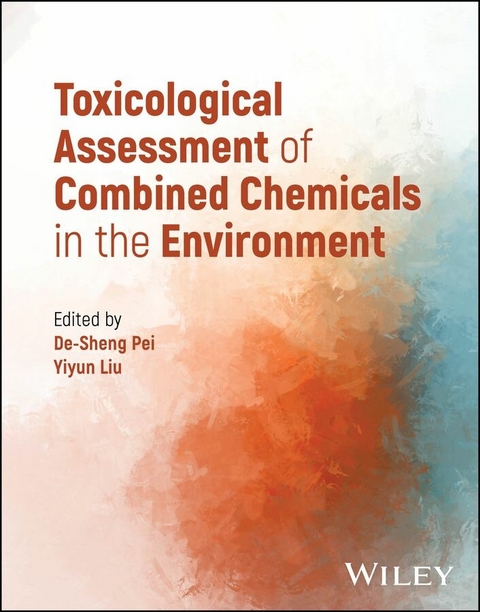
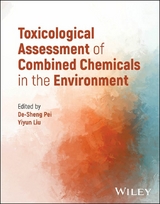
Comprehensive resource covering toxicology fundamentals, distribution of pollutants in the environment, and research methodologies for toxicological assessment of chemical mixtures
Toxicological Assessment of Combined Chemicals in the Environment offers an in-depth exploration of various approaches and molecular mechanisms regarding how minor alterations in chemical mixtures can influence an organism's toxicity, along with discussion of the challenges associated with assessing mixtures.
The first section of the book provides a concise introduction to the background and significance of combined toxicity. Section two delves into the primary sources and enrichment mechanisms of different chemical mixtures, elucidating the biological exposure pathways of these compounds. Section three introduces both classical and emerging toxicological research models in detail. Building on the descriptions of compound emission, migration, accumulation, and transformation processes, and the analysis of combined molecular toxicity in the preceding sections, section four introduces computer mathematical modeling methods for hazard assessment of compound mixtures. The final section details the challenges and future trends in this field.
Written by a highly qualified author and seasoned research contributor in the field, Toxicological Assessment of Combined Chemicals in the Environment covers sample topics including:
- The degradation, oxidation, absorption, distribution, biotransformation, and excretion of various compounds in both the environment and in organisms
- A variety of cell models and in vivo research models of model organisms, supplemented with case studies
- Combined molecular toxicity mechanisms of heavy metals, pesticides, persistent organic pollutants (POPs), and pharmaceutical and personal care products (PPCPs)
- Principal sources, fate, and mechanism of chemical mixtures in the environment, as well as experimental designs and sampling strategies for combined toxicity studies based on concentrations
Toxicological Assessment of Combined Chemicals in the Environment serves as a valuable reference for researchers, students, and policymakers involved in environmental management and protection. It is particularly relevant for toxicologists, risk assessors, and those engaged in the molecular modeling of toxic mixtures.
De-Sheng Pei, PhD, Professor & Doctoral Supervisor, School of Public Health, Chongqing Medical University. He is currently engaged in research on animal disease models, germ-free fish models, toxicological effects of environmental pollutants, and molecular mechanisms of disease caused by environmental pollutants. His discoveries have been published in more than 180 research papers.
Yiyun Liu, PhD, School of Public Health, Chongqing Medical University. In 2022, Dr. Liu graduated from the Research Center for Eco-Environmental Science (RCEES), Chinese Academy of Sciences.
Comprehensive resource covering toxicology fundamentals, distribution of pollutants in the environment, and research methodologies for toxicological assessment of chemical mixtures Toxicological Assessment of Combined Chemicals in the Environment offers an in-depth exploration of various approaches and molecular mechanisms regarding how minor alterations in chemical mixtures can influence an organism s toxicity, along with discussion of the challenges associated with assessing mixtures. The first section of the book provides a concise introduction to the background and significance of combined toxicity. Section two delves into the primary sources and enrichment mechanisms of different chemical mixtures, elucidating the biological exposure pathways of these compounds. Section three introduces both classical and emerging toxicological research models in detail. Building on the descriptions of compound emission, migration, accumulation, and transformation processes, and the analysis of combined molecular toxicity in the preceding sections, section four introduces computer mathematical modeling methods for hazard assessment of compound mixtures. The final section details the challenges and future trends in this field. Written by a highly qualified author and seasoned research contributor in the field, Toxicological Assessment of Combined Chemicals in the Environment covers sample topics including: The degradation, oxidation, absorption, distribution, biotransformation, and excretion of various compounds in both the environment and in organisms A variety of cell models and in vivo research models of model organisms, supplemented with case studies Combined molecular toxicity mechanisms of heavy metals, pesticides, persistent organic pollutants (POPs), and pharmaceutical and personal care products (PPCPs) Principal sources, fate, and mechanism of chemical mixtures in the environment, as well as experimental designs and sampling strategies for combined toxicity studies based on concentrations Toxicological Assessment of Combined Chemicals in the Environment serves as a valuable reference for researchers, students, and policymakers involved in environmental management and protection. It is particularly relevant for toxicologists, risk assessors, and those engaged in the molecular modeling of toxic mixtures.
Preface
Toxicology is known as the study of poisons and intoxication, which allows for the evaluation of dangers posed by industrial chemicals, plant protection products, biocides, medicinal medications and equipment, and consumer goods to humans, animals, and the environment. With the development of science and technology, the types and quantities of pollutants in water, atmosphere, and soil are increased. Many of the same or different kinds of pollutants exist together bringing harm to the environment. Pollutants in the environment can interact physically or chemically to generate new toxic substances. These substances, which can have stronger or weaker toxicity, can affect the balance of the ecosystem. The toxicity study of a single substance is not suitable for analyzing a variety of environmental pollution effects, but the combined toxicity effect can more accurately and truly reflect the biological toxicity of pollutants. Therefore, this book aims to focus on the research methods of combined toxicity, the progress of research on the combined toxicity of environmental pollutants, and propose the challenges of establishing relevant technical means and models in future research strategies
Introductory Chapter 1 proposes the concept of combined toxicology, including its background, key terminologies, and significance for assessing risks from environmental contaminants. Although it can provide a more realistic understanding of the potential environmental risks and health effects of exposure to multiple chemicals, it also poses some challenges for research due to the complexity of chemical mixtures, lack of standardized methods, and limited availability of data. Chapter 2 provides information on the toxicokinetics of chemical mixtures, such as organic halides, insecticides, and plasticizers, and understands the degradation, oxidation, and distribution processes of the mixture in the environment. The application of toxicokinetic evaluation models and methods can help predict the harmful effects of chemical mixtures on organisms and provide guidance for health risks. Chapter 3 provides an overview of the toxicological effects of several major chemical contaminants present in the environment, using chemical mixtures as an entry point and the common model animals as the main research objects. The toxicological effects of the major environmental chemical pollutants on the target organs of the heart, nerves, blood vessels, liver, and kidneys are analyzed. We hope to let readers understand the importance and practical significance of combined toxicity research by clarifying the causes and hazards of compound mixed exposure in Section 1.
It is an important research subject and premise of toxicology to understand the mixing mode and the fate of the environmental behavior of compounds before the biological toxicity test. Therefore, in Section 2, we will introduce the main sources and enrichment mechanisms of different chemical mixtures, and clarify the biological exposure pathways of different compounds. Chapter 4 comprehensively investigates the sources, pathways, and mechanisms involved in the formation of chemical mixtures containing heavy metals and pesticides in soil environments, as well as those comprising heavy metals, microplastics, and nanoparticles in various environmental media. Chapter 5 interpretes how the interaction between the multi-chemicals in the mixture form changed their toxicity to aquatic vertebrates and invertebrates and provided valuable insights into critical impacts on the ecological hazard of their combinations. Chapter 6 highlights the overall geochemical behavior of volatile organic pollutants (VOCs) mixtures. The concentration, dispersion, and disappearance of pollutants caused by spatial motion are defined as migration. At the same time, pollutants will be converted into new compounds, which may cause greater harm to the environment. Their migration and transformation are not only affected by their solubility, adsorption constant, volatility, and other properties but also limited by environmental conditions such as photolysis and microbial hydrolysis. Chapter 7 emphasizes analytical methods for identifying, characterizing, and monitoring classes of hazardous compounds in intricate matrices and techniques that integrate chemical analyses, which may make it easier to identify chemical mixes that cause a combined risk.
The use of an experimental model is a common method of toxicological research. Chapter 8 introduces the toxicological model of zebrafish, analyzes the research cases, and proposes the parameters that can be used to characterize the reproductive function of zebrafish and the corresponding detection methods. This chapter provides a reference for model organism selection and model establishment. At the same time, based on the different toxicological effects of different compounds, Chapter 9 describes the combined molecular toxicity of heavy metals in cardiovascular, nervous, reproductive, liver, immune, and olfactory systems from the perspective of population investigation and experimental testing. Chapter 10 highlights pesticide pollution has been linked to a wide range of human diseases and disorders including neurodevelopmental disorders, neurodegenerative diseases, cancers, neurotoxicity, and congenital defects. Pesticides alter the body’s antioxidant defensive mechanisms and increase the accumulation of reactive oxygen species leading to oxidative stress. Pesticides also inhibit cytochrome P450 enzymes competitively binding at the enzyme’s active site and interfering with the electron transfer chain. Chapter 11 reviews the developmental toxicity and endocrine effects caused by mixtures of persistent organic pollutants (POPs) in epidemiological and experimental studies. Meanwhile, it discusses the molecular toxicity mechanisms of POPs, including epigenetic changes, hormone receptors, oxidative stress, cell death-related signaling pathways, and mitochondrial dysfunction. Chapters 12 and 13 provide an overview of the “state of the art” literature data on the effects and molecular toxicity mechanisms of pharmaceuticals and personal care products (PPCPs) and phthalates (PAEs), with special emphasis on their mixture scenarios. Chapter 14 highlights the impact of microplastic mixtures on molecular toxicity mechanisms. By considering the varying toxicological effects of different pollutants, it explores the combined toxicity mechanisms of heavy metals, persistent organic pollutants, pathogens, engineered nanoparticles, and other pollutants with microplastics. Chapter 15 provides a useful summary of the combined toxicity and molecular mechanisms of exposure to flame retardants (FRs) mixtures, presenting the scientific challenges and potential research directions. Chapter 16 discusses the challenges of adverse outcome pathway (AOP) as a theoretical framework and method for obtaining and analyzing toxicological data and suggests that omics could be employed as a more specific tool to differentiate between mode and mechanism of action.
Section 4 introduces the computer mathematical modeling method for hazard assessment of chemical mixtures. This is a fast and promising risk assessment method, which can predict the physical and chemical properties related to the fate of compounds and predict the toxicological endpoint. Chapter 17 delves into the vital realm of combined toxicity prediction and offers a comprehensive insight into mathematical models for combined toxicity prediction. Chapter 18 reviews the quantitative structure-activity relationships (QSARs) models for predicting endocrine disrupting activities and acute toxicities, as well as the QSAR models based on machine learning method, biomolecular interaction networks, toxicokinetic–toxicodynamic studies, high-throughput transcriptomics approach, and geospatial modeling approach.
Although the combined toxicity of chemical mixtures has attracted more and more attention, there are still many challenges to overcome. Therefore, Chapter 19 emphasizes the mechanistic combined toxicity of the legacy and emerging environmental pollutants, both in vivo and in vitro models, and discusses the challenges of applying experimental, analytical, and predictive models in combined toxicity assessment. Chapter 20 highlights that these mixtures can exhibit diverse interactions, including additive, synergistic, or antagonistic effects, that cannot be precisely anticipated by isolating the constituent chemicals. Employing the procedure of toxicological assessment is a thorough approach to scrutinizing the possible dangers and perils posed by chemicals. This new technology is expected to effectively assess the hazards of simultaneous exposure to chemical substances and propose mitigation strategies.
Chapter 21 provides final thoughts and concluding remarks. The increasing pollution rate has resulted in numerous chemical pollutants in complex mixtures, severely threatening human and environmental health. This book systematically examines combined toxicity, environmental behavior, sampling and detection techniques, experimental programs, toxicity mechanisms, and model analysis strategies. However, challenges persist due to vast chemical combinations, exposure scenarios, and mixture interaction complexities. This book is a comprehensive resource for research on combined toxicology. It highlights current progress in the field and underscores the need for continued research, collaboration, and the application of scientific findings to practical solutions.
Prof. De-Sheng Pei and Dr. Yiyun Liu
School of Public Health
Chongqing Medical...
| Erscheint lt. Verlag | 28.1.2025 |
|---|---|
| Sprache | englisch |
| Themenwelt | Naturwissenschaften ► Chemie |
| Schlagworte | biological exposure pathways • chemical mixture enrichment mechanisms • combined toxicity • compound emission • Emerging Pollutants • flame retardants toxicity • hazard assessment of compound mixtures • Heavy Metal Toxicity • microplastics toxicity • Organism toxicity • persistent organic pollutants toxicity • pesticides toxicity • Pharmaceuticals and personal care products toxicity • phthalates toxicity • toxicological research models |
| ISBN-13 | 9781394158348 / 9781394158348 |
| Informationen gemäß Produktsicherheitsverordnung (GPSR) | |
| Haben Sie eine Frage zum Produkt? |
 EPUB (Adobe DRM)
Kopierschutz: Adobe-DRM
Adobe-DRM ist ein Kopierschutz, der das eBook vor Mißbrauch schützen soll. Dabei wird das eBook bereits beim Download auf Ihre persönliche Adobe-ID autorisiert. Lesen können Sie das eBook dann nur auf den Geräten, welche ebenfalls auf Ihre Adobe-ID registriert sind.
Details zum Adobe-DRM
Dateiformat: EPUB (Electronic Publication)
EPUB ist ein offener Standard für eBooks und eignet sich besonders zur Darstellung von Belletristik und Sachbüchern. Der Fließtext wird dynamisch an die Display- und Schriftgröße angepasst. Auch für mobile Lesegeräte ist EPUB daher gut geeignet.
Systemvoraussetzungen:
PC/Mac: Mit einem PC oder Mac können Sie dieses eBook lesen. Sie benötigen eine
eReader: Dieses eBook kann mit (fast) allen eBook-Readern gelesen werden. Mit dem amazon-Kindle ist es aber nicht kompatibel.
Smartphone/Tablet: Egal ob Apple oder Android, dieses eBook können Sie lesen. Sie benötigen eine
Geräteliste und zusätzliche Hinweise
Buying eBooks from abroad
For tax law reasons we can sell eBooks just within Germany and Switzerland. Regrettably we cannot fulfill eBook-orders from other countries.
aus dem Bereich