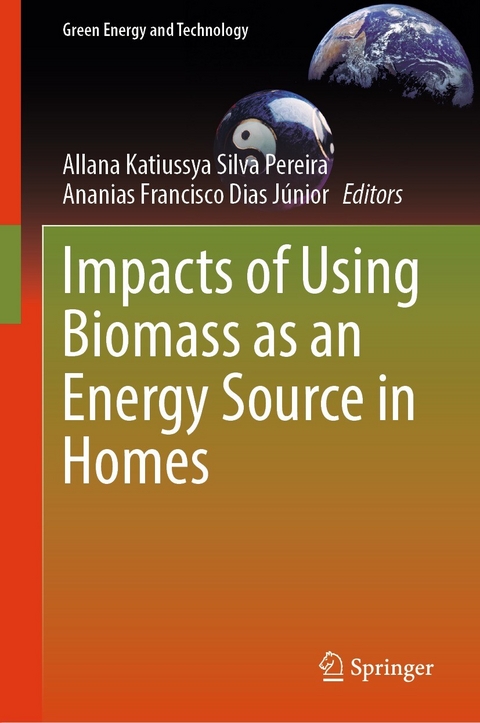
Impacts of Using Biomass as an Energy Source in Homes (eBook)
116 Seiten
Springer International Publishing (Verlag)
978-3-031-38824-8 (ISBN)
The book deepens understanding of biomass sources and technologies used for cooking worldwide. It contributes directly to the creation of policies aimed at the mitigation of climate change.
Historically, wood is considered humanity's first source of energy. Even after decades of use and industrialization processes, it is still considered the most important single source of renewable energy. About a third of the world's population is energetically dependent on wood for cooking and/or heating. Recently, the Covid-19 pandemic made it impossible to purchase fuels such as liquefied petroleum gas (LPG), forcing families in financial difficulties to opt for cheaper and more accessible sources of energy, such as wood and vegetable coal. This has been the picture of many families around the world and negatively impacts the environment and energy security. Considering that there are still many wood residues that are wasted and that tropical forests need to be conserved, knowledge aboutthe energy use of wood residues is also essential. This is even more relevant when considering the significant volume of biomass coming from the sustainable management of the largest tropical forest in the world, the Amazon Forest.
The book considers which wood variables should be taken into account when thinking about energy generation, how do food cooking technologies contribute to potentiating pollutants emissions, and how can these harmful effects be mitigated. It describes the chemical composition of biomass and the chemical compounds released during its burning, as well as their impacts on the environment and human health. It also presents the influence that technologies used in food cooking have on pollutant emissions and which alternatives can be used, such as the use of solar energy.
| Erscheint lt. Verlag | 17.8.2023 |
|---|---|
| Reihe/Serie | Green Energy and Technology | Green Energy and Technology |
| Zusatzinfo | VII, 116 p. 29 illus., 25 illus. in color. |
| Sprache | englisch |
| Themenwelt | Naturwissenschaften ► Biologie |
| Technik ► Architektur | |
| Technik ► Elektrotechnik / Energietechnik | |
| Wirtschaft | |
| Schlagworte | bioenergy • Biofuels • Biomass for energy • climate changes • energy dependence • energy resources • Energy Transition • Exposure limits • Greenhouse Gas Emissions • Indoor Heating • Livelihoods • LPG • Neutral Carbon • renewable energy • sustainability • Technologies of Combustion • wood energy • Wood Wastes Destination • Woody Biomass |
| ISBN-10 | 3-031-38824-0 / 3031388240 |
| ISBN-13 | 978-3-031-38824-8 / 9783031388248 |
| Informationen gemäß Produktsicherheitsverordnung (GPSR) | |
| Haben Sie eine Frage zum Produkt? |
 PDF (Wasserzeichen)
DRM: Digitales Wasserzeichen
Dieses eBook enthält ein digitales Wasserzeichen und ist damit für Sie personalisiert. Bei einer missbräuchlichen Weitergabe des eBooks an Dritte ist eine Rückverfolgung an die Quelle möglich.
Dateiformat: PDF (Portable Document Format)
Mit einem festen Seitenlayout eignet sich die PDF besonders für Fachbücher mit Spalten, Tabellen und Abbildungen. Eine PDF kann auf fast allen Geräten angezeigt werden, ist aber für kleine Displays (Smartphone, eReader) nur eingeschränkt geeignet.
Systemvoraussetzungen:
PC/Mac: Mit einem PC oder Mac können Sie dieses eBook lesen. Sie benötigen dafür einen PDF-Viewer - z.B. den Adobe Reader oder Adobe Digital Editions.
eReader: Dieses eBook kann mit (fast) allen eBook-Readern gelesen werden. Mit dem amazon-Kindle ist es aber nicht kompatibel.
Smartphone/Tablet: Egal ob Apple oder Android, dieses eBook können Sie lesen. Sie benötigen dafür einen PDF-Viewer - z.B. die kostenlose Adobe Digital Editions-App.
Buying eBooks from abroad
For tax law reasons we can sell eBooks just within Germany and Switzerland. Regrettably we cannot fulfill eBook-orders from other countries.
aus dem Bereich