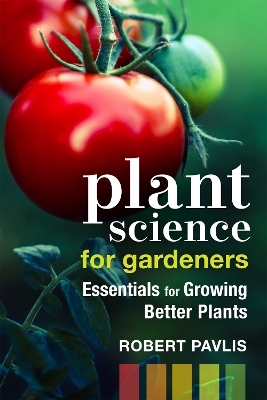
Plant Science for Gardeners
New Society Publishers (Verlag)
978-0-86571-973-6 (ISBN)
Understand how plants actually work to become a more successful, confident gardener. Science-based guide explains plant biology in practical terms, enabling gardeners to make informed decisions about watering, fertilizing, pruning, and troubleshooting based on how plants actually function.
Why Plant Science Knowledge Multiplies Garden Success:
When you understand what plants need and why, every garden decision becomes logical rather than guesswork. This knowledge prevents costly mistakes and maximizes plant health and productivity.
What You'll Understand:
Plant nutrition fundamentals for providing exactly what plants need, when they need it
Water management science that prevents both drought stress and root rot
Photosynthesis optimization through proper light management and leaf care
Growth regulation through pruning, training, and environmental manipulation
Stress identification and response for healthier, more resilient plants
Practical Garden Applications:
Gardeners with plant science knowledge report fewer plant losses, better harvests, and greater confidence in trying new plants and techniques.
Garden smarter, not harder, through scientific understanding. Essential for gardeners ready to move beyond following rules to understanding principles.
Robert Pavlis has been an avid gardener for over four decades. He is the owner and developer of Aspen Grove Gardens, a 6-acre botanical garden that features over 3,000 varieties of plants. Specializing in soil science, he has been an instructor for Landscape Ontario and is a garden blogger, writer, and chemist. The author of Building Natural Ponds and Soil Science for Gardeners, Pavlis is a well-known speaker whose audiences include Master Gardener groups, horticultural societies, orchid societies, and garden shows such as Canada Blooms and the FarmSmart conference. He teaches gardening fundamentals at the University of Guelph and garden design for the City of Guelph, Canada, where he currently resides.
Introduction
Introduction to Plant Science
Organization of the Book
Terms Used in This Book
1. Plant Basics
Cells
Xylem and Phloem
Photosynthesis
Plant Myth: Plants Raise the Oxygen Level in Homes
ATP and the Energy Cycle
Respiration
Meristematic Cells
Classification of Plants
2. Roots
Root Basics
Types of Roots
Plant Myth: Feeder Roots Are Located Under the Dripline
Effect of Gravity
Cut Roots and Side Roots
Plant Myth: Circulating Roots Continue to Circulate
Conditions That Affect Root Growth
Plant Myth: Transplant Solutions Grow Better Roots
Root Growth in Winter
Absorption of Water and Nutrients
Plant Myth: Is Soil pH Important?
Roots and Microbes
Plant Myth: Purchased Mycorrhizal Fungi Are Good for Plants
Plant Myth: Roots Grow Towards Water
The Rhizosphere
3. Stems
The Outer Structure of Stems
Internal Structure of Stems
Trichomes
Buds
How Stems Grow
The Importance of Photosynthesis
Underground Stems
Plant Myth: Plant Bulbs after the Ground Is Frozen
Plant Myth: Bearded Iris Should Be Planted with Rhizome Showing
4. Leaves
Leaf Structure
How Sun Affects Leaves
Why Are Some Leaves Red?
Plant Myth: Evergreen Needles and Oak Leaves Are Acidic
Functionality of Damaged Leaves
Natural Pesticides
Signaling Between Plants
Pest-Proof Leaves
Water Stress and Wilting Leaves
Leaf Abscission
Variegated Leaves
5. Flowers
Parts of a Flower
Pollination
What Causes Flowering?
Why Do Plants Not Flower?
Plant Myth: High Phosphate Grows More Blooms
Tough Love for Plants
Attracting Pollinators
Enjoy the Bracts
Dioecious and Monoecious Plants
6. Fruits and Seeds
What Is a Fruit?
The Importance of Fruit
Different Types of Fruits
Fruit Development
Seed Development
Suckering Tomato Plants
Seeds from Non-Flowering Plants
Soil Seed Bank
7. The Whole Plant
Life Cycle of Plants
Plant Dormancy
Movement of Water
Movement of Nutrients
Plant Myth: Leaves Can Be Used to ID Nutrient Deficiencies
Movement of Sugars
Seasonal Sharing of Resources
Overcoming Physical Damage
How Do Plants Get Taller?
Following the Sun
How Light Affects Plant Growth
Gravity
8. Woody Plants
What Are Woody Plants?
Structure of Woody Stems
Where Does Wood Come From?
Plant Myth: Newly Planted Trees Need to Be Staked
Storage of Sugars
Taproots vs. Fibrous Roots
Composition of Wood
Apical Dominance
Healing Damage
Plant Myth: Damage on Trees Should Be Painted
Conifers
9. Environmental Factors
Garden Hardiness Zones
Dealing with Cold
Protecting Plants from Cold
Dealing with Heat
Dealing with Water Extremes
Adaptability of Plants
How Climate Change Affects Gardens
10. Growing from Seeds
When Is Seed Mature?
The Seed Germination Process
The Mysterious Cotyledons
Why Do Seeds Stay Dormant?
Breaking Dormancy
Plant Myth: Seeds Can Have Double Dormancy
Seed Storage
Best Method for Starting Seeds Indoors
11. Selecting Seeds
Basic Genetics
Hybrids vs. Heirlooms
GMO Seeds
Days to Maturity
Buying Unusual Seeds
12. Vegetative Reproduction
Natural Vegetative Reproduction
Rooted Stems and Leaves
Artificial Vegetative Reproduction
Plant Myth: Homemade Rooting Hormones Work Well
Grafting
13. Plant Names
Why Use Botanical Names?
Naming Conventions
The Proper Way to Name Your Plants
Index
About the Author
Connect with Robert Pavlis
About New Society Publishers
| Erscheinungsdatum | 16.05.2022 |
|---|---|
| Reihe/Serie | Garden Science Series |
| Zusatzinfo | 25 Illustrations, black and white |
| Verlagsort | Gabriola Island |
| Sprache | englisch |
| Maße | 152 x 229 mm |
| Gewicht | 354 g |
| Themenwelt | Sachbuch/Ratgeber ► Natur / Technik ► Garten |
| Naturwissenschaften ► Biologie ► Botanik | |
| Weitere Fachgebiete ► Land- / Forstwirtschaft / Fischerei | |
| ISBN-10 | 0-86571-973-X / 086571973X |
| ISBN-13 | 978-0-86571-973-6 / 9780865719736 |
| Zustand | Neuware |
| Informationen gemäß Produktsicherheitsverordnung (GPSR) | |
| Haben Sie eine Frage zum Produkt? |
aus dem Bereich